



















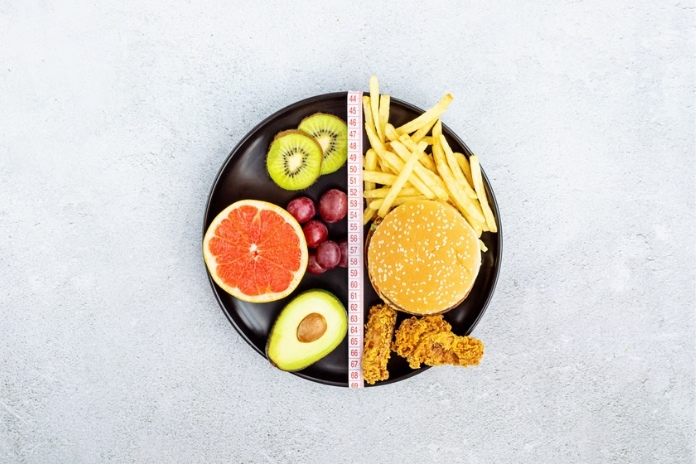
Ultra-processed foods are not an occasional indulgence in this century; they are becoming the base of modern eating. They make up around 60% of daily calories in adults and even more than that in children. “They’re a form of food that’s very far from what it was like originally,” she explains. “It’s the difference between a bag of potato chips and a potato,” says Dr. Teresa Fung, a nutritional epidemiologist.
Under the NOVA food classification, these foods are never simply “processed” ones; they are industrial formulations that are made with the use of many substances. Some additives. Some emulsifiers. Some flavor enhancers. Some preservatives. And these items never exist in any normal kitchens. Think packaged snacks, flavored yogurts, instant noodles, protein bars, and reconstituted meats.
But the goal here is never just perfection. No one sustains a zero-UPF diet for long. What actually works consistently in research is reduction because of ultra-processed food’s health risks. Even partial replacement with less processed foods is good for metabolic markers, appetite regulation, and long-term health.
So, if you wonder how to avoid the UPF diet, then here are eight practical strategies about how to cut ultra-processed foods, starting with the ones that give the biggest return for the least effort.
- Ultra-processed foods dominate modern diets, but you don’t need to eliminate them completely. Focus on ingredient lists, not nutrition labels. Swap one food at a time instead of changing everything.
- Cook slightly more, not perfectly. Fix your environment, and what is visible gets eaten. Replace one processed drink daily.
- Plan meals before shopping. Follow 80/20, not perfection. Small changes, repeated consistently, reduce an ultra-processed food diet without making life complicated.
A. Read the Ingredient List – Not the Nutrition Label

The Five-Second Test That Changes How You Shop
Most people look at calories, protein, and fat. But that is not the real story. The nutrition label tells you numbers. The ingredient list tells you what the food actually is.
If a product contains ingredients like carrageenan, modified starch, sodium stearoyl lactylate, artificial sweeteners, or synthetic colors, then it is ultra-processed. Even if it says “high protein” or “low fat.” These claims are marketing language, not classification.
A simple rule works surprisingly well: the shorter the ingredient list, the lower the processing level. But more important than length is familiarity. If you cannot imagine the ingredient sitting in a normal kitchen, there is a reason.
Packaged foods are designed to pass nutrition label filters while still being highly engineered. This is why many “healthy” foods still behave like ultra-processed foods in the body, with fast digestion, low satiety, and high reward response.
Quick Rule:
If you cannot picture every ingredient as something grown, cooked, or stored in a home kitchen, it is likely ultra-processed.
B. Swap One Ultra-Processed Item Per Week – Not Everything at Once
The Gradual Approach Has a Better Evidence Base Than Cold Turkey
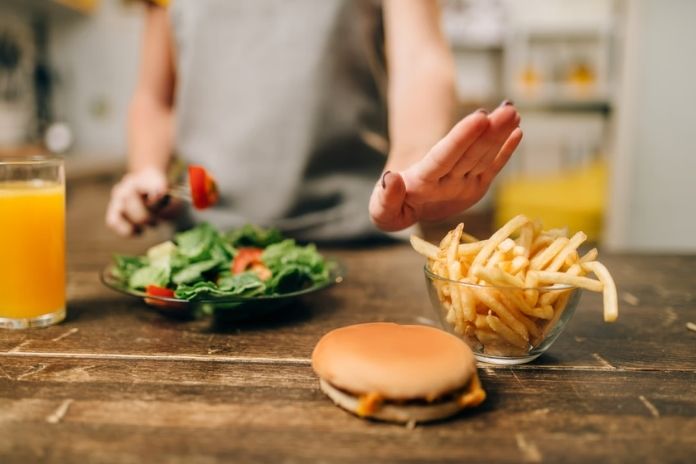
Most people fail here, not because they lack discipline, but because they try to do whole food swaps to cut UPF at once. That almost always leads to rebound eating. “In general, skip ultra-processed foods. But occasionally you may be in a pinch for time or need a quick source of fuel before a workout, so it’s OK to eat them sometimes. Just don’t rely on them,” says Nicholas Soirez, a dietician. “But really think twice before giving a child ultra-processed snacks or meals. They’re more likely to ask for it again, and you want to avoid creating a habit of this food.”
Behavioral research shows something very clear: small, repeated substitutions or a whole-food diet transition creates lasting change. Not drastic elimination.
Start with the one item you consume daily or one with which you have processed food addiction, maybe breakfast cereal, packaged snacks, or sugary drinks. Replace just that one for a week. Then move to the next. Over time, your entire diet shifts without feeling like a forced diet.
This also reduces something important, decision fatigue. If you change everything at once, every meal becomes a decision. That is mentally exhausting. But changing one item keeps your system stable while improving it.
Practical swap tips for eating less processed food:
- Packaged cereal → rolled oats with fruit and nuts
- Flavored yogurt → plain yogurt with fresh fruit
- Instant noodles → simple pasta with oil, garlic, salt
- Processed meat → roasted or boiled whole protein
The key is not perfection. It is momentum.
Better Choices
Weekly Whole-Food Swaps
| Instead of (Ultra-Processed) | Protein | Fiber | Calories | Swap For (Whole-Food Alternative) |
|---|---|---|---|---|
| 🥣 Packaged CerealHigh sugar/processed grains | 6g | 4g | 150 | Rolled oats with berries |
| 🍦 Flavored YogurtAdded syrups and dyes | 12g | 2g | 130 | Plain yogurt with fruit |
| 🥨 CrackersRefined flour and preservatives | 4g | 3g | 120 | Whole grain toast |
| 🍜 Instant NoodlesSodium and synthetic flavorings | 8g | 5g | 250 | Pasta with olive oil and vegetables |
| 🥪 Deli MeatNitrates and high sodium | 25g | 0g | 140 | Roast chicken or canned tuna |
C. Cook One More Meal at Home Each Week

Home Cooking Is the Most Reliable Ultra-Processed Food Filter
There is no strategy more consistent than this. Cooking at home automatically removes a large percentage of ultra-processed exposure. Not because home food is perfect, but because it removes industrial formulation.
Studies in dietary patterns show that people who cook more frequently consume less sugar, less fat, and fewer calories, not by trying, but by default. The difference is not in effort, but in exposure.
Important point, this does not mean that everything you will be cooking from scratch daily to cut ultraprocessed food. That approach fails quickly. Instead, increase your baseline slowly. One extra home-cooked meal per week is enough to shift intake measurably.
Batch cooking works best in real life. Prepare three components:
- One protein
- One grain
- One vegetable
Then mix and match across the week. No need to “cook daily.” You are just assembling meals. The real shift here is control. When you cook, you control ingredients, even if the meal is simple.
D. Rebuild Your Default Snack Environment
Ultra-Processed Food Wins When It Is the Easiest Option
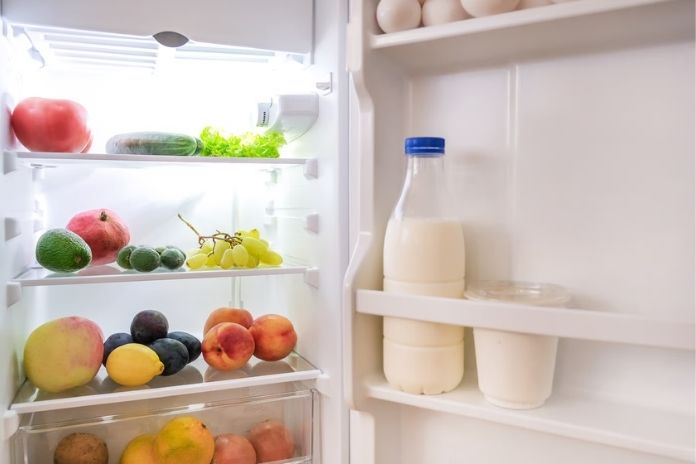
Most eating decisions are not conscious. They are environmental. If packaged snacks are visible, reachable, and ready, they get eaten. If fruit is hidden in the fridge drawer, it gets ignored.
This is not about willpower. It is about design. Research in food behavior shows that visibility alone changes intake significantly. When healthier foods are placed in front, consumption increases, even without intention.
So instead of trying to resist ultra-processed snacks, change what is available:
- Keep fruits in a visible bowl
- Store nuts in clear containers
- Pre-cut vegetables once and use for days
- Keep boiled eggs ready
At the same time, make ultra-processed foods less accessible. Not necessarily banned, just inconvenient.
Practical idea:
What is visible becomes default. What is hidden becomes occasional.
E. Rethink Your Drink

Beverages Are the Most Overlooked Source of Ultra-Processed Intake
People focus on food, but drinks quietly add large amounts of ultra-processed ingredients, sugar, artificial sweeteners, stabilizers, and flavor agents.
Sugary drinks, flavored waters, packaged juices, energy drinks, and even many coffee beverages fall into this category.
The problem is not only the ingredients, but also how the body processes liquids. Liquid calories bypass many satiety signals. They don’t create fullness the same way solid foods do. So you consume calories without reducing intake later. One simple change gives a large impact: Replace one ultra-processed drink per day. Options:
- Water
- Sparkling water
- Unsweetened tea
- Black coffee
If plain water feels boring, add lemon, mint, or cucumber. This small step reduces both sugar and additive exposure significantly. This is one of the highest-impact, lowest-effort changes.
F. Plan Meals Before You Shop – Not During
Unplanned Shopping Is Ultra-Processed Food’s Advantage
Supermarkets are designed for impulse buying. Ultra-processed foods are positioned to win attention, with bright packaging, long shelf life, and easy decisions.
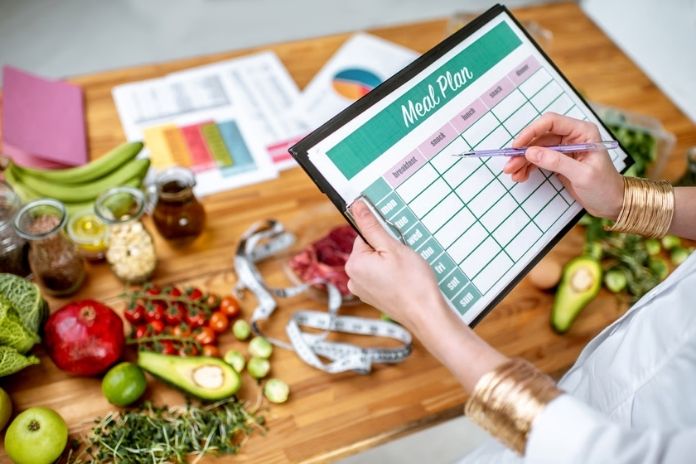
If you shop without a plan, you will rely on what is easiest to choose in the moment. That usually means ultra-processed foods. Meal planning removes this vulnerability, and proper meal prep reduces processed food.
You do not need a full weekly plan. Even planning 3–4 meals is enough. Write it down before shopping. Then build your grocery list from that plan.
This shifts your focus from products to ingredients. Instead of buying “ready-to-eat items,” you buy components of meals. Also, it reduces cognitive load in the store. When the decision is already made, marketing has less influence. This is not about discipline; it is about removing decision points.
G. Learn to Identify Hidden Ultra-Processed Foods
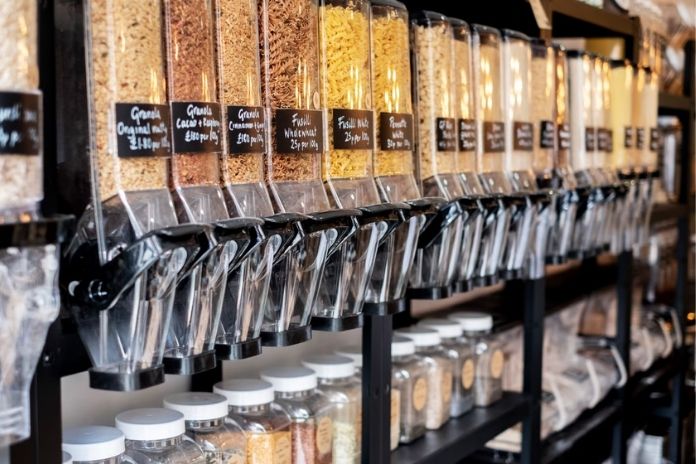
Many “Healthy” Products Are Ultra-Processed in Disguise
One of the biggest problems today is the “health halo.” Many products look healthy but are still ultra-processed. Common examples:
- Flavored plant milks with additives and stabilizers
- Protein bars with long ingredient lists
- Packaged granola is high in sugar and oils
- Commercial bread with emulsifiers and conditioners
- Low-fat products compensated with sugars and thickeners
These products often pass nutrition checks but fail ingredient checks. The danger is subtle; you think you are making a better choice, but your intake of ultra-processed components remains high. This also increases the risk of ultra-processed food inflammation in your body.
As UPF and chronic disease are closely related, causing many disorders such as heart diseases, depression, and cancer. Always compare front-of-pack claims with the ingredient list. If the claim is loud but the ingredients are complex, something is off.
Label Check Rule:
If the health claim is stronger than the ingredient simplicity, check again.
H. Use the 80/20 Rule – Not the 100% Rule

All-or-Nothing Thinking Is Why Most Dietary Changes Fail
The biggest mistake is aiming for perfection. That creates pressure, then failure, then abandonment. Dietary adherence research is clear: flexibility leads to consistency. Rigid rules lead to collapse. The 80/20 approach works better:
- 80% minimally processed foods
- 20% flexibility
This removes guilt from eating and keeps the system sustainable. Important difference: this is not a “cheat day” mindset. It is structured flexibility. A diet that you follow for years is more powerful than a perfect diet for a few weeks. The goal is not to eliminate ultra-processed foods. It is to reduce dependence on them.
Conclusion
Most discussions around ultra-processed foods focus on “what not to eat.” That approach misses the real issue. The problem is not only consumption, but it is also dependency.
Ultra-processed foods are not just about poor choices; they are engineered for convenience, taste, and habit formation. They simplify life. That is why people rely on them. Reducing them is not about willpower. It is about changing systems around you. So the real solution is not just removal; it is the replacement of systems. Start with two things:
- Read ingredient lists
- Fix your snack environment
These changes work without daily effort on how to cut ultra-processed foods. Over time, small adjustments, one swap, one meal, and one habit compound. When your environment, routine, and defaults shift, ultra-processed intake drops naturally. You don’t need expensive foods, extreme diets, or full control. You need better defaults. That is what makes the change sustainable.
- Most people understand macros but not formulations. This gap explains why ultra-processed foods still dominate “healthy” diets.
- Behavioral environment beats motivation – Changing visibility and accessibility of food are easy ways to reduce processed food than relying on self-control, yet this is underused in public health strategies.
- Gradual substitution is under-researched but effective – While extreme diet interventions get attention, long-term success comes from small, repeated swaps with ultra-processed food alternatives. More real-world research is needed here.
- Beverages contribute disproportionately to intake but receive less attention than solid foods.
- Many studies show the health effects of ultra-processed foods, but fewer focus on how people realistically reduce them over the years. That is where most diets fail.
FAQs
1. How do I stop eating ultra-processed foods without feeling restricted?
Start with a single daily item and replace it. Avoid removing everything at once. Replace the most common ultra-processed food in your daily routine first. Studies on dietary habit formation show small, repeated changes produce stronger long-term adherence than drastic dietary overhauls.
2. Why do I crave ultra-processed foods all the time?
Ultra-processed foods combine refined carbohydrates, fats, and salt in ways that stimulate reward pathways in the brain. Research suggests these foods may trigger patterns similar to food addiction behaviors, encouraging repeated consumption. Your brain learns to associate these foods with quick pleasure, which makes them hard to resist.
3. Are all processed foods bad?
No. Many processed foods remain nutritious. Freezing vegetables, fermenting yogurt, or canning beans counts as processing. The health concern centers on ultra-processed foods that rely heavily on industrial ingredients and additives rather than whole foods (NOVA classification research).
4. How to read food labels for ultra-processed ingredients?
Ignore front claims while reading ingredient labels. Check the ingredient list.
5. Is it necessary to completely avoid ultra-processed foods?
No. Total avoidance is not practical and difficult. Public health researchers emphasize reducing intake rather than achieving perfection. Even moderate reductions produce measurable health benefits.
References
- Cárdenas, M. L., Miranda, J. J., Pillay, T. D., & Miranda, J. J. (2015). The effect of changes in visibility and price on fruit purchasing at a university cafeteria in Lima, Peru. Public Health Nutrition, 18(15), 2742–2749.
- Conlin, L. A., Aguilar, D. T., Rogers, G. E., & Campbell, B. I. (2021). Flexible vs. rigid dieting in resistance-trained individuals seeking to optimize their physiques: A randomized controlled trial. Journal of the International Society of Sports Nutrition, 18(1).
- Hills, A. P., Byrne, N. M., Lindstrom, R., & Hill, J. O. (2013). Small changes’ to diet and physical activity behaviors for weight management. Obesity Facts, 6(3), 228–238.
- Wolfson, J. A., & Bleich, S. N. (2014). Is Cooking at Home Associated with Better Diet Quality or weight-loss intention? Public Health Nutrition, 18(8), 1397–1406.
- Monteiro, C. A., Cannon, G., Levy, R. B., et al. (2019). Ultra-processed foods: What they are and how to identify them. Public Health Nutrition, 22(5), 936–941.
- Srour, B., Fezeu, L. K., Kesse-Guyot, E., et al. (2019). Ultra-processed food intake and risk of cardiovascular disease. BMJ, 365, l1949.
- Steele, E. M., Popkin, B. M., Swinburn, B., & Monteiro, C. A. (2017). Ultra-processed foods and dietary patterns. Public Health Nutrition, 20(1), 224–232.
- Wolfson, J. A., & Bleich, S. N. (2015). Is cooking at home associated with better diet quality? Public Health Nutrition, 18(8), 1397-1406.
- Wansink, B., Payne, C., & Shimizu, M. (2012). The 100-calorie snack study. Health Education & Behavior.
- DiMeglio, D., & Mattes, R. (2000). Liquid versus solid carbohydrate consumption. International Journal of Obesity.
- Gearhardt, A. N., et al. (2016). The Yale Food Addiction Scale. Appetite.
- Mozaffarian, D., et al. (2019). Food processing and health outcomes.
- Nestle, M. (2017). Dietary patterns and public health.
- NIH. (2021). Ultra-processed food consumption in the United States.
In this Article