


















- Bananas before bed can support sleep thanks to potassium, magnesium, and tryptophan, but it’s not universally effective.
- Whether it helps or hurts depends on timing, ripeness, portion size, and your body’s metabolic sensitivity.
- In some people, bananas at night can trigger blood sugar spikes and crashes, leading to disrupted sleep or midnight wake-ups.
- Eating them earlier or pairing with protein/fat can stabilize blood sugar and improve overall sleep quality.
Bananas are the kind of food nobody questions. They are portable, affordable, naturally sweet, and carry a strong association with health. The idea that eating a banana at night due to habit could be quietly undermining your sleep quality sounds counterintuitive at best. But it is a question worth taking seriously, because the answer depends on factors that most people have not thought about. The nutrients in bananas are genuinely relevant to sleep biology.
Potassium, magnesium, and the amino acid tryptophan are all involved in the physiological processes that lead to relaxation and sleep onset. That is why eating a banana before bed became a popular recommendation in the first place.
The problem is that a banana is also a medium-glycemic carbohydrate source, and the timing, ripeness, and quantity of carbohydrates eaten close to sleep have a measurable effect on how well the body settles into the night.
The relationship between food and sleep is one of the most underexplored areas of everyday health. Most people think about what they eat throughout the day in terms of energy and nutrition. They think about nighttime eating, if at all, primarily in terms of calories.
But the question of late-night snacks and sleep is really a question about blood sugar stability, digestive timing, hormonal signals, and individual metabolic variation, all of which behave differently in the evening hours than they do during the day.
This article walks through the specific nutrients in bananas that can support sleep, the specific mechanisms by which evening banana eating can also disrupt it, how timing changes the equation entirely, and what to do if you have noticed that a banana before bed seems to be affecting how well you sleep.
Are Bananas Actually Good for Sleep?
Nutrients in Bananas That Support Sleep
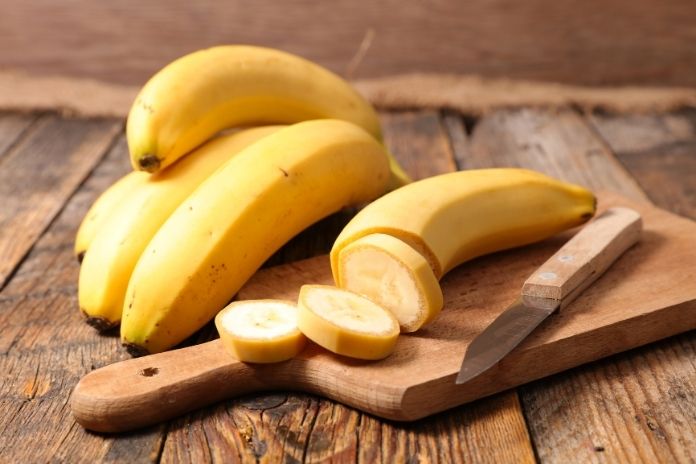
A medium banana contains approximately 422mg of potassium, 32mg of magnesium, around 10mg of tryptophan, and roughly 27 grams of carbohydrates. Each of these plays a documented role in sleep physiology. Potassium and magnesium for sleep are both well established in the research literature.
A 2021 PMC review examining the relationship between micronutrient intake and sleep quality found that adequate magnesium intake was associated with better subjective sleep quality, reduced nighttime awakenings, and decreased insomnia symptoms.
Potassium supports muscle relaxation and has been associated with reduced nighttime leg cramps and more stable sleep architecture. Together, these two minerals make a strong case for the idea that having a banana before bed may offer real benefits.
Tryptophan, the amino acid most commonly associated with post-Thanksgiving drowsiness, matters here in a specific way. Tryptophan is a precursor to serotonin, which in turn is a precursor to melatonin, the hormone that signals to the brain that it is time to sleep.
The carbohydrates in a banana facilitate tryptophan’s entry into the brain by triggering insulin release, which clears competing amino acids from the bloodstream.
Research published in Nutritional Neuroscience confirmed that carbohydrate intake supports this tryptophan-to-serotonin-to-melatonin pathway, providing a biological basis for why a light carbohydrate snack before sleep has logic behind it.
Serotonin and melatonin production both benefit indirectly from the nutrient profile of a banana. Bananas also contain small amounts of melatonin directly, though the quantities are modest compared to what the pineal gland produces naturally.
Why Bananas Are Often Recommended as a Bedtime Snack
Dr. Michael Breus, PhD, has specifically highlighted the sleep-supporting properties of bananas in his clinical practice: “Boiling a whole organic banana (peel included) creates a tea rich in magnesium and potassium that acts as a natural muscle relaxant,” he told the Chalene Johnson podcast, noting that the banana peel contains roughly three times the magnesium content of the fruit itself.
Beyond the micronutrient argument, bananas are easy to digest relative to high-fat or high-protein foods, do not require preparation, and provide a modest blood sugar lift that can prevent the disruptive hunger that wakes some people in the early morning hours.
For someone who ate dinner early and has a long gap before sleep, a small banana can stabilize blood glucose just enough to prevent the kind of early-morning awakening caused by a drop too low.
Read More: Does Eating a Banana Before Bed Really Help You Sleep? What the Science Says
Why Eating a Banana at Night May Disrupt Sleep for Some People
Blood Sugar Spikes and Overnight Energy Fluctuations
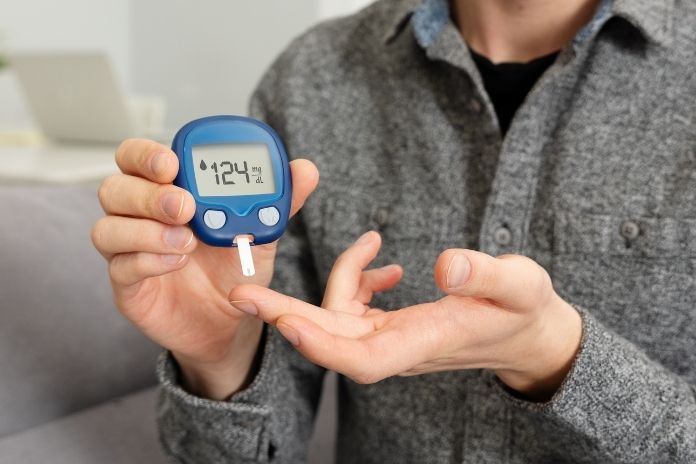
Here is where the story gets more complicated. A medium-ripe banana has a glycemic index in the range of 51 to 62, depending on ripeness. The riper the banana, the higher the glycemic load. When consumed alone in the evening, without protein or fat to slow absorption, this can produce a meaningful blood glucose rise followed by the insulin response that clears it, and that sequence does not always end cleanly.
A study published in the Journal of Clinical Sleep Medicine examined how dietary composition affected objective sleep measures in a cohort of healthy adults. Higher sugar intake was associated with more arousals during the night and less restorative slow-wave sleep, independent of total caloric intake. The finding held for natural sugars as well as added sugars.
The mechanism is direct. When blood glucose drops after the initial spike, the body responds by releasing counter-regulatory hormones, including norepinephrine and cortisol, both of which are associated with alertness and arousal. This is not a dramatic response.
For most people, it is subtle. But for those with any degree of blood sugar sensitivity, it can be enough to produce the sensation of waking up at 2 or 3 in the morning, feeling alert without any obvious reason.
Dr. José Colón, MD, MPH, explains the mechanism directly: “If you’re at all sugar-sensitive, carbohydrates can trigger too much insulin production, resulting in an eventual blood-sugar crash. These crashes signal the release of norepinephrine, a neurotransmitter associated with alertness. If, after a late-night [snack], you experience a blood-sugar crash while sleeping, you’ll also get a related hit of stimulating norepinephrine. This can wake you up and keep you awake.”
Late-Night Digestion and Metabolism
Nighttime digestion and metabolism slow significantly in the evening as the body’s circadian biology shifts focus from active processing toward cellular repair and hormone regulation.
Digestive enzyme activity decreases, gastric motility slows, and the gut microbiome shifts toward restorative rather than digestive processes. Eating close to sleep, even something as light as a banana, adds a digestive workload to a system that is already winding down.
For most healthy people, a banana is light enough that this is not a significant issue. But for those with slower digestion, any tendency toward acid reflux, or gut sensitivity, even the natural sugars and fiber in a banana can cause enough digestive activity to generate discomfort, mild bloating, or heartburn that disturbs sleep architecture.
Individual Sensitivity to Carbohydrates Before Bed
This is the most important variable and the one most commonly overlooked.
Dr. Frank Lipman, MD, makes the individual variation point clearly: “The amount of carbohydrates that works for one person’s metabolism doesn’t always serve another’s… Your tolerance can rise and fall depending on how much you exercise, how well you sleep, how stressed you are, and so on. There’s nothing a doctor can give you that is more valuable than this personal awareness,” he wrote in MindBodyGreen.
Two people can eat the same banana at the same time before bed and have completely different outcomes. One sleeps without interruption. The other wakes at 2 am and lies awake for an hour. The difference is not the banana.
It is their individual insulin response, cortisol patterns, gut motility, and baseline metabolic sensitivity. This is why sweeping rules about whether bananas are good before sleep are less useful than personal observation.
Read More: How to Eat Sweet Potatoes and Bananas Without Spiking Your Blood Sugar
The Role of Timing: When You Eat a Banana Matters
Eating Bananas Too Close to Bedtime
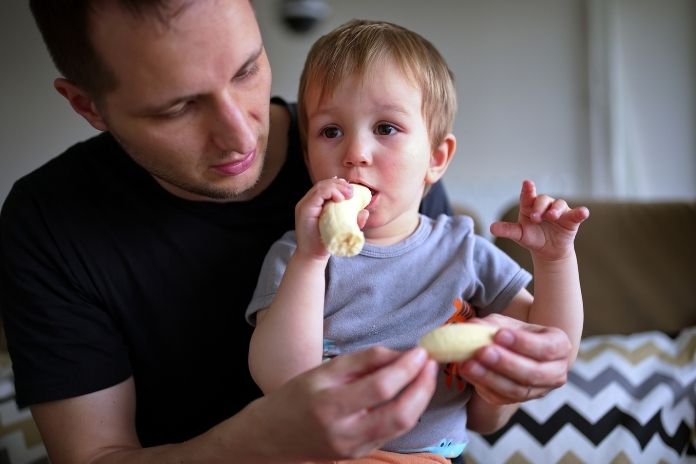
The best time to eat bananas for sleep purposes is a question of how much time the body has to process the carbohydrate load before sleep onset. When a banana is eaten within 30 to 60 minutes of lying down, the blood glucose response and subsequent insulin clearance may still be actively unfolding when sleep begins. That overlap is where most of the disruption occurs.
Research published in the American Journal of Clinical Nutrition found an interesting nuance: high-glycemic index foods consumed four hours before bed actually shortened sleep onset time compared to low-GI foods. But the same foods consumed one hour before bed showed no such benefit and were associated with more disrupted sleep. Timing, not just composition, determines the outcome.
Circadian rhythm and digestion are tightly linked. The gut has its own peripheral clock that aligns digestive efficiency with daytime hours. Asking it to process a sugar-containing food in the middle of its winding-down phase is the dietary equivalent of starting a load of laundry right as you are trying to fall asleep.
A Better Window for Eating Bananas
The best time to eat bananas for sleep benefits, without the disruption, is two to three hours before bed. This gives the body time to process the natural sugars, stabilize blood glucose, and allow the tryptophan pathway to support serotonin and melatonin production without the active glycemic response overlapping with sleep onset.
Early evening, around 6 to 7 pm for most people, makes a banana a genuinely useful addition to the pre-sleep nutritional environment.
Signs Your Evening Banana May Be Affecting Your Sleep
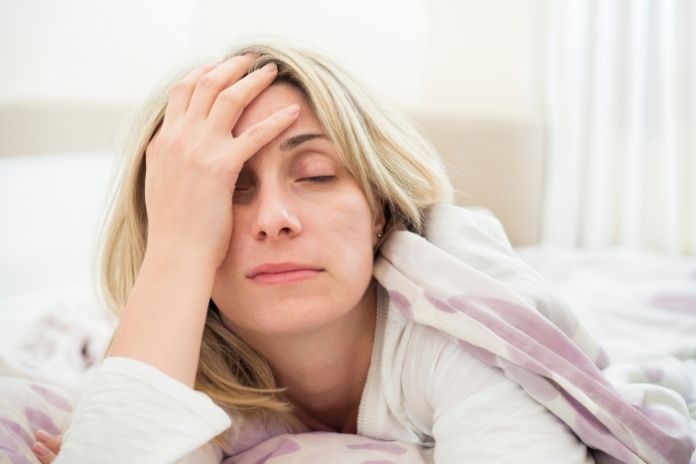
The signs are subtle and easy to attribute to other causes. Waking between 2 and 4 am with no clear reason is the most common. Feeling unusually alert or slightly wired in the 30 to 60 minutes after eating a banana at night, despite general tiredness, can indicate a blood sugar response.
Mild heartburn or a sensation of fullness that persists into sleep, morning grogginess despite sleeping an adequate number of hours, and an inconsistent sleep pattern that seems linked to evenings when you eat fruit late are all worth noting.
None of these is diagnostic. But if you notice a pattern, try removing the habit of eating a banana at night for one to two weeks and observe whether your sleep quality changes—it’s a low-risk, informative experiment.
Who Is Most Likely to Notice Sleep Issues After Eating Bananas at Night?
People With Blood Sugar Sensitivity
Anyone with prediabetes, reactive hypoglycemia, or a history of blood sugar instability is in the highest-risk group for nighttime disruption from a pre-sleep banana. The glycemic response that most people handle without issue can be enough to create a significant rebound drop in these individuals, triggering the norepinephrine release Dr. Colón described.
Individuals With Sensitive Digestion
People who regularly experience bloating, slower gastric emptying, or conditions like acid reflux may find that even a relatively light food like a banana creates enough digestive activity to disrupt sleep hygiene and overall evening diet quality. Fructose sensitivity, though less common, can also produce overnight digestive discomfort from ripe fruit.
Those Already Struggling With Sleep Quality
If you are already dealing with insomnia or frequent nighttime awakenings, the risks of eating a banana before bed are proportionally higher because the threshold for sleep disruption is already lower. Foods that disrupt sleep at night do not have to be dramatic in their effect on a healthy sleeper to push a light sleeper past the threshold for wakefulness.
When a Banana Before Bed Might Actually Help Sleep
After a Light Dinner or Long Gap Between Meals
If dinner was early and light, going to bed with low blood sugar is itself a sleep disruptor. A banana eaten one and a half to two hours before bed can stabilize that baseline and prevent the early-morning awakening that comes from glucose dropping too far overnight. In this scenario, the banana-before-bed benefits are genuine and practical.
When Paired With Protein or Healthy Fat
Pairing a banana with a small amount of protein or healthy fat changes the glycemic profile significantly. A half banana with a tablespoon of almond butter, or sliced over plain Greek yogurt, slows the absorption of natural sugars, blunts the insulin response, and extends the blood glucose stability window through the early sleep hours.
This combination captures the tryptophan and magnesium benefits while reducing the blood sugar spike that creates problems.
Sleep-Friendly Alternatives to Late-Night Fruit
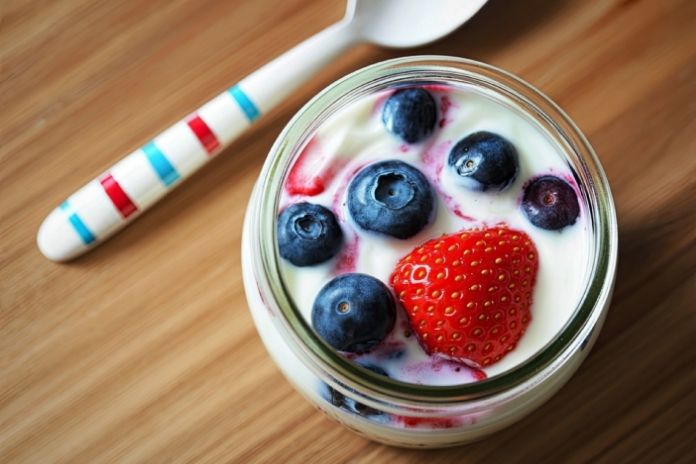
If you have tried adjusting timing and pairing and still notice that eating a banana at night disrupts your sleep, some alternatives provide similar micronutrient benefits with a lower glycemic impact. Plain Greek yogurt with a small drizzle of honey provides magnesium, protein, and tryptophan in a low-sugar package.
A small handful of almonds or walnuts delivers magnesium and healthy fats without the sugar load. Warm milk or a chamomile herbal tea addresses the relaxation side of the equation without digestive demand.
A hard-boiled egg with a few crackers provides the stable blood sugar platform that supports uninterrupted sleep without causing blood sugar fluctuations at night.
Simple Tips to Protect Sleep Quality While Eating Healthy at Night
The broader principle underneath the banana question applies to all late-night snacks and sleep decisions. Finish most food two to three hours before sleep to give the digestive system adequate winding-down time.
When a snack is genuinely needed, choose something balanced with protein or fat rather than carbohydrate alone. Overripe bananas spike blood sugar faster than firm ones, so if you do eat a banana in the evening, choose one that is yellow with minimal browning.
Dr. Michael Breus frames the evening eating cutoff clearly with his 3-2-1 Rule: “Stop eating 3 hours before bed, stop working 2 hours before bed, and stop screens 1 hour before bed,” he has stated consistently across interviews. The three-hour eating window is the most clinically grounded of the three, directly addressing nighttime digestion and metabolism and its effect on sleep onset and sleep continuity.
Pay attention to your own response over time. Bananas and sleep quality are not a universal relationship. It varies by the individual, the time of eating, the ripeness of the fruit, and what was eaten alongside it.
Maintaining consistent sleep hygiene and evening diet patterns, including a consistent mealtime and bedtime, is ultimately what supports the most stable sleep. The banana is a variable within that pattern, not the whole story.
Read More: Best Foods to Eat Before Bed for Deep Sleep & Muscle Recovery
Key Takeaway
Banana before bed is not inherently bad for sleep. The nutrients in bananas, particularly potassium and magnesium for sleep and their role in the tryptophan-to-melatonin pathway, make them a genuinely useful food in the right context. The problem is the context.
Eaten too close to bedtime, eaten alone without protein or fat, eaten overripe, or eaten by someone with blood sugar sensitivity, the natural sugars in a banana can cause blood sugar fluctuations at night that wake people up and keep them awake.
The fix is usually not eliminating bananas. It is adjusting when and how you eat them. Two to three hours before bed, paired with a small amount of protein or fat, a banana supports rather than sabotages sleep quality.
If you suspect your evening banana is affecting how you sleep, try removing it for two weeks and see what changes. Your sleep pattern will tell you what the research, on its own, cannot: whether this particular food, at this particular time, is working for your body or against it.
Medical Disclaimer: This article is for informational purposes only and is not a substitute for professional medical or nutritional advice. Consult a qualified healthcare provider regarding any sleep or dietary concerns.
References
- Afaghi, A., O’Connor, H., & Chow, C. M. (2007). High-glycemic-index carbohydrate meals shorten sleep onset. American Journal of Clinical Nutrition, 85(2), 426-430.
- Breus, M. (2023). Banana tea for sleep. Chalene Johnson Podcast.
- Breus, M. (2023). The 3-2-1 rule for sleep. Win the Day Podcast.
- Colón, J. (2020). Blood sugar crashes and norepinephrine during sleep. Referenced in: Lipman, F. The Food-Sleep Connection.
- Lipman, F. (2020). Carbohydrate tolerance and metabolic individuality. MindBodyGreen.
- Peuhkuri, K., Sihvola, N., & Korpela, R. (2012). Dietary factors and fluctuating levels of melatonin. Food and Nutrition Research, 56.
- Siddiqui, R., et al. (2021). Mineral micronutrients and sleep quality: A review. PMC.
- St-Onge, M. P., Roberts, A., Shechter, A., & Choudhury, A. R. (2016). Fiber and saturated fat are associated with sleep arousals and slow wave sleep. Journal of Clinical Sleep Medicine, 12(1), 19-24.
- MedicineNet. (n.d.). Do bananas help you sleep? Best time to eat one.
- The Times of India. (n.d.). Is it safe to eat bananas at night?
- ZOE. (n.d.). Should you eat a banana before bed?
- LIV Hospital. (n.d.). Bananas: Things to help you sleep.
- KMCH Hospital. (n.d.). 8 foods that can help you sleep better at night.
In this Article