



















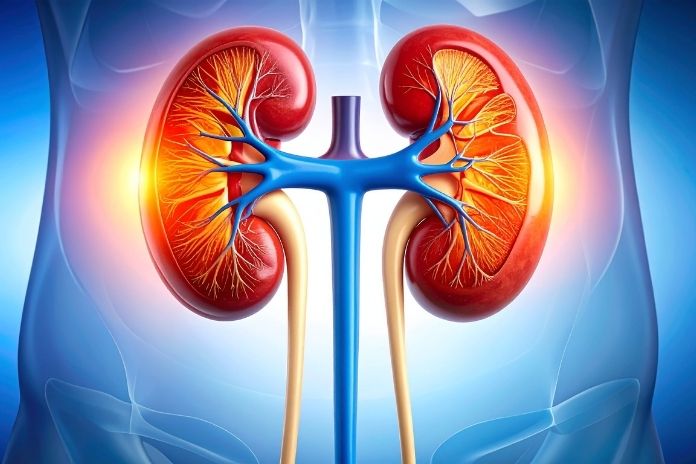
- Most people with Stage 2 CKD don’t need to restrict potassium if levels are normal.
- Early kidneys usually maintain potassium balance effectively.
- Focus on portion control, regular monitoring, and a balanced diet instead of eliminating nutrient-rich foods.
Many persons with Stage 2 CKD are immediately advised to avoid foods high in potassium, kidney disease early stage, such as potatoes, bananas, and spinach, in the early stage of kidney disease. This advice often leads to confusion and unnecessary anxiety about eating. In fact, not everyone with stage 2 kidney disease needs to restrict potassium.
In fact, understanding your individual potassium levels Stage 2 CKD depends on is key. Most people still have reasonably stable kidney function at this stage (usually indicated by an eGFR of 60–89), and regular kidney function monitoring helps establish whether potassium intake needs to be adjusted. Things like your general health and medications also influence your hyperkalemia risk in stage 2 CKD.
This article will explain what Stage 2 CKD actually entails, whether potassium restriction is appropriate, when monitoring is required, and how to incorporate foods high in potassium into your diet properly. Additionally, we will discuss potassium levels in stage 2 CKD, hyperkalemia risk in stage 2 CKD, and useful dietary options based on 2026 health standards and current research.
Read More: Does C3 Glomerulopathy Lead to Kidney Failure? What the Data Shows
What Stage 2 CKD Actually Means for Your Kidneys
Understanding eGFR 60–89 and Mild Kidney Damage
Your estimated glomerular filtration rate (eGFR) in Stage 2 chronic kidney disease (CKD) ranges from 60 to 89. This indicates a little reduction in renal function. You might not experience any symptoms, though, because your kidneys can still filter your blood.
There are some things you may do to slow down kidney damage, even though it might not be reversible, such as maintaining a healthy diet, controlling blood pressure, and staying hydrated. Additionally, albumin, a major indicator of kidney impairment, may or may not be present in your urine.
Making healthy decisions is crucial to preventing kidney damage in Stage 2 CKD. You may progress to the latter phases of chronic kidney disease (CKD) if your kidney damage worsens.
Why Potassium Balance Usually Remains Normal in Early CKD
K+ homeostasis is typically well maintained until the glomerular filtration rate (GFR) drops below 15–20 mL/min in patients with chronic kidney disease (CKD), since the loss of nephron mass is typically offset by an adaptive increase in the secretion rate of K+ in remaining nephrons.
If patients do not decrease their caloric intake, more severe renal failure always leads to K+ retention and hyperkalemia. The incidence of hyperkalemia was found to be 55% (K+ ≥ 5.5 mEq/L) in a random sample of 300 CKD patients (serum creatinine concentration ranging from 1.5 to 6.0 mg/dL), excluding patients with diabetes and those taking medications that interfere with angiotensin-II production or action.
How Kidney Function Still Regulates Potassium at this Stage
Your kidneys have the ability to modify the amount of potassium that is eliminated through urine, even in cases of minor impairment. Potassium homeostasis is usually maintained without stringent dietary restrictions as long as kidney function monitoring yields stable results.
The Common Myth: “All CKD Patients Must Avoid Potassium”
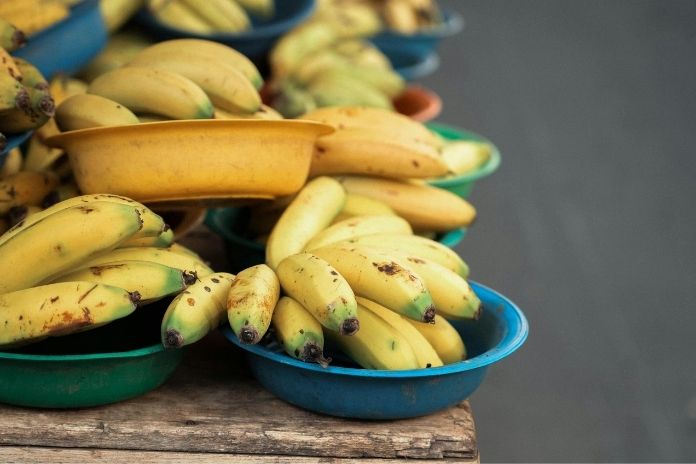
Not everyone with chronic kidney disease (CKD) has to restrict their intake of potassium. A lower potassium diet is typically recommended by a patient’s physician or dietician if they are receiving hemodialysis or have advanced renal failure but are not yet receiving dialysis.
Unless their test results are high, those on daily dialysis or early-stage chronic renal disease might need to consume more potassium. When CKD is initially diagnosed, the situation can be puzzling. To decide when their patients should begin restricting foods high in potassium in the early stage of kidney disease, physicians and nutritionists keep an eye on potassium lab results.
Reducing dietary consumption is necessary to prevent high potassium levels because, as kidney function deteriorates, more potassium is retained in the blood. Heart failure can result from consuming too much potassium. If someone is unsure, they can clarify a daily potassium goal and other dietary criteria with their dietitian and kidney doctor.
Read More: Polycystic Kidney Disease: Early Signs and Treatment Options
When Potassium Restriction Is NOT Usually Needed in Stage 2 CKD
For most individuals, a stage 2 CKD diet potassium does not require strict limitation if the following conditions are met:
- Normal potassium levels in stage 2 CKD.
- Steady renal function.
- No usage of drugs that alter potassium.
- No history of hyperkalemia risk Stage 2 CKD.
You probably don’t need to completely avoid foods high in potassium if these conditions are met.
Situations Where Potassium Intake May Need Closer Monitoring
Although early CKD potassium intake is generally safe, certain conditions may require more attention:
- Diabetes with inadequate blood sugar regulation.
- Decreased production of urine.
- Advancement to Stage 3 CKD.
- Potassium levels in blood tests are rising.
To avoid difficulties in these situations, your doctor could advise modifying your Stage 2 CKD diet guidelines.
High-Potassium Foods People Often Avoid Unnecessarily
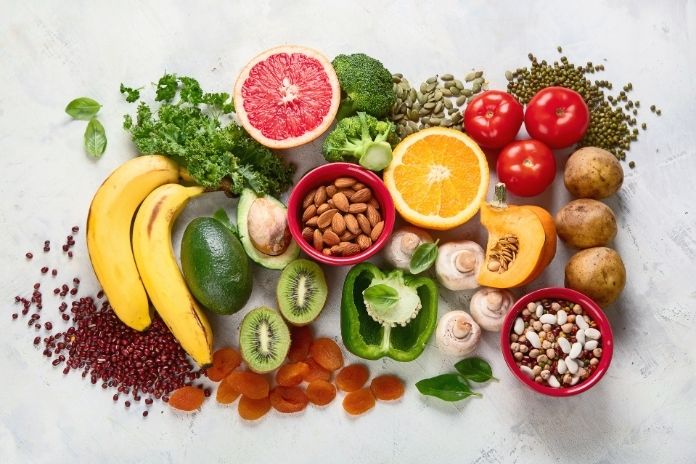
Not everyone with kidney issues needs to cut back on high-potassium foods, and cutting back on high-potassium foods won’t help you if you don’t need to. Bananas should only be consumed once or twice a week if you’ve been told to eat fewer foods high in potassium.
However, you can eat bananas as part of a balanced, healthful diet if you haven’t been told to cut back on foods high in potassium. Potatoes don’t need to be double-boiled. Boiling potatoes once in lots of water is sufficient if you’ve been told to eat fewer foods high in potassium. Just remember to empty and dispose of the water.
You should only reduce the amount of potassium in your diet if a kidney doctor has recommended it. If not, you should eat a balanced, diversified diet that includes at least five servings of fruits and vegetables each day.
Foods high in potassium assist in controlling blood pressure and lessen the negative effects of sodium. Given that hypertension is a major contributor to the advancement of CKD, this step is particularly crucial.
Concentrate on portion management rather than eliminating certain meals. This is in accordance with current Stage 2 CKD diet guidelines, which place more emphasis on balance than restriction.
Read More: Kidney Stones: Why They Happen and How to Prevent Them
Why Potassium Can Be Helpful in Early CKD
Potassium is not only safe to eat, but it can also be good for you, as it helps to regulate fluid balance and supports heart health, which is particularly beneficial for individuals with early CKD.
Controlling Blood Pressure: One of the main goals of treating chronic kidney disease (CKD) is to lower blood pressure. This is done by potassium’s ability to balance out sodium.
Less Salt Effects: Eating a lot of potassium helps keep your heart healthy by lowering the adverse effects of too much salt.
Cardiovascular Protection: Heart disease is one of the biggest problems with CKD. Eating foods high in potassium lowers the risk and improves the health of blood vessels.
Muscle and Neuron Function: Potassium is an important nutrient for overall health because it is necessary for healthy muscle contractions and neuron transmission.
How to Safely Include Potassium in a Stage 2 CKD Diet
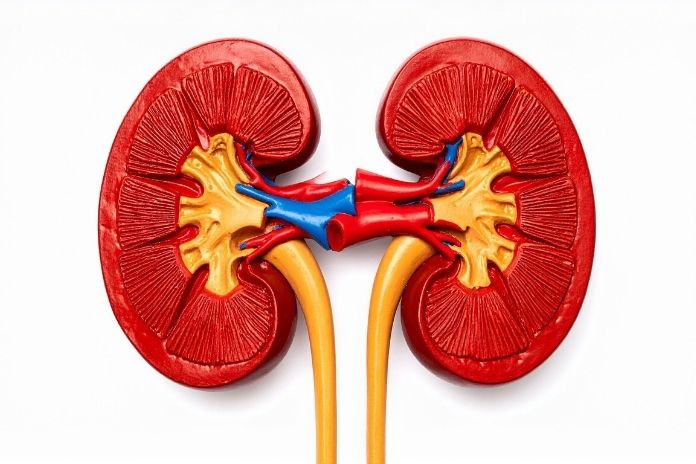
The solution to the question of whether Stage 2 CKD should avoid potassium is intelligent inclusion rather than exclusion.
- Pay attention to balanced servings
- Consume potassium at different times of the day
- Mix foods that are high and low in potassium
- Eat fewer processed meals that include potassium additions
Signs Your Potassium Levels May Be Too High
Elevated potassium could result in:
- Weakened muscles
- Irregular heartbeat
- Chest discomfort
- Vomiting or nausea
- Numbness or tingling
- Exhaustion
- Breathing difficulties
- Palpitations
- Weak or sluggish pulse
- Abrupt collapse (in extreme situations)
Read More: Back Pain vs. Kidney Pain: How to Tell the Difference
How often should potassium levels be checked in Stage 2 CKD?
The First Step in Treatment:
- Check potassium levelsone to two weeks after starting or changing potassium supplementation to make sure you get a positive response and don’t overcorrect.
- People who are taking potassium-sparing diuretics like triamterene, amiloride, and spirolactone should have their potassium levels checked every five to seven days until they are stable.
- After starting furosemide or another loop diuretic, check your potassium levels three days later, then again after a week, and then every month for the first three months.
Step of Keeping Up:
- Check again after three months and then every six months once the potassium levels are stable.
- Always check potassium levels, blood pressure, and kidney function at the same time.
Different Situations That Need More Frequent Monitoring:
- People with diabetes, heart failure, or chronic kidney disease should start or increase their RAAS inhibitors (ACE inhibitors, ARBs, and aldosterone antagonists) within seven to ten days.
- Patients who have a lot of other health problems (like CKD, diabetes, or heart failure) or a history of hyperkalemia need to be watched more closely.
- People who take digoxin should be watched closely because low potassium levels make digitalis poisoning more likely.
Sample Day of Potassium-Balanced Eating for Stage 2 CKD
A balanced Stage 2 CKD diet potassium plan can look like this:
- Breakfast is oatmeal with almonds and banana slices (use banana in moderation)
- Lunch is a salad of grilled chicken, tomatoes, spinach, and olive oil
- Dinner is roasted vegetables, lentils, and brown rice
- Snacks include a handful of nuts, apple slices, or yogurt
This plan shows that foods high in potassium such as those in the early stage of kidney disease, can still be included healthily.
When to Talk to a Doctor or Renal Dietitian

You probably depend on information from your renal dietitian daily, regardless of whether you are receiving dialysis, have a kidney transplant, or are in the early stages of kidney disease. Specialists in food and nutrition for those with kidney illness are known as renal dietitians.
To keep you as healthy as possible, your nutritionist collaborates closely with the other members of your care team. A dietician should be consulted if a person progresses from Stage 2 to Stage 3 kidney failure or from Stage 3 to Stage 4, particularly if they have severe proteinuria or other related disorders like high blood pressure.
Occasionally, a patient might determine exactly what caused their potassium level to rise by looking at a handout titled “High Potassium Foods.” If you wish to safely switch to a plant-based diet for CKD, you must also see a nutritionist.
Read More: Can the Kidneys Repair Themselves? What Science Says
Conclusion
Most people on a Stage 2 CKD diet potassium plan don’t need to cut back on potassium unless their blood levels are high or they have certain risk factors. At this early stage, the kidneys can usually keep a normal potassium balance, so a diet with more variety and nutrients is possible.
Instead of cutting out healthy foods, focus on balance, controlling how much you eat, and checking in often. If you have Stage 2 CKD (chronic kidney disease), you should get your potassium levels checked often. This will help you make healthy food choices.
By working closely with a doctor or renal dietitian, you can keep your overall health and kidney health without having to limit the foods you eat.
References
- American Kidney Fund. (2025, January 29). Stage 2 chronic kidney disease (CKD): Causes, symptoms, and treatment
- Healio. (June 10, 2016). Potassium homeostasis in chronic kidney disease.
- Sara Colman, RDN, CDCES. (May 25, 2008).
- KSOSN. (2024, December 18). High potassium diets to avoid if you have chronic kidney disease (CKD)
- Dr.Oracle. (2025, November 20). How often should potassium levels be rechecked in patients
- Wichita Nephrology Group. What should I know about stage 2 Chronic Kidney Disease?
- Kidney Care UK. (2023, November 27). Kidney-friendly diet facts
- Fresenius Kidney Care. Know which foods are high in potassium.
- DaVita Kidney Care. 1 reason to see a dietitian for chronic kidney disease.
- Kidney Nutrition Institute. When should someone with CKD see a dietitian?
In this Article