



















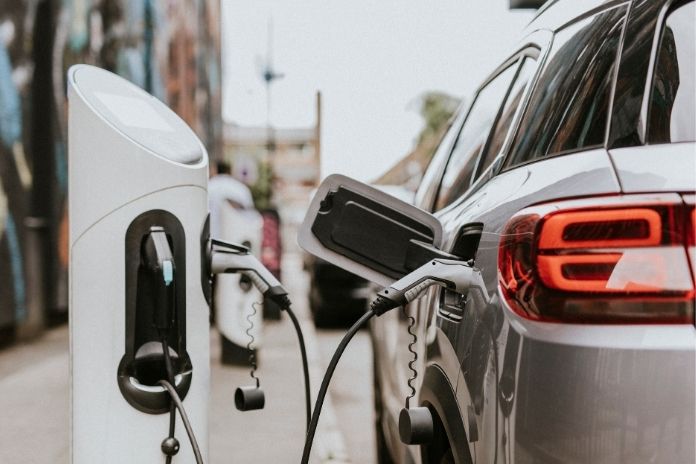
- Electric car motion sickness is caused by sensory mismatch. The brain gets mixed signals from vision and the inner ear balance
- Smooth acceleration in EVs and regenerative braking, not motion sickness, explains why EVs feel different than petrol cars.
- Simple motion sickness prevention tips reduce electric vehicle nausea and improve the EV driving experience.
People often say the electric vehicle has a much smoother, quieter, and more refined ride compared to a traditional car, and they do. But as people spend increasing amounts of time driving them, there has been a surprising emergence of one alarming issue: electric car motion sickness.
More concerning is that even drivers with no history of car sickness are now reporting symptoms of motion sickness while driving an electric vehicle. This has raised a broader question among those experiencing this issue: why do electric cars cause motion sickness?
The simple answer is that electric vehicles do not cause motion sickness because they are worse; rather, they operate in a way that feels very different from a traditional automobile. These new sensations can confuse the body’s motion-sensing system.
However, with a better understanding of the relationship between EVs and motion sickness, preventing or managing electric car motion sickness becomes much easier. In this article, let us learn more about motion sickness caused by EVs.
Read More: 13 Possible Cures For Motion Sickness While Travelling
What Is Electric Car Motion Sickness?

Electric car motion sickness refers to nausea or discomfort linked specifically to the EV driving experience. It is still motion sickness at its core, but the triggers are slightly different from what people are used to in petrol or diesel cars.
How It Differs From Regular Car Sickness
With conventional vehicles, your brain picks up different signals, such as engine noise, vibration, and gear shifts, to help it understand how the car is moving. These signals give your body a way to predict what will happen next. Electric vehicles do not have most of these signals.
The ride is defined by smooth EV acceleration, minimal vibration, and very little sound. While this may seem like a better way to travel, the lack of signals can make it harder for your brain to process motion correctly. That’s why passenger nausea in cars can feel more noticeable in EVs, even though the ride itself is technically smoother.
How Common Is It?
As EV adoption increases, so do reports of electric vehicle nausea. While research is still developing, many drivers and passengers agree that the discomfort is more noticeable during the first few rides and tends to improve over time. It’s not just about the car; it’s also about how familiar your brain is with this new type of motion and overall EV driving experience.
Why Do Electric Cars Cause Motion Sickness?
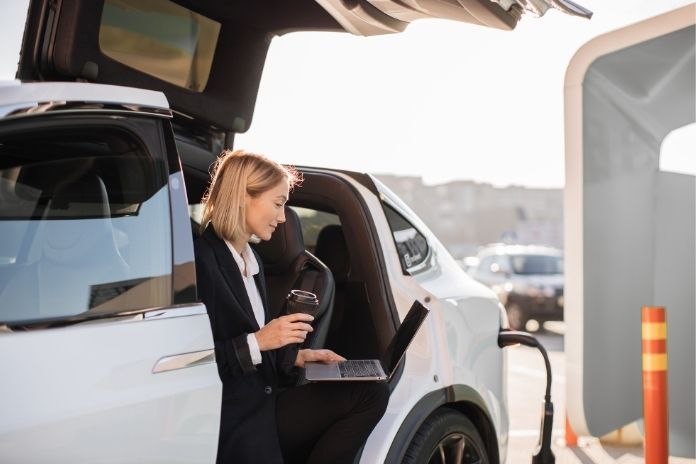
To understand why EVs feel different than petrol cars, you need to look at how your body processes movement.
Regenerative Braking Feels Different
A major factor is regenerative braking motion sickness. In EVs, lifting your foot off the accelerator slows the car down automatically. This creates a continuous deceleration instead of a clear “press brake and slow down” action.
For your brain, this can feel unpredictable. The body senses that it is slowing down, but without the usual cues, it struggles to match what is happening. This mismatch can lead to discomfort and contribute to electric vehicle nausea.
Smooth and Silent Acceleration
EVs remove many of the sensory signals you normally rely on. There is no engine revving, no gear shifts, and very little vibration. This quiet, seamless movement means your brain has fewer clues to anticipate motion. That lack of feedback is one of the key reasons behind electric car motion sickness.
Instant Torque and Sudden Movement
Accelerating an electric car is very responsive. When the accelerator is pressed, the car reacts instantly, even with a slight push. For drivers, this feels smooth and controlled. However, for passengers, especially those not watching the road, it can feel sudden and unexpected.
This difference creates a mismatch that can lead to EV motion sickness symptoms, especially in traffic or stop-and-go driving conditions.
Screens Make It Worse
Modern EV interiors are built around screens. Whether it’s navigation, entertainment, or simply using a phone, passengers often focus on something inside the car. This is where electric vehicle nausea becomes worse. Your eyes see something still, while your body feels motion. That disconnect increases discomfort quickly and adds to passenger nausea in cars.
The Science: Sensory Conflict
The main explanation comes from the sensory conflict theory. Your body uses three systems to understand movement:
- Vision (what your eyes see)
- The vestibular system (your inner ear balance)
- Body awareness (how your muscles and joints feel)
When these systems do not agree. For example, when your inner ear balance detects motion but your eyes are fixed on a screen, the brain becomes confused. This mismatch is what causes nausea, dizziness, and other symptoms.
EVs, because of their smoothness and reduced motion cues, tend to amplify this effect and increase the chances of electric car motion sickness.
Read More: 15 Healthy Road Trip Snacks That Keep You Full, Energized, and Comfortable
Symptoms of Electric Car Motion Sickness

Symptoms of EV-related motion sickness may vary depending on a person’s sensitivity, but they are similar to other types of motion sickness. In many ways, this can feel surprising because the ride itself is usually smooth.
Common EV motion sickness symptoms include nausea, dizziness, excessive sweating, headaches, and extreme fatigue. Some people may also experience increased saliva production or a general feeling of discomfort. In more severe cases, vomiting can occur. For many individuals, these symptoms develop gradually over time, especially during longer trips.
Who Is More Likely to Experience It?
Certain individuals are more sensitive to changes in motion. Children, whose sensory systems are still developing, are more likely to experience motion sickness. People who already have a history of motion sickness may also notice stronger symptoms in EVs.
Pregnant women may be more sensitive due to hormonal changes. Rear-seat passengers are often more affected because they cannot clearly see the road ahead. Another important factor is screen use. People who spend more time looking at devices during travel are more likely to experience passenger nausea in cars.
Read More: 10 Essential Oils For Nausea That Work Wonders
How to Prevent Motion Sickness in Electric Cars

The best motion sickness prevention tips focus on helping your brain and body stay in sync.
Sit in the Front Seat: Sitting in the front seat can make a big difference because it gives you a clear view of the road.
Look Outside, Not at Screens: Looking outside, especially at distant objects or the horizon, helps your brain process both visual and physical signals together.
Adjust Driving Style: Driving style also plays an important role. Smooth acceleration and gradual braking reduce sudden movement. If your EV allows it, lowering regenerative braking can create a more natural driving feel and reduce regenerative braking motion sickness.
Use Fresh Air or Ventilation: In addition, fresh air can help, so opening a window or using air conditioning is beneficial.
Eat Light: Eating a light meal instead of a heavy one before travel can also reduce the chances of feeling sick.
Remedies for Electric Car Motion Sickness
Natural Remedies
If symptoms still occur, several car sickness remedies can help. Natural options such as ginger and peppermint are commonly used to reduce nausea. Some people also find relief with acupressure wristbands.
Over-the-Counter Medications
For stronger symptoms, over-the-counter medications such as antihistamines or motion sickness tablets may be useful. However, they should be taken carefully, as they can cause drowsiness.
Tips for EV Drivers to Reduce Passenger Discomfort
Drivers play a key role in shaping the EV driving experience. Gentle pedal control, steady speeds, and avoiding sudden stops can make a noticeable difference. Even small adjustments, such as easing into acceleration or informing passengers before braking, can reduce passenger nausea in cars and improve comfort for everyone.
Do Electric Cars Cause More Motion Sickness Than Petrol Cars?
Electric vehicles do not necessarily cause more motion sickness; they simply trigger it differently. Traditional cars provide more physical and sound signals, which help the brain understand motion. EVs remove many of these signals and introduce new ones, such as regenerative braking and instant torque.
This is why many people ask, “Why do electric cars cause motion sickness?” It is mainly due to these unfamiliar motion patterns and differences in how EVs feel different than petrol cars.
Can You Get Used to Electric Car Motion Sickness?
Yes, most people do adjust over time. The brain is highly adaptable. With repeated exposure, it learns how to interpret the smoother motion of EVs. Over time, the sensory mismatch decreases, and symptoms of electric vehicle nausea often fade.
Read More: Dizziness Decoded: Causes, Symptoms, and 10 Proven Treatments
Quick Summary
Electric vehicles feel different because they are smoother, quieter, and use features like regenerative braking. These changes can confuse the brain and create a mismatch between what you see and what you feel. This mismatch is the main cause of electric car motion sickness.
Simple steps like sitting in the front seat, looking outside, avoiding screens, and following basic motion sickness prevention tips can help reduce symptoms. Over time, most people adapt to the EV driving experience, making travel more comfortable and enjoyable.
References
- Supa Quick. (n.d.). A guide to regenerative braking in electric vehicles.
- Centers for Disease Control and Prevention. (n.d.). Motion sickness.
- NDTV. (2025). Can travelling in an electric car worsen motion sickness?
- Zhang, Y., et al. (2025). Do electric vehicles induce more motion sickness than fuel vehicles? A survey study in China. ResearchGate.
- ConsumerAffairs. (2025). Electric cars are on the rise, and so is motion sickness.
In this Article