
















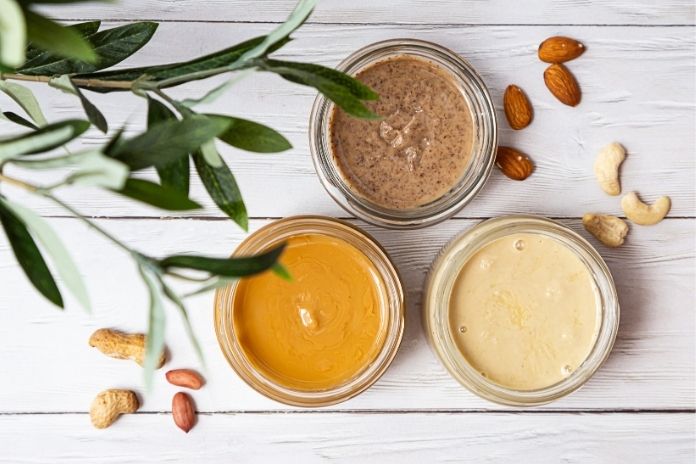
- Nut butter can support gut health, but only when it is minimally processed (as it provides healthy fats, fiber, and antioxidants that indirectly support gut health) and eaten in moderation, as it is nutrient-dense but also calorie-dense, so small portions within a balanced diet determine whether it helps or stresses digestion.
- Most commercial options add sugars, refined oils, and emulsifiers, which can turn a healthy food into something closer to a dessert spread (not healthy)
- The real benefit comes from whole-food compounds like fiber and polyphenols, not just fat.
Nut butter today is almost everywhere. Morning smoothie, gym snack, diet toast, even late-night spoon eating. People say it is healthy fat for gut health, good for the heart, good for digestion, and good for everything. But this “healthy” tag is a little oversimplified. Because what sits inside that jar is not always the same thing our body is expecting.
Some nut butters really support digestion and overall health. Some others quietly behave like dessert in disguise. Same label, very different impact.
So the question is not just: are nut butters or peanut butter for gut health healthy? The real question is, which nut butter, how it is made, how much, and how it interacts with your gut system?
Why Nut Butters Got This “Healthy” Image
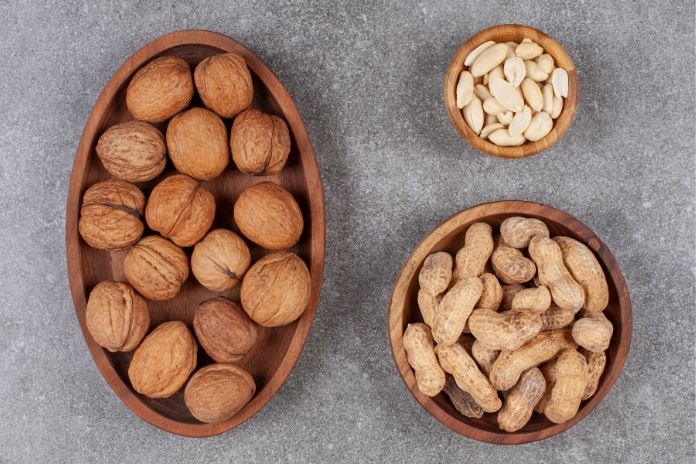
Nuts themselves are genuinely nutritious. When crushed into butter, most of those nutrients still stay. That is where this whole healthy reputation comes from.
Inside basic nut butter, you get unsaturated fats. These fats are linked with better heart health and also play a role in reducing low-grade inflammation. Not directly, but gut medicine indirectly helps the gut environment stay stable.
There is also plant protein. Not very high like pulses, but enough to support satiety. Then comes fiber, not a huge amount, but still useful. Especially almond butter and peanut butter have small amounts of fiber that feed gut bacteria slowly.
Also vitamins like vitamin E, magnesium, and some antioxidants are beneficial. These compounds matter more than people think. Because gut health is not only about bacteria, it is also about inflammation, oxidative stress, and immune signaling. Nuts influence all three. So yes, nut butter can be healthy. But this is only the first layer of truth.
Fat Is Not the Enemy, But It Changes How Your Gut Behaves
People often think fiber is highly important for digestion. But fats also play a role, just in a different way. When you eat fat, digestion slows down. Food stays longer in the stomach. This can be good, gives steady energy, and avoids sudden sugar spikes. But it also means if you eat too much, you may feel heavy or bloated.
Healthy fats for digestion also help absorb fat-soluble vitamins like A, D, E, and K. Without enough fat, even a good diet may not fully work.
Now, coming to the gut microbiome. Research shows that the type of fat matters. Unsaturated fats, like those in nuts, tend to support a more balanced microbial environment compared to highly processed fats. But again, the effect is moderate, not magical. So, nut butter is not a “gut healer.” It is more like a supportive background player.
When Nut Butter Actually Supports Gut Health
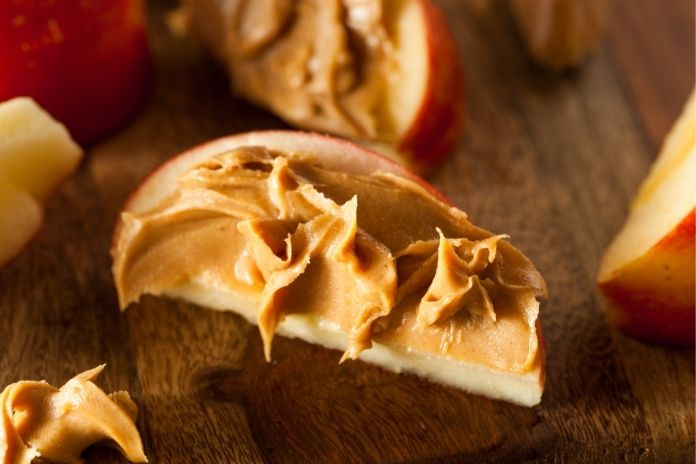
This is the version people imagine, and sometimes it is true. Nancy Clark, a nutritionist, says: “None of the nuts in them can be labeled bad for your health, and something positive can be said about every single one of them. I think they’re actually one of the best diet foods around because you can put it on bread or crackers, and they’re really satiating. It stays with you so you’re not looking around for cookies or some other empty-calorie junk food.”
1. Minimal Ingredient Nut Butters
First condition: minimal ingredients. Just nuts. Maybe salt. No emulsifiers. No added oils. No sweeteners. That’s all. Less processing means less disruption of the natural fat structure. No additives means lower risk of gut irritation or altered microbiome response. Many people complain of bloating with nut butter. Often, it is not the nut; it is the additives.
2. Fiber with Polyphenols Means Real Gut Benefit
Nuts contain compounds most people ignore:
- Polyphenols – plant chemicals that act as fuel for beneficial gut bacteria
- Prebiotic fiber – especially in almonds and pistachios
These compounds reach the colon and interact with the gut bacteria. Especially almonds and walnuts have compounds that bacteria can use.
3. Satiety Without Spikes
The third point is satiety. Nut butter makes you feel full faster. So indirectly, it may reduce overeating of ultra-processed snacks. That itself helps gut health more than the nut butter directly. Also, the chewing factor. Even though it is soft, nut butter still requires slow eating. People who eat it mindfully tend to eat less junk overall. So here, nut butter is not acting alone. It works because it replaces worse options.
The Hidden Problem: When “Healthy” Nut Butter Becomes a Gut Stress
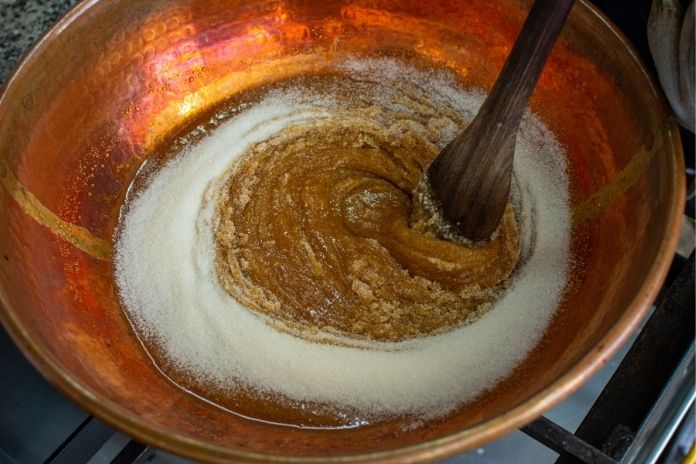
This is where things change. Walk into any store, and most nut butter jars are not just nuts. They come with added sugar, palm oil, emulsifiers, and flavoring agents. Some even have chocolate swirl, caramel taste, and protein enrichment.
1. Added Sugar: The Silent Shift
Now this is no longer the same food. Added sugar is the first issue. Sugar in small amounts is good. But frequent intake, especially hidden in “healthy” foods, feeds less desirable gut bacteria. It can disturb balance over time.
2. Added Oils (Especially Seed Oils)
The second issue is added oils. Many brands add refined vegetable oils to improve texture. This changes the fatty acid profile. Instead of natural fat from nuts, you now have an industrial processed fat mix. The body handles this differently.
3. Ultra-Processing Changes the Equation
Third is emulsifiers. These chemicals help keep oil and solids together. But some studies suggest they may affect the gut lining and microbiota composition. Not extreme damage, but not neutral either. So one jar labeled “almond butter” can behave very differently from another.
Portion Size: The Quiet Factor Nobody Talks About
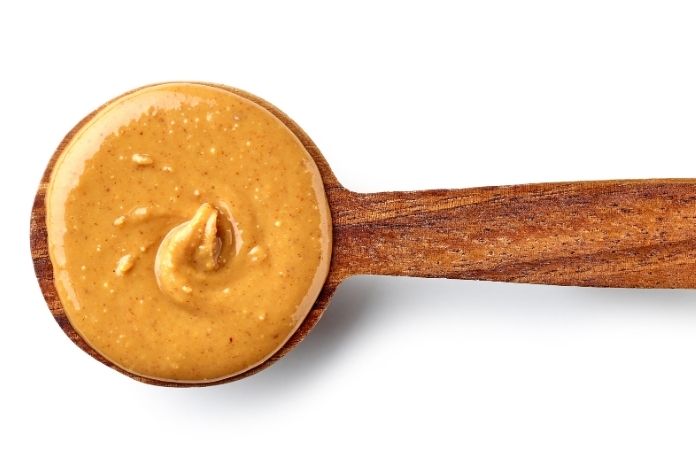
This part is mostly ignored. Nut butter is calorie-dense. One tablespoon looks small but carries significant energy. Two tablespoons easily become four when eating casually.
Now, excess fat intake, even healthy fat for gut health, can overload digestion. The gut has to release more bile and enzymes. For some people, this leads to discomfort, heaviness, loose stools, or sluggish digestion.
Also, high calorie intake without noticing can lead to weight gain. And body fat itself is linked with low-grade inflammation, which again impacts the gut environment. So even the best quality nut butter, if eaten too much, stops being helpful. Moderation is not just diet advice here; it actually changes gut response.
Peanut Butter vs. Almond Butter: Which One Wins?
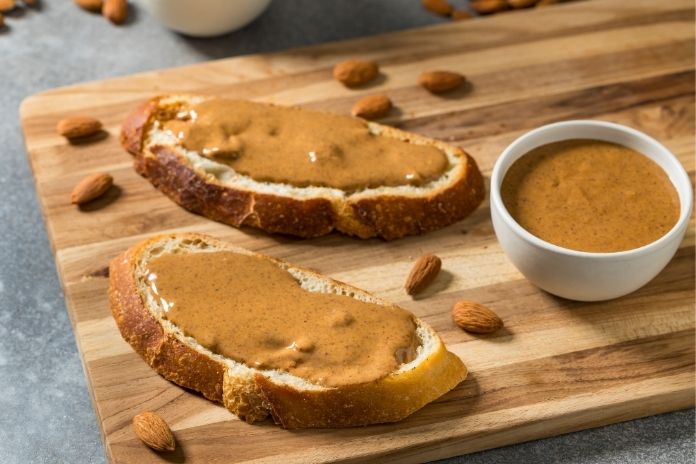
People often wonder how to choose healthy nut butter and try to rank peanut butter vs. almond butter nutrition, like one is “good” and the other is “bad.” Peanut butter is affordable, widely used, and has good protein content. But commercial peanut butter is often highly processed. Sugar and hydrogenated oils are very common additions.
Natural peanut butter (only peanuts) is still a decent option. But quality matters a lot. Almond butter has a slightly better micronutrient profile. More vitamin E, magnesium, and some fiber advantage. Also less likely to be heavily processed compared to mass peanut butter brands. “One ounce of almonds contains about 50% of the daily value of vitamin E, which studies show can possibly reduce the risk of heart disease, and the antioxidant works to support healthy skin and hair,” Ruth Frechman, a nutritionist, says.
But the difference is not huge. Cashew butter is smoother and has lower fiber. Walnut butter has more omega-3 fats but is less commonly available. Pistachio butter is rich but often expensive and sometimes sweetened.
So no single winner. A better approach is rotation. Different nuts bring slightly different compounds. That diversity may benefit the gut more than sticking to one type.
Omega-6 Fats: Real Problem or Overhyped Fear?
Many people say nut butter is high in omega-6 fatty acids and, therefore, inflammatory. This is a half-truth. Yes, nuts contain omega-6 fats. But in natural form, along with fiber and antioxidants. The body handles this differently than isolated oils.
The problem comes when the diet overall is heavily tilted towards omega-6 and low in omega-3. For example, a high intake of fried foods, packaged snacks, refined oils, and nut butter.
In that case, imbalance can promote inflammation. But if your diet also includes omega-3 sources like flaxseed, walnuts, or fish, then nut butter is not a problem. So, again, context matters more than a single food.
Ultra-Processing: The Real Divider
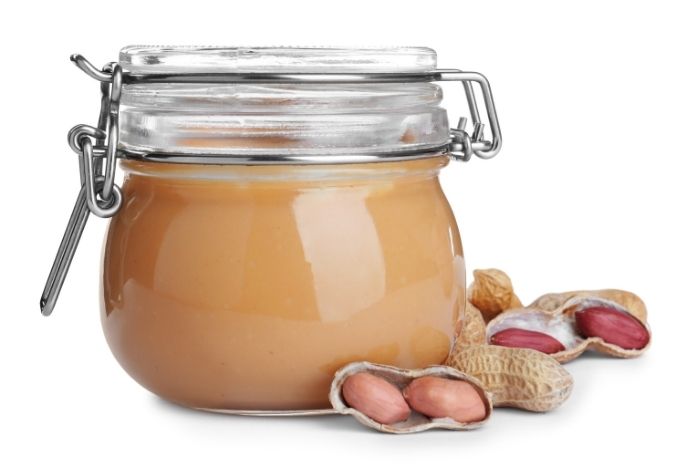
Instead of focusing only on fat type, it’s better to ask, how processed is this nut butter?
Natural nut butter: Just roasted or raw nuts ground into a paste. Oil separation happens. The texture is uneven. Needs stirring. This is closer to the original food.
Ultra-processed nut butter: Uniform texture, no separation, long shelf life, and added flavor. This is an engineered product.
The gut microbiome responds differently to these two. Whole and minimally processed foods generally support microbial diversity. Ultra-processed foods tend to reduce it over time. So two spoons of “nut butter” can send very different signals inside the body.
How to Choose a Gut-Friendly Nut Butter (Without Overthinking Too Much)
Simple rules work better than complicated nutrition charts.
1. Read Ingredients (Properly)
First, read the ingredients. If it says only nuts and maybe salt, it is good. If the list becomes long, it’s better to avoid it.
2. Ignore Texture Bias
Second, expect oil separation. Many people think it means bad quality. Actually, the opposite; it shows no stabilizers added.
3. Avoid “Fitness Marketing”
Third, ignore fancy labels like “protein boost,” “fitness spread,” and “chocolate nut fusion.” These are usually more processed.
4. Freshness Matters
Fourth, taste matters. If it feels too sweet or dessert-like, it probably is.
5. Buy A Smaller Quantity If Possible
Freshness matters. Old nut butter can oxidize and lose quality. No need to chase perfection. Just avoid obvious bad ones.
Read More: Are Peanut Butter and Jelly Sandwiches Healthy? Nutrition, Pros, and Cons
Simple Ways to Use Nut Butter Without Harming Your Gut
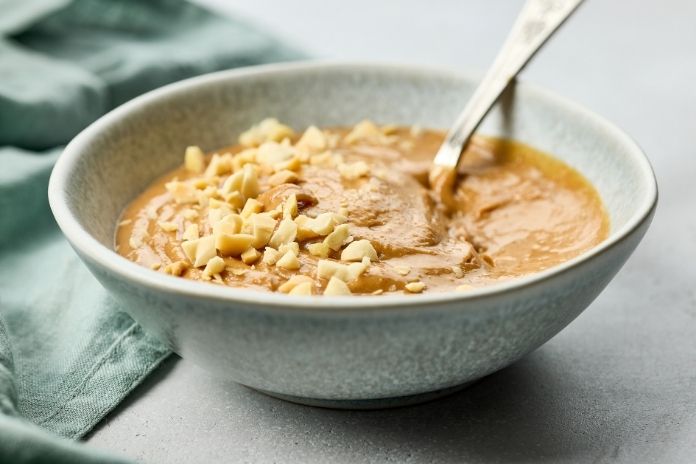
Pairing matters more than people think. When you eat nut butter with fiber-rich foods like apples, oats, or whole-grain bread, digestion becomes more balanced. Fiber slows down fat absorption and supports gut bacteria.
Eating it alone in large quantities is a different experience. Also, spreading a thin layer instead of a thick scoop helps control portions without feeling restricted. Mixing a small amount in meals works better than using it as the main component. And rotating types occasionally gives a variety of nutrients.
These small adjustments change how the body reacts.
Read More: What Happens to Your Body When You Eat Peanut Butter Every Day
When Nut Butter May Not Be Ideal

Not everyone feels good with nut butter. Some people experience bloating or heaviness after eating high-fat foods. In such a case, reducing quantity or frequency helps. Nut allergies are an obvious reason to avoid them.
Certain digestive conditions may require a low-fat diet temporarily. In those cases, nut butter may not suit. Also, if someone is trying strict calorie control, frequent nut butter intake may make it difficult to maintain. So even healthy food is not universal.
Read More: What Is the Healthiest Type of Butter? Nutrition, Benefits & Best Options Explained
Final Thoughts: Healthy, But Only in the Right Form
Nut butter is not fake health food. It has real nutritional value. But its reputation today is slightly exaggerated because of marketing and overuse. The difference between the helpful and harmful versions is not small; it is quite large.
Natural, minimal ingredient, and moderate quantity, this version can support the overall diet and indirectly help the gut. Processed, sweetened, and overconsumed, this version behaves closer to dessert than health food.
So instead of asking, “Is nut butter healthy?” a better question is, “Is this jar of nut butter close to real food or far from it?” That answer decides everything.
- The “healthy fat for gut health” label is too broad to be useful
- Gut response depends on processing level, not just nutrient content
- Portion size is a metabolic trigger, not just a calorie concern.
- The omega-6 discussion is incomplete without a diet context
- Nut butter is not probiotic or prebiotic in the classic sense
FAQs
1. Are nut butters actually healthy or just marketed as healthy?
They can be healthy, but only in a specific form. Natural nut butter with minimal ingredients retains the benefits of nuts, like healthy fats for gut health and some fiber. But many commercial versions are closer to processed spreads due to added sugar and seed oils in nut butter.
2. Is peanut butter inflammatory for the gut?
Peanut butter for gut health itself is not automatically inflammatory. Natural peanut butter in moderate amounts is generally good. The problem comes when it contains added sugar or hydrogenated oils or when the overall diet is already high in processed foods. Inflammation is usually a result of a total diet pattern, not one food.
3. Which nut butter is best for gut health?
No single best option. Almonds, peanuts, and walnuts all have slightly different nutrient profiles. A more useful approach is choosing minimally processed versions and rotating types.
4. Can nut butter cause digestive issues?
Yes, in some people. High fat content can slow digestion and may cause heaviness, bloating, or discomfort if eaten in large amounts. Also, some individuals have sensitivity to specific nuts.
5. How much nut butter is safe to eat daily?
For most people, around one to two tablespoons per day is reasonable. This amount provides benefits without overloading digestion or calories.
References
- Creedon, A. C., Hung, E. S., Berry, S. E., & Whelan, K. (2020). Nuts and their Effect on Gut Microbiota, Gut Function and Symptoms in Adults: A Systematic Review and Meta-Analysis of Randomised Controlled Trials. Nutrients, 12(8), 2347.
- Department of Health & Human Services. (2021, August 24). Nuts and seeds. Better Health Channel.
- Luo, C., Wei, X.-C., Song, J., Xu, X., Huang, H., Fan, S.-H., Zhang, D.-K., Han, L., & Lin, J.-Y. (2022). Interactions between Gut Microbiota and Polyphenols: New Insights into the Treatment of Fatigue. Molecules, 27(21), 7377–7377.
- Miclotte, L., De Paepe, K., Rymenans, L., Callewaert, C., Raes, J., Rajkovic, A., Van Camp, J., & Van de Wiele, T. (2020). Dietary Emulsifiers Alter Composition and Activity of the Human Gut Microbiota in vitro, Irrespective of Chemical or Natural Emulsifier Origin. Frontiers in Microbiology, 11.
- Rajaram, S., Damasceno, N. R. T., Braga, R. A. M., Martinez, R., Kris-Etherton, P., & Sala-Vila, A. (2023). Effect of Nuts on Markers of Inflammation and Oxidative Stress: A Narrative Review. Nutrients, 15(5), 1099
- Thomas, R., & Gebhardt, S. E. (2010). Sunflower Seed Butter and Almond Butter as Nutrient-Rich Alternatives to Peanut Butter. Journal of the American Dietetic Association, 110(9), A52.
In this Article