



















- TRT is effective for men with real hypogonadism, especially for sexual health and bone strength.
- The TRAVERSE trial shows it does not increase major heart events in this group.
- But it is not an anti-aging solution, and it carries risks like blood thickening, fertility suppression, and rhythm issues. Proper diagnosis is everything..
Over the last 20 years, something interesting happened. Prescriptions for TRT (testosterone replacement therapy for heart safety) went up massively, more than 500% in some reports. Not because suddenly men became sicker.
But because marketing has changed. “Low T” became a kind of identity. Feeling tired? Low T. Not building muscle like before? Low T. Not interested in sex? Low T. Simple story, easy solution.
But the real situation is not that simple. For some men, those with properly diagnosed hypogonadism, TRT is not hype. It actually works, and it improves real biological problems. But for many others using it just to feel younger, the science is much more mixed and sometimes disappointing.
Then came one big study, the TRAVERSE trial. Large, serious, FDA-mandated. 5,000+ men. The question was clear: Does TRT damage the heart? People also wonder: Does TRT work? Is TRT safe for your heart? What about testosterone therapy side effects? What about TRT and cardiovascular risk? Does TRT increase heart attack risk? Should I get TRT for low testosterone?
Now we finally have an answer. But the answer is not “safe” or “unsafe” in a simple way. TRT benefits and risks depend on who you are. So first, understand what TRT is actually treating. Because that part decides everything after.
This article breaks down what testosterone replacement therapy (TRT) really does, who should consider it, and what the latest research, including the TRAVERSE trial, says about its effectiveness, heart safety, and potential risks.
Read More: 7 Heart-Healthy Habits You Can Adopt in Under 5 Minutes a Day
What TRT Is—And Who It’s Actually For

Hypogonadism vs. Age-Related Testosterone Decline – A Critical Distinction
Testosterone naturally goes down with age. Slow, steady. Around 1% per year after 30–40 years of age. This is normal biology. Not a disease. But hypogonadism treatment is a different thing. Here, the body is not able to produce enough testosterone properly; maybe it’s a problem in the testicles or maybe in brain signaling.
Levels drop below the normal range, and symptoms also come: low libido, fatigue, loss of muscle, and mood changes. Now confusion happens. A 55-year-old man is feeling low energy; is it aging or hypogonadism? Many times, it is just an aging and lifestyle issue (sleep, stress, weight). But TRT is often given anyway.
Medical guidelines are clear, but in real practice, they are not always followed strictly. Moreover, TRT does not “fix” the body. It replaces hormones from outside. Once started, the body reduces its own production. Testicles go quiet. So this is usually a long-term or lifelong decision, not a short experiment.
How TRT Is Delivered
TRT is not one thing; it comes in multiple forms. Some men use gels daily on their skin. Some take injections every 1–2 weeks. Patches also exist. Some even use pellets inserted under the skin.
Each method has pros and cons. Injections give higher peaks and drops. Gels are more stable but need daily discipline. But the main point is that the delivery method changes the experience, not the fundamental biology. External testosterone is still external.
What TRT Actually Does – Benefits the Research Supports

The Benefits With Genuine Evidence in Hypogonadal Men
When TRT is used in the right group, men with confirmed hypogonadism, the benefits are real. But even here, not magic. It improves some things clearly, some only a little, some not much. First, sexual function. This is the most consistent benefit.
Furthermore, libido improves. Erections improve somewhat, especially in mild cases. Satisfaction improves. This is where TRT works best. Muscle and body composition also change. Lean mass increases, and fat mass decreases a little. But not like a bodybuilding transformation. Gains are modest unless combined with training and diet.
Bone density improvement is actually one of the underrated benefits. Many people don’t think about it. But low testosterone is linked with osteoporosis risk in men. TRT improves bone strength, especially in the spine area. This matters long-term.
Mood and energy: this is where the expectation and reality mismatch happens. Many men expect “youthful energy return.” Some get it, yes. But not everyone. Response varies a lot. Some feel a big change. Some feel almost nothing.
So TRT is not a uniformly effective drug. It is more like a strong effect in a few areas, unpredictable in others. Important understanding: TRT is not a general “vitality booster.” It is targeted hormone correction.
The Heart Safety Question – What the TRAVERSE Trial Settled

Why the FDA Ordered a Safety Trial
Around 2013–2014, two studies came out and created panic. They suggested a higher risk of heart attack in men using TRT. The media amplified it heavily. Even though those studies had flaws, the concern became serious. In 2015, the U.S. Food and Drug Administration added TRT FDA warning labels and asked for proper safety trials. That trial became TRAVERSE.
What TRAVERSE Found
TRAVERSE was not a small study. Over 5,200 men, aged 45 to 80. All had confirmed hypogonadism and also high or existing cardiovascular risk. The main outcome they checked was something called major adverse cardiac events (MACE), basically heart attack, stroke, or cardiovascular death. TRAVERSE trial results: TRT was noninferior to placebo.
Simple meaning: it did not increase the risk of these major heart events compared to not taking TRT. This is a big result. Because for many years, this was unclear. Also, this aligns with multiple meta-analyses of randomized trials; overall, no clear increase in heart attacks or strokes in properly selected men. But this is not the full story.
3. The Important Caveat, What TRAVERSE Did Not Settle
TRAVERSE answers only one question: in older men with diagnosed hypogonadism, does TRT increase major cardiac events? Answer: No significant increase. But many people using TRT are not in this group. Men using it for gym performance, or anti-aging, or borderline testosterone are outside this data.
Also, TRAVERSE found some important signals:
- Higher cases of irregular heart rhythm (atrial fibrillation)
- More TRT blood clots in legs/lungs
- Some kidney-related issues
These did not increase overall testosterone or MACE cardiovascular events, but they are not small issues either. So the conclusion is not “TRT is fully safe.” It is more like “major heart attack risk not increased in correct patients, but other risks still exist and need monitoring.”
Real Risks That Remain – What Men Should Know
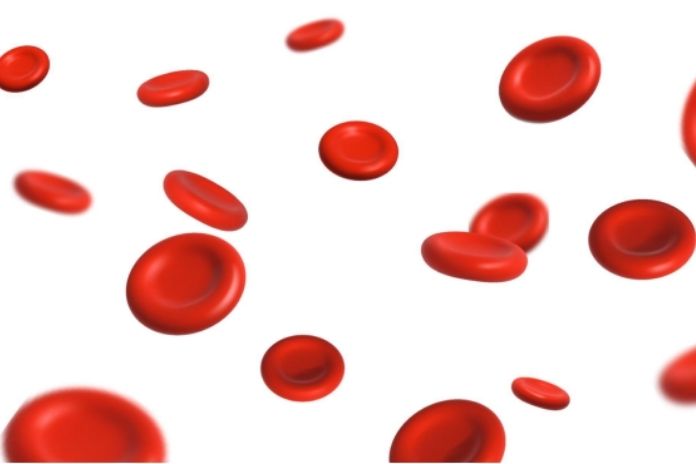
TRT is not harmless. Testosterone therapy side effects are well-documented. One common issue is TRT polycythemia, an increase in red blood cells. Blood becomes thicker. This can increase clot risk if not monitored. Regular blood tests are required, not optional.
Sleep apnea can worsen. Acne and oily skin can happen. Breast enlargement sometimes. Testicles shrink because the body stops their own production. Fertility is a major issue, but it is often ignored. TRT suppresses sperm production. Many men only realize this when trying for a child later. Recovery is possible sometimes, but not guaranteed, and takes time.
The prostate also comes into discussion. TRT does not seem to increase high-grade prostate cancer significantly, but it can stimulate prostate growth. Monitoring PSA levels is necessary. So overall, TRT requires medical supervision. Not something to self-manage casually.
Read More: Heart Disease Causes And Effects Due To Common Habits
Who Should and Shouldn’t Consider TRT
1. The Correct Clinical Pathway
Proper diagnosis is strict but often skipped. You need:
- Symptoms (low libido, fatigue, etc.)
- AND low testosterone confirmed on at least two morning blood tests
Not one test. Not an afternoon test. Not “almost low.” But many prescriptions today happen on a weaker basis. “It’s a good idea to see a doctor for a two-part blood test to confirm the diagnosis,” Dr. Kian Asanad, a urologist, says.
2. Who the Evidence Supports
In men with confirmed hypogonadism and symptoms, this is where TRT makes sense. The benefits are clear and risks manageable. For older men with just age-related decline, the evidence is weak. Some sexual benefit, maybe, but not strong for energy or general vitality. Men use it for performance or muscle, with no medical justification. Risk without proven benefit.
“While there are a variety of medications to treat low-T, not everyone is a candidate,” according to Dr. Charles Welliver, assistant professor of urology at Albany Medical College.
In men with active prostate cancer, TRT is contraindicated. Men planning children must think carefully. Fertility impact is real. So TRT is not a general wellness tool. It is a specific treatment for a specific condition.
Read More: Effective Sleeping Patterns Mitigate Risks Of Heart Disease
CONCLUSION
TRT is one of those treatments where hype ran ahead of science for many years. Now science is catching up. The verdict is quite clear but also uncomfortable. TRT works, but mainly for men who actually have hypogonadism. In that group, benefits are meaningful and consistent, especially for sexual health and bone density.
The TRAVERSE trial gives real reassurance that it does not significantly increase major heart events in these men. That is important clarity. But testosterone replacement therapy for heart safety is not a solution for normal aging. It does not reliably restore “youthful vigor.”
It carries real risks, blood changes, fertility suppression, and rhythm issues, which need proper monitoring. The correct first step is not treatment. It is a diagnosis. Two proper tests. Clear symptoms. Then the decision.
- TRT is one of the few therapies where diagnosis accuracy matters more than the drug itself; misdiagnosis completely changes the risk-benefit balance.
- The TRAVERSE trial TRT answered the heart attack/stroke question, but opened new questions on arrhythmia and clot patterns.
- Most low testosterone symptoms overlap with sleep issues, obesity, and stress. TRT may treat the symptom, not the root cause.
- Research gap: long-term effects beyond 5–10 years are still not well established, especially in younger users.
- There is a growing mismatch between clinical guidelines and real-world prescribing behavior, a major area of concern.
FAQs
1. Does TRT really make you feel young again?
Not consistently. Some men feel better energy and mood, but many do not. The strongest effect is on libido, not overall vitality.
2. Is testosterone replacement therapy safe for the heart?
For men with diagnosed hypogonadism, major heart risks like heart attack or stroke are not increased based on current evidence. But other risks like irregular heartbeat and clots still need attention.
3. How fast does TRT start working?
TRT libido and muscle mass change differently. Libido changes can appear in a few weeks. Muscle and body composition changes take months. Bone density takes longer.
4. Can TRT be stopped once started?
Yes, but the body’s TRT vs natural testosterone production may be suppressed. Recovery is variable and sometimes slow.
5. Should healthy older men take TRT for aging?
Current evidence does not support routine use for normal aging. Benefits are limited, and risks remain.
References
- Ory, J., Nackeeran, S., Balaji, N. C., Hare, J. M., & Ramasamy, A. R. (2022). Secondary polycythemia in men receiving testosterone therapy increases risk of major adverse cardiovascular events and venous thromboembolism in the first year of therapy. The Journal of Urology, 207(6), 1295–1301.
- Rizk, P. J., Kohn, T. P., Pastuszak, A. W., & Khera, M. (2017). Testosterone therapy improves erectile function and libido in hypogonadal men. Current Opinion in Urology, 27(6), 511–515
- Swanson, H. (n.d.). TRAVERSE.
In this Article