










Many people keep worrying about missing any early signs of breast cancer. The strange thing is that breast health is often not about immediately finding something unusual. It is about knowing what is actually normal for your own body first.
A lot of breasts look naturally lumpy. Some feel firm before periods. Some women even have one breast a little bigger than the other one. Some have areas that always feel thicker. Whenever people do not know their normal breast pattern, even a harmless change can create panic.
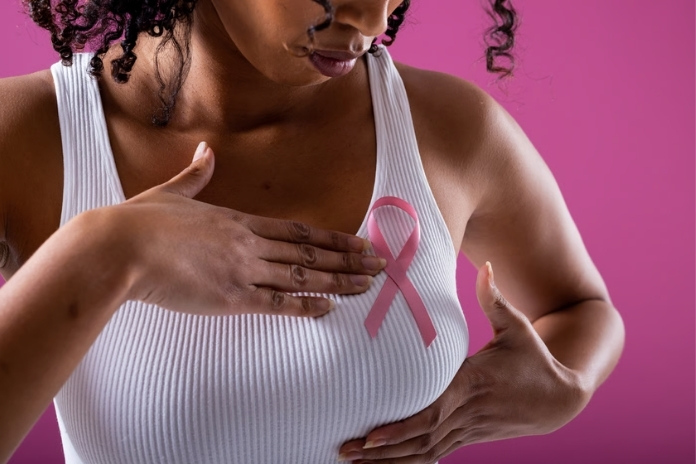
A breast self-exam can really help with that. It is never a replacement for mammograms, scans, or even doctor visits. But it can help you notice changes very early and understand your own breast tissue much better.
The goal is not to become your own doctor. The goal is to get familiar with your own body.
- A breast self-exam is never meant to diagnose breast cancer. Its main purpose is to help you get familiar with how your breasts look and feel normally.
- Many lumps and breast changes turn out to be non-cancerous.
- Self-awareness works best when combined with routine screening and medical care.
What Is a Breast Self-Exam?
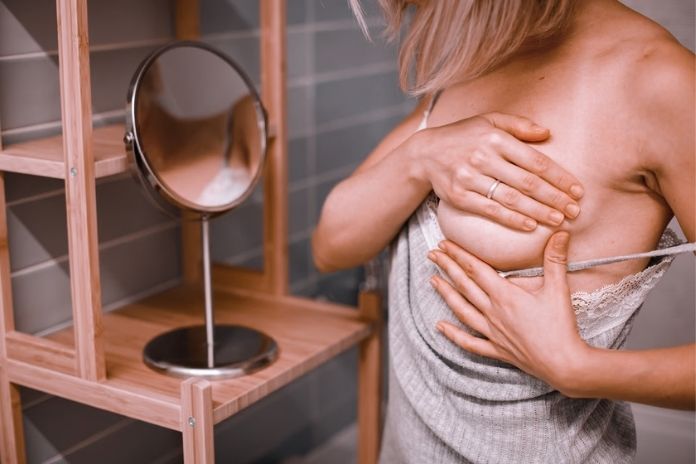
A breast self-exam means regularly looking at and feeling your breasts to become familiar with how they normally look and feel, so you can notice any unusual changes.
Years ago, self-exams were often encouraged as a structured monthly routine, where people were advised to follow specific steps at a set time. Today, many experts emphasize breast awareness instead. The difference may sound small, but it represents an important shift: the focus is no longer on performing a perfect exam but on knowing your own body and recognizing changes that may need attention.
Understanding Breast Self-Exams and Breast Self-Awareness
A formal breast self-examination is done in specific steps. Looking in the mirror, checking skin changes, feeling breast tissue systematically, and checking the underarm area.
Breast awareness is too broad. It means knowing what your breasts actually look like, feel like, and how they change during different times of the month.
Many women discover that their breasts never look or feel the same every week. Hormones can keep changing texture, fullness, tenderness, and swelling.
Knowing these patterns makes it really easy to spot any new changes.
Can a Breast Self-Exam Detect Cancer?
Sometimes yes. Some breast cancers are first noticed by women themselves. A new lump, skin change, nipple change, or unusual thickening may be found during a self-check.
But there are limits. Many breast cancers cannot be felt, especially in early stages. Some are only visible on imaging tests such as mammograms.
That is why a normal self-exam does not guarantee that breast cancer is not there.
Why Routine Screening Still Matters
This is where many people get really confused. A breast self-exam and breast cancer screening are never the same.
Self-checks help you notice changes. Mammograms look for abnormalities that may not yet have caused symptoms.
Clinical breast exams, mammograms, ultrasounds, and other tests provide information that self-examination can’t. A normal self-check should never be used as a reason to skip recommended screening.
When Is the Best Time to Do a Breast Self-Exam?

Timing is really important. Breast tissue changes naturally during hormonal cycles. Checking at the wrong time can make breasts feel more swollen or lumpy than usual. Dr. Candy Arentz, breast surgical oncologist, says, “Self-exams can be monthly during your period or any routine as long as they’re frequent.”
If You Menstruate
The best time is usually a few days after your period ends. At that point, hormone-related swelling has often settled down. Breasts may feel less tender and less full.
Checking right before a period can be frustrating because many women naturally develop temporary lumpiness and soreness.
If You No Longer Have Periods
Choose one day each month. Any date is good. The important thing is consistency. Some people pick the first day of the month because it is easy to remember.
Pregnancy, Breastfeeding, and Menopause
Breasts can change a lot during these stages. During pregnancy, breasts often become fuller, denser, and more sensitive. Breastfeeding can create areas that feel firm because of milk production.
After menopause, some women notice softer breast tissue, while others continue having areas of firmness.
Because these changes are common, any new concern should be discussed with a healthcare professional rather than assumed to be normal.
What Is Normal for Breast Tissue?
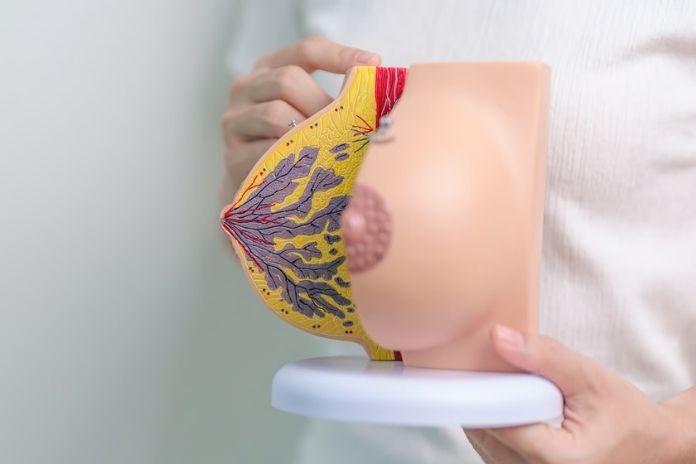
One of the biggest mistakes people make is expecting breasts to feel perfectly smooth. Most do not.
Breasts Are Not Always Symmetrical
Very few women have perfectly matching breasts. One breast may be slightly larger. One nipple may sit a little higher. The shape may differ. Usually, this is completely normal.
Natural Lumps and Texture Changes
Breast tissue is not uniform. Some areas feel softer. Some feel firmer. Some women naturally have lumpy breasts that stay like that throughout life.
Dense breast tissue can also create a thicker or firmer feeling. Many harmless breast conditions can cause lumps, too.
Normal Changes During the Menstrual Cycle
Hormones affect breast tissue every month. Some women notice:
- Tenderness
- Fullness
- Temporary swelling
- Increased lumpiness
- Mild discomfort
These changes often improve once the menstrual period begins or shortly afterward. A change that comes and goes predictably every month is different from a new change that remains.
How to Do a Breast Self-Exam at Home
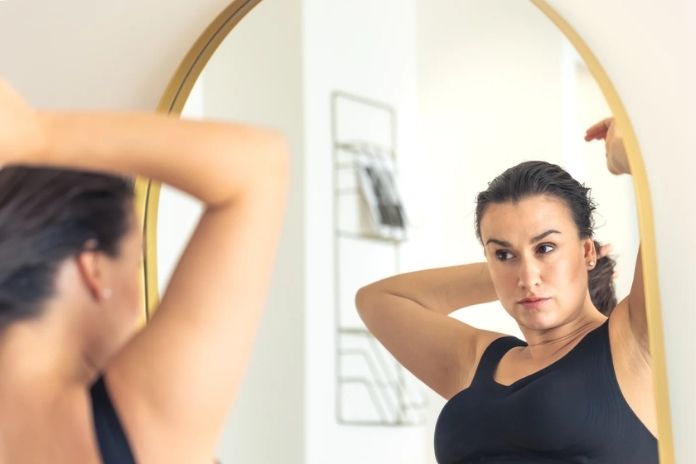
The process is simple. You do not need special equipment. Just a few minutes and good lighting.
“Some women may prefer to do something more routine and be very intentional about it,” explains Dr. Mediget Teshome, MD, FACS, MPH. “If that’s their way of having breast self-awareness, there’s nothing wrong with that at all. But it might not be for everyone.”
Step 1: Look at Your Breasts in the Mirror
Stand in front of a mirror with your arms relaxed. Look at both breasts. Notice their shape, size, and appearance. Then raise your arms overhead and look again.
You are not searching for perfection. You are looking for something new.
Step 2: Look for Skin and Nipple Changes
Pay attention to the skin. Look for:
- Dimpling
- Puckering
- Unusual redness
- Thickened skin
- Swelling
Also, check the nipples. Has one nipple suddenly turned inward? Is there a change in position? Any crusting or unusual appearance?
These changes deserve attention even if no lump is present.
Step 3: Feel Your Breasts While Lying Down
Use the flat pads of your fingers. Not fingertips. Move slowly. Small circles work well. Try covering the entire breast rather than checking only one area.
Many people focus only on where they think a lump might be. Then miss other areas completely. The whole breast matters.
Step 4: Check While Standing or Showering
Some women prefer this step more than lying down. Wet skin makes movement easier. Breast tissue can feel different in this position, too. That is normal.
There is no rule saying one method is superior for everybody.
Step 5: Include the Underarm Area
People forget this area often. Breast tissue extends farther than most expect. The underarm region contains lymph nodes, too.
A new lump or swelling here should not be ignored simply because it is not directly in the breast.
What Changes Should You Watch For?
Not every change means cancer. Still, some changes should never be ignored.
A New Lump or Thickened Area
A new lump deserves attention. Especially if it feels different from the surrounding tissue.
Some cancerous lumps feel hard and fixed. Others do not. There is no single lump texture that confirms or excludes cancer.
Changes in Breast Size or Shape
Breasts naturally vary. But a new change affecting one of the breasts should be checked. Particularly if it develops without an obvious reason.
Skin Dimpling or Puckering
Sometimes breast cancer affects tissue beneath the skin. This can create a pulled-in appearance. People often describe it as skin looking dimpled or uneven.
Nipple Inversion or New Nipple Changes
A nipple that has always been inverted is usually a different situation. A nipple that suddenly changes direction after years of looking normal is different.
That deserves medical attention. The same goes for scaling, crusting, or skin changes around the nipple area.
Unexplained Nipple Discharge
A small amount of discharge can occur for harmless reasons. Still, it should not be ignored. Particularly when it happens by itself. Or comes from only one breast. Or contains blood.
Many harmless conditions can cause discharge. Doctors still want to know about it.
Persistent Redness, Swelling, or Skin Changes
Not every breast cancer forms a lump. Persistent redness, swelling, warmth, or skin thickening can also be warning signs.
Does Breast Pain Usually Mean Cancer?
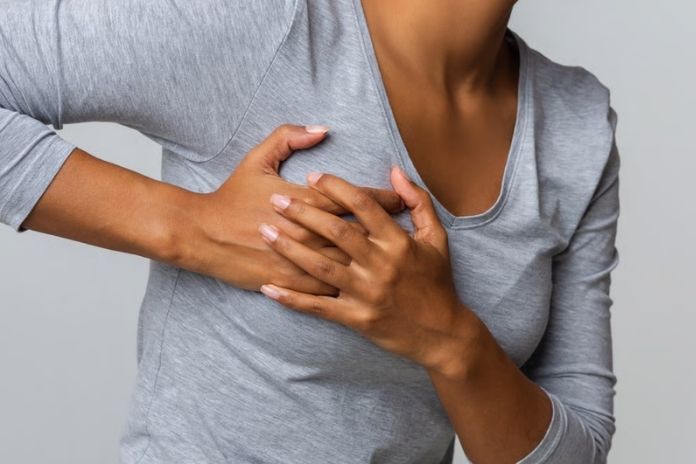
Probably one of the most common questions about breast. And one of the biggest fears.
Common Causes of Breast Pain
Breast pain is extremely common. Periods. Hormones. Pregnancy. Breastfeeding. Muscle strain from exercise. Even sleeping awkwardly. All can create breast discomfort.
Some women get breast pain almost every month and never develop breast cancer.
When Breast Pain Needs Medical Evaluation
Pain deserves more attention when it becomes persistent or is very localized or when it appears together with a lump, nipple change, or skin change.
Doctors rarely look at pain alone. They look at the entire picture.
Why Most Breast Pain Is Not Caused by Cancer
One thing many people find surprising. Early breast cancer often does not hurt. That is why relying on pain as a warning sign can be misleading.
No pain does not mean everything is normal. Pain does not automatically mean cancer. The relationship is not that simple.
Not Every Breast Lump Is Cancer
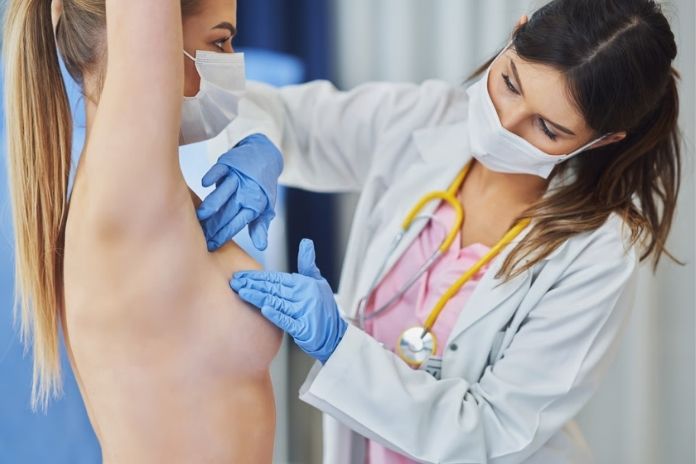
A breast lump is a finding. Not a diagnosis. That distinction matters.
Breast Cysts
Cysts are very common. Especially around the forties. They are fluid-filled sacs inside breast tissue. Some feel smooth. Some feel firm. Some seem to appear suddenly.
A cyst can feel alarming until it is properly evaluated. Then it turns out to be harmless.
Fibroadenomas
These are non-cancerous solid lumps. Many younger women discover them. Doctors often describe them as rubbery or movable. Women describe them differently.
Usually something like “It feels like a little marble under the skin.” Not dangerous in most cases. But still something that needs proper assessment.
Hormonal Breast Changes
Hormones can make breast tissue feel completely different from one week to another. A woman may feel several lumps before her period. Then struggle to find them two weeks later.
This happens more often than people think.
Why Only Medical Evaluation Can Determine the Cause
Google cannot tell you what a lump is. Neither can social media. And honestly, even doctors often need imaging. A lump can be a cyst. A fibroadenoma. Normal tissue. Or something more serious.
That is why breast imaging exists.
What Should You Do If You Find a Lump?
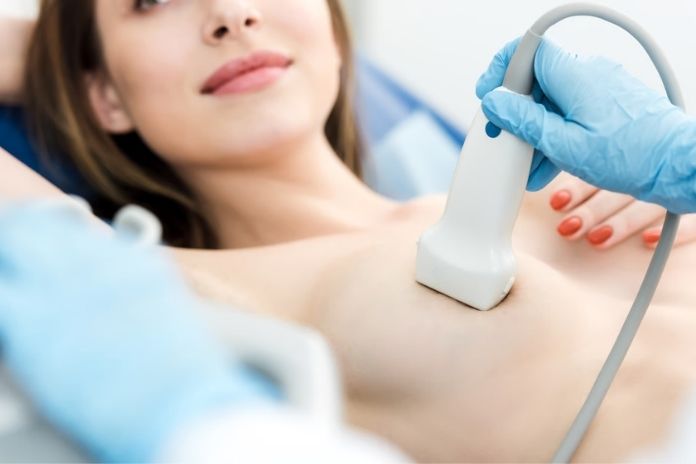
The first reaction is usually panic. The second reaction is often denial. Neither helps much.
Don’t Panic, but Don’t Ignore It
Many women immediately assume the worst. Others delay for months, hoping it disappears. Neither response helps. Notice it. Then get it checked.
Make an Appointment With a Healthcare Professional
A healthcare professional can properly assess the lump. They will ask questions about symptoms, family history, and changes you have noticed.
What Tests May Be Recommended
Depending on age and findings, testing may include the following:
- Clinical breast examination
- Mammogram
- Breast ultrasound
- MRI in selected cases
- Biopsy if needed
Not everyone needs all the tests.
Why Early Assessment Is Important
People often assume early assessment is only about cancer. Actually, it helps with benign conditions too.
Knowing what something is removes uncertainty. Living with uncertainty for months usually does not.
Who Should Be Especially Aware of Breast Health?

Everyone should be aware of breast changes. But some groups may need extra attention.
Women Over 40
Risk generally increases with age. Regular screening becomes increasingly important.
People With a Family History of Breast Cancer
Family history does not guarantee breast cancer. But it can influence risk. Particularly when close relatives were diagnosed.
Those With a Personal History of Breast Conditions
Previous breast problems often lead to closer monitoring.
Individuals at Higher Risk Who May Need Additional Screening
Some people need more than standard screening. This depends on personal risk factors. Not everybody follows the same schedule.
Common Breast Self-Exam Mistakes
Expecting Breasts to Feel Perfectly Smooth
Normal breasts are often lumpy. That alone is not unusual.
Checking Only When Something Feels Wrong
Breast awareness works best when you know your normal pattern before a problem appears.
Ignoring Changes Because They Are Not Painful
Many important breast changes cause no pain. Pain is not required for something to be significant.
Relying on Self-Exams Instead of Recommended Screening
A breast self-exam is one tool. Not the entire toolbox. Mammograms, medical evaluation, and imaging still matter.
Conclusion
Breast self-exams are often misunderstood. People treat them as a monthly test in which they must find something. Or prove nothing is wrong.
That is not really the purpose. The real purpose is familiarity. Knowing how your breasts normally look. Knowing how they normally feel. Knowing which changes happen every month and which ones do not.
Most changes turn out to be harmless. Some do not.
The challenge is telling the difference. Which is why new or persistent changes deserve proper medical attention rather than guesswork.
- Most women do not have perfectly smooth breast tissue. Natural lumpiness is common.
- Many lumps, tender areas, and changes in texture are caused by noncancerous conditions.
- New changes matter more than long-standing features.
- Breast self-awareness works alongside mammograms and professional care, not instead of them.
- When in doubt, getting a change checked is usually better than waiting months, hoping it disappears.
FAQs
1. How Often Should You Do a Breast Self-Exam?
Once a month is generally recommended for breast self-exams. Regular monthly checks improve familiarity with normal breast texture and patterns. Excessively frequent checking can reduce accuracy, as natural hormonal changes cause temporary variations that may be mistaken for abnormalities.
2. What Does a Cancerous Breast Lump Feel Like?
There is no single defining feel for a cancerous breast lump. Some feel hard, fixed, or irregular, while others may be soft or mobile. Any new or unusual lump compared to the surrounding tissue requires medical evaluation, regardless of texture.
3. Can Men Get Breast Cancer?
Yes, men can develop breast cancer, although it is less common. Male breast tissue still contains cells capable of malignant change. Symptoms include lumps, nipple changes, or skin alterations, which should be promptly assessed by a healthcare professional.
4. Is Breast Pain a Sign of Breast Cancer?
No, breast pain alone is usually not a sign of breast cancer. Most cases relate to hormonal fluctuations, benign cysts, or musculoskeletal causes. However, persistent pain accompanied by lumps or visible changes requires medical assessment to rule out serious conditions.
5. Should I Get a Mammogram if My Self-Exam Is Normal?
Yes, a normal breast self-exam does not replace mammogram screening. Some breast cancers are not palpable and are only detected through imaging. Screening decisions depend on age, individual risk factors, and medical guidance from a healthcare provider.
6. What Should I Do if I Notice a New Breast Change?
You should seek medical evaluation promptly if you notice a new breast change. Most changes are benign, but early assessment ensures accurate diagnosis. A doctor may recommend clinical examination, imaging, or further tests depending on findings.
References
- B K, M., & Kaphle, H. P. (2023). Breast self-examination: Knowledge, practice and associated factors among 20 to 49 years aged women in Butwal sub-metropolitan, Rupandehi, Nepal. PLOS ONE, 18(6), e0286676–e0286676.
- Cleveland Clinic. (2023). Breast Lumps: What is It, Symptoms & Types.
- Katulski, K., Katulski, A., Nykowska, A., Beutler, K., Kozielek, K., Antczak, S., & Katulska, K. (2024). Physiological changes in the mammary glands during a female’s life. Polish Journal of Radiology, 89, 386–390.
- Kowalski, A., & Okoye, E. (2021). Breast Cyst. PubMed; StatPearls Publishing.
- Roth, M. Y., Elmore, J. G., Yi-Frazier, J. P., Reisch, L. M., Oster, N. V., & Miglioretti, D. L. (2011). Self-Detection Remains a Key Method of Breast Cancer Detection for U.S. Women. Journal of Women’s Health, 20(8), 1135–1139.
In this Article