














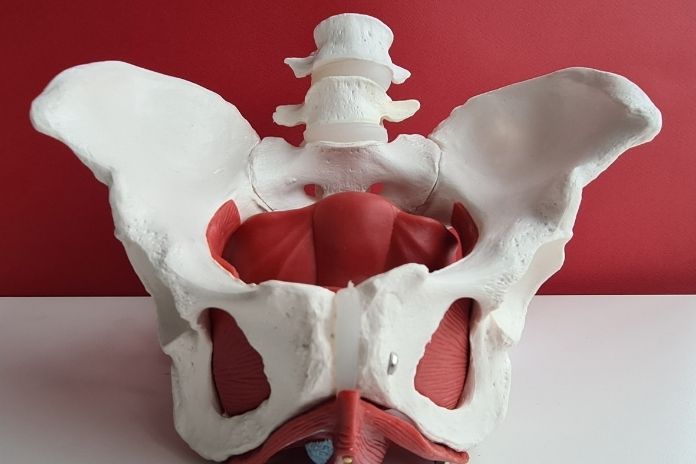
It’s a common misconception that pelvic health is exclusive to women, but this is untrue. Men also have a complex network of pelvic floor muscles in men that play a critical role in bladder control, bowel function, sexual health, and core stability.
Male pelvic floor dysfunction, which affects quality of life in ways that are frequently underreported or ignored, might result from these muscles’ malfunction.
Pelvic floor therapy for men is crucial in this situation. It is a non-surgical, evidence-based treatment method intended to enhance pelvic muscle coordination. It is sometimes referred to as male pelvic floor therapy or pelvic floor physical therapy for men.
This article will explain what pelvic floor physical therapy is, how pelvic floor muscles in men work, who can benefit, what to anticipate during therapy, popular treatments, efficacy, myths, and when to consult a doctor.
- Men have pelvic floor muscles critical for core stability, bladder control, and sexual function.
- Therapy treats hidden issues like chronic pelvic pain, erectile dysfunction, and post-prostate surgery leakage.
- It goes far beyond standard Kegels, focusing on muscle relaxation, coordination, and tailored exercises.
Read More: Pelvic Floor Dropping After Childbirth: What’s Normal and What’s Not
What Is Pelvic Floor Therapy for Men?
Men can also have pelvic floors and experience dysfunction; pelvic floor therapy is not limited to women. Although women, especially those who are pregnant, frequently receive attention for it, this only makes up a small percentage of those who are served. For everyone, including men, pelvic floor health is essential.
The first step in pelvic floor treatment for males is a thorough evaluation that goes beyond symptoms. Your physical therapist will assess your posture, movement patterns, breathing techniques, and core function to evaluate how your entire body is functioning.
Your strategy might consist of the following, depending on your needs:
- Specific activities to improve endurance, strength, and coordination
- Methods for releasing tense or hyperactive muscles
- Instruction on posture, body mechanics, and bowel and bladder habits
- Techniques for managing pressure and breathing that promote core control
A sheet of generic exercises won’t be given to you. Rather, whether you are an athlete, a desk worker, a new father, or anywhere in between, your treatment will be determined by what your body precisely needs to perform at its optimum.
What Do the Pelvic Floor Muscles Do?
The male pelvic floor is a physical area that requires care, just as the female gender. A man’s quality of life can be improved, and several frequent problems can be avoided by strengthening and maintaining pelvic floor health. The male pelvic floor is very essential for the following main purposes:
Control of Urinary Functions: Men can retain urine when needed and release it when appropriate, thanks to the pelvic floor muscles’ assistance in controlling urine flow, which is essential for avoiding urinary incontinence.
Control of Bowel Function: The pelvic floor also plays a role in preventing fecal incontinence, regulating bowel movements, and facilitating defecation.
Support During Sexual Activity: The pelvic floor helps achieve and sustain an erection during sexual engagement. Improved erection function and sexual satisfaction can be attributed to strong pelvic muscles.
Pelvic Stability: The pelvic floor helps stabilize the pelvis during exercise and weightlifting, minimizing injuries and undue strain in the pelvic region.
Who Can Benefit From Pelvic Floor Therapy?

Men with problems affecting their quality of life and everyday activities can benefit from pelvic floor therapy. Men may require pelvic floor therapy for the following common reasons:
- Urinary incontinence is involuntary leakage of urine, either with or without a need to urinate, following an increase in intra-abdominal pressure (cough, sneeze, laugh), during a shift in posture, or even during climax (i.e., climacturia).
- Men may experience chronic pelvic discomfort due to accidents, nerve problems, muscular hypertonicity, or pelvic floor dysfunction. Men can resume fulfilling activities like playing with kids or working thanks to pelvic floor therapy’s ability to reduce pain and improve mobility.
- Surgical recovery and preparation may help men prepare for procedures such as prostatectomy by emphasizing mental and physical preparedness about sexual and urinary function.
- Men are greatly impacted by erectile dysfunction (ED), which can be an indication of both pelvic floor and cardiovascular health. When treating ED caused by tense, weak, or poorly circulated muscles, pelvic therapy is advised.
- People with pelvic floor problems frequently experience low back pain, tailbone pain, sciatica, and sacroiliac joint (SI joint) discomfort. Increased tension, body mechanics, and contributing movement patterns are all addressed with pelvic floor treatment.
- Constipation, bowel problems, or dyssynergia, because pelvic muscle weakness, stress, or incoordination frequently contribute to bowel health difficulties, pelvic floor therapy may be beneficial for both men and women. By analyzing lifestyle, body posture, pelvic floor coordination, strength, tension, and associated physical aspects, pelvic floor treatment addresses bowel problems.
Read More: Strengthen Your Pelvic Floor: 6 Recommended Kegel Exercise Devices
What Happens During a Pelvic Floor Therapy Appointment?
In addition to discussing your symptoms, your pelvic physical therapist will get a complete medical history. For instance, if you are seeking treatment for urinary incontinence, also known as pelvic floor muscle urinary leakage, you will be questioned about how frequently you lose urine, what causes it, and other things.
The anatomy, connective tissue, muscles, joints, nerves, organs, and conditions that may be contributing to your symptoms will all be covered. Your symptoms and the medical history will be reviewed. Palpating and examining the abdomen, pelvis, hips, back, and pelvic floor may be part of this.
Your therapist will look for any discomfort that might be referred to another location, as well as any restrictions on your range of motion. Does the scar or connective tissue have a limit? This may contribute to the urine incontinence. Your therapist will then perform an internal examination of your pelvic floor.
Common Treatments Used in Male Pelvic Floor Therapy

Many issues that impact men’s quality of life can be treated with male pelvic floor physical therapy. The following are a few of the most often addressed issues:
Taking Care of Urinary Incontinence
Involuntary loss of urine is known as the urinary incontinence. Prostate surgery, weak pelvic floor muscles, and other circumstances may be the cause.
Urinary Incontinence Types:
- Leaking while coughing or lifting is known as stress incontinence
- A sudden, strong urge to urinate is known as urge incontinence
- Stress and urge incontinence are both combined to form mixed incontinence
- Overflow incontinence or dribbling results from the bladder not emptying
Reducing Prolonged Pelvic Pain
The rectum, lower back, groin, and genitalia can all be affected by persistent pelvic pain. Pudendal neuralgia, injury, or muscular dysfunction are common causes.
Important Elements:
- Muscle Dysfunction: Pain results from weak or taut muscles.
- Pudendal Neuralgia: Also known as pelvic nerve discomfort.
- Pain Cycle: Tension in the muscles, and further pain can result from chronic pain.
Improving Bowel and Sexual Function
Bowel control and sexual health may be impacted by pelvic floor dysfunction. Constipation can result from tight muscles, but weak muscles might cause erectile dysfunction and fecal incontinence.
Erectile Dysfunction:
- Weak pelvic floor muscles may hamper erectile function
- Kegel exercises are one way to increase muscle strength and stamina
Bowel Problems:
- Inability to control bowel movement is known as fecal incontinence
- Constipation or inability to pass stool
Can Pelvic Floor Exercises Help Men?
Most people immediately think of Kegel exercises when they hear the term “pelvic floor exercises.” But it goes beyond simply Kegeling or applying maximum pressure to your pelvic muscles! Muscle relaxation is just as vital as muscle contraction.
Optimizing range of motion, improving body awareness, and adjusting to changing tissue demands (such as heavy lifting, sitting, jumping, and coughing) are other aspects of pelvic floor muscle performance.
By strengthening your pelvic floor muscle, you can increase the frequency and urgency of your bladder contractions and reduce your risk of developing fecal and urinary incontinence as you age, thereby enhancing your overall well-being.
Inadequate technique can exacerbate symptoms such as pelvic pain in men and cause pelvic floor dysfunction. Experts determine whether male pelvic floor therapy requires relaxation or strengthening.
Read More: Breathing Techniques for Pelvic Floor Relaxation and Strength: A Guide to Core-Connected Calm
How Effective Is Pelvic Floor Therapy?
Men’s urine incontinence treatment results are greatly enhanced with pelvic floor therapy. The pelvic floor physical therapy is very effective in treating chronic pelvic pain syndrome. Pelvic floor therapy after prostate surgery improves recovery and reduces stress urinary incontinence. Effectiveness depends on diagnosis, adherence, and overall male pelvic health.
Common Myths About Pelvic Floor Therapy for Men
Myths and misconceptions frequently surround the topic of pelvic floor health. The bladder, uterus, and also the rectum are among the pelvic organs that are supported by the pelvic floor, a collection of muscles. Sexual dysfunction, pelvic pain, and incontinence are just a few of the health problems that can result from weakness or dysfunction in these muscles.
Myth #1: Women Who Have Given Birth are the Only Ones with Pelvic Floor Issues
Fact: Pelvic floor issues are not only caused by delivery. Pelvic floor dysfunction can also occur in men as a result of age-related changes or prostate surgery.
Myth #2: The Pelvic Floor Can Only be Strengthened with Kegel Exercises
Fact: Want a stronger pelvic floor? Start with Kegel exercises things like squats, bridges, pelvic lifts, and planks. With these moves, you’re working on squeezing and relaxing those pelvic floor muscles. But it’s not just about exercise. Good posture and core-centric workouts play a big role too. Both help keep your pelvic floor in shape.
Myth #3: There is No Cure for Pelvic Floor Dysfunction
Fact: A lot of people think that pelvic floor dysfunction is a permanent condition for which there is no treatment. Nonetheless, several therapies are available to enhance pelvic floor function and reduce symptoms. A commonly recommended course of treatment is pelvic floor physical therapy, which involves strengthening and relaxing pelvic floor muscle under the guidance of a qualified therapist.
When Should Men Seek Medical Advice?
Men should see a doctor if they suffer from:
- Persistent urinary leakage
- Persistent pelvic pain in men
- Difficulty emptying the bowels or bladder
- Symptoms after prostate surgery recovery
- Sexual dysfunction is not getting better
- Severe or worsening bowel dysfunction
Read More: Pelvic Floor Exercises: Strengthening Solutions for Incontinence
Conclusion
Pelvic floor therapy for men is a frequently disregarded yet extremely beneficial strategy for enhancing pelvic health in general. This therapy provides a planned, non-invasive solution that is customized to meet each patient’s needs, from treating chronic discomfort to managing urinary problems and promoting recovery after medical procedures.
Its individualized approach, which focuses on whether muscles require strengthening, relaxation, or improved coordination rather than a one-size-fits-all strategy, is what makes it particularly effective.
There is mounting evidence that pelvic floor physical therapy can also improve the quality of life and restore function, while outcomes may differ depending on the underlying problem.
References
In this Article