




















Most people know exercise is good for them. Better fitness, better health, and less stress. Better mood. Still, many people spend days or weeks thinking about joining a gym, then finally go once, feel uncomfortable for 30 minutes, and never return. That is the strange thing about gyms. The place people go to improve their physical and mental health often creates enough anxiety to make them avoid it completely.
If you have ever wondered why starting at the gym feels overwhelming, you are definitely not alone. Around 40% of first-time gym visitors do not return because they feel embarrassed, judged, or simply out of place. Many people think this means they are not confident enough or not disciplined enough.
Research points in another direction. The feeling has very specific psychological reasons behind it, including social comparison, fear of judgment, low confidence around equipment, and uncertainty about what to do. These reactions are so common that sport psychologists have been studying them for years. So this article is not about forcing yourself to “just go.” It is about understanding why the gym feels uncomfortable in the first place and what actually makes that feeling smaller.
- Starting at the gym often feels overwhelming because of social comparison, fear of judgment, unfamiliar equipment, and low perceived competence.
- Research shows that touring the gym first, attending during quiet hours, following a written workout plan, and using gradual exposure can significantly reduce anxiety.
- The discomfort usually decreases within a few weeks, and regular gym attendance may also help improve anxiety symptoms over time.
Read More: Can Non-Gym Goers Take Creatine? What Science Says About Benefits, Safety, and Use
Why the Gym Is Uniquely Anxiety-Provoking: The Psychology

One reason gym anxiety feels confusing is that nothing dangerous is happening. You walk into a building. People are exercising. Music is playing. Nobody is talking to you. Yet your brain may react as if you have entered a situation where you are being evaluated.
For beginners, a gym contains several things that trigger anxiety at the same time. The first is something researchers call perceived competence. Basically, it is the feeling that everybody else knows what they are doing except you.
You see people moving confidently between machines. They seem to know where everything is. They know what exercises to do. How much weight to use or how long to rest. Meanwhile, you may be wondering where to keep your bag. That gap creates discomfort very quickly.
Then there is social comparison. “Many people experience anxiety because they’re worried about what others might think of how they look,” Dr. Matthew Sacco, PhD, recognizes. Most people think gym anxiety comes from other people judging them. Sometimes it does. But often the bigger issue is that we judge ourselves after comparing ourselves with others.
A beginner walks into the gym and immediately sees people who are stronger, leaner, faster, or more experienced. The comparison happens automatically.
Research suggests that social comparison partly explains the link between exercise settings and social anxiety. When people compare themselves with others who appear more capable, confidence tends to drop. Anxiety tends to rise. Not because the comparison is logical. Just because the brain likes measuring where it stands.
Another thing happens too. People become unusually aware of their own bodies. The way they walk. The way they lift. The way they look while exercising. Normal movements suddenly feel noticeable.
A person who never thinks about how they walk may suddenly start wondering whether they look awkward walking to the treadmill. This kind of self-monitoring creates what many beginners describe as gym nerves. Then comes fear of judgment.
Most new members overestimate how much attention other people are paying to them. Psychologists sometimes connect this to a spotlight effect. We feel like everybody notices our mistakes because we are focused on them ourselves.
In reality, most gym members are busy thinking about their own workout. But anxiety does not always care about reality. It cares about possibility. Add unfamiliar machines, confusing workout terms, gym etiquette that beginners do not understand yet, and years of fitness marketing showing already-fit people inside gyms.
The result is predictable. Many beginners walk in feeling like they arrived late to a party where everybody else already knows the rules. And honestly, that feeling makes sense. The important thing is understanding that it is a normal response to a new environment. There is no evidence that you don’t belong there.
The Numbers: How Common This Actually Is
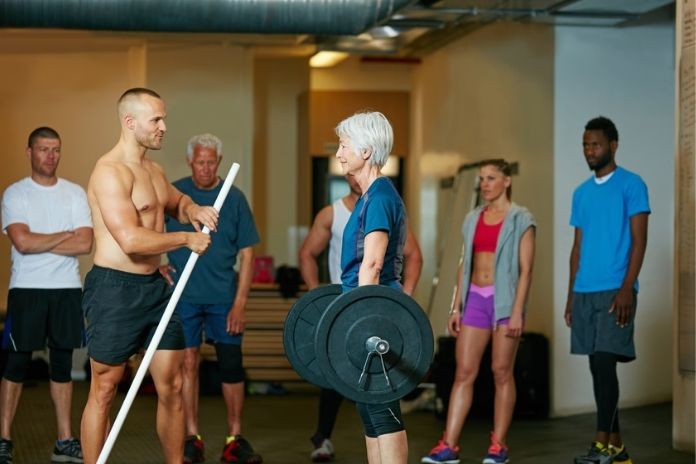
When people feel anxious at the gym, they often assume everyone else is comfortable. That assumption is usually wrong. It is actually one of the most common barriers to exercise.
Women report higher levels of gym anxiety, around 72%, compared with about 58% of men. Around 60% of gym users say they feel uncomfortable when using unfamiliar equipment. More than half report that crowded gyms make the experience worse. And about one-third of first-time gym users say they feel overwhelmed by gym rules and etiquette.
Those numbers tell an interesting story. The gym often looks full of confident people. But if you could somehow see what everybody felt during their first few visits, the picture would look very different. A lot of people around you have already gone through the same awkward stage. They just happen to be further away from it now.
What Gym Anxiety Actually Does to Your Body: Why It Can Spiral
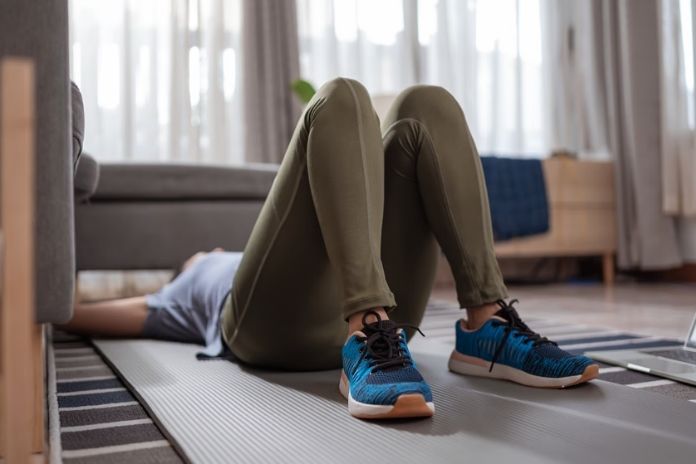
Gym anxiety does not stay inside your head. It starts showing up in the body very quickly. You walk through the door, and suddenly your heart feels faster. Your shoulders become tight. You start paying attention to every movement. Even simple decisions begin feeling bigger than they are.
Should I use that machine? Am I doing this right? Where do I go next? The strange thing is that exercise itself already increases heart rate and breathing. Anxiety does the same thing. So for beginners, it can sometimes become difficult to separate workout sensations from anxiety sensations.
Then another problem starts. Avoidance. For instance, somebody plans to go to the gym after work. The whole day, they feel nervous about it. Eventually, they decide not to go. Instantly, they feel better. Relief. That relief teaches the brain a lesson. The lesson is not “the gym wasn’t necessary.” The lesson becomes “Avoiding the gym solved the problem.”
This is why anxiety often grows over time instead of disappearing. Every avoided visit makes the next visit feel slightly bigger. Psychologists know this pattern very well. It appears in social anxiety, public speaking anxiety, travel anxiety, and many other fears. The gym version follows the same script. Short-term relief. Long-term strengthening of the fear.
What the Evidence Shows About Getting Past It
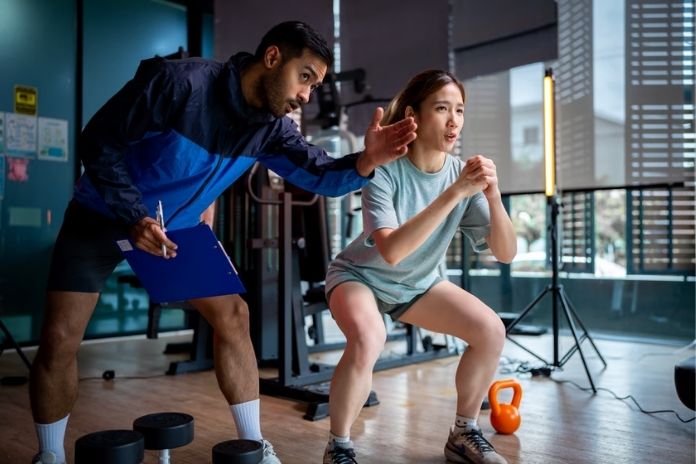
One mistake people make is thinking confidence has to come first. They wait until they feel ready. Usually, that day never arrives. Sport psychologist Dr. Craig Cypher points out that reducing uncertainty is often more useful than trying to build confidence directly.
For example, many beginners make their first gym visit an actual workout. That means they are trying to learn the environment, understand equipment, find facilities, and exercise all at the same time. Too much is happening together.
A better approach is often to visit before the first workout. Just walk around. See where things are. Find the changing rooms. Look at the cardio area. Notice where people fill water bottles. Ask questions.
The brain becomes less anxious when fewer things feel unknown. Timing matters too. Crowded gyms create more opportunities for comparison. More people. More waiting. More feeling watched.
Many beginners notice a huge difference when they visit during quieter hours. Not because the gym itself changed. Because the environment became less socially demanding. Another useful thing is arriving with a written plan. This sounds simple, but it solves one of the biggest beginner problems. Not knowing what comes next.
A lot of gym anxiety happens during the gaps. Standing near the equipment. Looking around. Trying to decide what to do. Feeling like everybody can see your uncertainty. A written plan removes many of those moments. You finish one exercise and move to the next. No guessing. No wandering.
Music can help too. Not because it magically removes anxiety. It gives your attention somewhere else to go. Without music, many beginners spend the entire workout monitoring themselves. With music, some of that attention shifts away from self-conscious thoughts. Small change. Big difference.
Read More: How to Build Muscle Without Going to the Gym (Science-Backed Strategies)
The Progressive Exposure Approach: Why Small Steps Work
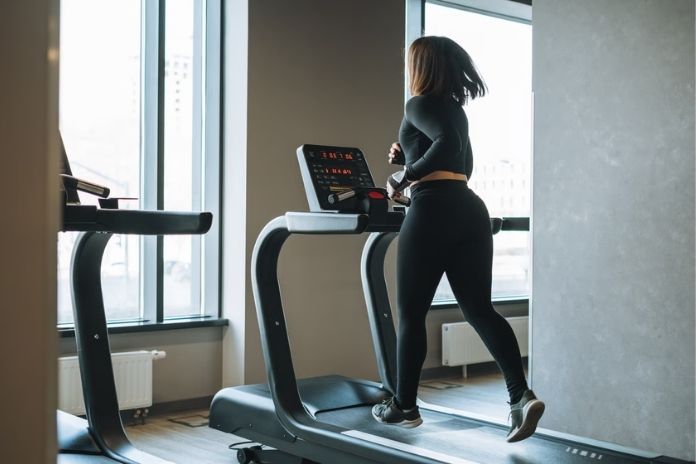
People often underestimate how powerful familiarity is. Most gym confidence is not confidence at all. It is familiarity. The person who looks comfortable today may simply have walked through those doors 300 times before.
Psychologists use something called graduated exposure to reduce avoidance-driven anxiety. The idea is simple. You do not jump straight into the hardest version of the situation. You build up gradually. For gym anxiety, that might look like this. Week one. Go to the gym. Walk around for ten minutes. Leave. Nothing more.
Week two. Use a treadmill or stationary bike for fifteen or twenty minutes. Leave. Week three. Stay longer. Add a couple of strength exercises you already understand. Week four. Try one machine that feels unfamiliar. Ask staff for help if needed. What makes this approach effective is that every step feels manageable. Anxiety does not disappear overnight.
But familiarity grows. And familiarity slowly changes how the brain interprets the environment. The gym stops feeling like a place where anything could happen. It starts feeling like a place you know. That shift matters more than people realize.
Read More: The No-Gym Heart Routine: 10 Bodyweight Exercises You Can Do During TV Commercials
The Counter-Intuitive Benefit: Gym Going Reduces the Anxiety That Makes It Hard

There is a funny contradiction at the center of gym anxiety. The thing making you nervous is often one of the things most likely to help your anxiety overall. Research on resistance training has repeatedly found improvements in anxiety symptoms. People who engage in regular strength training often report lower anxiety levels over time.
Part of this is biological. Exercise affects stress hormones, sleep quality, and several brain chemicals linked with mood. But there is another side to it. Every workout becomes evidence. Evidence that you can do difficult things. Evidence that uncomfortable situations become easier with repetition. Evidence that your first impression of something is not always accurate.
This is one reason exercise has mental health benefits beyond fitness. You are not only training muscles. You are collecting experiences that challenge anxious predictions. The gym feels hard partly because anxiety tells you that you do not belong there. Repeated attendance quietly proves otherwise.
When Gym Anxiety Might Be More Than Normal Nerves

For most people, gym anxiety improves. Sometimes slowly. Sometimes surprisingly quickly. But it usually improves. There are situations, though, where the anxiety is not just beginner nerves.
Some people experience anxiety that remains intense even after weeks of exposure. Others feel extreme distress related to body image. Some avoid not only gyms but also many social situations where they feel observed.
In these cases, the issue may be connected to broader social anxiety or body dysmorphia rather than gym anxiety alone. That does not mean something is wrong. It simply means the gym may be touching a larger issue that already existed.
If anxiety is severe enough that repeated attempts still feel impossible, or if it affects many other parts of life too, talking with a GP or psychologist can be genuinely helpful. Sometimes people think they need more motivation. What they actually need is support.
Read More: 15-Minute Wall Pilates Routine to Build Strength After 40 (No Gym Needed, Doctor-Approved)
Conclusion
The overwhelming feeling people get when starting at the gym is usually not a sign that they are lazy, weak, or “not a gym person.” It is mostly the brain reacting to an unfamiliar environment where comparison, uncertainty, and self-awareness all become stronger at the same time.
The encouraging part is that gym anxiety follows a fairly predictable pattern. Around 70% of people experience it. Most see it as reducing as familiarity grows. Not through willpower. Not through forcing confidence. Usually through smaller steps. Go when it is quieter. Bring a plan. Learn the environment before expecting yourself to feel comfortable in it. Then let repetition do what motivation often cannot.
- Confidence is often the result of gym attendance, not the requirement for it.
- Many beginners think fear of judgement is the biggest issue, but social comparison may be equally important and gets less attention.
- Gym design itself may influence anxiety more than people realize. Researchers still know surprisingly little about how layouts, mirrors, and equipment placement affect beginners.
- A written workout plan can reduce anxiety because uncertainty is one of the strongest triggers inside a gym.
- Home workouts can build fitness confidence, but avoiding gyms forever because of anxiety may keep the anxiety alive.
FAQs
1. Is gym anxiety normal?
Yes, gym anxiety is very common, especially among beginners starting a new fitness routine. Many people feel intimidated, self-conscious, or unsure initially. This response is considered a normal psychological adjustment and usually improves as familiarity and confidence increase over time.
2. How long does gym anxiety last for beginners?
Gym anxiety in beginners usually improves within three to six weeks of consistent attendance. The biggest reduction often occurs after the first few visits as familiarity increases. Supportive strategies like quieter timings and structured plans can speed up this adjustment process.
3. Should I work out at home instead of going to the gym?
Yes, home workouts are a valid alternative to gym training. However, avoiding the gym purely due to anxiety may reinforce avoidance behavior over time. Home exercise can help build confidence initially, but gyms offer equipment and training variety that is harder to replicate.
References
- Gordon, B. R., McDowell, C. P., Lyons, M., & Herring, M. P. (2017). The Effects of Resistance Exercise Training on Anxiety: A Meta-Analysis and Meta-Regression Analysis of Randomized Controlled Trials. Sports Medicine, 47(12), 2521–2532.
- Hui, X., Li, X., Chen, X., Guo, J., & Liu, J. (2025). The relationship between physical exercise and social anxiety: the mediating role of social comparison and emotion regulation. BMC Psychology, 13(1).
- O’Neil, L., & Smith, A. L. (2025). Main and Interactive Effects of Perceived Competence and Control on Feelings of Efficacy in Youth Sport. Psychology of Sport and Exercise, 103012.
- Penta, C. (2022). Gym Anxiety: How it Affects the Mental Health and Body Image Perception of Female College Students in a Male Dominated Setting.
- Zartaloudi, A., Christopoulos, D., Kelesi, M., Govina, O., Mantzorou, M., Adamakidou, T., Karvouni, L., Koutelekos, I., Evangelou, E., Fasoi, G., & Vlachou, E. (2023). Body Image, Social Physique Anxiety Levels and Self-Esteem among Adults Participating in Physical Activity Programs. Diseases, 11(2), 66.
In this Article