



















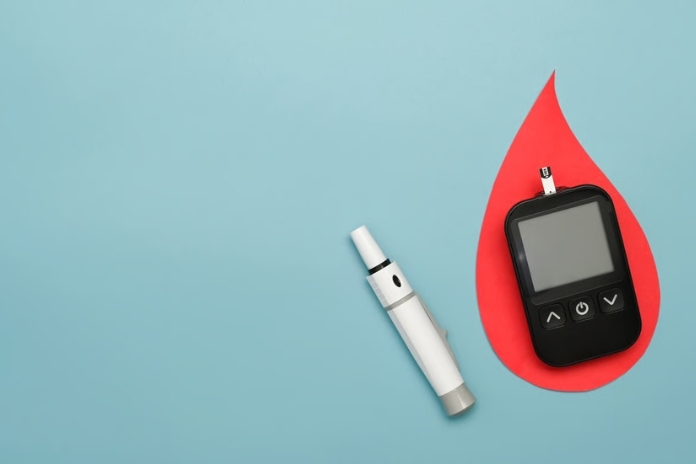
Many people think that managing blood sugar means saying goodbye to sweet foods forever. Fortunately, that’s not true. While some sweet foods can cause rapid spikes in blood glucose, others have a surprisingly modest effect thanks to their fiber content, protein, healthy fats, or unique types of sugars.
Understanding concepts like the glycaemic index (GI) and glycaemic load (GL) can help you make smarter choices without feeling deprived. Instead of focusing only on how sweet a food tastes, it helps to understand how the body actually processes it.
- Sweetness doesn’t always mean a blood sugar spike.
- Some sweet foods (like berries, Greek yogurt, and dark chocolate) have a lower impact on blood sugar.
- Managing blood sugar is about making smart food choices, not avoiding all sweet foods.
Read More: Skyr vs Greek Yogurt: Which Is Healthier and Which Should You Choose?
What Sweet Foods Don’t Spike Blood Sugar?
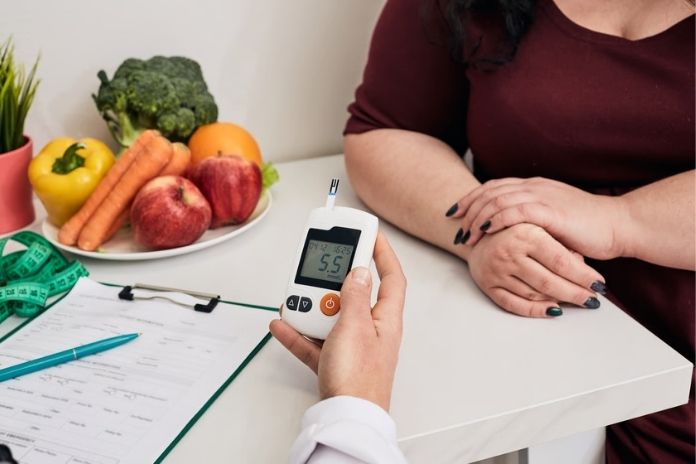
Not all sweet foods raise blood sugar equally. Fiber, fat, protein, and the specific type of sugar present all influence how quickly glucose enters the bloodstream.
Foods such as berries, dark chocolate (70% cocoa or higher), sweet potatoes, plain Greek yogurt, cherries, slightly underripe bananas, stevia, monk fruit sweeteners, and allulose have lower blood sugar impacts than their sweetness may suggest. Understanding why these foods behave differently can help you enjoy sweetness while making more informed choices.
The 8 Foods That May Not Spike Blood Sugar
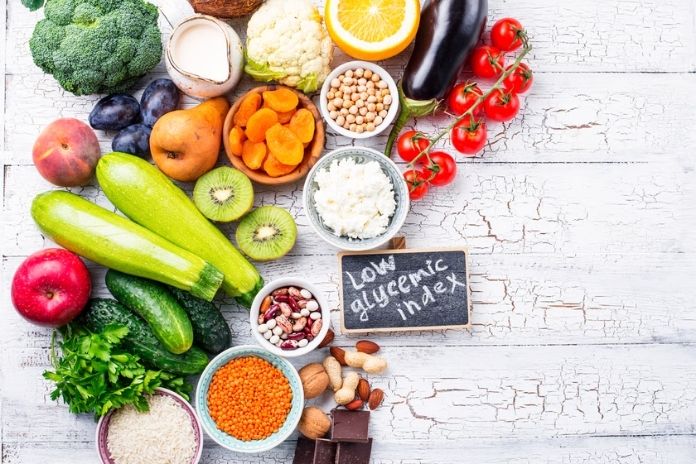
Many people trying to manage diabetes or prediabetes fall into an all-or-nothing mindset around food. Sweet foods often get placed on the “avoid completely” list, but the reality is more nuanced. A food’s effect on blood sugar depends on several factors, including fiber content, fat content, protein, portion size, and the type of carbohydrate it contains.
These factors can slow digestion, reduce glucose absorption, and blunt blood sugar rises after eating. That’s why some naturally sweet foods fit comfortably into a blood-sugar-conscious eating pattern.
Before diving into the list, it helps to understand two important terms. The glycemic index (GI) measures how quickly a food raises blood glucose on a scale from 0 to 100. Glycemic load (GL) goes one step further by accounting for portion size. This often gives a more realistic picture of a food’s impact.
For example, blueberries have a GI of 53, which is borderline moderate, but their GL is only 2.4 per quarter-cup serving, making them very low impact in practical portions.
Read More: 10 Healthy Natural Sweeteners You Should Be Switching To
1. Berries
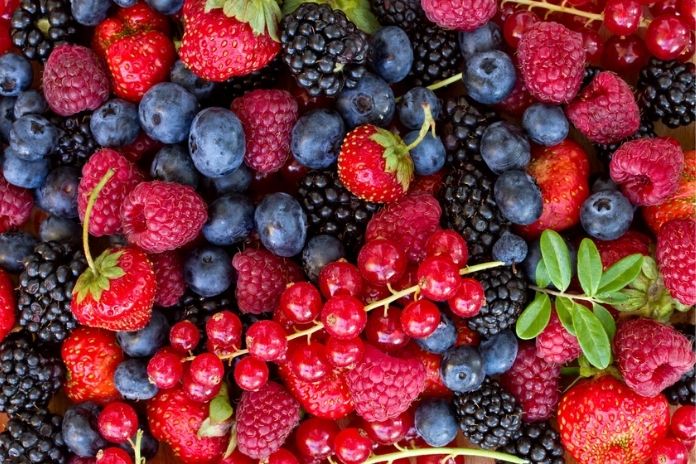
Blueberries, strawberries, raspberries, and blackberries are among the sweetest-tasting fruits with some of the lowest blood sugar effects. Strawberries have a GI of about 41, while blueberries have a GI of approximately 53.
However, GI alone does not tell the full story. Blueberries have a glycemic load of just 2.4 per quarter-cup serving, placing them firmly in the low-impact category. The secret lies in their fiber content. Fiber slows gastric emptying and reduces the rate at which carbohydrates are broken down and absorbed in the digestive tract. This helps prevent rapid blood sugar spikes.
Berries are also rich in anthocyanins, the pigments responsible for their red, blue, and purple colors. Research suggests anthocyanins may improve insulin sensitivity. A 2016 review found that adding blueberries to the diet improved insulin sensitivity in people with insulin resistance.
2. Dark Chocolate (70% Cocoa or Higher)
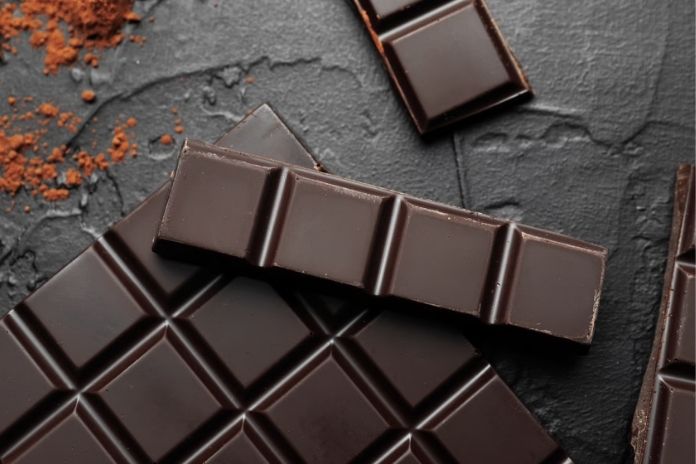
Dark chocolate is one of the most surprising entries on this list. Chocolate with at least 70% cocoa has a GI of approximately 23, making it much lower than many people expect. The reason is simple: cocoa butter contains significant amounts of fat, which slows gastric emptying and glucose absorption.
Dark chocolate also contains polyphenols, plant compounds that may support insulin sensitivity and metabolic health. However, portion size matters. Most research focuses on servings of about 30-40 grams. Within that range, dark chocolate has a relatively modest blood sugar impact.
Milk chocolate is different. Its GI is approximately 43, and it generally contains more added sugar. White chocolate typically has the highest sugar content and the greatest impact on blood glucose.
3. Sweet Potato
Sweet potatoes are naturally sweet, but they can have a lower impact on blood sugar than many regular potatoes. Boiled sweet potatoes generally have a GI ranging from about 44 to 54. By comparison, baked white potatoes often exceed a GI of 80.
Sweet potatoes contain more fiber than many white potato varieties and provide resistant starch, a type of carbohydrate that resists digestion in the small intestine. Because resistant starch is digested more slowly, causing a gentler rise in blood sugar. One important detail is the cooking method.
Boiled sweet potatoes have a GI of around 44 to 94, but baked sweet potatoes can reach a GI of approximately 94. That’s nearly as high as some baked white potatoes.
4. Plain Greek Yogurt
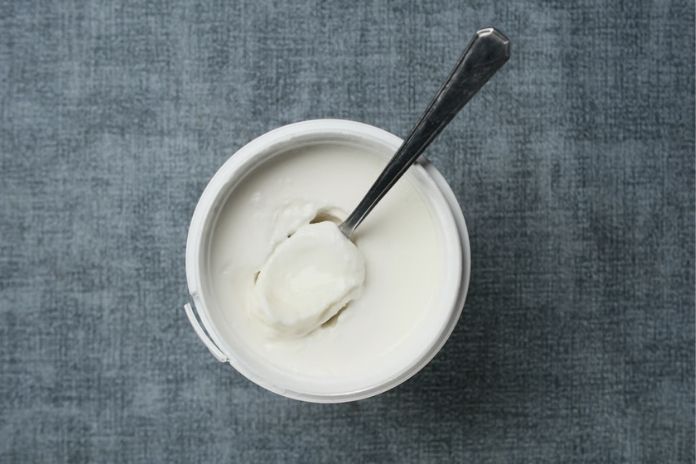
Plain Greek yogurt offers a naturally mild sweetness while maintaining a very low blood sugar impact. Its GI is approximately 11, making it one of the lowest-GI foods commonly found in grocery stores. During fermentation, bacteria convert much of the lactose (milk sugar) into lactic acid. This reduces the sugar content compared with many other dairy products.
Greek yogurt is also rich in protein, often providing 15 to 17 grams per serving. Protein slows gastric emptying and helps reduce rapid glucose absorption. For a blood-sugar-friendly option, choose plain Greek yogurt and add fresh berries for natural sweetness. Always check the nutrition label for added sugars.
5. Cherries
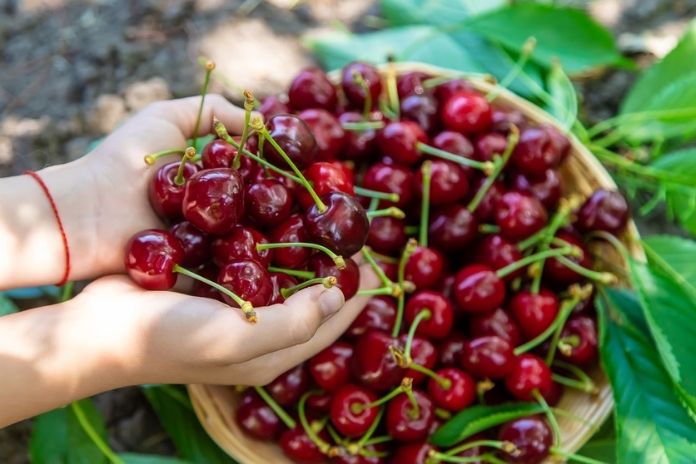
Cherries are surprisingly sweet for a fruit with such a low GI. Their GI is approximately 22, making them one of the lowest-GI fruits available. Part of the reason is that cherries contain sorbitol, a naturally occurring sugar alcohol that is absorbed more slowly than many other sugars.
Cherries are also rich in anthocyanins, which may support insulin sensitivity and healthy glucose metabolism. Some research suggests sour cherries may offer slightly greater metabolic benefits than sweet cherries, particularly because of their anthocyanin content.
6. Slightly Underripe Banana
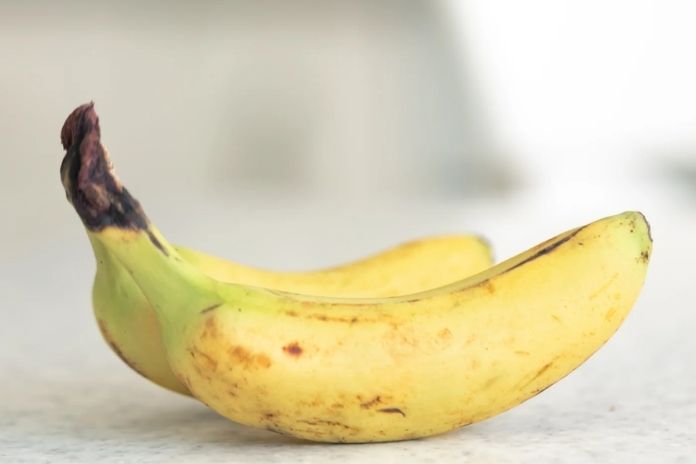
Bananas often get a bad reputation among people watching their blood sugar, but ripeness makes a big difference. A barely ripe banana that still has some green coloring typically has a GI between 30 and 40. Once a banana becomes fully ripe or overripe, its GI may rise to around 60 to 65.
The reason involves resistant starch. Less-ripe bananas contain more resistant starch, which passes through the small intestine without being fully digested into glucose. As bananas ripen, this resistant starch gradually converts into simple sugars.
The sweeter the banana becomes, the faster it can affect blood sugar. For a lower-impact option, choose a just-ripe banana and eat it whole rather than blending it into a smoothie. Keeping the fruit intact preserves its fiber structure and slows digestion.
7. Stevia and Monk Fruit Sweeteners
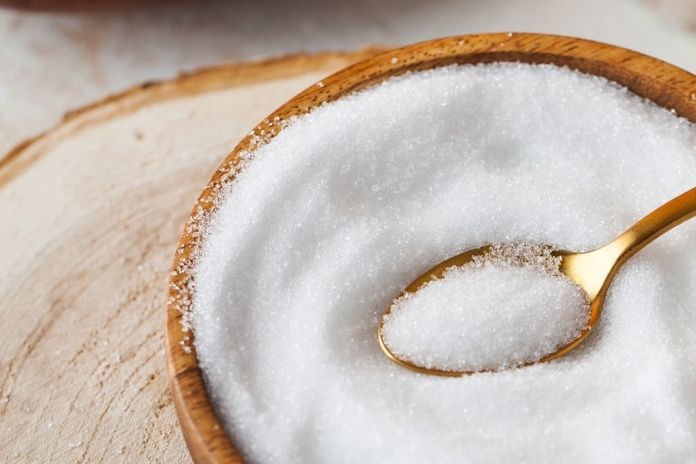
Stevia and monk fruit are natural sweeteners that provide sweetness without significantly affecting blood sugar. Both have a GI of zero and contain virtually no calories. Stevia is derived from the leaves of the stevia plant.
A 2024 meta-analysis found that stevia did not significantly affect blood glucose levels or HbA1c, making it a useful alternative for people trying to reduce sugar intake. Monk fruit gets its sweetness from compounds called mogrosides. These compounds are not metabolized into glucose in the same way that regular sugars are, which explains their negligible effect on blood sugar.
That said, it’s important to keep expectations realistic. A 2023 World Health Organization guideline concluded that non-sugar sweeteners should not be relied upon as a long-term weight management strategy. Their blood sugar neutrality is well supported, but their weight-loss benefits remain less certain.
8. Allulose
Allulose is one of the newest sweeteners gaining attention among diabetes researchers and nutrition experts. This rare sugar occurs naturally in small amounts in foods such as dried fruits, figs, and maple syrup. Although it is chemically similar to fructose, the body handles it very differently.
Most allulose is not absorbed or metabolized into glucose. As a result, it contributes only about 0.4 calories per gram and has a negligible effect on blood sugar. Research is especially promising. A 2024 study found that allulose significantly improved post-meal blood glucose levels and HbA1c among people with type 2 diabetes.
Another interesting fact is that the U.S. Food and Drug Administration does not require allulose to be counted as an added sugar on nutrition labels because of its minimal metabolic impact. While more long-term research is still needed, allulose appears to be one of the most promising low-glycemic sweeteners available today.
Read More: Is Monk Fruit the Healthiest Sugar Substitute? Everything You Need to Know
FAQs
Q. Can people with diabetes eat sweet foods?
A. Yes. Not all sweet foods raise blood sugar equally. Fiber, fat, protein, portion size, and the type of sugar present all influence the body’s glucose response. The foods discussed above have evidence supporting a lower impact than their sweetness suggests. However, people with diabetes should work with their registered dietitian or diabetes care team.
Q. What is the difference between glycemic index and glycemic load?
A. Glycemic index measures how quickly a food raises blood glucose on a scale from 0 to 100. Glycemic load takes GI one step further by accounting for the amount of carbohydrate in a typical serving.
Q. Is dark chocolate good for blood sugar?
A. Dark chocolate containing at least 70% cocoa has a GI of approximately 23 and generally has a low blood sugar impact when eaten in moderate portions of about 30 to 40 grams.
The Bottom Line
Managing blood sugar does not require eliminating sweetness from your life. Instead, it helps to understand what drives the glucose response. Fiber slows absorption, protein and fat slow digestion, preparation methods affect GI, and different sugars behave differently in the body.
By understanding these mechanisms, food choices become less about restriction and more about informed decisions. The eight foods above show that sweetness and blood sugar control can often coexist within a balanced, evidence-based eating pattern.
References
- American Journal of Clinical Nutrition. (2026). [Article title unavailable from URL]. The American Journal of Clinical Nutrition.
- Manna Health. (n.d.). Blueberries glycemic index and glycemic load.
- Vively. (n.d.). What is the glycaemic index of a banana?
- Yogurt in Nutrition. (n.d.). What are the health benefits of yogurt?
In this Article