



















Drinks that raise cholesterol rarely get the same attention as food. Most people trying to improve a cholesterol report start by looking at what is on their plate. Red meat gets reduced. Cheese gets blamed. Fried food gets pushed to weekends. The glass beside the plate usually stays untouched.
High cholesterol affects nearly 25 million American adults and remains one of the biggest risk factors for heart disease. Yet drinks are often where people accidentally consume ingredients that influence cholesterol levels. Partly because drinks do not feel like food. A large coffee, a sweet iced tea, and a couple of cocktails after work. None of them looks especially substantial.
Another thing. People tend to repeat beverage habits much more consistently than food habits. Dinner changes from day to day. Coffee orders often stay exactly the same for years. That is why some cholesterol-raising drinks can have a bigger effect than people expect. Not because of one serving. Because of repetition.
Alcohol has its own effects on both triglycerides and HDL. Different drinks trigger different mechanisms, which is why the replacement matters as much as the drink itself.
- French press and other unfiltered coffees contain cafestol, a compound known to raise LDL cholesterol. Sugary drinks raise cholesterol through fructose-driven fat production in the liver.
- Excess alcohol raises triglycerides and can worsen lipid profiles, and large specialty coffee drinks often contain significant saturated fat.
- Whole milk becomes relevant mainly when consumed in large daily amounts. Coconut milk drinks can contain surprisingly high levels of saturated fat.
Read More: Statins: Everything You Need to Know About Cholesterol-Lowering Drugs
Drink 1: Unfiltered Coffee
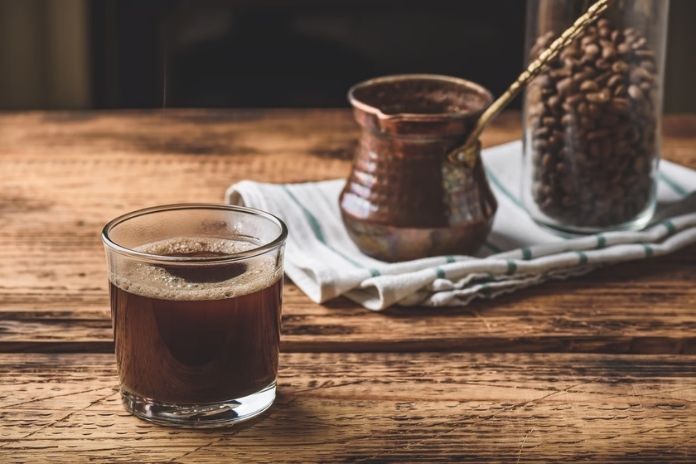
Coffee is usually discussed in terms of caffeine, sleep, energy, and maybe blood pressure. Cholesterol rarely enters the conversation. Yet the way coffee is brewed can make a measurable difference to LDL levels. “Five to eight cups a day of unfiltered coffee may actually raise your ‘bad’ LDL cholesterol,” says Dr. Eric Rimm, a professor of epidemiology.
French press coffee, plunger coffee, Turkish coffee, and traditional boiled coffee all have one thing in common. They are unfiltered. That means natural coffee oils remain in the finished drink. Those oils contain compounds called cafestol and kahweol, both part of a group known as diterpenes. Paper filters trap most of them. Unfiltered brewing methods do not.
Among known dietary compounds, cafestol has a reputation: researchers rarely give anything. Gram for gram, it is considered one of the most potent dietary cholesterol-raising substances identified so far.
Clinical studies have repeatedly found that regular consumption of unfiltered coffee raises LDL cholesterol. The increase varies depending on how much coffee is consumed, but rises of around 5% to 15% have been reported. What makes this interesting is that coffee itself is not the issue. The brewing method is.
Instant coffee contains very little cafestol. Standard drip coffee made through paper filters removes most of it. Even many espresso-based drinks contain much lower amounts than French press coffee.
There is a practical lesson here. Some people spend years reducing butter, cheese, and red meat while drinking multiple large French press coffees every day without knowing those cups are contributing to the same cholesterol conversation.
The easiest swap is paper-filtered drip coffee. It keeps the coffee habit intact while removing most cafestol exposure. For heavy coffee drinkers, that single change may have more impact than expected.
Drink 2: Sugary Drinks

Most cholesterol discussions focus on fat. Sugar tends to get discussed separately. That separation is part of the problem. Research reported by Harvard Health followed 85 adults who consumed beverages sweetened with different levels of high-fructose corn syrup. LDL cholesterol increased as fructose content increased.
Higher sweetener levels produced larger changes. The mechanism is completely different from saturated fat. Fructose is handled primarily by the liver. When intake becomes high, the liver starts converting some of that excess sugar into fat through a process called de novo lipogenesis.
The result is increased production of VLDL particles, which eventually contribute to higher triglycerides and LDL cholesterol. This explains something many people find confusing. A drink can contain zero fat and still push cholesterol markers in the wrong direction.
Regular soft drinks are an obvious source. But they are not the only ones. Sweetened fruit drinks, bottled iced teas, energy drinks, café beverages loaded with syrup, and many flavored coffee drinks can contribute substantial amounts of fructose. People often notice the sugar in desserts. They are less likely to notice the sugar dissolved in liquids.
That difference matters because liquids are easy to consume quickly and repeatedly. The better swap is not complicated. Sparkling water with citrus. Unsweetened iced tea. Plain soda water. Naturally flavored water without added sugar. None of them triggers the same fructose load.
Drink 3: Alcohol in Excess

Alcohol discussions around cholesterol are often confusing. A lot of articles try to reduce it to one sentence. The evidence does not really allow that. Moderate alcohol intake has been associated with modest increases in HDL cholesterol. That part is true.
What often gets left out is that higher HDL does not automatically mean lower cardiovascular risk. Researchers have become much more cautious about treating HDL increases as a health benefit by themselves. The bigger concern is what happens when alcohol intake rises.
Alcohol is metabolized in the liver, where it promotes triglyceride production. As triglycerides climb, overall lipid profiles can worsen. High triglycerides are now taken much more seriously than they were years ago and are routinely assessed alongside LDL cholesterol. Another practical point rarely discussed: people usually do not drink alcohol by itself.
Many cocktails combine alcohol with sugar-heavy mixers, syrups, cream liqueurs, condensed milk, whipped toppings, or sweet flavorings. Instead of one cholesterol-related pathway, you get several operating together. The cholesterol discussion around alcohol is therefore less about choosing the “right” alcoholic drink and more about quantity.
No particular beer, wine, or spirit becomes harmless once intake becomes excessive. “You’re not going to drink your way to better health,” says interventional cardiologist Dr. Leslie Cho. For people concerned about cholesterol or triglycerides, reducing overall alcohol consumption remains the recommendation supported by the strongest evidence.
Drink 4: Creamy Blended Coffee Drinks
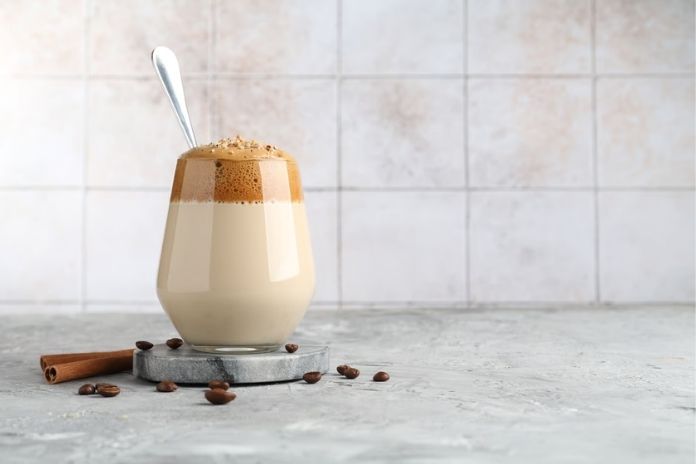
Coffee shops have quietly changed what coffee means. Many speciality drinks sold today contain far more than coffee. They can include whole milk, cream, whipped toppings, flavored syrups, chocolate sauces, caramel drizzles, and dessert-style additions.
A large blended coffee from a typical chain can easily contain 8 to 12 grams of saturated fat. Sometimes more. Most people would immediately recognize a high-fat meal. They are less likely to recognize a high-fat beverage.
That distinction sounds minor, but it shows up in real life all the time. Someone may avoid fast food because of cholesterol concerns and then order a large whipped-cream coffee on the way home. The body does not care whether saturated fat arrived on a plate or through a straw.
Another reason these drinks matter is volume. Drinking calories and saturated fat generally requires less effort than eating them. Large servings disappear surprisingly fast. There is strong evidence that higher saturated fat intake raises LDL cholesterol. These drinks deliver that saturated fat in a form many people simply do not register as significant.
The swap does not require abandoning coffee culture altogether. Switching to oat milk, almond milk, or soy milk cuts out most dairy saturated fat. Removing whipped cream usually removes the richest component immediately. A simple oat-milk flat white has a very different nutritional profile from a large blended coffee covered in toppings.
Read More: Blood Tests for Heart Disease: Beyond Cholesterol — What Markers Really Matter?
Drink 5: Whole Milk in High Volumes
This section needs some balance because whole milk is not a villain. It is a nutrient-rich food. Many people consume it without any obvious issue. The discussion becomes relevant when the volume increases.
A 250 ml glass of whole milk contains roughly 4.8 grams of saturated fat. One glass a day is not generally what worries lipid specialists. Two, three, or more large servings every day start becoming more meaningful.
People often underestimate milk intake because it arrives from different directions. A glass with breakfast. Another with tea or coffee. Maybe a protein shake later. By evening, intake can be much higher than expected. At that point, saturated fat from milk begins making a noticeable contribution to daily totals. The issue is not milk itself. It is cumulative intake.
For people who drink large amounts regularly, semi-skimmed or skimmed milk can reduce saturated fat significantly while keeping most nutritional benefits. Among plant-based alternatives, soy milk has some of the strongest evidence supporting a neutral or favorable effect on cholesterol levels.
Drink 6: Coconut-Based Drinks
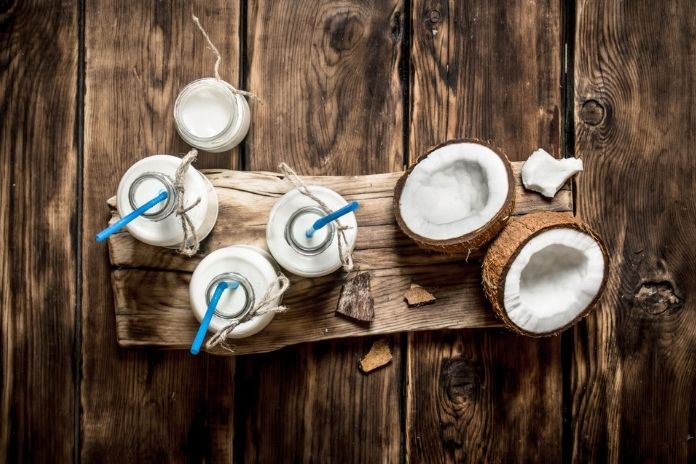
Few foods have undergone a bigger image makeover than coconut. For years, coconut products were promoted as a healthier type of fat. The marketing was often stronger than the cholesterol evidence. Coconut milk contains around 20 to 24 grams of saturated fat per 250ml serving. That is roughly five times more than whole milk. Coconut cream contains even more.
This catches many people off guard because coconut products are often associated with wellness-focused diets. From a cholesterol perspective, saturated fat is still saturated fat. Smoothies made with coconut milk, coconut-based lattes, café drinks, and some ready-made beverages can contain surprisingly large amounts.
Sometimes the saturated fat content rivals what people would get from a substantial serving of meat. The practical alternative depends on what someone is trying to keep. If it is the tropical flavor, small amounts of coconut can still be used without making coconut milk the main ingredient.
Coconut water is also worth mentioning because it is nutritionally very different. It contains little fat and does not carry the same cholesterol concerns. That distinction gets missed quite often. Coconut water and coconut milk are usually discussed together despite being completely different products.
Read More: Fibermaxxing for Cholesterol: Why Psyllium Husk May Lower LDL Better Than “Heart-Healthy” Cereals
Conclusion
When people try to improve cholesterol levels, food usually receives all the attention. Drinks often escape review altogether. That can be a mistake.
Unfiltered coffee, sugary drinks high in fructose, excess alcohol, creamy coffee beverages, high-volume whole milk intake, and coconut milk drinks can all raise cholesterol through different mechanisms. Some affect LDL directly. Others increase triglycerides or alter lipid production in the liver.
Often, the solution is not removing a drink completely. Changing the brewing method, choosing a lower-fat version, reducing portion size, or replacing a daily habit with a lower-risk alternative can shift cholesterol numbers more than many people realize.
- Cholesterol-related drinks often become important because they are consumed repeatedly.
- Unfiltered coffee has a direct LDL-raising effect through cafestol and kahweol.
- Sugary drinks can affect cholesterol even when fat content is zero because fructose changes how the liver produces lipids.
- Saturated fat from beverages is commonly underestimated compared with saturated fat from food.
- Research still has gaps around newer beverage categories. Long-term cholesterol effects remain less clear than for traditional drinks.
FAQs
1. Does coffee raise cholesterol?
Coffee does not significantly raise cholesterol for most people; brewing method determines the effect. Unfiltered coffee contains cafestol and kahweol, which increase LDL cholesterol. Paper-filtered coffee removes these compounds, making it a safer option for cholesterol control.
2. Does alcohol raise or lower cholesterol?
Alcohol can raise or lower cholesterol depending on intake and lipid type. Light consumption may increase HDL slightly, but higher intake raises triglycerides and worsens lipid profiles. No alcohol type reliably improves LDL cholesterol or overall cardiovascular risk.
3. What is the best drink for lowering cholesterol?
Soy milk is among the best drinks for lowering cholesterol due to its LDL-reducing effects. Soy protein improves cholesterol metabolism and clearance. Green tea, oat drinks, and fiber-rich smoothies offer additional modest benefits, while water remains metabolically neutral.
References
- Ali, K. M., Wonnerth, A., Huber, K., & Wojta, J. (2012). Cardiovascular disease risk reduction by raising HDL cholesterol – current therapies and future opportunities. British Journal of Pharmacology, 167(6), 1177–1194.
- Harvard Health. (2015, June 12). Sugary drinks may raise levels of harmful blood fats.
- Mo, C., Duan, X., Pu, J., Zhou, X., Zheng, Y., & Wang, S. (2025). Coffee consumption as a double-edged sword for serum lipid profile: findings from NHANES 2005–2020. Frontiers in Nutrition, 12.
- Moore, J., Gunn, P., & Fielding, B. (2014). The Role of Dietary Sugars and De novo Lipogenesis in Non-Alcoholic Fatty Liver Disease. Nutrients, 6(12), 5679–5703.
- Shi, S., Wang, W., Wang, F., Yang, P., Yang, H., He, X., & Liao, X. (2025). Research Progress in Coconut Water: A Review of Nutritional Composition, Biological Activities, and Novel Processing Technologies. Foods, 14(9), 1503.
In this Article