



















One of the most widely used drugs in contemporary medicine, statins are particularly effective at lowering cholesterol and reducing the risk of heart disease. If a doctor has ever told you that you have high cholesterol or an increased risk of heart problems, you have probably heard of statins for cholesterol.
We’ll explain what statins are, how they work, their advantages and disadvantages, and who should think about taking them in this in-depth post. We’ll also go over the differences between statins vs lifestyle changes, talk about the statin side effects, and explain how long you might need to continue treatment.
- Statins lower “bad” cholesterol (LDL) and reduce heart attack and stroke risk.
- They work best when combined with healthy lifestyle changes like diet and exercise.
- Side effects are possible but manageable; always consult your doctor before stopping.
Read More: High Cholesterol but Healthy: When Statins Might Not Be Enough
What Are Statins and Why Are They Prescribed?
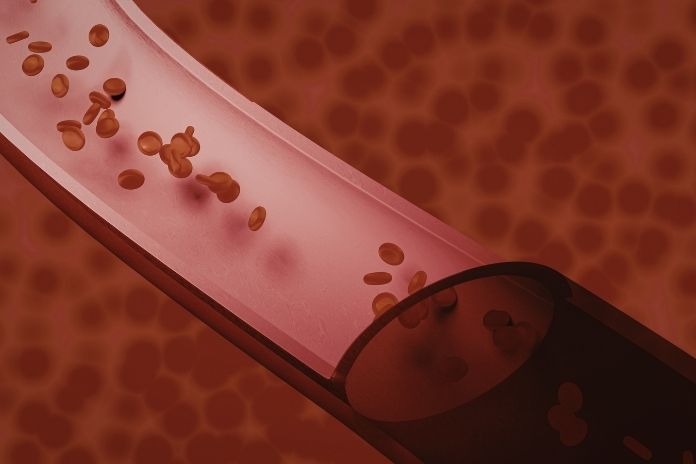
Prescription statin medications are taken as pills to reduce cholesterol. Cholesterol is a crucial component of cell membranes. But if you have too much, it can accumulate inside the artery walls. We refer to this as plaque.
A high-cholesterol plaque can cause heart disease in several ways. Your arteries may constrict or possibly become blocked due to cholesterol accumulation. A heart attack or stroke may result from a blood clot that develops when a cholesterol plaque bursts.
Additionally, cholesterol can cause arterial inflammation, which may lead to the formation of clots that obstruct blood flow. If you have high cholesterol and changing your lifestyle isn’t enough to lower it, your doctor may recommend statins. The most popular medications for treating high cholesterol are statins.
How Statins Work to Lower Cholesterol
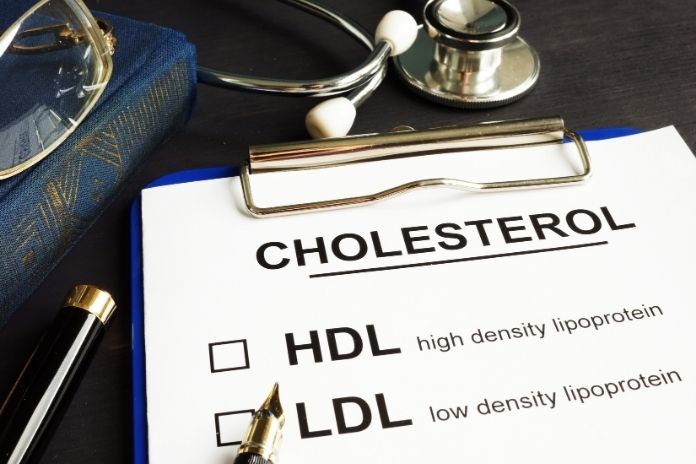
Statins disrupt the process by which your liver produces cholesterol, particularly LDL, the “bad” variety. Another type of cholesterol that can lead to plaque accumulation is triglycerides. Experts have long labeled HDL as the “good” cholesterol because it helps the body remove LDL.
However, researchers no longer focus on modifying HDL, as studies have not shown that it lowers the risk of heart disease. Statins lower LDL levels. It reduces the rate at which cholesterol accumulates in your arteries.
Additionally, statins lessen arterial wall inflammation. Statins can help prevent your arteries from rupturing and forming blood clots if you have plaque buildup inside them. You will most likely use a statin (or any other medication that lowers cholesterol) for the rest of your life. Your statin protection will wear off if you stop taking it.
Common Types of Statin Medications
The Food and Drug Administration (FDA) of the United States has authorized eight statins:
- Lipitor, or Atorvastatin
- Lescol, or Fluvastatin
- Lovastatin (Mevacor)
- Extended-release lovastatin (Altoprev)
- Pitavastatin (Livalo)
- Pravachol, or pravastatin
- Rosuvastatin (Crestor)
- Simvastatin (Zocor)
Your doctor considers several factors to determine which statin will be most effective for you. They include additional medications you are taking and the amount you need to reduce your LDL. People may get adverse effects from one statin but be able to handle another.
Read More: Triglycerides Too High? 9 Everyday Habits That Quietly Push Them Up—and How to Lower Them
Who Should Consider Taking Statins?
If your risk of a heart attack or stroke is high, you should take statins. It includes those with coronary heart disease or those who have previously experienced a heart attack or stroke. Statins are not necessary for everyone with high cholesterol. It depends on your risk of developing cardiac issues.
Your physician can determine your cardiovascular disease risk. In addition to high cholesterol, the following variables raise your risk:
- Not exercising enough
- Elevated blood pressure
- Either vaping or smoking
- Diabetes and kidney illness
- Obese or overweight
- Older age
- A family history of early-life stroke or heart attack
If you have other health problems, your doctor may prescribe statins even if your cholesterol is normal.
Benefits of Statins Beyond Lowering Cholesterol
Statins are well known for reducing low-density lipoprotein (LDL) cholesterol, but they also offer many other benefits. Their effect on artery-clogging plaque, which is the true cause of heart attacks, is one of their most significant roles.
Over time, atherosclerotic plaque accumulates in the blood vessel walls. There are various versions of this plaque:
- Soft, fatty plaque
- Fibrous plaque
- Plaque that has calcified
The most dangerous type of plaque is soft, non-calcified plaque. These are the unstable plaques that have the highest risk of rupturing and forming a blood clot that could result in a stroke or heart attack.
Possible Side Effects of Statins
The following variables may make statin side effects more likely:
Muscle Damage and Pain: One of the most frequent complaints from statin users is muscle soreness. This pain could manifest as muscle weakness, fatigue, or soreness. The discomfort may be minor or severe enough to interfere with day-to-day activities.
Liver Damage: Using statins may occasionally increase liver enzyme levels. These enzymes indicate inflammation. You can keep taking the statin if the rise is only slight. In rare cases, you might need to try a new statin if the increase is significant.
Type 2 Diabetes or Elevated Blood Sugar: Taking a statin may cause your blood glucose (blood sugar) to rise. Type 2 diabetes could result from this. The U.S. Food and Drug Administration (FDA) has added a warning about blood glucose levels and diabetes to statin labels due to a slight but significant risk.
Neurological Adverse Effects: The FDA notes on statin labeling that some statin users have experienced confusion or memory loss. Once you stop taking the medications, these negative effects go away.
Numerous studies have determined that statins have no effect on memory, and there is little evidence to support a cause-and-effect relationship. If you have disorientation or memory loss while taking statins, speak with your care provider.
Read More: Can You Eat Eggs If You Have High Cholesterol?
What Increases the Risk of Statin Side Effects?

The following variables may make statin side effects more likely:
- Taking several medications to reduce cholesterol
- Using medications that cause statin side effects
- Taking a statin at its maximum dosage
- Having a more compact body
- Being at least 80 years old
- Suffering from liver or kidney illness
- Excessive alcohol consumption
- Overindulging in grapefruit juice can interact harmfully with certain statins
These elements also affect statin intolerance, a condition in which patients are unable to handle recommended dosages.
How Long Do You Need to Take Statins?
How long to take statins is a typical issue. After taking a statin for the first time, results can be seen within a few weeks.
Cardiologist Dr. Ashish Sarraju, MD, says, “You can see changes to your LDL levels within four weeks of taking a statin medication. Within one to three months, you’ll see noticeable improvement. By the time you’re at the three-month mark, you’re seeing more or less the full effect of the statin, regardless of which type of statin you’re taking.”
“In general, your doctor can make treatment decisions by checking your cholesterol levels about four to six weeks after starting treatment,” adds Dr. Sarraju.
Your doctor may increase your statin dosage if your LDL levels do not decline after taking it.
Statins vs Lifestyle Changes: Do You Still Need Both?
Statins vs. lifestyle changes are a highly debated topic. In actuality, both are significant.
Lifestyle changes include:
- A nutritious diet
- Regular physical activity
- Control of weight
- Quitting smoking
Lifestyle may be sufficient in certain situations. However, in addition to lifestyle changes, statins for cholesterol are required for many high-risk individuals. Combining the two is the ideal strategy because they work together to lower LDL cholesterol and improve overall health.
Read More: How to Lower Cholesterol During Menopause: Effective Strategies for Cardio Health
Tips for Taking Statins Safely
To use statins safely, you should take statins as directed. You shouldn’t stop taking this medication on your own because doing so could cause major issues or, in extreme situations, even death. If you would like to discontinue taking your statin or switch to a different medication, speak with your doctor.
Find out from your doctor what additional medications, dietary supplements, or foods you should stay away from. Certain substances have the potential to interfere with statins, resulting in severe adverse effects or reducing their efficacy. For instance, grapefruit, whether fresh or in juice, affects how your liver breaks down certain statins.
Report any symptoms or adverse effects to your healthcare physician. People who use statins occasionally complain of muscular issues. Your doctor may prescribe a blood test to check for muscle damage if you start experiencing muscle pain. If you go to a different statin, the pain might disappear. Statin-related muscle damage is uncommon, and switching to a different medication may help your muscles repair.
When to Talk to Your Doctor About Statins

See your physician if:
- Despite changing your lifestyle, your cholesterol is still elevated
- Heart disease runs in your family
- You experience statin side effects
- You have concerns about statin intolerance
- You want to understand the benefits and risks of statins
Read More: Cholesterol Myths vs. Facts: Debunking Common Misconceptions
Conclusion
By lowering LDL levels and protecting against dangerous conditions like heart attack and stroke, statins for cholesterol play a critical role in reducing cardiovascular disease risk. Although lifestyle modifications are still crucial, many people gain a great deal by combining them with statin medication.
Making educated judgments about your health is easier when you understand how these drugs work, as well as their potential advantages and disadvantages. Tailor treatment to your risk factors and overall health profile, and consult your healthcare professional to determine the best course of action for your specific needs.
References
- Harvard Health Publishing. (2023, November 29). Statins: Types, uses, side effects, and alternatives.
- National Library of Medicine. Statins.
- Healthdirect Australia. Statins.
- Cleveland Clinic. (12 March, 2024). Statins.
- Mayo Clinic. (July 21, 2025). Statin side effects: Weigh the benefits and risks.
- Drugs.com. (2024, December 18). HMG-CoA reductase inhibitors (statins).
- Laura Joszt, MA. (June 1, 2017). Statins Have Heart Benefits Beyond Lowering Cholesterol.
In this Article