


















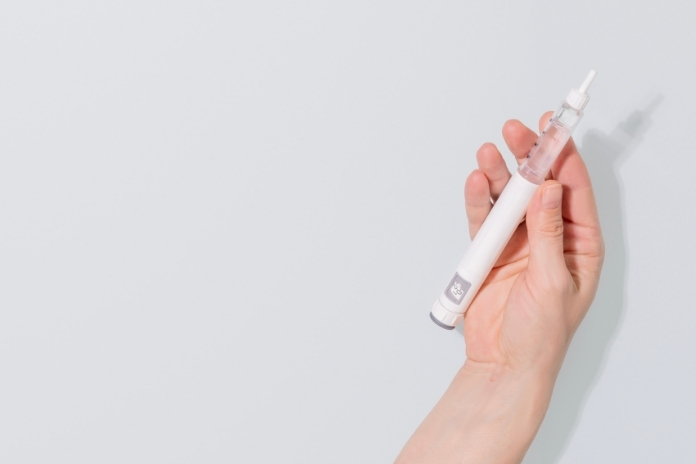
When a patient walks into an endocrinology clinic today asking whether anything stronger than Ozempic or Wegovy is on the horizon, the conversation often turns to CagriSema. The question reflects a real shift in obesity care. Patients want results that hold up over years, not months, and clinicians want tools that address weight and metabolic health in the same prescription.
CagriSema, an investigational once-weekly injection from Novo Nordisk, is one of the most closely watched answers to that demand. It pairs semaglutide, the GLP-1 receptor agonist already familiar from Ozempic and Wegovy, with cagrilintide, a long-acting amylin analog. Together, the two molecules target hunger and satiety through distinct biological pathways simultaneously.
The CagriSema GLP-1 drug program has now produced phase 3 data in more than 4,600 adults across the REDEFINE clinical trials, including people with obesity alone and people with type 2 diabetes. Early results suggest weight loss in the highest range seen with non-surgical therapies to date.
This article walks through how CagriSema works, what the trials actually showed, the side effect profile, where it fits among new GLP-1 medications 2026 will likely bring, and what U.S. patients need to know before approval.
- CagriSema is an investigational once-weekly injection that combines semaglutide with cagrilintide, a long-acting amylin analogue made by Novo Nordisk.
- In the REDEFINE 1 phase 3 trial, adults without diabetes lost an average of 20.4 percent of body weight over 68 weeks compared to 3 percent with a placebo.
- In REDEFINE 2, adults with type 2 diabetes lost 13.7 percent of body weight on average, with strong improvements in HbA1c control.
- Novo Nordisk submitted CagriSema to the FDA in December 2025, with a regulatory decision expected by late 2026.
Read More: GLP-1 Side Effects: When to Worry and When to Continue Treatment
What Is CagriSema?
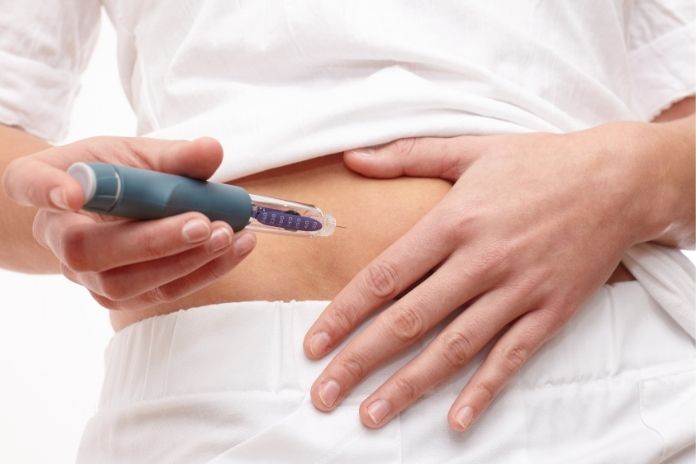
CagriSema is a fixed-dose combination therapy that delivers cagrilintide 2.4 mg and semaglutide 2.4 mg in a single subcutaneous injection given once a week. It is being developed jointly for chronic weight management and for adults with type 2 diabetes who also carry excess weight. Both molecules are made by Novo Nordisk.
The drug is currently investigational in the United States. According to a Novo Nordisk press release, CagriSema for weight management was submitted to the U.S. FDA in December 2025, and a decision is anticipated by late 2026. Until then, it cannot be prescribed outside of clinical trials.
What sets Novo Nordisk CagriSema apart from currently approved GLP-1 medications is the second hormone in the formulation. Semaglutide alone, sold as Wegovy for weight loss and Ozempic for diabetes, acts only on the GLP-1 receptor. Cagrilintide acts on amylin and calcitonin receptors, a separate signaling pathway involved in satiety and food reward.
W. Timothy Garvey, MD, Butterworth Professor of Medicine at the University of Alabama at Birmingham and lead author of the REDEFINE 1 trial, told UAB News that the combination has the potential to reshape the future of obesity treatment. He emphasized that this is the first phase 3 program to study a long-acting amylin analog in this way.
How CagriSema Works in the Body
The body regulates hunger, fullness, and blood sugar through several overlapping hormone systems. CagriSema deliberately engages two of them. Understanding the mechanism makes the trial results easier to interpret and gives a sense of why side effects look the way they do.
GLP-1 Component and Appetite Control
Semaglutide is a GLP-1 receptor agonist, meaning it mimics the natural intestinal hormone glucagon-like peptide-1. When activated, GLP-1 receptors in the brain reduce appetite and increase the feeling of fullness after meals. This is the same mechanism that drives weight loss in people taking Wegovy or Ozempic.
GLP-1 also slows gastric emptying, so food stays in the stomach longer. Many patients describe feeling satisfied with smaller portions and losing interest in snacking between meals. That shift in eating behavior, more than any direct fat-burning effect, drives most of the weight reduction observed.
In adults with type 2 diabetes, semaglutide also stimulates insulin secretion in response to elevated glucose and suppresses inappropriate glucagon release from the liver. The result is lower fasting and post-meal blood sugar without the hypoglycemia risk that comes with insulin secretagogues used alone.
Amylin Analog Component
Cagrilintide is the second active ingredient and the more novel one. Amylin is a hormone secreted from the pancreas alongside insulin in response to meals. In people with obesity, amylin signaling is often blunted, which contributes to a weaker sense of fullness.
A comprehensive review published in Pharmaceuticals and indexed on PubMed Central describes how amylin and its analogs act primarily on the area postrema in the hindbrain to reduce food intake, slow gastric emptying, and suppress glucagon secretion. Cagrilintide is engineered to last about a week in the body, which makes once-weekly dosing practical.
By restoring an amylin signal that obesity tends to dampen, cagrilintide gives the brain a sharper sense that the meal is over. It also influences food reward pathways, which may explain the reduced cravings reported by trial participants.
Why Combining Both May Improve Outcomes

The two hormones target appetite from different angles. GLP-1 acts mainly on the hypothalamus and parts of the brainstem; amylin acts on the area postrema and influences reward signaling. Combining them produces additive, and possibly synergistic, effects on satiety.
Julio Rosenstock, MD, of Velocity Clinical Research at Medical City Dallas, commented during the ADA 2025 panel that GLP-1 medications produce real weight loss but that people with diabetes consistently respond less to GLP-1 alone. This combination is a credible attempt to push results further by adding cagrilintide to semaglutide.
The dual approach also delivers metabolic benefits beyond appetite suppression. Trial data show improvements in blood pressure, lipid profile, and glycemic markers, suggesting CagriSema affects multiple aspects of cardiometabolic health rather than weight in isolation.
Read More: GLP-1 Side Effects Guide: Warning Signs vs Normal Symptoms
What CagriSema Clinical Trials Say
The REDEFINE phase 3 program forms the main evidence base for CagriSema, with REDEFINE 1 and 2 publishing full results in The New England Journal of Medicine in 2025.
In REDEFINE 1, adults with obesity or overweight without diabetes lost an average of 20.4% of body weight over 68 weeks, compared with 3% on placebo. Participants who stayed fully adherent achieved even greater reductions, with many crossing the 20–25% weight-loss range.
REDEFINE 2 focused on adults with obesity or overweight and type 2 diabetes. Participants lost an average of 13.7% of body weight while also showing major improvements in HbA1c control compared with placebo.
Researchers note that longer-term durability, cardiovascular outcomes, and renal effects still need further study, particularly beyond the 68-week window.
CagriSema vs Existing GLP-1 Medications
In REDEFINE 1, CagriSema outperformed semaglutide and cagrilintide used individually, suggesting the dual-hormone approach may offer stronger weight-loss effects than GLP-1 therapy alone.
Wegovy produces roughly 15% average weight loss over a similar timeframe, while CagriSema approached 20% in trials. Tirzepatide remains its closest competitor, with both therapies showing high-range efficacy among non-surgical obesity treatments. A direct comparison study between the two is ongoing.
Potential Advantages of Dual-Hormone Therapy
One of the biggest questions in obesity treatment is what happens when patients stop responding to GLP-1 therapy alone. Many eventually plateau, even with continued treatment. CagriSema attempts to address that by adding a second hormone pathway rather than simply increasing the GLP-1 effect.
Early trial data suggest the dual approach may be particularly helpful for adults with type 2 diabetes, who often lose less weight on standard GLP-1 medications. Researchers are still studying long-term cardiovascular outcomes, durability beyond two years, and how the drug compares directly with tirzepatide.
Read More: Mounjaro vs. Ozempic: Which Weight Loss Shot Works Better?
Who May Benefit From CagriSema (If Approved)
If approved, CagriSema will likely be indicated for adults with obesity or overweight who also have at least one weight-related condition, including many people with type 2 diabetes. The drug may be especially useful for patients who plateau on single-agent GLP-1 medications like Wegovy or Ozempic, since it combines two appetite-regulating pathways rather than intensifying one alone.
Treatment decisions would still need to be individualized. Conditions such as medullary thyroid carcinoma, MEN 2, severe gastroparesis, pancreatitis, pregnancy, or breastfeeding may affect whether GLP-1-based therapy is appropriate.
Possible Side Effects of CagriSema
The side effect profile in REDEFINE 1 and 2 was similar to other GLP-1 medications, with gastrointestinal symptoms leading. Nausea was most common, followed by constipation, vomiting, diarrhea, and reduced appetite. Most side effects were mild to moderate and improved as treatment continued.
Symptoms were most noticeable during dose escalation, which is why gradual titration remains important. Gallbladder issues and rare cases of pancreatitis were also monitored, particularly in patients experiencing severe abdominal pain. In people using insulin or sulfonylureas, medication adjustments may be needed to reduce hypoglycemia risk.
Discontinuation rates remained relatively low in both trials, though long-term safety data is still being evaluated through ongoing studies.
How CagriSema Is Administered
CagriSema is designed as a once-weekly injection using a gradual dose-escalation schedule to help reduce gastrointestinal side effects. The target dose studied in REDEFINE 1 and 2 combined 2.4 mg of semaglutide with 2.4 mg of cagrilintide in a single injection.
As with other GLP-1-based therapies, consistency matters. Trial participants who remained adherent throughout treatment experienced the strongest weight-loss outcomes, highlighting the importance of long-term use and regular follow-up.
When CagriSema May Become Available

A Novo Nordisk press release confirmed that CagriSema for weight management was filed with the U.S. FDA in December 2025. A regulatory decision is anticipated by late 2026, though FDA review timelines can shift.
Approval in the European Union and other markets is being pursued in parallel, with timelines varying by region. Even after approval, real-world access will depend on insurance coverage, manufacturing capacity, and pricing, all of which have caused supply issues for existing GLP-1 drugs in recent years.
Additional trials are still being read out. REDEFINE 11 is exploring extended treatment duration to test whether more time on therapy pushes weight loss above 25 percent, with results expected in the first half of 2027. A higher-dose CagriSema trial is also planned to start in late 2026.
How CagriSema Fits Into Weight Management Plans
Like other obesity medications, CagriSema works best alongside sustainable lifestyle changes. Participants in the REDEFINE trials followed reduced-calorie diets and increased physical activity throughout treatment. The medication appears to make portion control and appetite regulation easier, but it does not replace long-term habits.
Clinicians also emphasize preserving muscle mass during rapid weight loss through adequate protein intake and resistance training. Long-term planning remains important because stopping GLP-1-based therapy often leads to partial weight regain over time.
Questions to Discuss With a Healthcare Provider
A useful clinic visit before starting any GLP-1 therapy covers eligibility, history, alternatives, and monitoring. Patients should ask whether their BMI and weight-related conditions meet the indication that their insurance will recognize. Coverage rules vary widely.
Medical history needs careful review. A personal or family history of medullary thyroid carcinoma, MEN 2, pancreatitis, gastroparesis, or significant gallbladder disease can shift the risk-benefit balance. Current medications, particularly insulin, sulfonylureas, and oral contraceptives, may need adjustment.
Alternatives are worth discussing openly. Semaglutide, tirzepatide, liraglutide, and bariatric surgery all have different efficacy and tolerability profiles. The right answer depends on goals, comorbidities, prior treatment response, and personal preferences.
Monitoring during treatment usually includes weight, blood pressure, blood glucose or HbA1c, kidney function, and any symptoms suggesting gallbladder or pancreatic issues. Regular follow-up, every 4 to 12 weeks early on, helps catch problems and adjust dosing.
Read More: Ozempic vs. Wegovy: What’s the Difference, and Which One Is Right for You?
Key Takeaway
CagriSema represents one of the most significant advances in obesity and diabetes care since the arrival of semaglutide. By combining GLP-1 receptor activity with amylin signaling in a single weekly injection, the CagriSema GLP-1 drug program has produced phase 3 results in the highest range of efficacy seen with any non-surgical therapy.
The trial evidence so far points to a meaningful average weight loss of around 20 percent in adults without diabetes and around 14 percent in those with type 2 diabetes. Glycemic improvements in the diabetes population are particularly strong, and side effects largely match what is already familiar from the GLP-1 class.
CagriSema is not yet approved and not yet available outside of clinical trials. The FDA decision expected by late 2026 will determine when U.S. patients can access it. Until then, treatment decisions should be made with a qualified clinician based on current options, individual health history, and long-term goals.
References
- American Diabetes Association. (2025, June 22). CagriSema demonstrates significant weight loss in adults with obesity.
- Boyle, C. N., Lutz, T. A., & Le Foll, C. (2025). Amylin: From mode of action to future clinical potential in diabetes and obesity. Pharmaceuticals.
- Davies, M. J., Bajaj, H. S., Broholm, C., Eliasen, A., Garvey, W. T., le Roux, C. W., Lingvay, I., Lyndgaard, C. B., Rosenstock, J., & Pedersen, S. D. (2025). Cagrilintide–semaglutide in adults with overweight or obesity and type 2 diabetes. The New England Journal of Medicine.
- Frias, J. P., Deenadayalan, S., Erichsen, L., Knop, F. K., Lingvay, I., Macura, S., Mathieu, C., Pedersen, S. D., & Davies, M. (2023). Efficacy and safety of co-administered once-weekly cagrilintide 2•4 mg with once-weekly semaglutide 2•4 mg in type 2 diabetes: A multicentre, randomised, double-blind, active-controlled, phase 2 trial. The Lancet.
- Garvey, W. T., Blüher, M., Osorto Contreras, C. K., Davies, M., Glezer, S., Hjelmesæth, J., Kandler, K., le Roux, C. W., Mehta, R., & Lingvay, I. (2025). Coadministered cagrilintide and semaglutide in adults with overweight or obesity. The New England Journal of Medicine.
- Novo Nordisk. (2026, February 23). Novo Nordisk announces headline results from REDEFINE 4 trial.
- University of Alabama at Birmingham. (2025, June 26). Powerful new weight-loss drug helps patients shed 20 percent of body weight, study finds.
- GoodRx. (n.d.). CagriSema for weight loss.
- PatSnap. (n.d.). CagriSema vs. tirzepatide: Amylin GLP-1 vs. GIP/GLP-1.
- Gastroenterology Advisor. (n.d.). CagriSema superior to semaglutide for HbA1c, weight loss in type 2 diabetes.
- Mochi Health. (n.d.). CagriSema: The new GLP-1 and amylin combination that may transform obesity treatment.
- Scientific American. (n.d.). New GLP-1 weight-loss drugs are coming, and they’re stronger than Wegovy, Zepbound.
- Doctronic. (n.d.). CagriSema.
- The Innovation. (2025). CagriSema and obesity treatment research.
In this Article