

















One of the most prevalent yet little-discussed health issues impacting women is vaginal dryness during menopause. Fewer people are ready for menopause vaginal dryness, which can seriously affect comfort, intimacy, and general vaginal health, whereas many anticipate hot flashes and mood swings.
This disorder can cause discomfort, urinary problems, and mental anguish in addition to dryness. This article will discuss why menopause causes vaginal dryness, its symptoms, and how it develops into disorders like genitourinary syndrome of menopause (GSM).
- Dropping estrogen thins and dries tissues, causing progressive Genitourinary Syndrome of Menopause.
- Symptoms cause severe intimacy pain, daily physical discomfort, and recurrent urinary infections.
- Over-the-counter moisturizers provide hydration, while local estrogen treatments target safety effectively.
Read More: Menopause and Depression: Recognizing the Signs and Finding Support
Why Does Vaginal Dryness Happen During Menopause?
The body naturally produces less estrogen as women get older. Because it keeps the tissues supple and lubricated, estrogen, which is involved in many reproductive processes, is also essential for preserving vaginal health. Vaginal dryness may result from the sharp decline in estrogen levels during menopause.
Some women may experience burning, itching, or an increased risk of infections owing to dryness, and sex may become unpleasant or uncomfortable. Even though these symptoms are typical, you should not write them off as “normal” aspects of aging.
Vaginal dryness clearly causes physical discomfort, but it can also have a substantial emotional cost. Some women may avoid intimate settings or feel humiliated due to daily discomfort or pain during sex, which can strain relationships and undermine their confidence.
It’s critical to keep in mind that this is a typical problem. It affects millions of postmenopausal women, and openly discussing the issue can significantly enhance both mental and physical comfort.
Symptoms of Vaginal Dryness Beyond Dryness Alone
The secret to receiving assistance is identifying the symptoms of vaginal dryness. Persistent dryness is the most typical symptom; there are frequently other problems as well, such as:
- Vaginal irritation
- Burning or itchy feelings, even in the absence of sexual activity
- Vaginal pain and irritation
- Painful sexual relations or dyspareunia, or discomfort during penetration
- Soreness in the vagina during sexual activity, even when lubricated
- Discomfort when engaging in some physical activities, like long walks or other forms of exercise
- Urinary tract or vaginal infections are more common
Other changes, like reduced natural vaginal lubrication, a tightening of the vaginal opening, and a narrowing of the vaginal canal, may also manifest if low estrogen is the cause of your vaginal dryness. When combined, these alterations may result in a vicious cycle of discomfort and intimacy avoidance, which may further diminish sexual desire and connection.
What Is Genitourinary Syndrome of Menopause (GSM)?
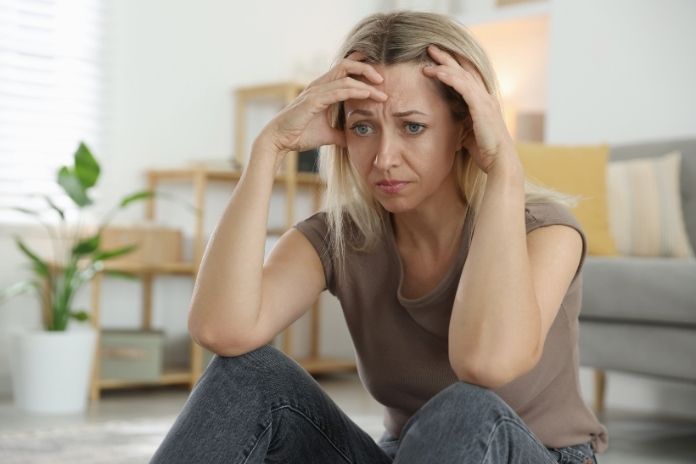
Although menopause is a normal aspect of aging, it’s not always simple. Many women have unanticipated changes in their bladder and vaginal health in the years following their last menstrual cycle. These adjustments may cause discomfort, annoyance, or even agony. However, you can treat them.
The Genitourinary Syndrome of Menopause, or GSM, is one of the most prevalent conditions that women experience during this period. Menopausal genitourinary syndrome is a long-term, progressive disorder of the vulva, vagina, and the lower urinary tract. A collection of symptoms that impact the bladder and vagina following menopause is referred to in medicine as GSM.
A decrease in estrogen, the hormone that keeps these tissues supple, moist, and healthy, causes it. The muscles and skin in these regions may become thin, dry, and irritated if estrogen levels are insufficient. It may result in issues including pain during intercourse, recurrent UTIs, and urine leakage.
Read More: Best Supplements for Menopause: What Works, What Doesn’t
Risk Factors That Can Make Vaginal Dryness More Likely
Although menopause and aging often contribute to vaginal dryness, lifestyle factors can increase your risk of developing it or worsen existing symptoms, even if you are not in that age group.
The following factors might cause or worsen vaginal dryness:
- Menopause and childbirth are examples of hormonal changes
- Certain drugs
- Stress, both mental and physical
- Radiation or chemotherapy treatments
- Smoking
- Medications for allergies
- Some scented products or douching
Effective Treatments for Vaginal Dryness During Menopause
Fortunately, there are treatments for vaginal dryness, painful sex, and associated symptoms. It makes a tremendous difference for many women to start with small answers.
OTC Lubricants and Moisturizers: Water-based lubricants can offer momentary comfort during sexual activity. Regular use of vaginal moisturizers can also help maintain moisture levels over time.
Hormone Replacement Therapy (HRT): HRT can help women with vaginal dryness and other related symptoms by replacing estrogen levels. Furthermore, localized estrogen therapy in the form of creams, rings, or tablets can specifically target the vaginal region. To determine whether these choices are appropriate for your particular requirements, we always advise speaking with your physician.
Lifestyle Modifications: Easy ways to promote your vaginal health include avoiding fragrant soap, using mild cleansers, wearing breathable cotton underwear, and drinking enough water. Regular sex, whether alone or with a partner, and stress reduction can help promote blood flow to the vaginal tissues and natural lubrication.
Local Estrogen Therapy: Local estrogen therapy can be an alternative if the systemic hormone therapy isn’t a good fit. It entails utilizing lotion, rings, or even tablets to deliver estrogen to the vaginal region directly. Compared to full-body hormone treatments, local estrogen therapy has fewer systemic dangers and aids in the restoration of moisture and flexibility to the vaginal tissues.
Maintain a Healthy Diet and Stay Hydrated: Adequate hydration supports the body’s normal moisture levels, particularly in vaginal tissues. A balanced diet that is high in omega-3 fatty acids and plenty of water throughout the day can help maintain overall health and tissue flexibility.
What Does the Research Say About Vaginal Estrogen?
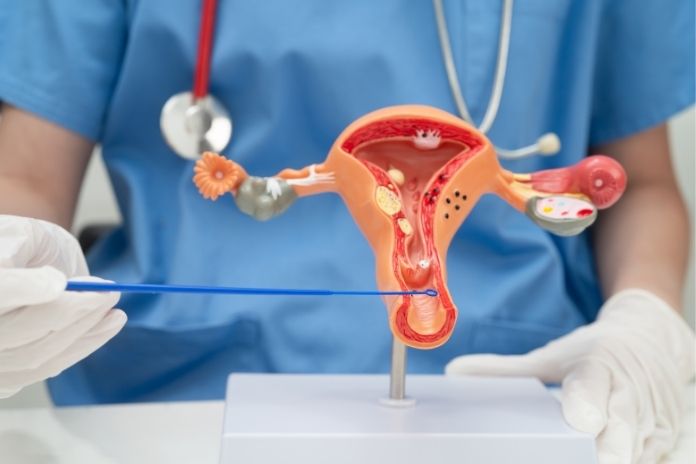
Doctors often treat vaginal dryness with vaginal estrogen. This topical medication replaces the estrogen that your body is no longer producing due to menopause, which may be caused by breast cancer treatment or occur naturally.
There are several low-dose types of vaginal estrogen, including creams, vaginal rings, and vaginal tablets or suppositories. You absorb less estrogen into your system while using vaginal estrogen than when taking it as a tablet because it is topical.
Concerns over vaginal estrogen are common among both medical professionals and those who have been diagnosed with breast cancer. Vaginal estrogen may raise the chance of recurrence (the disease returning) in those with a history of hormone receptor-positive breast cancer, even at modest dosages.
However, research indicates that the body absorbs very little estrogen from vaginal treatment, and the growing body of information indicates that the length of life following breast cancer is unaffected by vaginal estrogen prescriptions.
It may be appropriate to discuss the option of vaginal estrogen with your provider if your symptoms are severe enough and have not improved with non-hormonal therapy.
Read More: How Long Does Menopause Last? What to Expect at Each Stage
Lifestyle Strategies That May Support Vaginal Comfort
Unknowingly, many women engage in behaviors or items that are detrimental to their vaginal health rather than being beneficial. You can significantly reduce the discomfort and infection by making small adjustments to your daily routine.
Consider Hygiene: When it comes to vaginal care, less is frequently more. Frequent douching, perfumed products, and harsh soaps might weaken the natural defenses. Use only mild, fragrance-free cleansers near the vulva (not inside the vagina) and allow your body’s natural functions to take care of the rest.
Select Breathable Fabrics: Breathable cotton is your buddy for daily wear, even though high-end lingerie may be lovely. Steer clear of extremely tight clothing that traps moisture, as this may promote the growth of bacteria or yeast.
Keep Yourself Nourished and Hydrated: Your diet has an impact on all bodily systems, including the health of your vagina. Probiotics, water, and a nutrient-rich diet can all support internal equilibrium. Fermented foods such as yogurt and kefir may support the growth of healthy bacteria.
Put Sexual Health First: Safe behaviors are very important. Using protection, ensuring that your partner is lubricated during intimacy, and also keeping communication open may reduce irritation and the risk of infection. It’s crucial to consult a doctor rather than self-treat if you experience long-lasting alterations following sexual activity.
Treatments and Remedies With Limited or Uncertain Evidence
Vaginal dryness can have various causes. Reduced estrogen levels, infections, medications, and other factors could be the cause. Consult your healthcare provider before taking care of yourself.
Vaginal moisturizers and lubricants with a water base are highly effective. For several hours, lubricants will keep the lining and vaginal entrance wet. A vaginal cream may have effects for up to a day.
Doctors can effectively treat vaginal dryness with several prescription non-estrogen treatments. Ask your provider for alternatives if these don’t work. Isoflavones are plant-based compounds found in soybeans. These drugs have a weaker effect on the body than estrogen.
Consequently, a diet high in soy products may alleviate vaginal dryness symptoms. Research in this field is still ongoing. It is unknown what the best sources or dosage is. Tofu, soy milk, and whole soybeans (commonly known as edamame) are examples of soy-based foods.
When to Talk to a Healthcare Professional About Vaginal Dryness

Seeking assistance from your physician might be a helpful next step in identifying and treating the underlying causes of your vaginal dryness if you need additional support. Making an appointment with a gynecologist or other healthcare professional is the first step you may take to have a candid and thorough conversation about the symptoms of vaginal dryness.
To identify any physical causes of dryness, your session may include a review of your medical history or a physical examination, including pelvic and vaginal exams. If your doctor believes hormonal imbalances may be linked to your vaginal dryness, they may require a pelvic exam or blood test to identify and treat the underlying cause.
Your doctor can assist in suggesting possible drugs or therapies to support your vaginal health based on the findings.
Common Myths About Vaginal Dryness and Menopause
Even though vaginal dryness is a normal aspect of aging, there are a lot of myths about it that lead to unwarranted anxiety and inefficient self-treatment techniques. We’ll dispel common misconceptions about this widespread problem and explain what to do if it negatively impacts your quality of life.
Myth 1: Only after menopause is vaginal dryness an issue.
Fact: Dryness can occur at any age for a variety of reasons, although menopause is a prominent trigger.
Myth 2: It’s a natural aspect of growing older.
Fact: You don’t have to put up with suffering just because you’re getting older.
Myth 3: You shouldn’t tell your doctor about it.
Fact: Vaginal dryness is a legitimate health issue. You are entitled to comfort and support.
Myth 4: Lubricants can solve everything.
Fact: Lubricants are beneficial, but they don’t address underlying hormonal issues. Targeted treatment is a common component of long-term remedies.
Read More: Best Diet for Menopause: Foods That Help and Foods to Limit
Conclusion
Vaginal dryness during menopause is a common but treatable illness that can impact intimacy, comfort, and general well-being. Hormonal changes, particularly decreasing estrogen levels, mostly cause it, and it may worsen over time if you do not seek treatment.
The good news is that a variety of remedies, ranging from straightforward lifestyle modifications to medical interventions, can greatly alleviate symptoms. Women are better able to make health-related decisions when they are aware of their possibilities.
Above all, nobody should have to put up with discomfort in silence. Seeking prompt advice and choosing the best treatment for vaginal dryness can restore comfort, confidence, and quality of life.
Frequently Asked Questions About Menopause and Vaginal Dryness
Q. Can Vaginal Dryness Improve on Its Own?
A. In most cases, vaginal dryness after menopause does not improve without treatment.
Q. Are Moisturizers and Lubricants the Same Thing?
A. No, while personal lubricants provide short-term support, vaginal moisturizers offer long-term relief.
Q. Is Vaginal Estrogen Different From Systemic Hormone Therapy?
A. Yes, local estrogen therapy targets specific areas and has fewer systemic effects.
Q. Can Vaginal Dryness Cause Urinary Symptoms?
A. Indeed, it is a crucial aspect of genitourinary syndrome of menopause.
References
- Bloom ObGyn. (2024, October 21). Understanding the Impact of Post-Menopausal Vaginal Dryness and Strategies to Improve Your Quality of Life.
- Amy Bieber, MS, MPH. (July 31, 2025). What You Should Know About Genitourinary Syndrome of Menopause.
- Urology Care Foundation. (2025, Fall/Winter). Genitourinary syndrome of menopause (GSM).
- Northwest Women’s Center. Factors that increase risk for vaginal dryness.
- Sierra McCleary-Harris. (March 22, 2024). Vaginal Estrogen.
- Women’s Integrated Healthcare. Vaginal health: Tips for maintaining a healthy balance.
- A.D.A.M. Medical Encyclopedia. Menopause.
In this Article