


















Every year, millions of pregnancies are affected by preeclampsia, a condition involving high blood pressure during pregnancy and signs of organ stress that most people have never heard of until their provider mentions it.
The signs of preeclampsia don’t always feel dramatic. Some women describe a persistent headache they assumed was dehydration or swelling during pregnancy that they wrote off as normal third-trimester discomfort.
Understanding preeclampsia symptoms early, along with the role of the placenta and protein in urine as diagnostic markers, gives every pregnant woman and her support network a meaningful advantage.
The frustrating reality is that many women with preeclampsia feel entirely well right up until their blood pressure reading or urine test reveals otherwise. That’s simply how this condition behaves. And it’s precisely why the clinical picture matters more than symptoms alone.
This article covers what preeclampsia is, how it develops, who faces a higher risk, what early and serious warning signs look like, and what diagnosis and management actually involve. So you and the people supporting you are well-informed.
- Preeclampsia is a pregnancy complication involving high blood pressure and organ stress, typically developing after 20 weeks, and early detection through regular prenatal care significantly improves outcomes for both mother and baby.
- Preeclampsia affects 2–8% of pregnancies worldwide and remains a leading cause of maternal and perinatal mortality, according to the WHO.
- Symptoms, including persistent headache, sudden swelling, vision changes, and upper abdominal pain, require immediate medical attention.
What Is Preeclampsia?
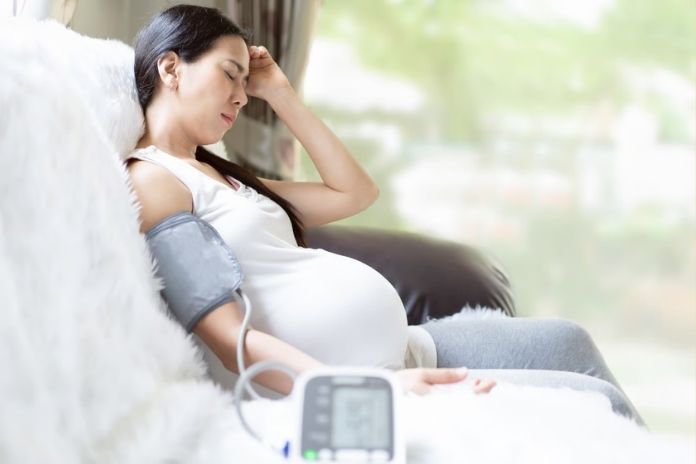
Preeclampsia is a pregnancy-related hypertensive disorder (a condition involving abnormally high blood pressure arising from pregnancy) characterized by a blood pressure reading of 140/90 mmHg or higher on two separate occasions, combined with signs of organ involvement, typically after 20 weeks of gestation.
The WHO identifies preeclampsia and eclampsia as among the leading causes of maternal mortality globally, accounting for approximately 14% of maternal deaths worldwide.
It’s different from gestational hypertension (high blood pressure arising in pregnancy without organ involvement) because preeclampsia includes evidence of damage to at least one organ system, most commonly the kidneys, liver, brain, or blood clotting system.
Diagnostic criteria, established by the American College of Obstetricians and Gynecologists (ACOG), include new-onset hypertension plus proteinuria (excess protein in urine) or evidence of severe features such as thrombocytopenia, renal insufficiency, or pulmonary edema.
Think of normal pregnancy blood pressure regulation like a carefully balanced pressure valve. Preeclampsia disrupts the valve. The pressure climbs, the kidneys begin leaking protein they should retain, and the downstream effects ripple across multiple organ systems simultaneously. The earlier that disruption is identified, the more effectively it can be managed.
Early Signs and Symptoms of Preeclampsia
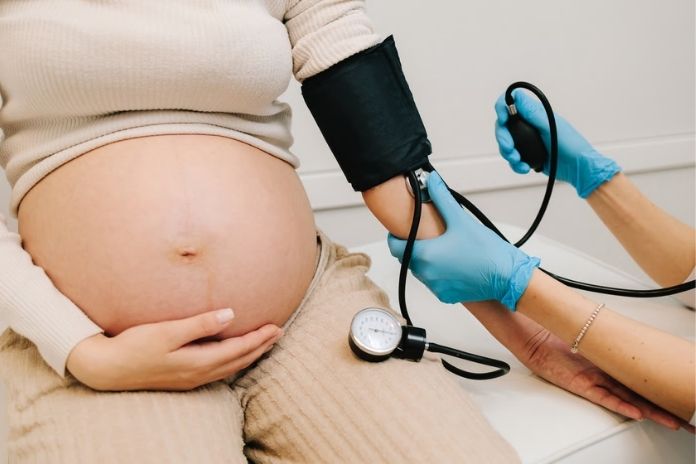
Recognizing preeclampsia symptoms early is clinically significant because the condition can progress from mild to severe within days. Some symptoms overlap with normal pregnancy discomforts, which is why clinical confirmation through blood pressure and urine testing always takes precedence over symptom assessment alone.
Common Symptoms
The most reliable early indicator is elevated blood pressure, which is why regular prenatal monitoring matters so much. Beyond that, more than 2 pounds in a week, and persistent headaches. Swelling that appears suddenly in the face and hands, rather than gradually at the ankles, warrants prompt medical evaluation. Headaches that don’t respond to acetaminophen deserve the same attention.
Serious Warning Signs
Several symptoms indicate severe preeclampsia requiring emergency evaluation. Vision changes, including blurred vision, sensitivity to light, or seeing flashing lights or spots, signal involvement of the central nervous system.
Upper right abdominal pain or tenderness under the ribs indicates potential liver involvement and is a recognized severe feature of preeclampsia. Nausea or vomiting appearing for the first time in late pregnancy and shortness of breath at rest both require the same-day assessment. These symptoms don’t resolve on their own.
As Dr. Vesna Garovic, Professor of Medicine and Chair of Nephrology at Mayo Clinic, explains in her research on hypertensive disorders of pregnancy, “Preeclampsia is uniquely challenging because its presentation varies enormously between patients. Some develop severe hypertension with minimal symptoms; others present with alarming symptoms at only moderately elevated blood pressures. Clinical assessment, not symptom threshold alone, drives management decisions.”
What Causes Preeclampsia?

The precise cause of preeclampsia remains an active area of research, but the current evidence points to abnormal development and function of the placenta (the organ that connects the fetal blood supply to the maternal circulation). Early in pregnancy, placental blood vessels normally remodel to allow high-volume, low-resistance blood flow. In preeclampsia, this remodeling process is incomplete, producing abnormal placental vasculature that releases factors into the maternal circulation, triggering widespread blood vessel dysfunction.
Key among these released factors is an imbalance between sFlt-1 (soluble fms-like tyrosine kinase-1, an anti-angiogenic protein) and PlGF (placental growth factor, a blood vessel-forming protein). Elevated sFlt-1 and reduced PlGF in maternal blood is now recognized as a measurable biomarker that can help predict and diagnose preeclampsia before overt clinical features develop.
Immune dysregulation, genetic susceptibility, and pre-existing maternal vascular conditions also contribute, making preeclampsia a multifactorial condition rather than one with a single identifiable cause.
As Dr. S. Ananth Karumanchi, professor of medicine and pioneering preeclampsia researcher at Cedars-Sinai Medical Center, describes in his foundational work on angiogenic biomarkers, “The placenta is at the center of preeclampsia pathogenesis. The maternal syndromes, hypertension, proteinuria, and organ dysfunction are driven by factors released from an abnormally implanted and functioning placenta. That’s why delivery remains the only definitive treatment.”
Who Is at Higher Risk for Preeclampsia?
ACOG identifies several evidence-based risk factors that meaningfully increase the probability of developing preeclampsia. No single factor guarantees that the condition develops, and many women with multiple risk factors never develop it. But knowing your risk profile supports informed conversations with your provider about monitoring frequency and preventive strategies.
Who is at Higher Risk for Preeclampsia?
Risk Factors & Clinical Notes
| Risk Factor | Category | Relative Risk Level | Clinical Notes |
|---|---|---|---|
| First pregnancy | Obstetric | High | Greatest single risk factor |
| Previous preeclampsia | Obstetric | High | Up to 25% recurrence rate |
| Multiple pregnancy (twins+) | Obstetric | High | Higher placental mass increases risk |
| Chronic hypertension | Pre-existing | High | Superimposed preeclampsia risk |
| Pre-existing diabetes | Pre-existing | Moderate–High | Vascular and metabolic risk overlap |
| Obesity (BMI ≥30) | Metabolic | Moderate–High | Linked to endothelial dysfunction |
| Age under 20 or over 35 | Demographic | Moderate | Age-related vascular changes |
| Kidney disease | Pre-existing | Moderate–High | Impairs blood pressure regulation |
| Family history of preeclampsia | Genetic | Moderate | Heritable endothelial susceptibility |
| Autoimmune conditions (lupus, APS) | Immunologic | Moderate–High | Immune dysregulation affects placentation |
The first pregnancy carries the highest individual risk because the maternal immune system encounters paternal antigens in placental tissue for the first time. A previous preeclampsia diagnosis carries a recurrence risk of approximately 15–25% in subsequent pregnancies, depending on the severity of the original episode.
Why Preeclampsia Can Be Dangerous?
The risks of untreated or undetected preeclampsia extend to both mother and baby. For the baby, reduced placental blood flow leads to fetal growth restriction (impaired fetal weight gain due to inadequate placental nutrient and oxygen delivery) and increases the likelihood of preterm birth (delivery before 37 weeks of gestation).
Preterm birth associated with preeclampsia accounts for a significant proportion of neonatal intensive care admissions globally.
For the mother, severe preeclampsia carries risks of acute kidney injury, liver rupture in extreme cases, HELLP syndrome (hemolysis, elevated liver enzymes, and low platelet count, a severe variant of preeclampsia), stroke, and progression to eclampsia (preeclampsia complicated by new-onset seizures). Eclampsia occurs in approximately 1 in 200 cases of severe preeclampsia and represents a medical emergency requiring immediate intervention.
And that’s not where the story ends. Beyond the immediate pregnancy, women who’ve had preeclampsia carry a higher long-term cardiovascular risk, including elevated rates of hypertension, heart disease, and stroke in later life. This is why postpartum monitoring and long-term follow-up with a primary care provider matter even after the pregnancy resolves.
How Preeclampsia Is Diagnosed
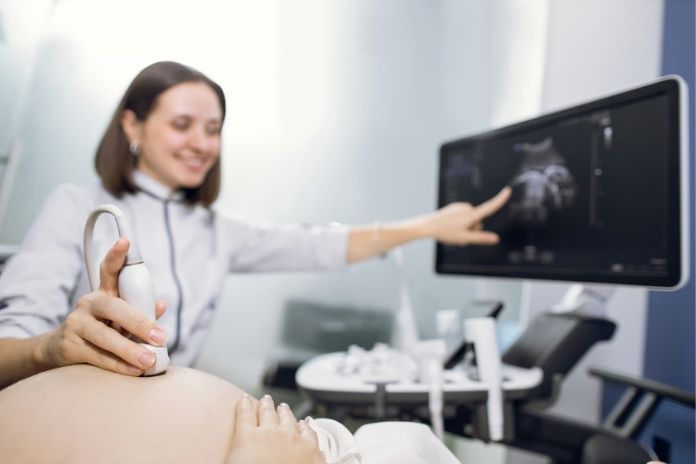
Diagnosis relies on a combination of clinical measurements rather than any single test.
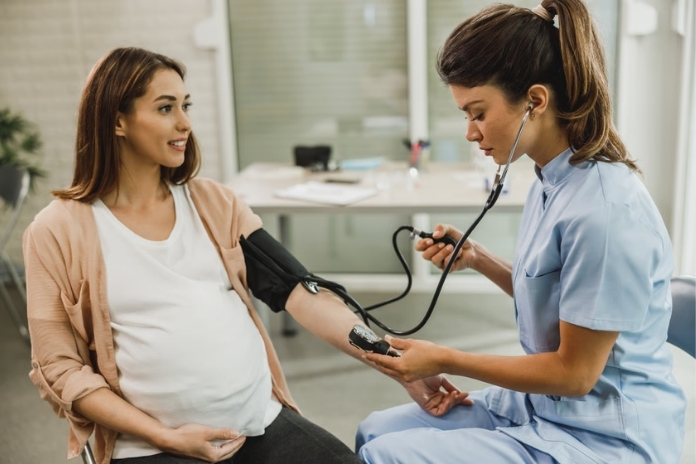
- Considering blood pressure history: Current ACOG diagnostic criteria require blood pressure of 140/90 mmHg or higher on two occasions at least four hours apart after 20 weeks of gestation in a woman with previously normal blood pressure, combined with at least one additional finding.
- Urine testing:It identifies proteinuria (abnormal protein excretion in urine, typically ≥300 mg in a 24-hour collection), one of the hallmark signs of kidney involvement. Blood tests assess platelet count, liver enzymes, kidney function markers (creatinine), and increasingly the sFlt-1:PlGF ratio to quantify angiogenic imbalance.
- Fetal monitoring: This includes an ultrasound for growth and Doppler assessment (ultrasound evaluation of blood flow in placental vessels).
Treatment and Management of Preeclampsia
Treatment, or rather management, of preeclampsia involves the following measures:
Monitoring and Lifestyle Adjustments
For mild preeclampsia remote from term, management centers on close surveillance rather than immediate delivery. ACOG recommends twice-weekly blood pressure monitoring, regular urine protein checks, fetal growth ultrasounds every three to four weeks, and weekly fetal well-being assessments.
Reducing physical activity and avoiding stressors that acutely elevate blood pressure supports this period of monitoring, though complete bed rest is no longer routinely recommended based on current evidence.
Medications
Antihypertensive medications (drugs that lower blood pressure) reduce the risk of severe hypertension and associated maternal complications, though they don’t treat the underlying placental cause or halt disease progression.
Magnesium sulfate is the evidence-based standard for seizure prevention in severe preeclampsia and is administered intravenously in hospital settings. It does not lower blood pressure; its role is purely neuroprotective, reducing the threshold for eclamptic seizure.
Delivery Planning
Delivery of the baby and placenta remains the only definitive treatment for preeclampsia. ACOG recommends delivery at 37 weeks for preeclampsia without severe features and at 34 weeks (or sooner if maternal or fetal condition warrants) for severe preeclampsia.
The timing decision always weighs gestational age, fetal lung maturity, and the clinical trajectory of the condition. This decision involves your entire obstetric team and requires individualized assessment.
Can Preeclampsia Be Prevented?
There is no guaranteed prevention strategy for preeclampsia. What the evidence does support is a reduction in risk for high-risk women through specific interventions.
Low-dose aspirin (81 mg daily), initiated between 12 and 28 weeks of gestation (optimally before 16 weeks) in women with one or more high-risk factors, reduces the incidence of preterm preeclampsia by approximately 62%, but this must only be used under direct medical supervision after risk assessment.
Managing pre-existing conditions, controlling blood pressure, optimizing blood glucose in diabetes, and maintaining a healthy weight before conception reduce vascular risk factors that contribute to abnormal placentation.
Calcium supplementation in populations with low dietary calcium intake has also demonstrated a modest reduction in preeclampsia risk in clinical trials. Regular prenatal care is the most consistent protective factor because it enables early detection and management before the condition escalates.
Read More: I Ate an Anti-Inflammatory Diet During Pregnancy — My OB Was Shocked
When to Call a Doctor Immediately

Don’t wait for your next scheduled prenatal appointment if any of the following develop.
Seek emergency care immediately if you experience the following:
- Severe or persistent headache that doesn’t respond to acetaminophen
- Sudden or severe vision changes: blurring, flashing lights, seeing spots
- Sudden swelling of the face, hands, or feet
- Pain or tenderness in the upper right abdomen
- Difficulty breathing or shortness of breath at rest
- Reduced or absent fetal movement
The CDC advises all pregnant women and their support networks to familiarize themselves with these warning signs and to act on them without delay. Call your provider’s after-hours line, go to your nearest emergency department, or call 911 if symptoms are severe. Time matters.
Read More: Staying Active: Fun and Effective Exercises for Every Stage of Life
Recovery After Delivery
For most women, blood pressure begins to normalize within days to weeks after delivery. But the postpartum period carries its own risk window: new-onset or worsening postpartum hypertension can develop up to six weeks after delivery, which is why blood pressure monitoring continues after birth, not just during hospitalization.
The longer-term picture also deserves attention. Women with a history of preeclampsia have approximately double the lifetime risk of cardiovascular disease, including hypertension, heart failure, and stroke, compared to women with uncomplicated pregnancies. Communicating your pregnancy history to your primary care physician enables appropriate long-term cardiovascular monitoring and risk reduction strategies.
Read More: Can You Still Get Pregnant During Perimenopause? Doctors Explain
Final Word
Preeclampsia doesn’t announce itself loudly in most cases. It develops quietly, detectable through blood pressure readings and urine tests long before most women notice that something feels wrong. That’s not a reason for alarm; it’s a reason to show up to every prenatal appointment.
The science here is clear, and the clinical guidance is well-established. Know the risk factors, know the warning signs, and trust the monitoring process. Preeclampsia is serious, and it is manageable when detected and addressed early.
Prenatal care is the most effective tool available. Use it.
- Preeclampsia is a serious but manageable pregnancy complication. Early detection through consistent prenatal care is the single most important factor in protecting both mother and baby.
- Many women with preeclampsia have no obvious symptoms until the condition is identified through routine blood pressure and urine checks, which is exactly why those appointments matter.
- Attend every prenatal visit, know your personal risk factors, and contact your provider immediately if you develop a severe headache, vision changes, sudden swelling, or difficulty breathing at any point in your pregnancy.
FAQs
1. Can you have preeclampsia without any symptoms? How would I even know?
Yes, many women with preeclampsia have no noticeable symptoms until clinical testing reveals elevated blood pressure or urinary protein. This is precisely why regular prenatal blood pressure and urine monitoring are non-negotiable components of standard prenatal care. Symptom absence does not equal condition absence.
2. What are the first signs of preeclampsia I should watch for at home?
The most actionable early signs include sudden swelling of the face or hands (distinct from gradual ankle swelling), persistent headaches unrelieved by acetaminophen, and rapid weight gain exceeding 2 pounds per week. Vision changes or upper abdominal pain require same-day emergency evaluation, not a wait-and-see approach.
3. What causes preeclampsia in otherwise healthy women?
Preeclampsia develops from abnormal placental implantation and vascular remodeling early in pregnancy, even in women with no prior health conditions. The resulting imbalance in angiogenic proteins triggers systemic blood vessel dysfunction, hypertension, and organ stress. The first pregnancy is the single strongest individual risk factor.
4. Does preeclampsia always require early delivery?
Not always. Mild preeclampsia remote from term is often managed with close monitoring until 37 weeks. Severe preeclampsia typically requires delivery at 34 weeks or earlier, depending on maternal and fetal condition. Every case involves individualized assessment by the obstetric team; there is no universal protocol.
5. Does preeclampsia go away after delivery?
For most women, blood pressure normalizes within days to weeks postpartum. However, postpartum hypertension can develop or worsen up to six weeks after birth, requiring continued monitoring. Women with prior preeclampsia also carry a higher long-term cardiovascular risk and benefit from regular follow-up with a primary care physician.
References
- World Health Organization. (2023). Maternal mortality.
- Centers for Disease Control and Prevention. (2024). Preeclampsia.
- American College of Obstetricians and Gynecologists. (2020). Gestational hypertension and preeclampsia: ACOG practice bulletin, number 222.
- Garovic, V. D., Dechend, R., Easterling, T., Karumanchi, S. A., McMahon, L. P., Laifer, S. A., & Martin, J. N. (2022). Hypertension in pregnancy: Diagnosis, blood pressure goals, and pharmacotherapy — a scientific statement from the American Heart Association. Hypertension, 79(2), e21–e41.
- Karumanchi, S. A. (2022). Angiogenic factors in preeclampsia: From diagnosis to therapy. Hypertension, 79(5), 973–983.
- Rolnik, D. L., Nicolaides, K. H., & Poon, L. C. (2022). Prevention of preeclampsia with aspirin. American Journal of Obstetrics and Gynecology, 226(2S), S1108–S1119.
- Chappell, L. C., Cluver, C. A., Kingdom, J., & Tong, S. (2021). Pre-eclampsia. The Lancet, 398(10297), 341–354.
- NHS. (2023). Pre-eclampsia. National Health Service.
- Magee, L. A., Brown, M. A., Hall, D. R., Gupte, S., Hennessy, A., Karumanchi, S. A., Kenny, L. C., McCarthy, F., Myers, J., Poon, L. C., Rana, S., Saito, S., Staff, A. C., Tsigas, E., & von Dadelszen, P. (2022). The 2021 International Society for the Study of Hypertension in Pregnancy classification, diagnosis & management recommendations for international practice. Pregnancy Hypertension, 27, 148–169.
In this Article