















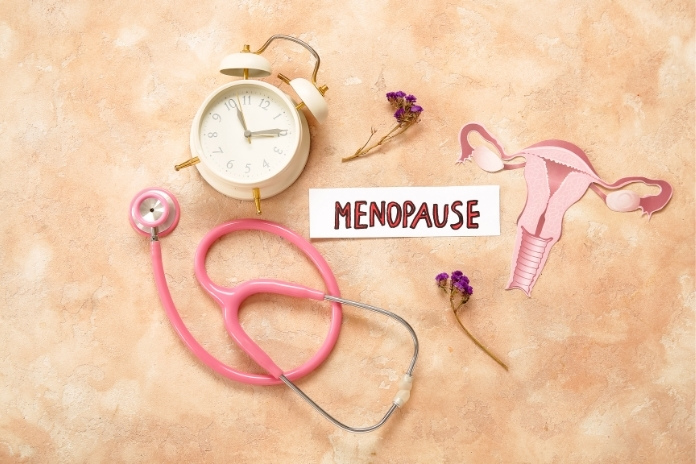
When Linda turned 51, she chalked up her racing heart and broken sleep to a stressful job and the usual menopause talk her friends kept bringing up over wine. It was only when her annual physical flagged a creeping LDL number and a blood pressure reading she had never seen before that her doctor said something that stopped her cold: the years around your final period are not just about hot flashes and mood swings.
They are also among the most important windows to your heart. That conversation captures something most women are never told plainly. Menopause and heart health are closely linked, and the changes happening on the inside often go unnoticed compared to the ones on the outside. Cardiovascular disease is the leading cause of death in American women, and the risk does not sit still during midlife. It shifts.
During perimenopause and menopause, estrogen levels drop, which can lead to changes in cholesterol, blood pressure, body fat, and how the body handles sugar, all of which can increase heart disease risk over time. Understanding why this happens, and what you can actually do about it, can change the next two or three decades of your life.
- Menopause does not cause heart disease, but falling estrogen shifts cholesterol, blood pressure, body fat, and vascular function in ways that quietly raise cardiovascular risk.
- Women who reach menopause before age 45, either naturally or through surgery, face a higher long-term risk of heart disease, stroke, and heart failure.
- Symptoms like palpitations, breathlessness, jaw or back pain, and sudden fatigue should never be dismissed as “just menopause” without evaluation.
- Midlife is one of the most actionable windows for heart health, during which screenings, a Mediterranean-style diet, strength training, sleep, and informed HRT conversations can meaningfully improve long-term outcomes.
How Menopause Affects the Heart and Blood Vessels

Estrogen does far more than regulate the menstrual cycle. It helps keep blood vessels flexible, supports healthy cholesterol patterns, and has anti-inflammatory effects across the cardiovascular system. As ovarian estrogen falls during the menopause transition, those protective effects fade.
Dr. Lori Tam, MD, a cardiologist with Providence Heart Institute, put it directly in a Providence Health interview, noting that “as women go through menopause, we lose the natural protective effects of our estrogen,” and as natural estrogen drops, heart disease risk goes up.
Within the first few years after the final menstrual period, LDL cholesterol tends to climb, HDL function may decline, and triglycerides often rise. Visceral fat, the deeper belly fat that sits around organs, increases, and insulin sensitivity can worsen. Together, these shifts move many women closer to metabolic syndrome.
A landmark 2020 American Heart Association scientific statement, led by Samar El Khoudary at the University of Pittsburgh, formally recognized the menopausal transition as a period of accelerated cardiovascular risk, citing changes in lipids, body composition, vascular health, and inflammation that occur independently of aging.
The combined effect is what cardiologists describe as a steeper risk trajectory. Arteries get stiffer. Blood pressure tends to creep up. Plaque buildup may accelerate. None of this means menopause causes a heart attack, but it does mean the slope changes.
Inflammation, Arterial Aging, and Menopause
One of estrogen’s lesser-known jobs is helping blood vessels stay flexible and responsive. It supports nitric oxide production, which helps arteries relax and widen properly as blood moves through them. As estrogen declines during menopause, that protective effect weakens. Blood vessels gradually become stiffer, less adaptable, and more vulnerable to inflammation.
This process, sometimes called vascular aging, changes how the cardiovascular system handles pressure and blood flow. Small injuries inside artery walls become more likely to attract cholesterol deposits and inflammatory cells, accelerating plaque formation over time. Researchers also believe the menopause transition may amplify oxidative stress, further affecting the health of the endothelium, the thin inner lining of blood vessels.
The result is not usually a sudden problem but a quieter shift in trajectory. Blood pressure becomes harder to regulate, recovery from stress slows, and cardiovascular risk begins to climb more steeply than in earlier decades.
Common Heart-Related Symptoms Women May Notice During Menopause
Many women describe a sudden awareness of their heartbeat, especially at night or during a hot flash. Most of these palpitations are benign and tied to fluctuating hormones, but new, persistent, or fainting-associated palpitations always deserve evaluation.
Hot flashes are more than an inconvenience. Research from the Study of Women’s Health Across the Nation (SWAN), published in Circulation, has shown that frequent and persistent vasomotor symptoms are associated with poorer vascular health and a higher long-term risk of cardiovascular events.
Sleep loss, anemia, thyroid changes, and deconditioning can all contribute to fatigue during midlife. But unexplained breathlessness on light activity, or a sudden drop in stamina, should not be dismissed as “just menopause.”
Not every symptom during this stage is hormonal. A new pattern of chest tightness, persistent palpitations, syncope, or breathlessness at rest warrants prompt medical assessment. Women are still more likely than men to attribute cardiac symptoms to stress or aging, which delays care.
Read More: When Menopause Palpitations Signal a Heart Risk (and What to Monitor Next)
Menopause and Major Heart Disease Risk Factors

Menopause and high blood pressure often travel together. Arterial stiffness increases, sodium handling shifts, and many women see their systolic pressure rise even without weight gain. Routine home monitoring becomes especially valuable in this stage.
Menopause and changes in cholesterol are among the most reliable findings in midlife women. Total cholesterol and LDL typically rise within the first year or two after the final period. Heart health after menopause depends in part on knowing these new baseline numbers and acting on them.
Hormonal shifts redistribute fat toward the midsection, and reduced muscle mass lowers resting metabolic rate. Insulin resistance creeps in for many women, even those who have always maintained a steady weight.
Disrupted sleep raises blood pressure, blunts glucose tolerance, and elevates inflammatory markers. Chronic stress feeds the same loop. The cardiovascular cost of poor sleep in midlife is real and underappreciated.
Early Menopause and Heart Disease Risk
Women who reach menopause before age 45 lose the protective estrogen window earlier. A large UK Biobank analysis published in JAMA found that premature and early menopause were associated with a significantly higher risk of cardiovascular disease compared with menopause at the typical age.
Removal of both ovaries before natural menopause causes an abrupt estrogen drop rather than a gradual one. This is associated with elevated cardiovascular risk, particularly when it occurs before age 45 and without hormone therapy.
The pattern across studies is consistent: earlier menopause, by any cause, is associated with a higher lifetime risk of coronary artery disease, stroke, and heart failure. The absolute risk for any individual still depends heavily on her overall health profile.
How Lifestyle Habits Can Protect Heart Health During Menopause
A Mediterranean-style pattern, built around vegetables, legumes, whole grains, fish, nuts, olive oil, and limited processed food, has the strongest evidence for cardiovascular protection in women. There is no need to overhaul everything in a week. Small, sustained shifts work better.
Resistance training matters as much as cardio after 45. Preserving muscle protects bone, supports glucose control, and helps maintain the metabolic rate that estrogen used to underwrite. Aim for strength work two to three times weekly alongside regular brisk activity.
Cool the bedroom, keep a consistent wake time, and treat night sweats early rather than waiting them out. For stress, practices that genuinely lower physiological arousal, such as paced breathing, walking outdoors, and structured therapy, outperform vague advice to “relax.”
Smoking accelerates everything menopause is already doing to your arteries. Even modest daily alcohol intake can raise blood pressure and disrupt sleep. Honest, realistic limits matter more than perfection.
Why Sleep Matters More Than Many Women Realize
Sleep disruption during menopause is not just exhausting. It also affects cardiovascular health in measurable ways. Night sweats, insomnia, frequent waking, and early-morning awakenings can fragment sleep for years during the menopause transition, even in women who never struggled with sleep before.
Poor sleep raises cortisol and sympathetic nervous system activity, both of which can increase blood pressure and strain the cardiovascular system over time. Sleep loss also affects glucose regulation, appetite hormones, and inflammation, creating a ripple effect that overlaps with many of the same pathways involved in heart disease.
Obstructive sleep apnea also becomes more common after menopause, partly because hormonal changes alter fat distribution and airway stability. Loud snoring, waking up gasping, or persistent daytime fatigue deserve attention rather than dismissal as “normal aging.” Restorative sleep is not a luxury during midlife. It is part of cardiovascular prevention.
Can Hormone Therapy Affect Heart Health?
Hormone replacement therapy uses estrogen, sometimes combined with progesterone, to relieve menopausal symptoms. It is prescribed in pills, patches, gels, sprays, and vaginal forms.
HRT can significantly reduce hot flashes, improve sleep, and support bone density. The cardiovascular picture is more nuanced. Long-term data from the Women’s Health Initiative show that when HRT is started within ten years of menopause or before age 60, it is not associated with increased coronary heart disease risk, and may carry some benefit for younger women.
Starting HRT later, especially more than ten years after menopause, shifts the risk-benefit balance. Personal history of clots, breast cancer, stroke, or active heart disease changes the calculation entirely. HRT decisions belong in a conversation, not a checklist. Symptom burden, age, time since menopause, family history, and personal preferences all weigh in.
Read More: HRT and the “Young” Period: Can Menstrual Cycles Really Slow Down Aging?
Heart Disease Symptoms in Women That Should Not Be Ignored
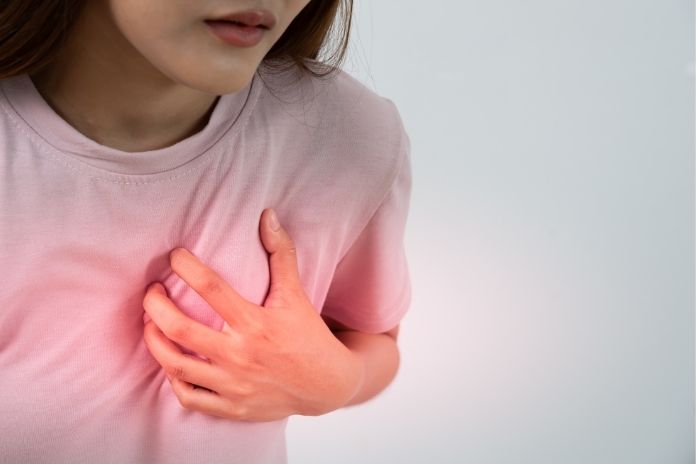
Heaviness, squeezing, or pressure in the chest, especially with exertion, is still the most common heart attack symptom in women, even though women are more likely than men to also experience atypical signs.
Pain or aching that radiates to the jaw, upper back, shoulder, or either arm can be cardiac in origin. New, unexplained discomfort in these areas deserves attention.
Sudden, profound fatigue that does not match the activity, or nausea with cold sweats, can precede or accompany a heart event in women.
Call 911 for chest pain lasting more than a few minutes, chest pain with shortness of breath, sudden severe headache, fainting, or one-sided weakness. Driving yourself is not the answer.
Dr. Leslie Cho, MD, FACC, director of the Cleveland Clinic’s Women’s Cardiovascular Center, has emphasized in Healio that women still come to the emergency department about 30 minutes later than men with a heart attack, and do not get screenings as early.
Why Women’s Heart Symptoms Are Still Missed
Women are still more likely than men to have their cardiac symptoms minimized, delayed, or mistaken for something else entirely. Part of the problem is that heart disease in women does not always look the way people expect. While crushing chest pain can occur, many women experience subtler symptoms like nausea, upper back pressure, jaw pain, dizziness, unusual fatigue, or shortness of breath.
During menopause, that confusion can deepen because symptoms such as palpitations, sweating, anxiety, fatigue, and sleep disruption overlap with hormonal changes. Some women delay seeking care because they assume symptoms are stress-related or part of aging. Others are reassured too quickly without a thorough cardiovascular evaluation.
This matters because delayed treatment changes outcomes. The earlier the blood flow is restored during a heart attack or vascular event, the more heart muscle can be preserved. Listening to symptoms early, especially when they are new, persistent, or triggered by exertion, remains one of the most important forms of prevention.
Recommended Heart Health Screenings During and After Menopause
Blood pressure should be checked at every visit and ideally at home as well. A full lipid panel is reasonable every one to two years, sooner if numbers are trending up.
Fasting glucose and HbA1c help catch prediabetes early. Many women in their 50s qualify for screening even without classic risk factors.
Waist circumference often shifts before the scale does. It is a useful, low-tech marker of visceral fat and cardiometabolic risk.
Ask whether your ten-year cardiovascular risk score has been calculated, whether a coronary artery calcium scan makes sense for you, and how your numbers compare with last year. Specific questions get specific answers.
Emotional Health, Stress, and the Menopause Transition
Anxiety and low mood can intensify around menopause. They are not weakness or imagination. They are real, treatable, and connected to the same hormonal shifts driving other symptoms.
Chronic stress raises cortisol, blood pressure, and inflammation, and erodes sleep. Over the years, that takes a measurable toll on the heart.
Sustainable beats heroic. A 20-minute walk most days, a regular bedtime, and an honest social connection do more for cardiovascular health than any single supplement ever has.
Common Myths About Menopause and Heart Health
Cardiovascular disease is the leading cause of death in American women. The myth persists in part because women have historically been understudied in cardiology trials.
Menopause does not cause heart attacks. It changes the risk landscape.
Dr. Nieca Goldberg, MD, medical director of the Joan H. Tisch Center for Women’s Health at NYU Langone, has told the American Heart Association that menopause does not cause cardiovascular diseases, but certain risk factors increase around the time of menopause, and unhealthy habits started earlier in life can also take a toll.
Symptom-free is not risk-free. Cholesterol, blood pressure, and glucose can drift in midlife with no outward signs. Routine screening catches what feelings cannot.
Key Takeaway
Menopause and heart disease are not the same thing, but they are far more connected than many women realize. The hormonal shifts that happen during menopause can gradually change cholesterol levels, blood pressure, body fat distribution, blood vessel function, and even how the body handles insulin.
None of these changes guarantees heart disease, but together they can quietly push cardiovascular risk higher over time, especially when combined with smoking, inactivity, poor sleep, chronic stress, or a family history of heart problems. What makes this stage of life so important is that it is also one of the most actionable windows for prevention.
Regular cholesterol and blood pressure screenings, strength training, heart-supportive nutrition, consistent movement, stress management, and attention to sleep quality can meaningfully improve long-term outcomes. For some women, informed discussions about hormone replacement therapy may also play a role when started at the right time and for the right reasons.
Menopause and heart health deserve the same level of attention as any other major health transition. When approached proactively instead of reactively, the decades after menopause can still be strong, active, and cardiovascularly healthy.
References
- American Heart Association. (n.d.). Menopause and heart disease.
- Cho, L. (2017, February 2). Awareness of women’s heart health has increased, but more research, outreach required [Interview]. Healio.
- El Khoudary, S. R., Aggarwal, B., Beckie, T. M., Hodis, H. N., Johnson, A. E., Langer, R. D., Limacher, M. C., Manson, J. E., Stefanick, M. L., & Allison, M. A. (2020). Menopause transition and cardiovascular disease risk: Implications for timing of early prevention. Circulation, 142(25), e506–e532.
- Honigberg, M. C., Zekavat, S. M., Aragam, K., Finneran, P., Klarin, D., Bhatt, D. L., Januzzi, J. L., Scott, N. S., & Natarajan, P. (2019). Association of premature natural and surgical menopause with incident cardiovascular disease. JAMA, 322(24), 2411–2421.
- Manson, J. E., Aragaki, A. K., Rossouw, J. E., et al. (2017). Menopausal hormone therapy and long-term all-cause and cause-specific mortality: The Women’s Health Initiative randomized trials. JAMA, 318(10), 927–938.
- Tam, L. (n.d.). Menopause, hormones and the heart: What women need to know [Interview]. Providence Heart Institute.
- Thurston, R. C., et al. (2021). Vasomotor symptoms and cardiovascular events in postmenopausal women. Circulation.
- National Center for Biotechnology Information. (2023). Menopause and cardiovascular disease: The role of estrogen and vascular aging. PMC.
- Johns Hopkins Medicine. (n.d.). Menopause and the cardiovascular system.
- American Heart Association. (2023, February 20). The connection between menopause and cardiovascular disease risks.
- European Cardiology Review. (n.d.). Menopause, cholesterol and cardiovascular disease.
- Mayo Clinic. (n.d.). Heart disease in women: Understand symptoms and risk factors.
- National Center for Biotechnology Information. (2025). Menopause and women’s cardiovascular risk: Emerging clinical perspectives. PMC.
- The Conversation. (2025). Beyond hot flushes: What menopause can do to your heart and why it matters.
- WIN Fertility. (n.d.). The impact of menopause on heart health.
- Archives of Medical Science. (2022). Menopause and women’s cardiovascular health: Is it really an obvious relationship?
In this Article