
















Millions of individuals suffer from hay fever season, also called allergic rhinitis, which is brought on by airborne allergens such as mold spores, tree pollen, grass pollen, and ragweed pollen. But it’s not always easy to figure out when hay fever season starts. The seasonal allergy timeline varies by geography, environment, and personal sensitivity.
This article will discuss when pollen season occurs, which allergens predominate at different times, what symptoms to expect, and how long hay fever lasts. Additionally, you will learn about allergy symptoms by season, important causes, antihistamine treatments, and useful strategies for limiting exposure.
- Hay fever is triggered by pollen, mold, dust, and pet dander, causing sneezing and congestion.
- Seasonal patterns vary: tree pollen in spring, grass in summer, weeds in fall.
- Managing exposure and early treatment helps reduce symptom severity.
Read More: Can Hay Fever Make You Dizzy? Surprising Symptoms of Seasonal Allergies
What Is Hay Fever?
Hay fever has nothing to do with hay or a fever, despite the name. Hay fever is a common allergic disorder that affects your sinuses, nose, and eyes. It is medically known as allergic rhinitis.
It affects over one in three people in the United States and is usually triggered by allergens like dust, pollen, or pet dander. You might be among the many people suffering from hay fever if you get spells of sneezing, itchy eyes, or a runny nose all the time, especially in the spring or fall.
Hay fever can cause mild to severe symptoms, such as:
- Runny or stuffy nose
- Sneezing
- Wet or itchy eyes
- Drip from the nose
- Exhaustion or trouble focusing
- Pressure on the forehead and around the eyes
Although allergies, rather than viruses, cause hay fever, these symptoms often coincide with those of a cold or sinus infection.
When Does Hay Fever Season Usually Start?
When the immune system overreacts to airborne allergens like pollen, seasonal allergies, also referred to as hay fever or allergic rhinitis, occur. Depending on which plants are releasing the pollen into the atmosphere, these allergies are usually associated with different seasons.
The following are the most prevalent seasonal allergens:
- Tree pollen in the early spring
- Pollen from grass (late spring to early summer)
- Pollen from weeds (late summer to October)
- Mold spores can be found all year-round, but they are most prevalent in warm, humid environments
The Different Phases of Allergy Season
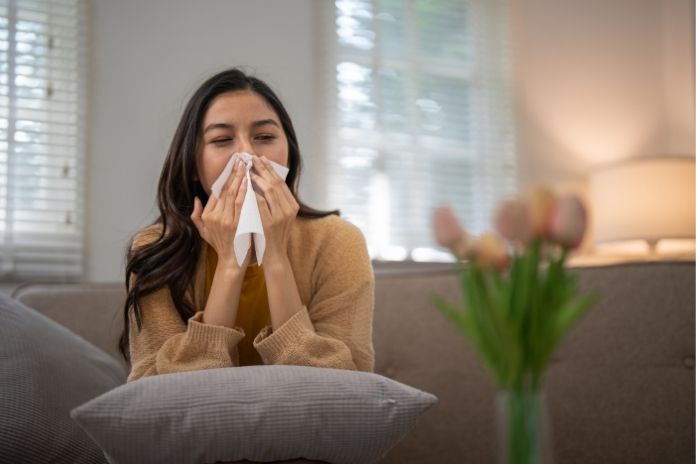
Geographical location and climatic conditions determine when allergy season occurs. But here’s a rough summary of when seasonal allergies usually start:
Allergies in the Spring: February Through June
Due to tree pollen, spring is frequently the worst time of year for allergy sufferers. Tree pollen season may begin as early as late February and run through June in many places. The most prevalent tree allergies are cedar, birch, maple, and oak. Tree pollen is probably to blame if you start having congestion and sneezing in the early spring.
Summertime Allergies: May Through July
In the summer, the grass pollen becomes the primary cause of allergies as tree pollen levels start to decline. Although it can last longer in some areas, grass pollen is particularly harmful from May to July. Kentucky bluegrass, Timothy grass, and Bermuda grass are common grasses that trigger allergies.
Allergies in the Fall: August Through November
The most well-known fall allergen is ragweed, which peaks in pollen between late August and November. Millions of pollen grains, which can travel hundreds of miles in the wind, can be released by a single ragweed plant. Other weeds, including pigweed and sagebrush, also cause fall allergies.
Winter Allergies: Indoor Triggers All Year Long
In winter, indoor allergens can still cause symptoms even though outdoor pollen counts typically decrease. Common winter allergens include mold, cockroach droppings, dust mites, and pet dander. Due to indoor triggers, people with perennial allergic rhinitis may have symptoms year-round.
Read More: The Seasonal Asthma Calendar: How to Predict and Prevent Flares Year-Round
When Does Hay Fever Season End?
The first frost, which kills pollen-producing plants like ragweed, typically marks the end of hay fever season in colder areas. For this reason, many people get comfort from falling.
In warmer regions, the hay fever season may start earlier and last longer. In some areas, exposure to airborne allergens occurs year-round.
Climate change is altering the seasonal allergies timeline by:
- Prolonging the growth season
- Pollen counts are rising
- Intensifying seasonal allergy triggers
How to Tell If It’s Hay Fever or Something Else
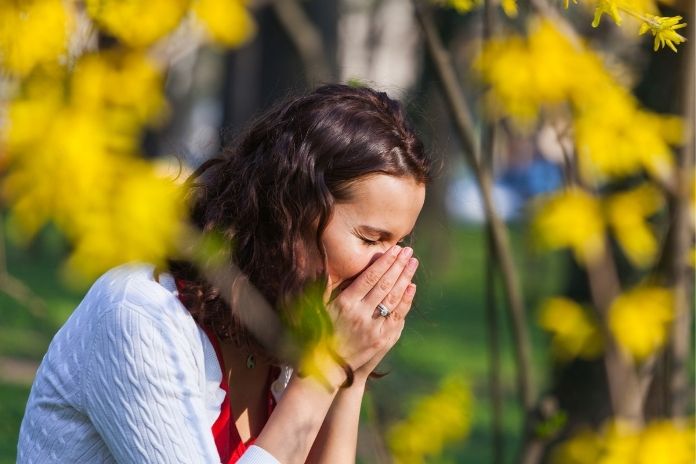
Allergy patients may experience a variety of bothersome symptoms throughout allergy season, such as a runny nose, watery or itchy eyes, congestion, and sneezing. In contrast to a sick person, if allergies are the cause of your symptoms, they will worsen in the presence of your triggers, such as pollen, and last as long as the allergen is in the air.
However, your symptoms can go away if you avoid the region containing the allergen. Thus, avoiding allergens is the best way to treat allergies. If you have a local weather app, you may monitor pollen levels every day. If you know you are allergic to things like pollen, dust, and mold, try to eliminate them from your home and limit your exposure as much as possible.
You should continue taking your allergy medications as prescribed by your healthcare professional, as they are useful for treating allergy symptoms. Antihistamines, nasal steroids, and decongestants are over-the-counter drugs that may treat the symptoms until you are no longer around the allergen.
Find out what allergy treatment is best for you by speaking with your healthcare professional. Unfortunately, this can mean several weeks or months of vigilance for some people with allergies.
As temperatures rise, the plants produce more pollen, increasing ragweed and other allergens. Moisture from the increased rainfall and floods can raise the risk of mold. Additionally, warmer temperatures can allow allergens to flourish in new regions and prolong allergy seasons.
What Makes Hay Fever Symptoms Worse?
Various environmental factors can greatly exacerbate hay fever symptoms and intensify allergic reactions:
Days with a High Pollen Count: Hay fever symptoms worsen on these days. Keeping an eye on daily levels aids in exposure management.
Windy and Dry Weather: By dispersing tree pollen, grass pollen, and ragweed pollen, wind exacerbates allergy symptoms throughout the season.
Outdoor Activities and Timing of Exposure: Spending time outdoors during peak pollen season hours increases exposure to airborne allergens.
Smoke, Pollution, and Air Quality: During hay fever season, smoke and pollution can exacerbate nasal congestion and intensify reactions.
Read More: Hay Fever vs. Common Cold: How to Tell the Difference
Treatments That Can Help During Allergy Season
The right care can control hay fever, but there is no long-term remedy. Options for treatment include:
Over-the-Counter Treatments:
- Antihistamines, such as cetirizine and loratadine, can lessen itching and sneezing.
- Nasal sprays to lessen congestion and inflammation, such as fluticasone.
- Decongestants to clear a congested nose (use just temporarily).
Modifications to Lifestyle:
- On days with having high pollen levels, keep your windows closed.
- After being outside, take a shower and change into new clothes.
- In your house, use HEPA filters.
Testing for Allergies and Prescription Medication:
Your doctor may suggest the following if over-the-counter drugs aren’t helping:
- Checking for allergies
- Prescription-strength drugs
- Immunotherapy, or allergy shots, can lessen long-term sensitivity
Practical Ways to Reduce Pollen Exposure
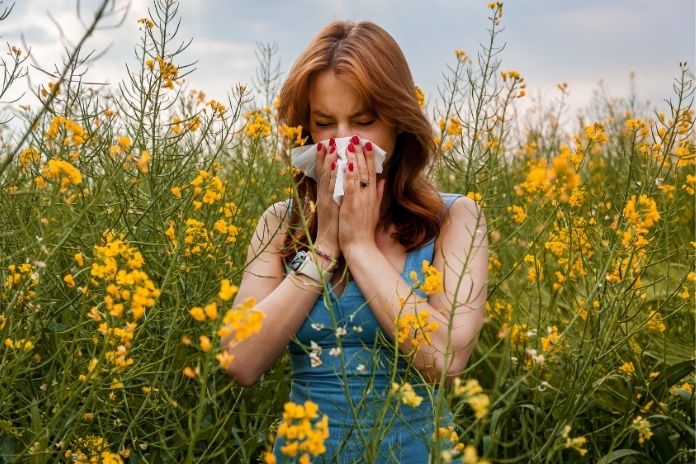
The secret to reducing symptoms if you have seasonal allergies is planning. You can take the following actions:
Check Pollen Counts: To determine when levels are high, keep an eye on local pollen forecasts using apps or meteorological websites.
Start Medication Early: A few weeks before your allergy season starts, start taking nasal sprays or antihistamines.
Reduce Outdoor Exposure: On days with high pollen levels, stay inside, especially in the morning when pollen counts are highest.
Keep Windows Closed: To keep pollen out of your house, use air conditioning rather than opening windows.
Shower and Change Clothes: To stop pollen from entering your home after spending time outside, wash it off.
Use HEPA Filters: HVAC filters and air purifiers can help lower indoor allergen levels.
See an Allergist: If allergies are severe, an allergist can do tests and suggest immunotherapy, or allergy shots.
When to See a Doctor About Hay Fever
If your hay fever symptoms worsen and start interfering with your sleep or everyday activities, you should think about visiting a doctor during the season. Persistent symptoms such as wheezing, frequent sinus infections, or nasal congestion may be signs of problems that go beyond the typical seasonal allergies timeline.
A medical evaluation might help pinpoint specific seasonal allergy triggers if you’re not sure when pollen season is most affecting you.
Read More: 12 Home Remedies For Hay Fever – Get Them Sneezes Out
Conclusion
To control symptoms and enhance everyday comfort, it is crucial to understand the hay fever season. Understanding triggers and monitoring changes may be crucial, as allergy patterns vary by region, climate, and personal sensitivity. You can lower exposure and improve reaction control year-round by being mindful of environmental influences and taking preventive measures.
Appropriate therapies, lifestyle modifications, and early intervention can reduce the discomfort and any potential problems. Consulting a doctor guarantees a precise diagnosis and an efficient treatment if symptoms develop or continue.
References
- Harvard Health Publishing. (2026, April 17). Hay fever (allergic rhinitis).
- MedlinePlus. Hay fever.
- Chicago SEO. (March 4, 2025). When Does Allergy Season Start? A Guide from an Allergist.
- ZYRTEC®. Seasonal allergies: Symptoms, causes & relief.
- Smith, A. (2026, February 18). When does hay fever season start?
- Allegra®. Is it allergies or is it something else?
- University Health Services. Treating seasonal allergies.
In this Article