

















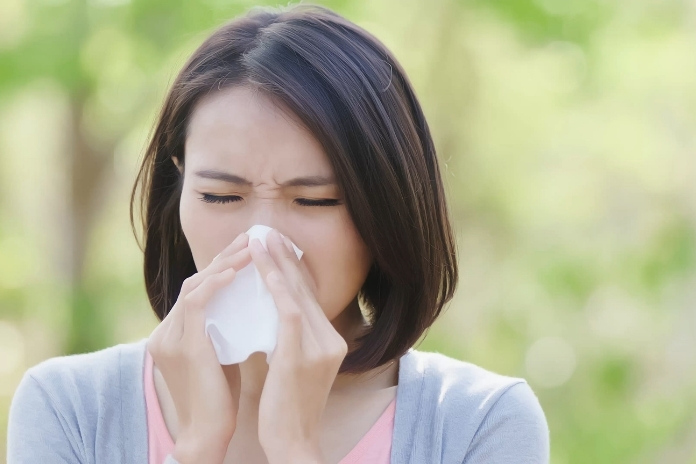
If you have ever woken up to itchy eyes, a stuffed-up nose, and a tickle that turns into ten sneezes before coffee, you already know the rhythm of hay fever. The pollen count climbs, the windows stay closed, and the tissues pile up. Most people simply want to know how to relieve hay fever quickly and prefer starting with home remedies before turning to prescription medications.
The good news is that simple habits and a few well-chosen tools can take real pressure off your symptoms during peak season. Better still, the most effective steps cost very little and use things most households already have.
This guide walks through what hay fever actually is, the home strategies with the strongest evidence, the natural remedies that get more credit than they deserve, and the daily habits that quietly do most of the heavy lifting. You will also learn when over-the-counter options make sense and when it is time to see a doctor.
- Hay fever is an allergic reaction to pollen and other airborne particles, not a viral fever, even though it can drain your energy.
- Saline rinses, showering after outdoor time, keeping windows closed, and HEPA filtration are the home remedies for hay fever with the most consistent evidence.
- Natural options such as steam, honey, and quercetin offer modest relief but should not replace proven hay fever relief tools.
- If symptoms disturb your sleep or daily life, an allergist can rule out other conditions and discuss longer-term treatment.
What Is Hay Fever and Why Does It Happen?
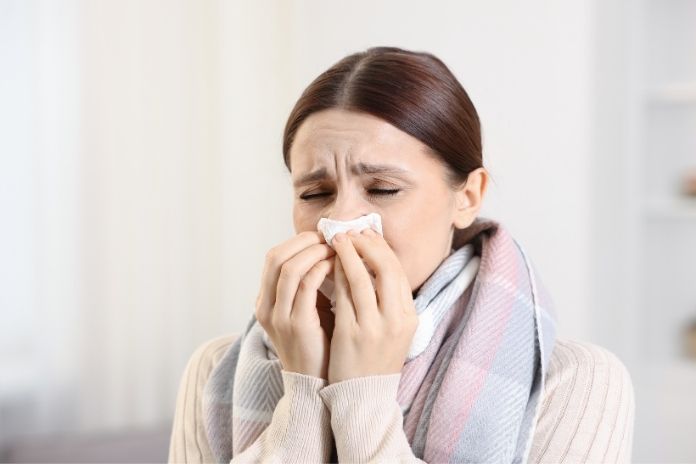
Hay Fever Is an Allergy Response, Not a Fever
Hay fever, known clinically as allergic rhinitis, is the immune system reacting to harmless airborne particles as if they were dangerous. Pollen from trees, grasses, and weeds drives the seasonal version, while dust mites, pet dander, and mold spores trigger the year-round form. The reaction itself is chemical, not infectious.
When pollen lands on the lining of the nose or eyes, immune cells release histamine and other inflammatory mediators. Those chemicals dilate blood vessels, draw fluid into the tissues, and irritate nerve endings. The familiar avalanche of symptoms follows within minutes.
Dr. Sandra Lin, professor and chair of otolaryngology-head and neck surgery at the University of Wisconsin School of Medicine and Public Health, explained the cascade clearly when she told CBS News, “the body perceives the allergen and has an over-exaggerated response to that allergen.” Her framing matters because it reminds people that the discomfort is real, even though the trigger is harmless.
Typical Hay Fever Symptoms
Most people recognize hay fever by the classic combination: repeated sneezing, a runny or blocked nose, itchy eyes, an itchy throat or palate, and watery eyes that smudge contact lenses. Postnasal drip, mild fatigue, and a scratchy feeling at the back of the throat often join the list. Symptoms tend to come in waves rather than steady misery.
Some people also notice ear fullness or a muffled sense of hearing on heavy days, and many feel a low-grade brain fog stemming from poor sleep more than from the allergens themselves.
Why Symptoms Can Feel Worse Some Days
Pollen counts spike with warm, dry, breezy weather and crash after a steady rain. A windy afternoon can carry tree pollen miles from its source, which is why your nose may rebel even on days you barely went outside. Open windows let particles settle on bedding and curtains, and indoor allergen buildup compounds the problem over a long season.
Thunderstorms can also fragment pollen into smaller pieces that reach deeper into the airways, which explains why some people feel noticeably worse during stormy stretches.
Read More: Hay Fever vs. Common Cold: How to Tell the Difference
Home Remedies for Hay Fever That Actually Work

Rinse the Nose With Saline
Flushing the nasal passages with saline is one of the few hay fever home remedies with consistent evidence behind it. A 2018 Cochrane review of saline irrigation for allergic rhinitis concluded that nasal saline irrigation may benefit both adults and children, with a limited risk of adverse effects. The mechanism is simple. The solution thins mucus, washes out trapped pollen, and reduces local inflammation.
Use a squeeze bottle, a neti pot, or a premixed saline spray. Always mix the solution with sterile, distilled, or previously boiled and cooled water. Tap water is not safe for nasal rinsing because it can carry organisms that cause rare but serious infections.
Once or twice a day during peak season is a reasonable starting point, and many people find it most useful right after coming inside or right before bed. Cleaning the bottle or pot thoroughly between uses keeps mold and bacteria from setting up shop inside the device.
Shower and Change Clothes After Being Outside
Pollen sticks to hair, skin, and fabric long after you come indoors. A quick shower and a change of clothes prevent you from reseeding your home, your couch, and your pillow with the very particles you are trying to escape. Bedtime is the highest-yield moment to do this.
Dr. Purvi Parikh, an allergist and immunologist at NYU Langone Health, told CNBC that “pollen can stick to you, and then you’re still inhaling it even while you’re inside at home.” Showering and putting outdoor clothes straight in the wash is one of the lowest-effort, highest-impact habits during peak season.
Keep Windows Closed During High Pollen Times
A breeze through the window feels good, but it carries pollen straight onto your bedding and floors. Use central air or a window-unit AC on recirculation mode when counts are high. In the car, set the air system to recirculate rather than pull in outside air.
Cold Compress for Itchy, Puffy Eyes
A clean cloth soaked in cold water, laid over closed eyes for five to ten minutes, can soothe swelling, redness, and itching that drive you to rub. Rubbing makes everything worse because it spreads the allergen across the eye and triggers more histamine release. A cold compress short-circuits that loop without medication.
Read More: How to Get Rid of Watery Eyes
Use Lubricating Eye Drops
Preservative-free artificial tears flush pollen and dust off the eye surface and rehydrate dry, irritated tissue. They are gentler than antihistamine eye drops for everyday use and can be applied as often as needed. Keep a bottle in your bag during heavy pollen weeks.
Run a HEPA Air Purifier Indoors
A randomized, double-blind, placebo-controlled study published in the Yonsei Medical Journal found that air purifiers with HEPA filters significantly reduced medication requirements for patients with house dust mite-induced allergic rhinitis and lowered indoor particulate matter. Place a properly sized unit in the bedroom first, since you spend the most uninterrupted hours there. Living rooms come second.
Look for true HEPA certification rather than “HEPA-type” wording, and clean or replace filters according to the manufacturer’s recommended schedule. A neglected filter loses much of its value. Match the unit’s clean air delivery rate to the room size, and run it on the lowest fan setting overnight so the noise does not disturb sleep. Avoid ozone-generating air cleaners, which can irritate the airways and worsen asthma in some people.
Natural Remedies With Some Evidence and Their Limits

Steam and Warm Showers for Congestion
Hot, humid air thins mucus and temporarily opens nasal passages, which feels wonderful when your face is full of pressure. A steamy shower or a bowl of hot water with a towel over your head delivers comfort within minutes, although the relief tends to fade after an hour or two.
Dr. David Stukus, professor of clinical pediatrics at Nationwide Children’s Hospital and a fellow of the American College of Allergy, Asthma and Immunology, told TODAY that “lots of steam can help and sometimes humidifiers can offer benefit as well, especially in the bedroom.” He also cautioned that humidifiers need regular cleaning because mold and bacteria can build up inside the tank.
Honey for Hay Fever: What to Know
Folk wisdom says that local honey desensitizes you to local pollen. The science is less generous. A randomized, placebo-controlled trial in Annals of Saudi Medicine found that high-dose honey, when combined with loratadine, improved symptom scores in patients with allergic rhinitis, but the dose used was unusually high and the study population was small.
Honey is pleasant and may soothe an irritated throat. It is not a substitute for proper home hay fever treatment.
Herbal Teas and Hydration
Warm fluids loosen postnasal drip, ease throat irritation, and keep the nasal lining moist. Chamomile, ginger, and peppermint teas are common choices, although the relief is mostly from the warmth and steam rather than any specific herb.
Quercetin or Supplements
Quercetin, a flavonoid found in onions, apples, and berries, has shown anti-inflammatory effects in laboratory and small clinical studies. Evidence in real-world hay fever is limited and mixed. Supplements can interact with medications, so check with a clinician before adding one, especially if you take blood thinners or blood pressure medications.
Read More: 12 Home Remedies For Hay Fever – Get Those Sneezes Out
Best Daily Habits to Reduce Hay Fever Symptoms
Pollen counts shift hour by hour. Apps from the National Allergy Bureau or weather services give local readings and trend lines. Use them the same way you check the weather, and plan outdoor exercise for late afternoon when counts often dip after the morning peak.
Wraparound sunglasses block pollen from drifting into the eyes, which cuts itching and watering noticeably. A wide-brimmed hat keeps particles out of your hair, where they otherwise hitchhike home. People who garden or run on high-count days can add a lightweight mask, which research from the early pandemic years suggested also reduces nasal symptoms in pollen-sensitive runners and outdoor workers.
Hanging sheets and shirts outside on a high pollen day means sleeping in pollen all night. Use a dryer or an indoor rack during the worst weeks. The same logic applies to towels and pillowcases.
A vacuum with a HEPA filter traps the fine particles that a standard machine recirculates. Run it over rugs, upholstery, and mattresses, and wash bedding weekly in hot water. Hard floors need damp mopping rather than dry sweeping, which lofts allergens into the air.
When Home Remedies Are Not Enough
Three classes of medications cover most hay fever symptoms. Second-generation oral antihistamines such as loratadine, cetirizine, and fexofenadine block histamine without the heavy sedation of older drugs.
Steroid nasal sprays such as fluticasone and triamcinolone reduce inflammation directly in the nasal lining and are widely considered the most effective single treatment for moderate to severe symptoms. Saline sprays add a no-medication option that pairs well with both.
Oral antihistamines barely touch nasal blockage, which is why people often feel half-treated. Nasal steroid sprays target the inflammation that causes swelling. They take several days of daily use to reach full effect, so starting them before peak season pays off.
Dr. Clifford Bassett, founder and medical director of Allergy and Asthma Care of New York and an attending allergist at NYU Langone Health, told Sharecare that his patients benefit when they take “preventative measures to reduce allergies before symptoms occur.” Pre-treating a few weeks ahead of your usual flare lets the medication do its quiet work before the immune system is in full revolt.
Some hay fever medications interact poorly with certain conditions. Pregnancy, high blood pressure, glaucoma, prostate enlargement, and thyroid disease all change the calculus. Older decongestants like pseudoephedrine raise blood pressure. Some antihistamines worsen urinary retention. A short conversation with a pharmacist can save you from a bad reaction.
What Usually Does Not Work Well
There is no overnight cure for hay fever. Products that promise to “eliminate allergies” with a single device, drink, or supplement are selling hope, not science. Real symptom control comes from layered, consistent habits. The same applies to viral home remedies on social media that claim a single food or breathing trick can shut symptoms down for the season.
Cleanses and elimination diets do not retrain the immune system to ignore pollen. They can also leave you under-nourished during a season when your body is already burning extra energy to manage inflammation.
Oxymetazoline and similar decongestant sprays open the nose dramatically for the first few days, then begin to fail. Continued use can cause rebound congestion that can feel worse than the original problem and may take weeks to resolve. The label warning of three days is not a suggestion.
When to See a Doctor for Hay Fever
If you wake up tired, struggle to focus at work, or rely on antihistamines daily for months, you have outgrown the home-remedy stage. Allergists can prescribe stronger options and identify which allergens drive your symptoms.
Recurrent sinus infections, new wheezing, or chest tightness can signal that hay fever is sliding into sinusitis or asthma. These overlap conditions need medical evaluation rather than another box of tissues.
Colds, asthma flares, sinusitis, and irritant exposure can mimic hay fever. Fever, body aches, and thick, yellow-green mucus point to an infection. Symptoms strictly tied to one location, such as an office or a relative’s house, may be a reaction to something specific in that environment.
Allergy testing identifies your specific triggers, and immunotherapy, in the form of allergy shots or sublingual tablets, can reduce sensitivity over the years rather than seasons. For people with severe or perennial symptoms, this is often the most durable answer.
Read More: Can Hay Fever Make You Dizzy? Surprising Symptoms of Seasonal Allergies
Key Takeaway
Hay fever relief at home is rarely about one magic remedy. It is about stacking small, evidence-based habits that lower your daily allergen load and calm the inflammation already underway. Saline rinses, post-outdoor showers, closed windows, HEPA filtration, and a steroid nasal spray started early in the season cover the majority of cases.
Natural remedies have a place, too, especially steam and warm fluids when congestion peaks at night. Just keep them in their lane as comfort tools rather than primary treatment, and avoid the marketing trap of overnight cures.
If your symptoms still derail your sleep, work, or mood after a few weeks of consistent effort, that is the signal to see an allergist. Knowing how to get rid of hay fever sustainably often means combining what you do at home with a tailored plan from a clinician who can test, treat, and follow up. The best results almost always come from that partnership.
FAQs
1. How long does hay fever usually last?
Hay fever lasts as long as you are exposed to your trigger. Tree pollen seasons run several weeks in spring, grass pollen carries into summer, and ragweed peaks in late summer and fall. Year-round triggers like dust mites and pet dander cause continuous symptoms unless you reduce exposure.
2. Can hay fever go away on its own?
Some people see symptoms ease over the years as the immune system shifts, while others develop hay fever later in life. There is no reliable way to predict this. Active management still matters because untreated allergic rhinitis can worsen sinus and asthma problems over time.
3. Is hay fever contagious?
No. Hay fever is an immune reaction to harmless airborne particles, not a viral or bacterial illness. You cannot catch it from someone or pass it on, though family members can often share allergic reactions.
4. What is the fastest home remedy for hay fever symptoms?
A saline rinse, a cold compress over the eyes, and a quick shower to wash off pollen are the fastest interventions for symptom relief. They work within minutes and have a very low risk. For sustained relief, layer in a HEPA air purifier and a steroid nasal spray.
References
- Asha’ari, Z. A., Ahmad, M. Z., Jihan, W. S., Che, C. M., & Leman, I. (2013). Ingestion of honey improves the symptoms of allergic rhinitis: Evidence from a randomized placebo-controlled trial in the East Coast of Peninsular Malaysia. Annals of Saudi Medicine, 33(5), 469–475.
- CBS News. (2017, April 7). Spring allergy season started early, getting worse.
- CNBC. (2026, March 19). The pollen is coming: How to prepare for an early, severe allergy season, from an allergist.
- Head, K., Snidvongs, K., Glew, S., Scadding, G., Schilder, A. G., Philpott, C., & Hopkins, C. (2018). Saline irrigation for allergic rhinitis. Cochrane Database of Systematic Reviews, 2018(6), CD012597.
- Park, K. H., Sim, D. W., Lee, S. C., Moon, S., Choe, E., Choi, H., Jang, H. O., Lee, M., Park, J. W., & Lee, J. H. (2020). Effects of air purifiers on patients with allergic rhinitis: A multicenter, randomized, double-blind, and placebo-controlled study. Yonsei Medical Journal, 61(8), 689–697.
- Sharecare. (n.d.). Feel like your allergies are worse this season? It’s not your imagination.
- TODAY. (2025, April 17). 9 best natural remedies to get through allergy season, according to allergists.
In this Article