













People search for the word “natural” for heart health, mostly when they feel medicines are too much or taking long-term tablets is worrisome. But the real problem is not natural vs. medical. The real problem is confusion about what actually helps the heart and what are just marketing gimmicks.
Some alternative therapies do give benefits, but not in a dramatic way that people expect. Others look promising but fail when tested properly. So better to separate quiet, consistent benefits from loud claims.
- Not all natural therapies for heart health are useful. Diet, exercise, stress control, and sleep give the strongest results.
- Some supplements, like omega-3 or fiber, may help specific people, but effects are limited.
- Many popular remedies are overhyped or poorly supported. The best approach is combining proven lifestyle habits with medical care, not replacing it.
What Counts as an Alternative Therapy for Heart Health?
Alternative therapy for heart health is not one single thing. It is a mix of habits, heart health supplements, and practices people use outside standard prescription care. But everything “non-medical” is not equal.
1. Common Categories
You will see mostly five types:
- Supplements like omega-3, CoQ10, and fiber powders
- Herbal products like garlic and red yeast rice
- Mind-body practices like meditation and yoga
- Special diets like keto, plant-based, and detox diets
- Therapies like acupuncture or massage
Each category works in a different way. Some affect biology directly (like cholesterol), some affect behavior (like stress), and some just create a feeling of control without measurable change.
2. Complementary vs Replacement Care
This is where many people go wrong. Alternative therapy works best as support, not a substitute. For example, taking omega-3 with a poor diet will not fix cholesterol. But adding omega-3 on top of already good habits can give a small extra push.
Replacing blood pressure medicine with herbs without supervision is risky. Heart disease does not wait for experiments.
3. Why Evidence Quality Matters
A big issue in this space is weak evidence. Many therapies show benefit in:
- Small studies
- Short duration
- Poor-quality trials
But when large controlled studies happen, effects become smaller or disappear. Marketing always shows early results, not the final truth.
Alternative Therapies For Heart Health With the Strongest Support

Some “alternative” options are actually stronger than many pills, but they don’t feel exciting, so people ignore them.
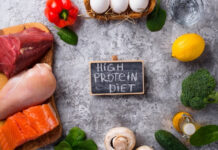
1. Mediterranean-Style Eating Patterns
It is one of the most proven patterns for heart health. Focus is simple:
- Vegetables and fruits
- Legumes and whole grains
- Fish and nuts
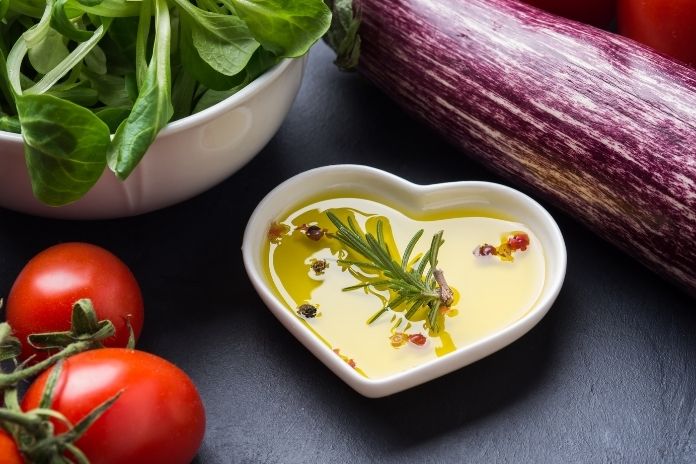
- Olive oil instead of refined oils
What makes it powerful is not one nutrient. It is a combination: fiber, healthy fats, and antioxidants working together. “One of the main benefits comes from the increase in fiber, which is the food (prebiotic) for the healthy bacteria in your gut (probiotic),” says Dr. Hooman Yaghoobzadeh, who is also a clinical associate professor of medicine. Important point: benefits come slowly but steadily. No instant cholesterol drop, but long-term risk is clearly reduced.
2. Regular Exercise and Movement
Many people look for supplements but ignore this basic therapy. Exercise works on multiple systems:
- Lowers blood pressure
- Improves insulin sensitivity
- Raises good cholesterol
- Reduces inflammation
Even walking daily has a strong effect. The gym is not compulsory.
3. Stress Reduction Practices
Stress directly affects the heart through hormones like cortisol and adrenaline. Practices such as meditation, slow breathing, yoga, and tai chi may not “cure” heart disease, but they improve the following:
- Blood pressure control
- Heart rate variability
- Sleep quality
Also, people who manage stress better stick longer to healthy habits. That indirect benefit is often bigger than the direct effect.
4. Smoking Cessation and Sleep Improvement
These are not marketed as “alternative therapies,” but they behave like one.
- Stopping smoking quickly reduces heart risk
- Good sleep improves blood pressure and metabolism
Still, people search for supplements before fixing these basics. That is an upside-down approach.
Supplements For Heart Health That May Help Some People
Supplements are popular because they look easy. But the benefit depends on the person, dose, and reason for use.
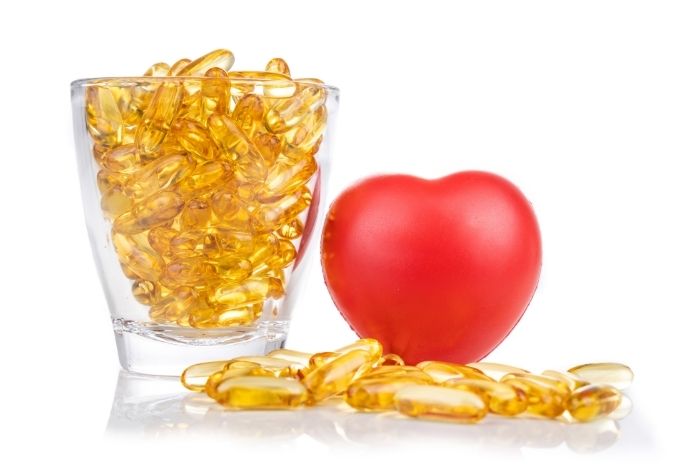
1. Omega-3 Fatty Acids
Omega-3 for heart health is one of the most studied supplements. It may help:
- People with high triglycerides
- Those who don’t eat fish regularly
“Omega-3 fatty acids lower triglyceride levels, decrease blood pressure, and reduce inflammation,” said Dr. Rohit Vuppuluri, a cardiologist. But the effect is not universal. Low doses in general capsules often give a very small benefit. Prescription-strength doses work differently. Also, not all omega-3 products are the same. Quality and composition matter.
2. CoQ10
CoQ10 plays a role in energy production in cells. It may help:
- People taking statins (for muscle symptoms)
- Some patients with heart failure
But for general heart protection, evidence of CoQ10 heart benefits is mixed. It is not a “take for everyone” supplement.
3. Soluble Fiber Supplements
Psyllium and similar fibers work in a simple way; they bind cholesterol in the gut. Regular use can:
- Reduce LDL cholesterol
- Improve digestion
But the effect depends on consistency. Taking it occasionally does nothing.
4. Plant Sterols and Stanols
These block cholesterol absorption in the intestine. They can lower LDL, but:
- Need regular intake
- Often added to special foods
Not magic, but useful for some people who want non-drug support.
Therapies For Health Health With Mixed or Limited Evidence
These are not useless, but the results are inconsistent or small.
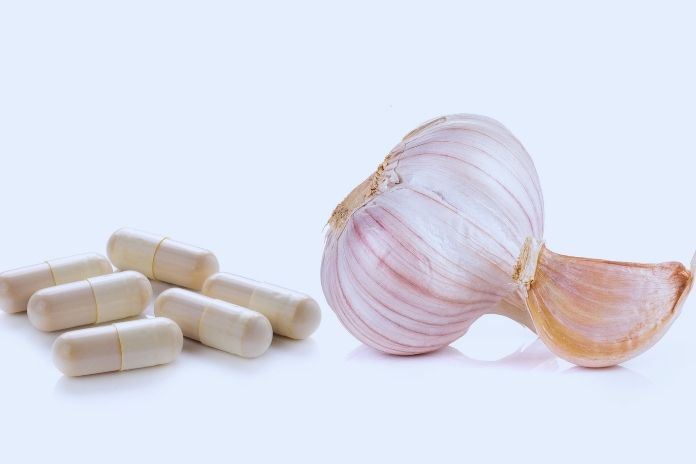
1. Garlic Supplements
If you ever wonder, “Can supplements lower blood pressure?” Garlic shows a mild effect on blood pressure and cholesterol. But the variation is big. Raw garlic, aged extract, and capsules all behave differently. Standardization is poor.
2. Red Yeast Rice
This is interesting because it contains natural statin-like compounds. It can reduce cholesterol, but:
- The dose is not consistent
- May contain contaminants
- Side effects similar to statins are possible
So calling it “natural and safe” is misleading.
3. Acupuncture
Some people feel relaxed after sessions. It may help with stress, pain, and overall well-being. But strong evidence for treating heart disease itself is lacking. It works more as supportive therapy.
4. Coconut Oil as a “Heart Food”
This became popular suddenly. But reality is that it is:
- High in saturated fat
- May increase LDL cholesterol
Claims are much bigger than evidence. Using it in small amounts is fine, but calling it heart-protective is not accurate.
What Usually Doesn’t Work For Heart Health or Is Overhyped?

This is where most confusion happens.
1. Detoxes, Cleanses, and “Artery Flush” Claims
No drink, juice, or powder can clean arteries. Plaque in the arteries is a complex structure. It cannot be “flushed” out. These claims are pure marketing.
2. Miracle Supplements Promising Fast Results
Heart health changes slowly. Anything promising, like an instant cholesterol drop or quick artery repair, is usually an exaggeration.
3. Replacing Medication With Herbs Without Supervision
This is dangerous. Conditions like hypertension and coronary artery disease need controlled treatment. Stopping medications suddenly can trigger serious events.
Safety Risks Related To Heart Health Therapies Many People Miss

Natural therapies also have risks, but people ignore them because the label says “herbal.”
1. Supplement-Drug Interactions
Some supplements interfere with medicines:
- Omega-3 (high dose) can affect blood thinning
- Garlic can interact with blood thinners
- Some herbs affect blood pressure medicines
This can lead to bleeding risk or poor control of the disease.
2. “Natural” Does Not Mean Safe
Problems include contamination, wrong labeling, and inconsistent doses. Unlike medicines, supplements are not always strictly regulated.
3. Delaying Proper Diagnosis
This is the biggest hidden risk. If someone uses home remedies for chest pain and breathlessness instead of a medical check, the diagnosis gets delayed. That delay can cost a life.
Read More: Evidence: How Reversing Prediabetes Affects Heart Health
Best Natural Ways to Support My Heart Health Currently

Instead of chasing multiple best therapies for heart health, a simple structure works better.
1. Build a Food-First Strategy
Focus on:
- More fiber (vegetables, legumes)
- Healthy fats (nuts, seeds, fish)
- Less ultra-processed food
Food gives a combined effect that supplements cannot match.
2. Move on Most Days of the Week
Even 30–40 minutes of walking and basic strength exercises can give strong benefits over time.
3. Manage Stress Consistently
Not occasional meditation, but regular practice:
- 10–15 minutes daily
- slow breathing exercises
4. Track Key Numbers
Without tracking, improvement is guesswork. Check blood pressure, cholesterol, and blood sugar if needed. Data helps adjust the approach.
Read More: How to Strengthen Your Arteries Naturally: What Doctors Suggest for Better Heart Health
Alternative Heart Health Therapies: When to Talk With a Healthcare Professional

Alternative medicine for heart disease is not completely DIY.
1. Before Starting Any Supplement
Especially if you take medicines or you have a heart condition. Even simple supplements can interfere.
2. If Symptoms Are New or Worsening
Important warning signs:
- Chest pain
- Palpitations
- Swelling
- Fainting
- Breathlessness
These are not for self-treatment.
3. If You Want an Evidence-Based Plan
A personalized plan works better than a random selection of therapies. What works for one person may not work for another.
Read More: Heart Health in Your 30s: 8 Habits That Can Protect You for Life
Final Thoughts: Use Evidence, Not Hype
Alternative therapies are not useless but are also not miracle tools. The strongest ones are actually boring: diet, movement, stress control, and sleep. Heart health supplements can help in specific cases, but not as a universal solution.
The mistake people make is looking for a shortcut instead of a structure. Heart health improves when multiple small factors align, not when one “super remedy” is added.
- Most powerful “alternative therapies” are actually lifestyle patterns, not supplements for heart health.
- Heart health supplements show benefit only in specific groups; general use often gives small results.
- Many popular natural remedies fail in large, high-quality studies.
- The biggest risk is delaying proper treatment while trying unproven methods.
- A research gap still exists in long-term combined use of supplements with lifestyle medicine; most studies test single interventions, not real-life combinations.
FAQs
1. Can supplements replace heart medications?
No, supplements cannot replace heart medications in most cases because they lack consistent, clinically proven effects. Prescribed drugs target specific pathways with predictable outcomes, while stopping them without medical advice increases the risk of heart attack, stroke, or disease progression.
2. Is omega-3 worth taking daily to improve heart health?
Omega-3 supplements may be worth taking daily only in specific situations, such as low fish intake or high triglycerides. Clinical benefits depend on dose and formulation, while low-dose general supplementation shows limited cardiovascular benefit in otherwise healthy individuals.
3. Are herbal remedies safer than medicines?
No, herbal remedies are not always safer than medicines because they can cause side effects and drug interactions. Variable quality, dosing inconsistencies, and lack of regulation make their effects less predictable compared to standardized, clinically tested pharmaceutical treatments.
4. Does meditation really help heart health?
Yes, meditation helps heart health indirectly by reducing stress and improving autonomic balance. Lower stress can reduce blood pressure and support healthier behaviors, but meditation is considered an adjunct therapy, not a primary treatment for cardiovascular disease.
5. What is the biggest mistake people make with natural heart health remedies?
The biggest mistake with alternative therapies for heart health is using multiple supplements without addressing basic lifestyle factors. Poor diet, inactivity, and inadequate sleep limit benefits, while consistent habits provide stronger, evidence-based improvements in long-term cardiovascular health outcomes.
References
- Banerjee, S. K., & Maulik, S. K. (2002). Effect of garlic on cardiovascular disorders: a review. Nutrition Journal
- Karimi, M., Pirzad, S., Hooshmand, F., Shirsalimi, N., & Pourfaraji, S. M. A. (2025). Effects of coenzyme Q10 administration on blood pressure and heart rate in adults: A systematic review and meta-analysis of randomized controlled trials. International Journal of Cardiology Cardiovascular Risk and Prevention
- Khan, S. U., Lone, A. N., Khan, M. S., Virani, S. S., Blumenthal, R. S., Nasir, K., Miller, M., Michos, E. D., Ballantyne, C. M., Boden, W. E., & Bhatt, D. L. (2021). Effect of omega-3 fatty acids on cardiovascular outcomes: A systematic review and meta-analysis. EClinicalMedicine
In this Article