
















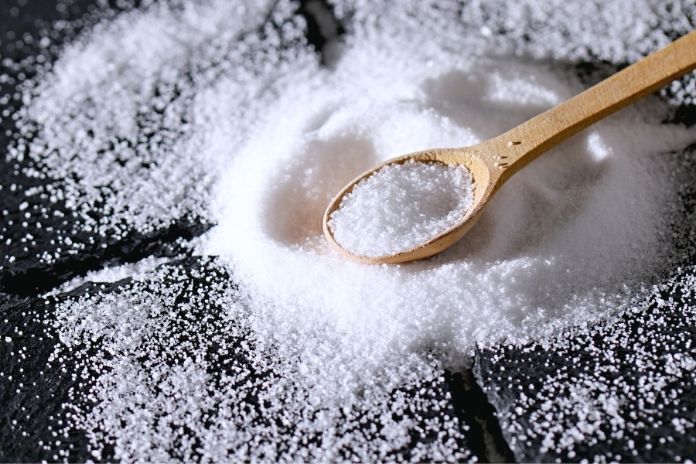
Most people already know excess sodium raises the risk of high blood pressure, heart disease, and fluid retention.
The real problem is that sodium hides almost everywhere: bread, sauces, packaged snacks, frozen meals, deli meats, and restaurant food can push intake far beyond the daily limit before you notice.
That is why, despite years of consistent sodium intake guidelines, the average American still consumes far more than recommended, and why the first week of cutting back often tastes flat enough to make people quit.
This guide covers the real sodium limits, who needs stricter targets, where hidden sodium shows up, and how to reduce salt intake without making food boring.
- Current sodium intake guidelines cap most healthy adults at 2,300 mg per day, but average U.S. intake is closer to 3,400 mg, mostly from packaged foods and restaurants.
- People with high blood pressure, heart disease, or kidney disease often benefit from a stricter target of 1,500 mg per day, based on clinician guidance.
- Roughly 70 percent of sodium in American diets comes from processed and restaurant foods, not the salt shaker, so label reading matters more than skipping table salt.
- Taste buds adapt to lower salt within a few weeks when acid, herbs, umami, and high-heat cooking rebuild flavor without sodium.
What Are the Current Sodium Intake Guidelines?
Recommended Daily Sodium Limits for Most Adults
The Dietary Guidelines for Americans and the U.S. FDA recommend less than 2,300 milligrams of sodium per day for adults, about one teaspoon of table salt. The American Heart Association suggests an ideal cap of 1,500 mg for most adults, particularly those with elevated blood pressure. The World Health Organization sits between the two with a global target of under 2,000 mg.
The actual U.S. average is roughly 3,400 mg per day, well above any of these targets. Daily needs vary by age, sweat loss, activity, and underlying health.
Who May Need Stricter Sodium Limits?
People with hypertension, heart failure, chronic kidney disease, cirrhosis, or significant edema are usually advised to stay closer to 1,500 mg per day. Diuretic users may be especially sensitive. African American adults and adults over 50 also respond more strongly to sodium reduction, which is reflected in tighter clinical targets.
A dialysis patient, a marathon runner training in summer heat, and an older adult on hypertension medication can each have very different sodium prescriptions. Anyone with a cardiovascular or kidney diagnosis should get a number from their clinician.
Sodium vs Salt: What Is the Difference?
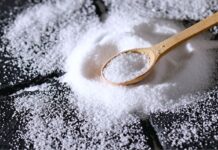
Sodium is the nutrient that affects blood pressure and fluid balance. Salt is sodium chloride, about 40 percent sodium by weight. One teaspoon of table salt holds roughly 2,300 mg of sodium, the entire daily upper limit for most adults.
Nutrition Facts labels report sodium in milligrams, not salt in grams, which is why label reading is the more reliable habit. Sea salt, kosher salt, and pink Himalayan salt are sometimes marketed as healthier, but by weight, they deliver nearly identical sodium to ordinary table salt.
Why Too Much Sodium Can Be a Problem
When sodium rises in the blood, the body pulls in water to dilute it. The extra fluid increases blood volume, which raises pressure against artery walls. Over time, sustained high pressure stiffens vessels and forces the heart to work harder.
Dr. Lawrence Appel, MD, MPH, professor of medicine at Johns Hopkins and a key architect of the DASH diet, noted in a 2025 Hopkins Medicine release on the DASH4D trial that most participants were already taking more than one blood pressure medication, yet the team found that blood pressure could be lowered further with dietary change.
The landmark DASH-Sodium trial in the New England Journal of Medicine showed that lowering sodium from about 3,300 mg to 1,500 mg per day produced substantial drops in systolic blood pressure, with the largest reductions in adults who already had hypertension. A 2013 BMJ meta-analysis by Aburto and colleagues and a Cochrane review by He, Li, and MacGregor both confirmed that modest, sustained sodium reduction lowers blood pressure across diverse populations.
Beyond blood pressure, excess sodium drives bloating and fluid retention in the hands, ankles, and face. Over decades, persistently high intake is linked to higher risk of stroke, heart failure, and chronic kidney disease, even in people whose blood pressure looks normal. Some research also connects high sodium to urinary calcium loss, which may affect bone health in older women.
Where Most Sodium in the Diet Actually Comes From
According to U.S. surveillance data, more than 70 percent of dietary sodium comes from processed and restaurant foods, not the salt shaker. Bread, rolls, pizza, sandwiches, cold cuts, soups, savory snacks, cheese, and frozen meals are the biggest contributors.
Dr. Stephen Juraschek, MD, PhD, a hypertension specialist at Beth Israel Deaconess Medical Center and Harvard Medical School, told Harvard Health Publishing that sodium levels in grocery store foods can be stunning, even in items that seem healthy, like whole grain breads and fresh poultry.
Restaurant meals routinely deliver 1,500 to 3,000 mg of sodium in a single sitting, and even light-seeming salads can cross 1,000 mg once dressing and toppings are added.
Some of the worst offenders look virtuous on the shelf: veggie burgers, canned beans, cottage cheese, jarred pasta sauce, broth-based soups, smoked salmon, deli turkey, and certain protein bars often exceed 400 to 600 mg per serving. A lunch of canned soup and a sandwich can use up most of the day’s sodium budget before dinner.
Read More: Hidden Salt Sources That Can Damage Your Kidneys
How to Reduce Salt Without Losing Flavor

Salt sensitivity is partly trained. People on high-sodium diets need more salt to taste the same level of saltiness, and vice versa. Research compiled by the U.S. Food and Drug Administration shows that gradual reduction, around 10 percent at a time, is rarely noticed, and taste buds adjust over a few weeks.
Julia Zumpano, RD, a registered dietitian at Cleveland Clinic’s Center for Human Nutrition, told Cleveland Clinic Health Essentials that something that did not taste salty before can taste extremely salty after sticking to a low-sodium diet for just a week or two. Suddenly, drastic cuts feel punishing and rarely last. A steady drawdown over four to six weeks works better.
Acid is the single most underused tool in low-sodium cooking. A squeeze of lemon or lime on roasted vegetables, a splash of vinegar in soup, a spoon of yogurt on grain bowls, or a pickled onion on tacos creates the impression of seasoning without sodium. Acid sharpens flavors that salt would otherwise mask.
Fresh and dried herbs build depth that salt cannot replicate. Garlic, ginger, black pepper, smoked paprika, cumin, oregano, rosemary, thyme, and chili powder are reliable starting points. Toasting whole spices in a dry pan for thirty seconds before grinding intensifies aroma.
Salt-free seasoning blends often outperform plain salt, and pairing them with potassium-rich foods like leafy greens, beans, and bananas also supports blood pressure.
Umami is the savory, meaty quality often credited to salt. Mushrooms, roasted tomatoes, sun-dried tomatoes, caramelized onions, nutritional yeast, unsalted nuts, and low-sodium broths add umami without driving sodium up. Aged cheese also delivers umami but carries sodium.
Roasting at high heat caramelizes natural sugars in vegetables. Grilling builds smoke and Maillard browning. Toasting spices, searing proteins, and reducing sauces concentrates flavor that would otherwise need salt. A roasted carrot tastes nothing like a boiled one.
A final layer of texture often satisfies the same craving salt does. Toasted seeds, fresh herbs scattered on top, citrus zest, crunchy raw vegetables, or chopped scallions add contrast and brightness. People often reach for the salt shaker when a dish feels monotonous, not when it actually needs sodium.
Smart Grocery Shopping for Lower Sodium Eating
Two numbers matter on every label: milligrams of sodium per serving, and the serving size. A soup that lists 480 mg per serving and contains 2.5 servings per can actually delivers 1,200 mg. As a quick rule, 5 percent Daily Value or less is low, and 20 percent or more is high.
The table below shows where everyday foods often sit and what to swap in. It is not exhaustive, but it covers the categories that drive most household sodium load.
Sodium Reduction Guide
Common Foods & Lower-Sodium Swaps
| Common Food | Typical Sodium per Serving | Lower-Sodium Swap |
|---|---|---|
| Canned soup | 700–900 mg | “Low sodium” version (140 mg or less) |
| Deli turkey | 450–600 mg | Plain roasted chicken or turkey made at home |
| Bread (2 slices) | 250–400 mg | Lower-sodium artisan or homemade bread |
| Pasta sauce (½ cup) | 400–550 mg | “No salt added” or homemade tomato sauce |
| Salted snack nuts | 150–200 mg | Unsalted nuts |
| Frozen meal | 600–1,200 mg | Home batch-cooked portions |
Applying a comparison like this in real time at the store often delivers 30 to 50 percent sodium reductions for the same meal pattern, with no major lifestyle change.
Front-of-package claims are regulated but still need verification. “Sodium-free” means less than 5 mg per serving. “Very low sodium” is 35 mg or less. “Low sodium” is 140 mg or less. “Reduced sodium” means at least 25 percent less than the original, which may still be high in absolute terms. “No salt added” means no salt was added during processing, though natural sodium may still be present.
A low-sodium pantry is built on plain, single-ingredient foods: no-salt-added canned beans and tomatoes, dry grains and rolled oats, unsalted nuts and seeds, plain frozen vegetables, fresh produce, plain Greek yogurt, eggs, and low-sodium or unsalted broths. Once the pantry shifts, lower-sodium cooking becomes the default rather than a project.
Easy Low-Sodium Swaps for Everyday Meals
- Breakfast: Plain rolled oats with fruit and cinnamon instead of flavored instant packets. Two eggs scrambled with herbs and tomato instead of bacon or sausage.
- Lunch: A homemade wrap with grilled chicken, lettuce, tomato, avocado, and mustard usually comes in under 500 mg, while a deli sandwich can clear 1,200 mg.
- Dinner: A grilled or roasted protein, a roasted vegetable, and a plain grain, finished with lemon and herbs. Homemade marinades using olive oil, citrus, garlic, and herbs replace high-sodium bottled sauces. Stir-fries built on low-sodium soy sauce or coconut aminos work well too.
- Snacks: Air-popped popcorn with smoked paprika, fresh fruit, raw vegetables with hummus, hard-boiled eggs, and unsalted trail mix. Reading a snack label before opening the package is one of the highest-yield habits in the whole low-sodium diet strategy.
Can Salt Substitutes Help?
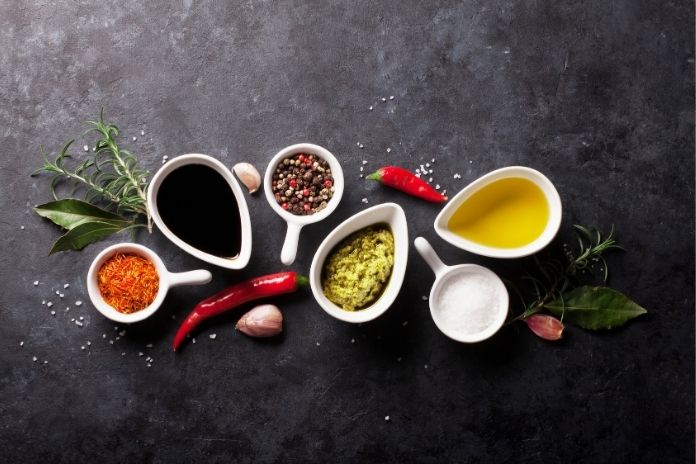
Salt substitutes that replace some or all of the sodium chloride with potassium chloride can lower sodium intake meaningfully while keeping a salty taste.
Dr. Cheryl Anderson, PhD, MPH, professor and founding Dean of the UC San Diego Herbert Wertheim School of Public Health and chair of the American Heart Association’s Nutrition Committee, notes that many people do not realize a large portion of their sodium intake comes from processed and packaged foods, not just the salt shaker. Substitutes can shift that balance for those who do cook with salt at home.
A 2020 BMJ meta-analysis by Huang and colleagues found that sodium reduction lowered blood pressure in a dose-dependent way, with longer interventions producing larger effects.
Potassium-based substitutes are not for everyone. People with chronic kidney disease, those on ACE inhibitors, angiotensin receptor blockers, or potassium-sparing diuretics, and patients with adrenal insufficiency can develop dangerously high potassium levels. Anyone on these medications or with kidney issues should check with a pharmacist or clinician before using a potassium-based substitute regularly.
When to Talk With a Healthcare Professional
A clinician can set a specific sodium target that fits the diagnosis, weight, medications, and lab values. For resistant hypertension, Dr. Juraschek has recommended limiting sodium to 1,500 mg per day alongside the DASH eating pattern and careful label reading. The plan looks different for someone with stage 3 chronic kidney disease, where potassium-based substitutes may be off the table.
Symptoms of true low sodium, called hyponatremia, are uncommon in healthy adults eating typical diets but can occur in endurance athletes who overhydrate, in older adults on certain diuretics, or in specific medical conditions. Weakness, confusion, severe fatigue, or fainting after major diet changes are reasons to seek care.
A registered dietitian can translate guidelines into a realistic grocery list, restaurant strategy, and weekly menu. This helps in households where one person has hypertension, and others do not, or where cultural food traditions need to be preserved rather than abandoned.
Read More: 7 Effective Ways to Flush Excess Salt from Your Body for Better Health
Takeaway: Lower Sodium Can Still Mean Flavorful Food
Sodium intake guidelines are not a punishment. They reflect strong evidence that average American salt intake is raising blood pressure across the population and that even modest, sustained reductions translate into fewer strokes, fewer heart attacks, and better kidney function. For heart health, the numbers, 2,300 mg for most adults and 1,500 mg for many with cardiovascular risk, are the destination, not the starting point.
The mistake most people make is trying to get there in a single week. Gradual reduction, smart shopping, more home cooking, and aggressive use of acid, herbs, umami, and high-heat methods make a lower-sodium diet feel rich rather than restrictive. For a sense of how stealthily hidden sodium can be, this look at hidden sodium in tomato juice and why it could be raising your blood pressure is worth a read.
If a medical condition is involved, personalized guidance from a clinician or registered dietitian beats a generic plan. Sodium intake guidelines work best when translated into specific habits, repeated over weeks, and adjusted as taste and biology adapt. The flavor returns, often more intensely than before.
References
- Aburto, N. J., Ziolkovska, A., Hooper, L., Elliott, P., Cappuccio, F. P., & Meerpohl, J. J. (2013). Effect of lower sodium intake on health: Systematic review and meta-analyses. BMJ, 346, f1326.
- American Heart Association. (2024). How much sodium should I eat per day?
- Cleveland Clinic. (2025). Heart failure diet: Foods to eat and avoid.
- He, F. J., Li, J., & MacGregor, G. A. (2013). Effect of longer-term modest salt reduction on blood pressure: Cochrane systematic review and meta-analysis of randomised trials. BMJ, 346, f1325.
- Huang, L., Trieu, K., Yoshimura, S., Neal, B., Woodward, M., Campbell, N. R. C., Li, Q., Lackland, D. T., Leung, A. A., Anderson, C. A. M., MacGregor, G. A., & He, F. J. (2020). Effect of dose and duration of reduction in dietary sodium on blood pressure levels: Systematic review and meta-analysis of randomised trials. BMJ, 368, m315.
- Johns Hopkins Medicine. (2025, June 10). Johns Hopkins Medicine study finds eating “DASH for Diabetes” lower-sodium diet can produce clinically meaningful reduction in blood pressure for people with type 2 diabetes.
- Harvard Health Publishing. (2025). Take back your blood pressure control.
- Sacks, F. M., Svetkey, L. P., Vollmer, W. M., Appel, L. J., Bray, G. A., Harsha, D., Obarzanek, E., Conlin, P. R., Miller, E. R., Simons-Morton, D. G., Karanja, N., & Lin, P. H. (2001). Effects on blood pressure of reduced dietary sodium and the Dietary Approaches to Stop Hypertension (DASH) diet. New England Journal of Medicine, 344(1), 3-10
- U.S. Food and Drug Administration. (2024). Sodium reduction in the food supply.
- World Health Organization. (2023). Sodium reduction.
In this Article