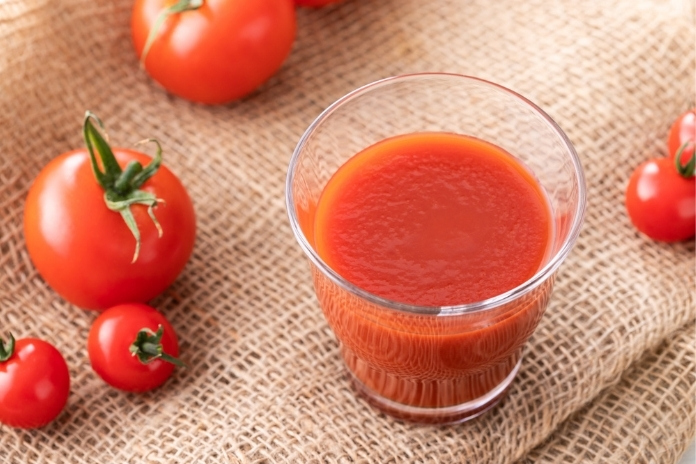
- Store-bought tomato juice can hide 600–800 mg of sodium per cup, significantly affecting blood pressure.
- Low-sodium or no-salt-added options let you enjoy juice without excess sodium.
- Combine with fresh vegetables, fruits, and lean proteins for a heart-healthy daily intake.
Packed with antioxidants and nutrients including lycopene, vitamin C, and potassium, tomato juice is frequently hailed as a heart-healthy beverage. The sodium content of tomato juice, which can be unexpectedly high in store-bought varieties, is often overlooked.
Particularly for people with hypertension or sodium sensitivity, this hidden sodium can subtly raise blood pressure, cause fluid retention, and raise cardiovascular risk. Even people who prioritize eating “healthy” may unintentionally consume large amounts of sodium through seemingly innocuous beverages.
In this article, we will explore how sodium affects blood pressure and heart health, reveal how much sodium is in different types of tomato juice, explain why tomato juice and blood pressure may be linked, and identify other hidden sources of sodium you might be overlooking.
Read More: Salt Alternatives: Flavorful Ways to Reduce Sodium Intake
How Sodium Affects Blood Pressure and Heart Health
Role of Sodium in Fluid Balance and Blood Volume
One of the electrolyte minerals the body requires in relatively large amounts is sodium. When dissolved in bodily fluids like blood, electrolytes carry an electric charge.
The blood and the fluid surrounding cells contain most of the body’s sodium. The body uses sodium to maintain a healthy fluid balance. Sodium is essential for healthy neuron and muscle function.
Sweat and urine are the main ways that sodium leaves the body after entering it through food and drink. By regulating the amount of sodium excreted in the urine, healthy kidneys maintain the body’s sodium levels.
When sodium intake and loss are out of balance, they impact the body’s overall sodium levels.
The blood’s sodium concentration can fall outside the normal range:
- Hyponatremia– when sodium levels are too low
- Hypernatremia– when sodium levels are too high
Why Excess Sodium Can Increase Blood Pressure
Your body retains water when it is exposed to salt. Eating too much causes your blood to contain more water, which puts more strain on the walls of your blood vessels and raises your blood pressure.
If you already have high blood pressure, consuming too much salt will make it even higher and may indicate that your blood pressure medications aren’t working as well as they should.
Reducing salt intake is the easiest way to lower your blood pressure, and you will start to see results in a matter of weeks.
This high blood pressure can eventually lead to persistent hypertension and a higher risk of stroke and heart disease. Other health issues like heart disease, stroke, renal illness, and various forms of dementia might result from it.
Differences in Sodium Sensitivity between Individuals
Some people are sodium-sensitive, meaning that eating salt causes their blood pressure to increase more dramatically. Age, genetics, ethnicity, and pre-existing medical disorders, including chronic kidney disease, all affect salt sensitivity.
For this reason, some people’s blood pressure may be more affected by a product like tomato juice, which appears to have a moderate amount of sodium.
How Much Sodium Is in Tomato Juice?
Tomato juice’s salt content varies widely by brand and processing method. If you’re keeping an eye on your daily sodium intake, it’s important to comprehend these variations.
Typical Sodium Levels in Packaged Tomato Juice
The amount of salt in many store-bought tomato juices is the main concern. Some popular brands have 600 to 800 mg of sodium per cup, which is about 25 to 35% of the daily limit.
Eating a lot of sodium can raise your blood pressure and make you more likely to have a stroke or heart disease. It is very important to find “low-sodium” or “no-salt-added” options. A glass of salty tomato juice has about 630 mg of sodium, while a serving of unsalted tomato juice has about 25 mg.
Comparing Regular vs. Low-Sodium Versions
Nowadays, many brands sell low-sodium tomato juice, which usually has substantially less sodium per serving, between 140 and 200 mg. It’s important to study the nutrition data because some “reduced sodium” products actually have more salt than you might think.
When evaluating how much sodium is in tomato juice, always check the label. Be mindful that multiple servings per bottle can add up quickly.
How Quickly Sodium Adds up Across Servings
Even small amounts of tomato juice can have a big effect on daily sodium intake. A regular 8-ounce serving of tomato juice may have 600 to 800 mg of salt, which is about 20 to 30 percent of the American Heart Association’s recommended daily limit of 2,300 mg.
If you eat two or more meals with other processed foods, sodium can build up quickly, increasing your risk of high blood pressure. You can still enjoy your favorite drink without going over your daily salt limit if you pay attention to how much you drink and choose low-sodium tomato juice alternatives.
Read More: Hidden Salt Sources That Can Damage Your Kidneys
Why Tomato Juice Often Contains Added Sodium
You might be wondering why tomato juice needs salt at all, especially since fresh tomatoes don’t naturally contain much salt.
Improving Flavor: Salt enhances the taste of food. Without it, plain tomato juice might taste sour or bland, so manufacturers add sodium to improve its flavor.
Preservation and Shelf Stability: Sodium also acts as a preservative, helping prevent spoilage and extend shelf life. It is why processed foods, such as canned soups and juices, sometimes contain more salt than fresh foods.
Differences Between Packaged and Fresh Options: Fresh tomatoes have about 5 mg of salt per 100 grams. Processed juices, on the other hand, may have 100 times more salt.
Is Tomato Juice Bad for People With High Blood Pressure?

When it may Contribute to Excessive Sodium Intake
High-sodium tomato juice can help you surpass your daily salt limit if you already have hypertension, especially if you drink it frequently. Over time, the combined effects of processed foods and salty drinks can raise blood pressure.
Situations Where it Can Still Fit into a Balanced Diet
However, tomato juice isn’t intrinsically “bad” in all situations. You can benefit from tomato juice without consuming too much salt if you select low‑sodium tomato juice alternatives and incorporate them into a diet high in nutritious foods, fruits, vegetables, and lean proteins.
Importance of Total Daily Sodium Consumption
On average, Americans consume more than 3,300 mg of sodium per day, which is far too much. For most people, the American Heart Association recommends a daily limit of 2,300 mg and an ideal target of 1,500 mg.
Most people can enhance their heart health and blood pressure by reducing their daily intake by 1,000 mg. Remember that packaged, prepared, and restaurant foods, not salt shakers, account for about 70% of the sodium consumed by Americans.
Most of us likely underestimate how much sodium we consume. A healthy eating pattern includes limiting sodium intake.
Hidden Sodium Sources You Might Be Overlooking
When most people hear the term “high sodium,” they picture chips or salted snacks. However, many unexpected sources of sodium go unnoticed.
Typical instances consist of the following:
- Packaged drinks, such as tomato juice
- Condiments (salad dressings, ketchup, and soy sauce)
- Canned stews and soups
- Processed meats
- Instant sauces and noodles
Salt is added to many “healthy” packaged goods, such as frozen meals, granola bars, and flavored oats, to enhance flavor and texture.
Read More: Adding Salt to Drinking Water: Benefits, Risks, and Safe Consumption Tips
How to Choose a Heart-Healthier Tomato Juice
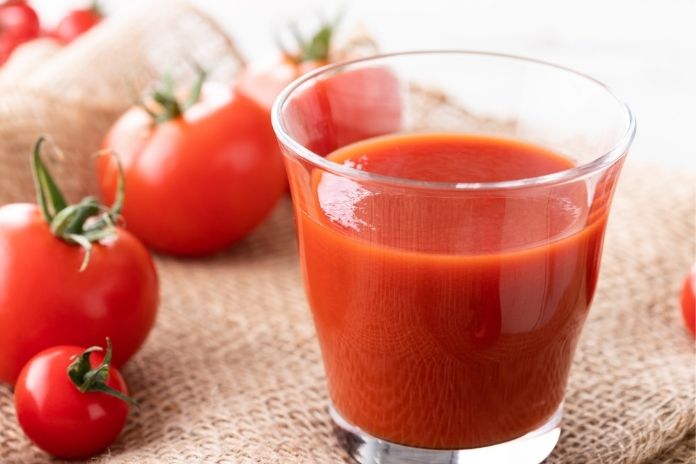
A tomato juice with as few components as possible is the best option. Only tomatoes, water, and a tiny bit of salt or other seasoning should be on the ingredient list. Here are some things to consider while purchasing tomato juice.
Sodium Content: Commercial tomato juice products differ significantly in their salt content. An average cup of tomato juice contains 400-800 mg of salt. To reduce sodium intake, look for juice labels such as the following:
- Salt-free (<5 mg per cup)
- No added salt (~25 mg per cup)
- Low sodium (<140 mg per cup)
- Reduced sodium (≥25% less than the regular version)
Processing Method: You can use either cold or heat processing on the tomatoes that you need to make tomato juice. Most supermarket brands of tomato juice use heat processing, but juice bars usually use cold processing.
Cold-processed tomato juice usually has better color and taste. However, heat-processed tomato juice may be better for your health because it makes it easier for your body to absorb lycopene.
Extra Fruits or Vegetables: Some companies make “vegetable juice” by mixing tomato juice with other fruits and vegetables, such as carrots and celery. Vegetable juices like V8 often look like tomato juice.
They are also a great source of vitamins and minerals, just like tomato juice. The specific amount depends on the vegetables used. For example, juice blends that use carrot juice would be high in vitamin A.
Better Alternatives for Hydration and Heart Health
If you like tomato juice but wish to cut back on sodium, think about these choices:
Low-sodium vegetable juices: Low-sodium vegetable mixes such as cucumber, celery, and beet juice can help you stay hydrated without adding too much salt.
Whole tomatoes vs. juice: Eating fresh or roasted tomatoes gives you fiber, antioxidants, and a lot less sodium than most store-bought juices.
Other potassium-rich, low-sodium drink options: Potassium helps lower blood pressure by promoting excretion of sodium and relaxing blood vessel walls. Drinks like potassium-rich smoothies or coconut water (look for low-sodium versions) can help keep your electrolytes in balance.
Read More: Heart-Healthy Kitchen Essentials: 6 Best Salt Substitutes for Hypertension Management
Practical Tips to Reduce Daily Sodium Intake
Consuming excessive amounts of salt can raise your blood pressure and increase the risk of stroke and heart disease. More Americans die each year from heart disease and stroke combined than from any other cause.
Foods that don’t taste salty can yet be significant sources of sodium. Due to their regular consumption, foods with relatively low salt content, like bread, can become significant sources of sodium.
- Purchase canned, frozen, or fresh veggies without any additional sauce or salt.
- When packaged goods with the labels “low sodium,” “reduced sodium,” or “no salt added” are available, choose those.
- Buy fresh poultry, fish, pork, and lean meat whenever you can instead of processed meats like cured, salted, and smoked.
- Use less salt or adjust the amount when cooking, and substitute with garlic, lemon juice, salt-free seasonings, or spices.
- Consume more fruits and veggies.
- Reduce the amount of sauces, mixtures, and instant goods, such as prepared pasta and flavored rice.
- Ask for nutrition information before ordering at a restaurant, and choose a dish with less sodium.
- Request that the chef refrain from adding salt to your food.
- Get fruit as a side dish or veggies without salt.
When to Monitor Sodium More Closely
Some people should be particularly watchful of their salt intake:
- Individuals who have been diagnosed with hypertension.
- People who have kidney disease.
- People suffering from heart failure.
- Older adults with reduced sodium sensitivity.
- People are encouraged to follow low-salt diets.
Read More: The Link Between Salt Intake and Hypertension Explained
Conclusion
Many people think of tomato juice as a healthy drink full of vitamins and antioxidants, but widely available store-bought varieties contain hidden sodium that can raise blood pressure. It’s very important to know the sodium content of tomato juice, especially for people with high blood pressure or at risk of heart problems.
You can safely drink tomato juice without risking your heart health if you choose low-sodium alternatives, read labels carefully, and keep track of your overall salt intake.
References
- James L. Lewis III, MD. (Jun 2025). Overview of Sodium’s Role in the Body.
- Blood Pressure UK. Salt and your blood pressure.
- Active Health. (2026, January 23). Salt sensitivity: Why sodium affects some people more than others.
- Red Gold Tomatoes. Is tomato juice good for you? Benefits, nutrition, and risks explained.
- Lily Morgan. (March 22, 2026). Low Sodium Tomato Juice: Facts, Selection & Usage Guide.
- Centers for Disease Control and Prevention. (2024, January 31). Tips for reducing sodium intake.
- Osborne, M. (2024, October 15). Sodium is everywhere: Here’s how to lower your intake.
- Lily Morgan. (March 23, 2026). The Healthiest Tomato Juice: Science-Backed Selection Guide.
In this Article