


















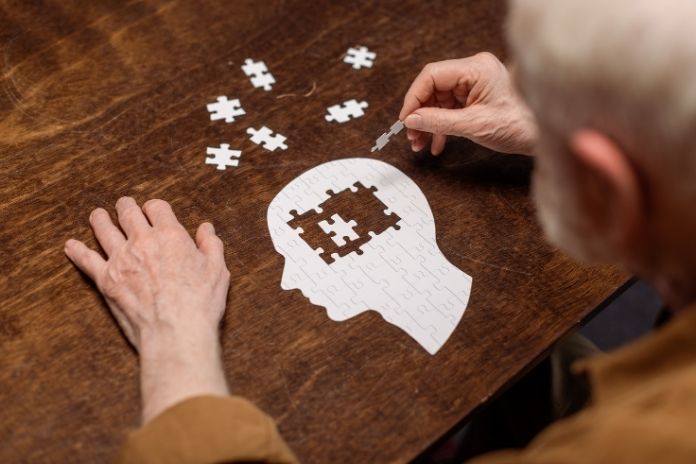
For many people over 50, the fear of memory loss starts very quietly. Forgetting why you opened the fridge. Not remembering a neighbor’s name suddenly. Losing one simple word in the middle of talking.
Many people think first, “Is this normal aging or the start of something serious?” Actually, memory worries become very common with age. Experts say more than half of adults around 60 talk about changes in focus or recall. But many of these changes are not dementia. Brain aging is not fixed fully. Daily lifestyle also significantly affects it.
That is why researchers became interested in the large 2025 study, the U.S. POINTER trial. This study did not focus on a single magic supplement or brain exercise. Researchers found that people showed better cognition when multiple habits worked together: physical activity, food, mental engagement, social connection, sleep, and health tracking.
That combination looked more important than any single habit. This is what current brain research is slowly showing now about daily habits for sharper memory as you age.
- The 2025 U.S. POINTER trial showed that combining exercise, a healthy diet, sleep, social activity, and mental engagement supports better memory more effectively than any single habit alone.
- Regular physical activity has the strongest evidence for protecting brain health because it boosts BDNF and supports memory-related brain function.
- Consistent lifestyle habits, including movement, social connection, anti-inflammatory eating, and quality sleep, may help slow age-related cognitive decline and keep the brain function healthy as you age.
The POINTER Trial: What the 2025 JAMA Study Actually Found

The U.S. POINTER randomized clinical trial was published in JAMA in July 2025 through the Alzheimer’s Association. It studied older adults who already had a higher risk of cognitive decline due to lifestyle or health factors.
Participants followed lifestyle programs focused on movement, nutrition, cognitive activity, and regular health monitoring for nearly two years. Researchers then checked changes in memory, attention, and thinking ability over time. People following more structured programs with coaching and support showed greater improvements than those receiving only minimal guidance.
This part is important because many people know healthy habits matter, but knowledge alone is not always enough. The study suggests routine and support systems may help the brain more than passive awareness.
Another big finding came during AAIC 2025 discussions. Benefits were seen across different sex groups, ethnic groups, cardiovascular health conditions, and even the APOE-e4 genetic risk linked with Alzheimer’s disease. Researchers said genes matter, but lifestyle still changes outcomes.
Still, researchers are careful not to overstate things. This was a two-year study in adults already at risk. It does not prove that dementia can be fully prevented forever. However, it strongly supports the idea that combined daily habits may help reduce cognitive decline and support sharper memory with age.
The Habit With the Strongest Individual Evidence: Daily Movement

Out of all habits that improve memory as you age, exercise still has the strongest evidence. “Exercise is key,” says a neuropsychiatrist, Dr. Drew Cumming.
A University of Florida study released in December 2025 found that certain daily lifestyle patterns were associated with better brain function, resulting in a biological brain age nearly 8 years younger. Physical activity was one of the strongest contributing factors. Researchers now understand that the benefit extends beyond the simple “exercise is good” and have identified some of the mechanisms behind it.
Physical activity increases something called BDNF, brain-derived neurotrophic factor. This protein helps the hippocampus, one of the brain areas most closely linked to memory formation and learning. Exercise supports neuroplasticity, meaning brain cells communicate and adapt better. So movement is not only helping blood circulation. It directly affects the brain’s memory systems.
One large Nature Communications cognitive study from 2024 followed 32,033 adults aged 50 to 104 across 14 European countries for almost 10 years. Weekly moderate-to-vigorous activity was one of the habits most strongly linked with slower memory decline and slower loss of verbal fluency.
The useful thing about this research is that people do not need hard gym workouts daily. Many benefits came from regularly engaging in realistic activities such as fast walking, cycling, swimming, dancing, and gardening. The brain responds more to consistency than to intensity.
Social Contact: The Most Underestimated Daily Habit

When people ask what keeps memory sharp with age, social connection rarely comes up first. But newer cognitive aging research keeps pointing in that direction.
The same 2024 Nature Communications study found that regular weekly social contact was part of the lifestyle pattern associated with the slowest cognitive decline. Its protective association was surprisingly similar to that of physical activity in some analyses.
Researchers think the reason is complexity. Social interaction forces the brain to engage multiple systems simultaneously: language processing, emotional interpretation, memory retrieval, attention, facial recognition, and executive function. A conversation is actually a full cognitive workout happening in real time. Solitary brain games usually activate narrower circuits.
Importantly, the evidence does not say people must become highly social every day. The benefit appeared with meaningful regular contact, not constant activity. That matters especially for introverted adults or people who have become more isolated after retirement.
Simple things count here. Weekly tea with friends. Phone calls. Community groups. Volunteering. Religious gatherings. Hobby clubs. Even continuing part-time work later in life may help. One study even found that continuing employment beyond traditional retirement was associated with slower cognitive decline compared with full disengagement from structured work.
The bigger message is not popularity. It is mental engagement through human interaction.
Read More: What Is ‘Cringe Memory’ and Why It Haunts You at Night
Diet: What the 2024 Research Specifically Showed

Nutrition discussions around brain health often become vague very quickly. But some newer evidence is unusually specific.
A 2024 study involving around 84,000 adults found that people following anti-inflammatory diets had a 31% lower risk of dementia than those following more inflammatory diets. Researchers also found greater grey matter volume in these groups, suggesting an actual structural brain difference may exist.
The term “anti-inflammatory diet” sounds technical, but in practice it mostly means foods repeatedly linked to lower chronic inflammation: vegetables, fruit, legumes, whole grains, olive oil, nuts, fatty fish, and minimally processed foods. Mediterranean-style and MIND dietary patterns still have the strongest evidence for supporting brain aging. “There’s good evidence for the Mediterranean-style diet,” says Dr. Argye Hillis, professor of neurology.
One reason inflammation matters is that chronic inflammation appears to be associated with vascular injury, insulin resistance, oxidative stress, and hippocampal memory dysfunction over time. The brain is a highly energy-demanding tissue. Poor metabolic health affects it early.
Some research became more concrete around sugar, too. A study involving adults aged 50–64 found that just 10 days of a high-added-sugar diet negatively affected memory recall performance. This made the diet-memory connection feel much more immediate, not only long-term.
A 2021 review also linked diets high in saturated fat and added sugar with impaired hippocampal function. So the dietary message is becoming less about “good” versus “bad” foods in moral terms and more about how food patterns directly influence inflammation and brain energy systems.
Read More: Free Apps to Improve Brain Function: Best Options for Memory, Focus & Mental Speed
Sleep: Where Memory Is Actually Consolidated

Many people see sleep as a time of inactivity. But the brain is actually working hard during sleep.
During deep and REM sleep stages, the hippocampus replays and transfers the day’s experiences into longer-term storage networks. This process is called sleep memory consolidation. Researchers can now observe these neurological patterns. That is one reason people notice worse recall after even short periods of poor sleep.
Sleep also helps clean brain waste. The glymphatic system, which acts as a waste-clearance pathway for the brain, becomes most active during sleep. Chronic sleep deprivation has been linked with amyloid plaque accumulation associated with Alzheimer’s pathology.
Most evidence still supports around seven to nine hours of sleep for adults. But sleep quality matters too. Broken sleep, irregular schedules, and untreated sleep apnea all can affect memory systems.
The POINTER program also included health monitoring as part of brain health support. Researchers increasingly see sleep, cardiovascular health, metabolism, and cognition as connected things, not separate problems.
Read More: How to Keep Your Brain Sharp as You Age: Science-Backed Habits That Work
What the Research Means Practically: The Combination Rule
The most important takeaway from AAIC 2025 discussions was that the brain does not age along a single pathway. That is why single-habit solutions usually produce smaller effects than combined lifestyle approaches.
Exercise affects BDNF and blood flow. Sleep affects memory consolidation. Social connection activates cognitive processing. Diet affects inflammation and metabolic health. These systems overlap constantly inside the brain.
The University of Florida brain age research clearly framed this: daily habits collectively influence whether the brain functions biologically older or younger than its chronological age. The cumulative effect matters more than occasional intense effort.
That can actually make the findings feel less overwhelming, not more. The evidence does not suggest people need a perfect lifestyle overnight. Sustainable habit layering appears more realistic and more supported by research.
A practical starting point, supported by the data, could be surprisingly simple: a 30-minute walk several times weekly, plus one recurring social commitment each week. That already targets two major POINTER domains immediately. Over time, people can build on that foundation rather than trying to transform everything in one month.
Read More: Pins, Needles, and Memory Gaps: When Vitamin B12 Deficiency Can Cause Permanent Nerve Damage
Conclusion
Brain aging is becoming less mysterious now. Researchers are increasingly finding that memory changes are not controlled only by genetics or luck. Daily habits for sharper memory as you age affect the brain continuously, including movement, food, sleep, social engagement, and cardiovascular health. Not through dramatic moments, but through repeated small effects over years.
That does not mean lifestyle guarantees protection from dementia. But it does mean people have more influence than once believed. And maybe the most encouraging thing is this: brain-supporting habits are mostly ordinary habits. Small regular actions still matter, even when started later in life.
- The POINTER trial found that combined lifestyle habits were more effective at protecting memory than single habits alone.
- Physical activity still has the deepest individual evidence base because exercise directly increases BDNF and supports hippocampus memory function.
- Social contact for cognition may be one of the most underestimated brain-protective habits because conversations activate many cognitive systems simultaneously.
- Anti-inflammatory diets are linked with a 31% lower dementia risk, while high sugar intake affects memory recall even after a short time.
- One research gap still exists about daily habits for brain health aging: scientists still do not know exactly how long these interventions must continue to determine whether dementia can truly be delayed over decades.
FAQs
1. What daily habit is most proven to keep memory sharp?
Regular physical activity is the most consistently supported daily habit for keeping memory sharp. Exercise increases brain-derived neurotrophic factor and supports hippocampal function, improving neuroplasticity, blood flow, and long-term cognitive performance in aging populations.
2. Can lifestyle habits really prevent dementia?
Lifestyle habits can reduce dementia risk and slow cognitive decline, but they cannot fully prevent dementia. Non-modifiable factors like age and genetics remain important, although combined lifestyle interventions show measurable cognitive benefits even in higher-risk individuals.
3. What foods improve memory as you age?
Foods that improve memory with aging include anti-inflammatory foods such as fatty fish, leafy greens, berries, nuts, olive oil, legumes, and whole grains. These support brain health by reducing oxidative stress, whereas high added-sugar intake may impair memory function.
References
- Baker, L. D., Espeland, M. A., Whitmer, R. A., Snyder, H. M., Leng, X., Lovato, L., Papp, K. V., Yu, M., Kivipelto, M., Alexander, A. S., Antkowiak, S., Cleveland, M., Day, C., Elbein, R., Tomaszewski Farias, S., Felton, D., Garcia, K. R., Gitelman, D. R., Graef, S., & Howard, M. (2025). Structured vs Self-Guided Multidomain Lifestyle Interventions for Global Cognitive Function. JAMA.
- Bloomberg, M., Muniz-Terrera, G., Brocklebank, L., & Steptoe, A. (2024). Healthy lifestyle and cognitive decline in middle-aged and older adults residing in 14 European countries. Nature Communications, 15(1), 5003.
- Decker, K. P., Rigas, Z., Rizzi, N. A., Awad, C., Sanjana, F., Cohen, M. L., Lennon, S. L., & Martens, C. R. (2024). The effects of added sugar intake on cardiometabolic health and memory recall in midlife adults. Alzheimer’s & Dementia, 20(S8).
- Dove, A., Dunk, M. M., Wang, J., Guo, J., Whitmer, R. A., & Xu, W. (2024). Anti-Inflammatory Diet and Dementia in Older Adults With Cardiometabolic Diseases. JAMA Network Open, 7(8), e2427125–e2427125.
- Spurgeon, D. (2002). People who sleep for seven hours a night live longest. BMJ : British Medical Journal, 324(7335), 446.
- Tanner, J. J., Mickle, A., Holmes, U., Addison, B., Rangel, K., Garvan, C., Staud, R., Lai, S., Redden, D., Goodin, B. R., Price, C. C., Fillingim, R. B., & Sibille, K. T. (2025). More than chronic pain: behavioural and psychosocial protective factors predict lower brain age in adults with/at risk of knee osteoarthritis over two years. Brain Communications, 7(5), fcaf344.
- Taylor, Z. B., Stevenson, R. J., Ehrenfeld, L., & Francis, H. M. (2021). The impact of saturated fat, added sugar and their combination on human hippocampal integrity and function: A systematic review and meta-analysis. Neuroscience & Biobehavioral
- U.S. POINTER. (2025). U.S. POINTER Lifestyle Intervention Improved Cognition | AAIC. U.S. POINTER Lifestyle Intervention Improved Cognition | AAIC.
- Xue, B., Cadar, D., Fleischmann, M., Stansfeld, S., Carr, E., Kivimäki, M., McMunn, A., & Head, J. (2017). Effect of retirement on cognitive function: the Whitehall II cohort study. European Journal of Epidemiology,
In this Article