




















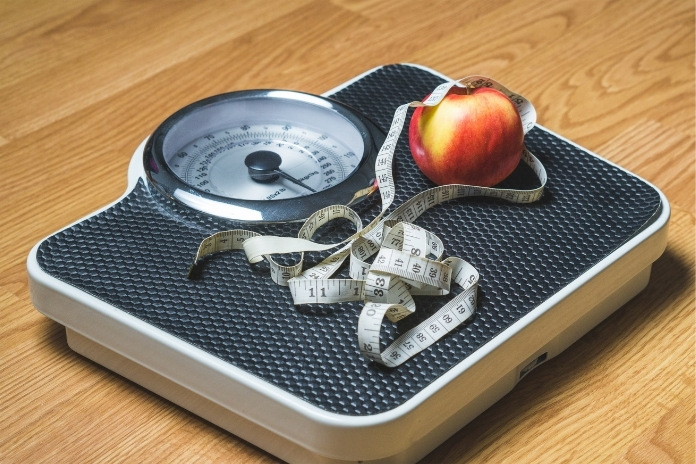
When it comes to enhancing long-term health and lowering the risk of diabetes, prediabetes and weight loss are strongly related. Your blood sugar is higher than normal but not high enough to be classified as diabetes if you have prediabetes.
The good news? Even modest body weight reduction may help improve insulin resistance, support better blood glucose control, and lower the risk of progression.
This article will discuss what prediabetes is, how losing weight with prediabetes impacts your body, how much weight loss for prediabetes may help, and whether you can reverse it. The best prediabetes lifestyle changes to improve your health over time.
- Losing just 1–9% of body weight can significantly lower the risk of developing type 2 diabetes.
- Consistent lifestyle changes, diet, exercise, and sleep improve blood sugar control more than quick fixes.
- Prediabetes can sometimes be reversed, even without major weight loss, by improving metabolic health.
Read More: Evidence: How Reversing Prediabetes Affects Heart Health
What Is Prediabetes?
Your blood sugar level is greater than normal if you have prediabetes. It is not yet high enough to be classified as type 2 diabetes. However, adults and children with prediabetes have a significant chance of developing type 2 diabetes if they don’t make lifestyle adjustments.
The long-term effect of diabetes, particularly on the heart, blood vessels, and kidneys, may already be beginning to deteriorate if you have prediabetes. But there’s good news. Type 2 diabetes does not always follow prediabetes.
Maintaining a healthy weight, incorporating exercise into your daily routine, and eating a balanced diet can all help blood sugar return to normal. Children’s blood sugar levels may return to normal with the same lifestyle modifications that can help avoid type 2 diabetes in adults.
To assess the risk of acquiring true diabetes, the American Diabetes Association initially established the diagnostic criteria for prediabetes (and also type 2 diabetes) in 1980. Prediabetes screening is a crucial chance for intervention.
The Centers for Disease Control and Prevention estimates that 1 in 10 Americans has diabetes, so it’s an opportunity to identify those who need to adopt dietary and lifestyle changes to help prevent the disease.
How Weight Affects Blood Sugar Levels
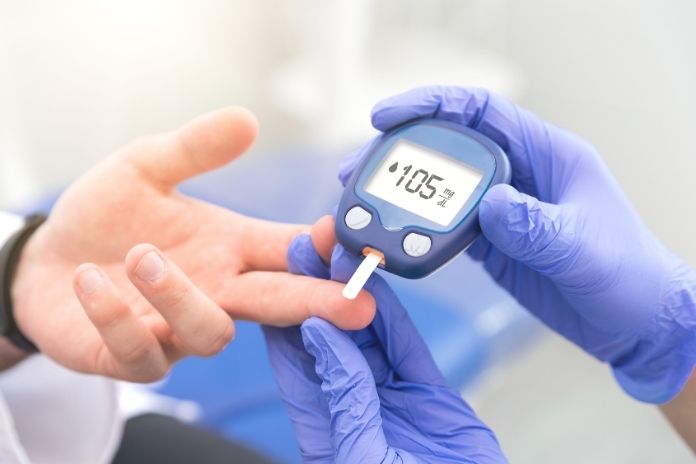
Numerous researchers have found a connection between excess weight and obesity and a diet high in refined or added sugars, such as those found in sweetened beverages, sweets, baked goods, and cereals. There are several ways in which consuming excessive amounts of sugar may lead to weight gain.
First of all, foods high in sugar, such as those previously discussed, sometimes have a lot of calories but little nutritional value. Because of this, these foods are often called “empty calories.” Food and liquids enter your stomach each time you eat, where enzymes and stomach acid break them down. After that, the food passes through your digestive system.
Other enzymes break it down into simpler chemical essential components, such as amino acids from proteins, triglycerides from fats, and simple sugars from carbohydrates. These little chemicals travel through your intestinal walls before entering your blood.
Since most of the fat we eat is composed of triglycerides and most of the carbs we eat break down into glucose, a type of simple sugar, it is common for these molecules to show up in large quantities in our blood after eating.
A brief word on “sugar”: Carbohydrates are composed of long chains of sugar molecules. Glucose is the most common form of carbohydrate included in most of the meals we eat.
Conversely, stable blood sugar suggests that insulin won’t overtake your cells, allowing your body to burn fat for energy in between meals. The result is weight loss.
How Much Weight Loss May Help Prediabetes?
Diabetes risk is reduced by weight loss. To prevent diabetes, the American Diabetes Association advises individuals with prediabetes to reduce their body weight by at least 5% to 7%. Further weight loss may yield even greater benefits.
Over three years, participants in one large trial reduced the risk of type 2 diabetes more than 60%. With dietary and exercise modifications, the participants in this trial dropped almost 7% of their body weight.
Based on your present body weight, establish a weight-loss objective. Discuss acceptable short-term objectives and goals with your healthcare provider. For instance, set a weekly goal of losing one to two pounds.
Read More: How to Reverse Prediabetes in 3 Months: Science-Backed Steps That Really Work
Can Weight Loss Reverse Prediabetes?

Even small weight loss can help manage or even reverse prediabetes and lower your risk of type 2 diabetes if you’re overweight. Reducing weight may lower the amount of fat stored in the pancreas and liver. It can help your blood sugar levels return to a normal range and restore these organs to normal function.
Even a modest weight loss of 1% to 9% of body weight can improve insulin’s ability to control blood sugar levels if you are overweight or obese. Even if your Body Mass Index, or BMI, is still within a healthy weight range, you may be heavier than is appropriate for you if you were a healthy weight and have gained weight as you’ve aged. It can raise your blood sugar levels.
Thus, you could want to shed these excess pounds. Losing more weight is unsafe and won’t help you control prediabetes or avoid type 2 diabetes if your BMI is in the underweight range. You should consult your doctor, as you may be undernourished. They will be able to investigate the root cause and provide any assistance and treatment required.
Lifestyle Changes That Support Healthy Weight Loss With Prediabetes
You become prediabetic when your blood sugar levels regularly rise above normal. In addition to being a warning sign for type 2 diabetes, prediabetes also raises your risk of heart disease and stroke, among other major health issues. Changing one’s lifestyle is one of the greatest ways to prevent type 2 diabetes, and fortunately, prediabetes is reversible.
Easy methods to reverse prediabetes and improve your health:
Reduce Excess Weight: One of the primary risk factors for insulin resistance, or improper blood sugar regulation, is obesity. Even 5% weight loss can have a big impact on your health and help your body better regulate blood sugar, so don’t give up. Decreasing weight is frequently easier said than done.
Eat with Your Blood Sugar in Mind: One simple strategy to overcome prediabetes is to make dietary changes. Reducing calories and increasing nutrient intake are the main objectives when eating with your blood sugar in mind, and there are several strategies to achieve them. The DASH diet, intermittent fasting, the keto diet, and the Mediterranean diet are among the most popular diets for people with diabetes.
Eliminate Additional Sugar: The amount of sugar you consume directly impacts your blood sugar levels. Therefore, when we say “cut back on calories,” we don’t simply mean eating fewer calories; we also mean consuming healthier, more nutrient-dense foods. Try your hardest to avoid sugary cereals, fruit juice concentrates, baked goods, candies, and soft drinks.
Consume Nutritious Plant-Based Foods: Plants provide you with vitamins, minerals, and carbs. Your body uses carbohydrates, which include fiber, sugars, and starches, for energy. The portion of plant foods your body cannot digest or absorb is dietary fiber, also called roughage or bulk. Food high in fiber reduces the risk of diabetes and aids in weight loss.
Boost Your Level of Activity: Even 30 mins of exercise a day may help you lose weight and control your blood sugar levels. Additionally, you don’t need to work hard to join a gym. Walking briskly around your neighborhood is a good way to start. Once you feel comfortable with increased activity, you may add exercise like yoga, swimming, cycling, and weight training.
Sleep Well: If you have prediabetes, the adage “sleep when you’re dead” does not apply to you. Your body will produce more cortisol (the stress hormone) when you get less sleep, and persistently elevated cortisol levels have a detrimental effect on blood sugar.
How Fast Should You Lose Weight With Prediabetes?
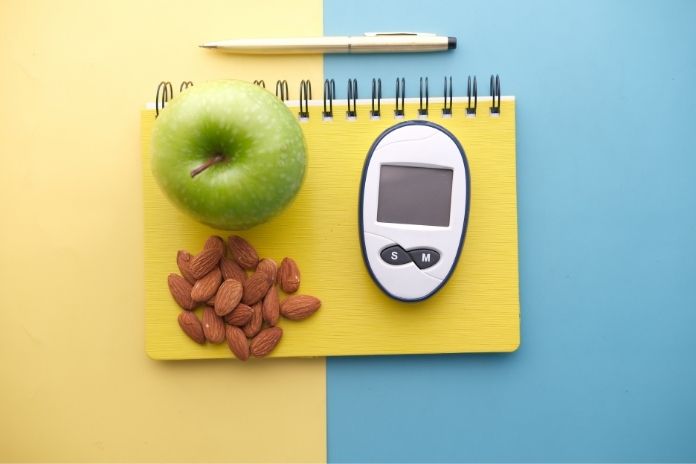
For losing weight with prediabetes, aim for gradual progress. Losing 0.5–1 kg per week is generally considered safe and sustainable. Crash diets may harm metabolic health, reduce muscle mass, and worsen long-term outcomes. A sustainable lifestyle intervention is more effective for preventing type 2 diabetes.
Read More: Low-Carb vs. Low-Fat for Type 2 Diabetes: What 27 Clinical Trials Actually Found
Other Health Benefits of Weight Loss Beyond Blood Sugar
Beyond prediabetes blood sugar improvement, weight loss offers additional benefits:
- Reduced blood pressure
- Reduced cholesterol levels
- Lower risk of cardiovascular disease
- Higher levels of energy
- Increased mobility
These benefits highlight the importance of body weight reduction beyond glucose control alone.
When Weight Loss Alone May Not Be Enough
To lower their risk, people with prediabetes, a condition that affects up to one in three adults, depending on age, have historically been told to eat healthier and lose weight. For decades, this message has remained essentially unchanged.
A different course is suggested by recent research published in Nature Medicine. According to the research, even in the absence of weight loss, prediabetes can go into remission, which is when the blood sugar level returns to normal.
In fact, without losing weight, around one in four participants in lifestyle regimens was able to return their blood sugar levels to normal. What’s perhaps more remarkable is that this kind of remission provides the same degree of protection against future diabetes as remission induced by weight loss.
These findings may drastically alter how medical professionals treat high-risk overweight or obese patients. But even with weight gain, how can blood sugar levels improve without a decrease in body weight?
Where the body stores fat seems to hold the key to the solution. The impact of fat on health varies. Particularly dangerous is visceral fat, which envelops vital organs deep within the abdomen. It interferes with insulin, the hormone that controls blood sugar, and encourages chronic inflammation.
Blood glucose levels increase when insulin is not working properly. Conversely, subcutaneous fat that is located directly beneath the skin can actually promote a healthy metabolism. This type of fat releases hormones that enhance insulin’s effectiveness.
Common Mistakes That Can Make Prediabetes Harder to Manage
To effectively manage prediabetes, avoiding frequent mistakes is just as crucial as making healthy adjustments.
- Concentrating solely on weight rather than on metabolic health in general
- Skipping meals or going on a fast
- Disregarding stress and sleep
- Relying on “diabetic-friendly” packaged foods
Avoiding these mistakes improves your chances of successful outcomes in prediabetes and weight loss.
When to Talk With a Healthcare Professional

Consult a doctor if you observe:
- Rising blood glucose levels
- Difficulty achieving a healthy weight loss for blood sugar
Symptoms such as:
- Heightened thirst
- Frequent urination
- Exhaustion
- Blurred vision
Professional guidance can customize a prediabetes diet and exercise plan to ensure a safe lifestyle intervention.
Read More: Type 2 Diabetes Can Cause DKA: Understanding Ketosis-Prone Diabetes and Why It’s Often Missed
Conclusion
Effective prediabetes management frequently relies more on long-term, regular practices than on radical adjustments. Many people associate prediabetes with weight loss, and honestly, dropping even a few pounds can help your blood sugar and boost your health. But it’s not just about the number on the scale.
You need a mix of healthy food, regular physical activity, good sleep, and finding ways to handle stress. Some people do fine with lifestyle changes alone. Others need extra support from their doctor. What really matters is sticking with healthy habits and making steady progress not expecting overnight results.
References
- Centers for Disease Control and Prevention. (March 16, 2026). Diabetes data and statistics.
- Mayo Clinic. (November 11, 2023). Prediabetes.
- Carly Kempler. (August 15, 2022). Prediabetes Explained: An Under-the-Radar and Common Condition That Doesn’t Have to Lead to a Diabetes Diagnosis.
- Helmholtz Munich. (2025, September 29). Prediabetes: Blood sugar level is more important than body weight.
- Mayo Clinic. (March 12, 2025). Diabetes prevention: 5 tips for taking control.
- Diabetes UK. How to lose weight if you have prediabetes.
- UCF Health. How To Reverse Prediabetes: Practical Steps and Tips.
- Rodriguez, C. Prediabetes is reversible: 5 lifestyle changes to prevent type 2 diabetes.
In this Article