

















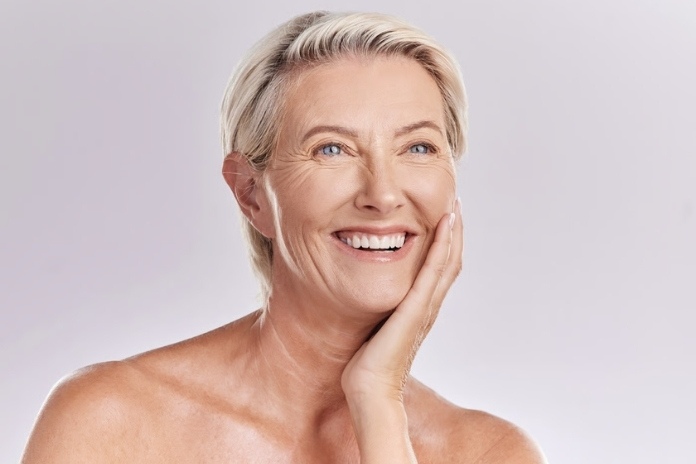
Changes in skin texture with age happen slowly. Most people do not notice one sudden change. It usually starts with the skin not feeling as smooth as before. Makeup stops sitting properly. Skin looks a little dull even after moisturizer. Some areas become rough when touched. Pores look bigger. The face starts to look uneven in certain lighting.
People often say this happens because of “collagen loss.” That is true, but also incomplete. Skin texture aging is actually a collection of biological problems occurring simultaneously. Some changes happen naturally because cells age. Others happen because of UV light, pollution, smoking, sugar damage, and chronic inflammation over many years.
An interesting thing is that skin texture aging often starts much earlier than wrinkles. A person in their early 30s may already have slower skin renewal and collagen breakdown, even if their face still looks young from a distance.
Also, all texture changes are not the same. Dry roughness is different from enlarged pores. Crepey texture is different from dull texture. Skin can even become uneven because deeper layers are changing shape microscopically long before visible sagging starts.
Here is what is actually happening inside aging skin, along with intrinsic vs extrinsic skin aging.
- Skin texture changes with age because skin cells renew more slowly, collagen support weakens, oil production decreases, and years of UV exposure damage the deeper layers of the skin.
- It also changes how skin feels and looks.
- Retinoids, sunscreen, barrier repair, and controlled exfoliation have the strongest evidence for improving aging skin texture.
Intrinsic Aging: What Happens Biologically Even Without Sun Damage
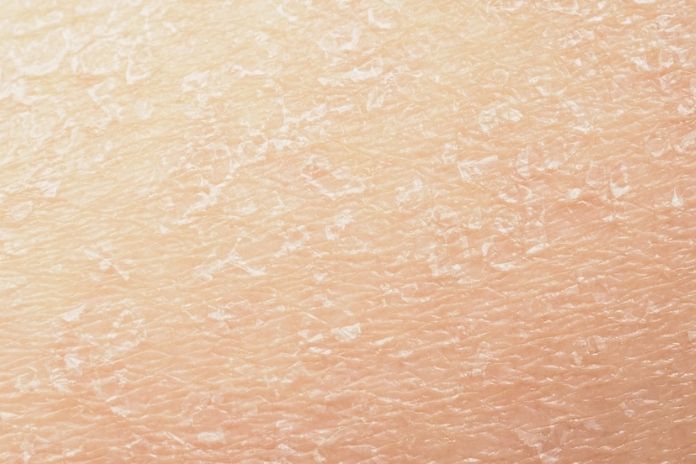
Intrinsic aging refers to the natural aging process, which is mostly controlled by genetics and cellular aging. Even if somebody stays away from the sun most of their life, skin texture still changes eventually.
One major reason is collagen decline. The deeper dermis layer contains collagen, elastin, hyaluronic acid, and other structural proteins. These proteins hold skin firm, smooth, and elastic. Collagen gives strength. Elastin helps skin bounce back after movement.
When young, these fibers are arranged in a tight, organized pattern. But with age, they become fragmented and disordered. Skin structure becomes weaker little by little.
Most people do not realize that collagen production starts decreasing quite early. Dr. Shreya Andric, a dermatologist, adds that, during this time, “collagen, the protein that’s responsible for keeping your skin firm and supple, begins to deplete at around 1% per year.” Sounds small. But over the decades, it has become a significant structural loss. This is why aging texture is not only a surface issue. The problem begins deeper underneath.
Another important thing is fibroblast aging. Fibroblasts are cells that produce collagen. Young fibroblasts repair skin efficiently. Older fibroblasts become slower and more dysfunctional. They also release inflammatory molecules and enzymes, including matrix metalloproteinases (MMPs). These enzymes break collagen apart. So aging skin has two problems together:
- Less production of new collagen
- More destruction of existing collagen
This imbalance slowly changes skin architecture. Then comes slowed skin cell turnover with age. Young skin renews itself roughly every 28 days. Old dead cells shed, and fresh cells replace them. But with aging, this cycle slows a lot. By around age 50, renewal may take 45 to 60 days. Dead cells remain attached to the skin surface longer.
They do not shed evenly. The skin starts to look dull and rough because the surface becomes irregular. This is one reason many people say aging skin “looks tired” even when wrinkles are not severe.
Sebaceous glands also reduce activity with age. Skin naturally produces less oil, especially after menopause. Less oil means the skin surface loses natural softness and flexibility. This dryness is not always due to external dehydration. Skin itself is producing less protective lipid material.
Interesting thing: intrinsic aging does not happen equally everywhere. Areas with thinner skin or more movement usually show texture aging earlier. In many people, the under-eyes, around the mouth, and the cheeks often become textured before the forehead.
Extrinsic Aging: The Things That Speed Texture Damage Faster
Extrinsic aging refers to external damage added to natural aging. This part explains why two people of the same age can have completely different skin textures. “We all go through the same aging process, but we go through it at different times and in different periods of our lives,” as said by Dr. Tomi Lee Wall, a board-certified dermatologist.
UV radiation is the biggest factor here. Sun damage not only creates a tan but also pigmentation. It changes skin structure deeply over the years. UV rays generate reactive oxygen species that damage collagen, elastin, and cell DNA and activate MMP enzymes. The same collagen-destroying enzymes are already increasing in intrinsic aging, too. This is why photoaging skin texture becomes aggressive after a certain age. Damage has been silently building for years beneath the skin.
One interesting thing researchers found is that photoaged skin develops abnormal elastin material called solar elastosis. Instead of healthy elastic fibers, damaged thick elastin accumulates inside the dermis. With aging, skin then becomes leathery and uneven in texture.
Then there is glycation in the skin. This happens when sugar molecules attach to collagen fibers. These damaged fibers become stiff and brittle. Collagen loses flexibility and its organized structure. The skin surface then starts looking uneven and harder. Some dermatologists now think glycation may explain why high-sugar diets sometimes show faster visible aging even in younger people.
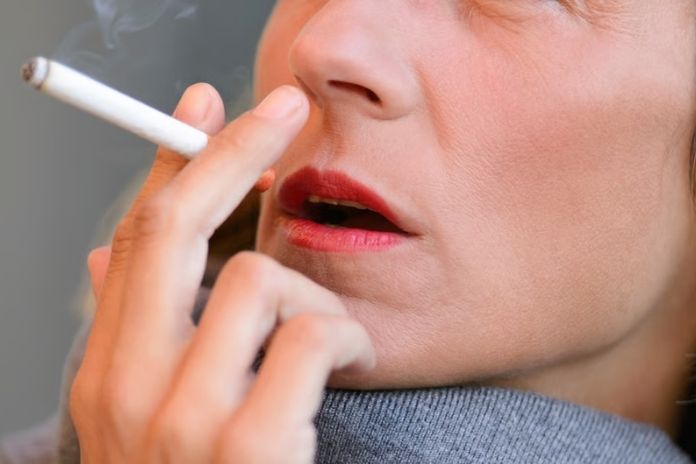
Pollution and smoking also increase oxidative stress continuously. Skin repair systems become weaker over time. Smokers especially develop a very specific rough texture around the mouth area because nicotine reduces blood flow and oxygen delivery to the skin.
Read More: It’s Not Just Aging-It’s Lipid Depletion: How to Restore “Young” Moisture to 50+ Skin
The Skin Barrier: Why Rough Texture and Dryness Happen Together
Skin barrier function becomes weaker with age. This is one reason aging skin often feels rough, even without visible peeling.
The outer skin layer depends on ceramides, fatty acids, and cholesterol to hold cells together properly. These lipids work almost like cement between bricks. With aging, ceramide production declines. Because of this, skin loses water more easily. This is called transepidermal water loss, or TEWL. When too much water escapes, surface skin cells become stiff and irregular. Dead cells start sticking unevenly instead of shedding smoothly. The texture becomes more rough.
Barrier weakness also makes skin more sensitive. Many people try to fix skin texture damage by overusing scrubs, strong acids, or harsh cleansing products. Skin may feel temporarily smoother, but chronic irritation slowly worsens inflammation and barrier damage. This is why some people using many active ingredients still complain that their skin feels rough and tight.
Barrier health is actually a structural issue, not only a cosmetic hydration problem. Ceramide moisturizers help because they replace missing barrier lipids directly.
Read More: SunGold vs. Green Kiwi: Which One Actually Boosts Your Skin’s Collagen?
Why Pores Look Bigger With Age
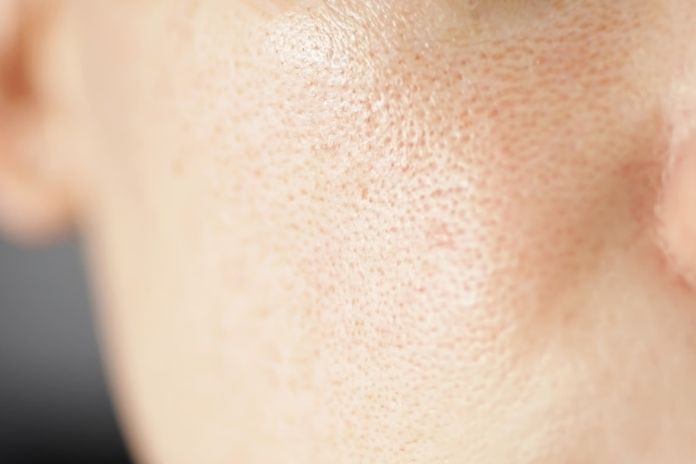
Many people think enlarged pores happen only because of oily skin. But aging changes pores differently. Collagen around pores acts like a support ring. As collagen weakens, pores lose tight support and stretch more easily.
At the same time, slower cell turnover allows keratin buildup inside pores. This makes pores look darker and more visible.
Sun damage weakens the surrounding skin’s elastin too, making pore openings less firm. That is why some people notice larger pores during their 40s, even though their skin is becoming drier, not oilier.
Read More: How to Treat “Chicken Skin” Scars and Hyperpigmentation (Without Picking)
What Actually Helps Improve Aging Skin Texture
Many skincare products say “anti-aging,” but most only give a temporary smooth feeling because of hydration or silicone coating. Structural improvement is a different thing.
Retinoids still have the strongest evidence for texture improvement. Retinol and tretinoin increase cell turnover, stimulate collagen production, and reduce collagen breakdown enzymes too. Basically, they target several aging mechanisms together. But the results are slow. This is where many people quit. Real collagen remodeling takes months, not 10 days as shown on social media videos.
Sunscreen probably offers the biggest long-term benefit, though many people ignore it because the results are not immediately visible day to day. UV damage keeps accumulating silently. Preventing that ongoing damage matters more than many fancy serums.
Chemical exfoliation helps too, because aging skin does not shed dead cells properly anymore. Glycolic acid and lactic acid can improve rough texture. But overdoing exfoliation damages the barrier and can actually worsen texture after some time.
Ceramide-based moisturizers help because aging skin loses barrier lipids naturally. A good barrier function makes the skin surface look smoother even before collagen changes happen.
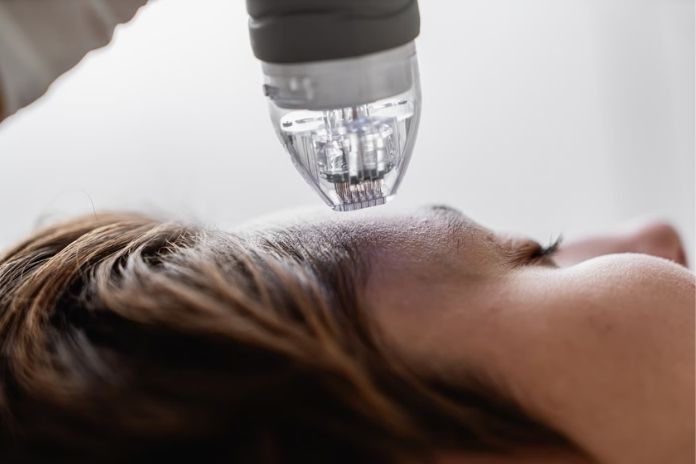
Microneedling and lasers may improve texture more dramatically for some people because they trigger controlled skin repair. But results vary a lot from person to person. Not as predictable as the internet before-and-after photos make it seem.
Read More: The “Invisible” Keratosis Pilaris: Why Your Skin Feels Like Sandpaper But Looks Clear
Conclusion
Skin texture changes with age because skin structure itself slowly changes at many levels. Roughness, dullness, enlarged pores, crepey patches, and uneven thickness all come from different biological changes happening together.
The most important prevention step is consistent sunscreen use over the years. Most evidence-supported corrective treatments are retinoids. Skin texture aging treatments mainly slow damage, support repair, and improve how skin functions while aging continues underneath.
- Skin texture aging starts much earlier than most visible wrinkles because collagen decline and slower turnover begin decades before major sagging.
- Rough skin texture with aging is not only a dryness problem. Barrier dysfunction, collagen fragmentation, and uneven cell shedding all contribute together.
- Enlarged pores in aging skin are often linked more with collagen support loss than excess oil production.
- Over-exfoliating aging skin may worsen texture by damaging barrier function and increasing chronic inflammation.
- Scientists still do not fully understand why some people develop severe texture aging despite similar sun exposure, suggesting that genetics and cellular repair systems likely play a larger role than previously believed.
FAQs
1. Why does skin texture get worse after 40?
Skin texture worsens after 40 due to cumulative collagen loss, slower cell turnover, and reduced oil production. Long-term UV damage and hormonal changes, especially around menopause, further weaken skin structure, making roughness, fine lines, and uneven texture more visible.
2. Can skin texture be reversed with age?
Skin texture can be partially improved with age, but not completely reversed. Retinoids increase collagen production and cell turnover, while procedures like lasers and microneedling enhance surface quality; however, intrinsic aging processes continue despite treatment.
3. Does diet affect skin texture as you age?
Yes, diet affects skin texture changes with aging through multiple biological mechanisms. High sugar intake promotes glycation, damaging collagen, while antioxidants reduce oxidative stress; adequate protein, omega-3 fatty acids, and vitamin C support collagen synthesis and skin barrier function with aging.
References
- Leonforte, F., Pergolizzi, T., Nicosia, V., Nicoli, F., Genovese, G., Genovese, C., Kiranantawat, K., Perrotta, R., & Mistretta, A. (2025). Preventive and Therapeutic Interventions in Solar Elastosis and Photoaging: A Comprehensive Systematic Review. Biomedicines, 13(11), 2758.
- Pochi, P. E., Strauss, J. S., & Downing, D. T. (1979). Age-related Changes in Sebaceous Gland Activity. Journal of Investigative Dermatology, 73(1), 108–111.
- Torebjörk, H. E., Fisher, G. J., Kim, A., & Quan, T. (2023). Age-related changes in dermal collagen physical properties in human skin. PLOS ONE, 18(12), e0292791–e0292791.
- Wei, M., He, X. T., Liu, N., & Deng, H. (2024). Role of reactive oxygen species in ultraviolet-induced photodamage of the skin. Cell Division, 19(1).
In this Article