





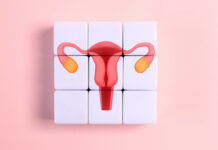












As more women look for remedies for issues including decreased libido, exhaustion, and diminished well-being, testosterone therapy for women is becoming more and more popular worldwide.
Despite being classified as a male hormone, testosterone is essential for female wellness. However, confusion persists because FDA approval for testosterone for women is still lacking in the United States, even though female testosterone therapy is used in some other countries.
This article examines how women make testosterone, signs of low levels, the function of testosterone therapy for menopause, the causes of variations in approval among countries, and the available data on the advantages, disadvantages, and continuing research influencing clinical judgments.
- Testosterone is essential for women’s energy, mood, libido, and bone health, but levels naturally decline with age and menopause.
- Therapy may help postmenopausal women with low sexual desire, though evidence for broader benefits remains limited.
- Lack of FDA approval reflects safety concerns and limited long-term data, not proven harm.
Read More: Does Lifting Weights Boost Testosterone? Here’s What Research Shows
Do Women Naturally Produce Testosterone?
We frequently think of testosterone in relation to men’s health. However, did you realize that women’s health is also significantly impacted by this hormone?
One hormone essential to general health is testosterone. It is the cause of the development of masculine sex traits in men, such as facial hair and a deep voice. Additionally, it helps control sex drive, preserve bone strength, and increase muscle mass. Even though men make a lot more testosterone than women, women’s health still depends on this hormone.
In women, the ovaries and the adrenal gland produce less testosterone. We know that testosterone influences several elements of health, even though scientists are still figuring out exactly how it functions in women’s bodies:
- Strength of bones
- Sexual behavior and function
- Libido, or sex drive
- Sex organ development
To maintain healthy ovarian function, testosterone also interacts with other hormones, such as estrogen. For general health, these hormones must be in the proper balance. Women who have low testosterone exhibit a variety of symptoms. You might be surprised by some of the other reasons why testosterone normally decreases with age.
Aging: Women’s decreased testosterone levels are often due to aging. Like males, women’s testosterone levels peak in their 20s at about 1.7 nmol/L. As they age, they progressively decline, sometimes reaching as low as 0.1 nmol/L.
Menopause: As women age, menopause can lead to several health problems, one of which is decreased testosterone levels. The main sources of testosterone are the brain, adrenal glands, and ovaries.
Ovarian Problems: Speaking of ovaries, reduced testosterone levels can also result from ovarian problems. Low testosterone can result from disorders like premature ovarian insufficiency, in which ovaries stop functioning before age 40, or from oophorectomy, the removal of the ovaries.
What Symptoms Lead Women to Consider Testosterone Therapy?

Men are not the only ones who need testosterone. Even more so than estrogen, it is the most prevalent active hormone in women throughout their lifetimes. It helps with energy, mood, muscle strength, bone health, and other aspects of both physical and emotional well-being.
Testosterone levels naturally decline with age in women, which can cause symptoms like exhaustion, depression, or even problems with sexual health. Myths frequently discourage people from considering testosterone therapy, even though it can assist with these symptoms.
Low Sexual Desire and Arousal Changes: Reduced sexual desire, particularly in postmenopausal women with hypoactive sexual desire disorder (HSDD), is the most studied indication for female testosterone therapy.
Fatigue, Low Motivation, and Mood Issues: Research is still conflicting, although some women claim that androgen therapy improves their energy and mood. Scientific proof is still developing, despite the strength of anecdotal testimony.
Changes in Muscle Mass and Physical Function: Hormonal changes and aging can cause a loss of strength and stamina. For these purposes, testosterone is not often authorized.
Symptoms like exhaustion or decreased libido do not always indicate decreased testosterone. Other reasons could be:
- Thyroid conditions
- Disturbed sleep
- Adverse effects of medication
- Mental health issues
Read More: Signs of Low Testosterone That Go Beyond Muscle Loss or Low Libido
What Is Testosterone Therapy for Women?
You have undoubtedly seen social media influencers discussing testosterone therapy if you are a woman over 40. They claim it’s the key to feeling happier, having more energy, and having a stronger desire for sex.
Although hormone therapy has been popular for a while, testosterone has recently gained widespread attention. It may appear that taking one hormone will solve all of your issues, according to popular TikToks and podcasts that promise “optimized womanhood.”
Women frequently don’t give testosterone much thought.
People typically give more attention to the so-called “female” hormones, progesterone and estrogen; however, women also produce testosterone. Even if we don’t create as much as men do, it can still affect our health and well-being.
Researchers continue to develop the science around testosterone therapy for women, even though they have extensively studied it in men. They also administer TRT for men and testosterone therapy for women differently because testosterone levels vary significantly between the sexes.
Women receive a small, carefully measured dose of testosterone (at SynergenX, we typically start with 12 or 14 ng/dL of testosterone as opposed to 200 ng/dL for men) rather than an initial dose in the hundreds. Doctors intend this to restore female-appropriate levels rather than push them into a male range.
Balance is always the ultimate goal. Doctors closely monitor therapy using lab tests and symptom tracking when it is administered correctly. A good provider will always inquire about symptom resolution, energy levels, and other factors and make adjustments gradually rather than forcefully.
“Testosterone is not just a male hormone,” said Sharon Winer, MD, MPH, a reproductive endocrinologist at Cedars-Sinai. She adds, “Women make it, too. And when testosterone levels begin to drop with age, testosterone therapy may help boost libido in women with low sexual desire.”
Why Some Countries Approve Testosterone Therapy for Women

Discussions regarding testosterone therapy for women frequently focus on how it affects libido and sexual function in many parts of the world. On the other hand, a more global view shows that other nations have been investigating and using testosterone therapy for women for many years. There may be advantages beyond sexual health, according to an increasing number of studies.
Testosterone therapy for women stirs up more debate in the U.S. than it does overseas. In places like Europe and Australia, this treatment has been around longer, and doctors tend to look at it from more angles, not just as a fix for sexual issues. They see potential benefits for a range of women’s health concerns.
Australia—Setting Standard: Australia, in particular, leads the way in research. Their studies usually dive into how testosterone affects different aspects of women’s health. This steady work helps doctors understand where the therapy fits and who it really helps.
Europe—An Acceptance Tradition: The use of testosterone therapy for women has a longer history in many European nations. Licensed testosterone products made especially for women are more widely available. Women can more freely explore their alternatives because of this accessibility.
Canada—Growing Awareness: Canada’s catching on, too. More clinics and doctors now offer testosterone therapy for women, which shows a real shift; people are starting to see its value in women’s health beyond old stereotypes.
Why Testosterone Therapy Is Not FDA-Approved for Women in the US
The FDA has not granted testosterone for women FDA approval primarily due to insufficient long-term data. Concerns include:
- Hazards related to the heart
- Breast cancer risk
- Effects of prolonged hormone exposure
Studying testosterone therapy for women is complex because:
- Measuring sexual function objectively is challenging
- There is no standardized hormone threshold
- Placebo effects are significant in sexual health studies
Read More: New Study Shows Impacts Of Environment On Levels Of Testosterone In Men
What the Research Currently Shows
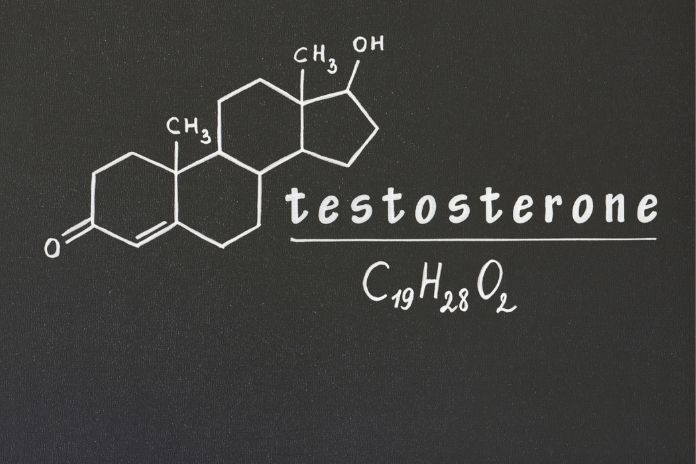
In certain situations, research supports testosterone therapy for menopause:
- Postmenopausal women with HSDD
- Increased sexual fulfillment and desire
- Advantages of transdermal testosterone at low doses
There is some uncertainty regarding claims regarding wider benefits:
- Fatigue and energy
- Cognitive function
- Elevation of mood
Potential Side Effects and Risks Women Should Know
The hazards associated with testosterone therapy include:
- The potentially dangerous sleep illness known as worsening sleep apnea may cause breathing to stop and start continuously
- Causing skin responses, such as acne
- Promoting the development of pre-existing prostate cancer as well as benign prostatic hyperplasia, a noncancerous enlargement of the prostate
- Growing breasts
- Reducing the amount of sperm produced or shrinking the testicles
- Encouraging the overproduction of red blood cells, which increases the risk of blood clots
A pulmonary embolism occurs when a clot breaks free, moves through your bloodstream, and lodges in your lungs, obstructing blood flow
Who May Be Considered a Candidate for Therapy?
The following are the best candidates for female testosterone therapy:
- Postmenopausal females
- Individuals with a diagnosis of hypoactive sexual desire disorder (HSDD)
Steer clear of testosterone therapy for women in situations such as:
- Pregnancy
- Malignancies that are sensitive to hormones
- Particular conditions related to the heart
Questions to Ask Before Starting Testosterone Therapy

Before considering testosterone treatment for low libido in women, ask:
- Which symptoms are you treating?
- Are other medical conditions contributing to symptoms?
- What are the expected benefits and limitations?
- How will treatment success and safety be monitored?
Read More: Estrogen, Progesterone, and Testosterone: What Every Woman Needs to Know About Her Own Hormones
Conclusion
Testosterone therapy for women is still a complicated and developing field in contemporary medicine. There are significant gaps in long-term safety data and established treatment regimens, despite research suggesting potential advantages, especially for postmenopausal women with decreased sexual desire.
The absence of testosterone for women in the United States reflects a cautious regulatory approach rather than definitive evidence of harm. As global perspectives continue to differ, it becomes increasingly important for women to make informed decisions based on medical advice rather than trends or unverified claims.
References
- Dr. Rebecca L. Glaser, MD. (June 10,2025). Understanding Testosterone Therapy for Women: Clearing Up Myths.
- Amy Bieber, MS, MPH. (April 9, 2026). Testosterone Therapy for Women.
- Harvard Health. (June 20, 2019). Testosterone therapy for women: Can it improve your sex life?
- Mayo Clinic. (April 22, 2023). Testosterone therapy in women: Does it boost sex drive?
- My Essential Woman. (2026, March 18). Exploring testosterone therapy for women: A global perspective.
- Mayo Clinic. (January 19, 2024). Testosterone therapy: Potential benefits and risks as you age.
In this Article