



















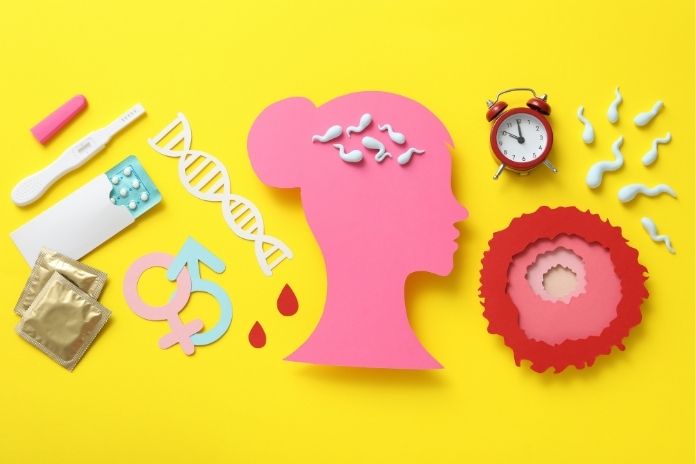
- Estrogen, progesterone, and testosterone affect the whole body, including the brain, mood, metabolism, bones, and heart, and not just reproduction.
- Progesterone supports calm via allopregnanolone; hormone drops can trigger anxiety, insomnia, and mood changes.
- Hormones shift across life stages, especially in perimenopause and menopause, causing often-overlooked symptoms with clear causes.
When we talk about estrogen, progesterone, and testosterone in women, these hormones are often framed as purely reproductive. In reality, they act on nearly every system in the body, shaping brain function, mood, sleep, metabolism, bone strength, and cardiovascular health.
Many symptoms commonly dismissed as stress, burnout, or “just aging,” like anxiety, insomnia, low energy, or brain fog, can often be traced back to specific hormonal changes and interactions.
This article explains what estrogen, progesterone, and testosterone actually do in a woman’s body, including their neurological roles, how they work together across the menstrual cycle, how they shift through life stages, and what the latest research suggests about long-term brain health.
Read More: Can Your Shampoo Mess With Your Hormones? Endocrine Disruptors Explained
Estrogen—Not One Hormone, but Three
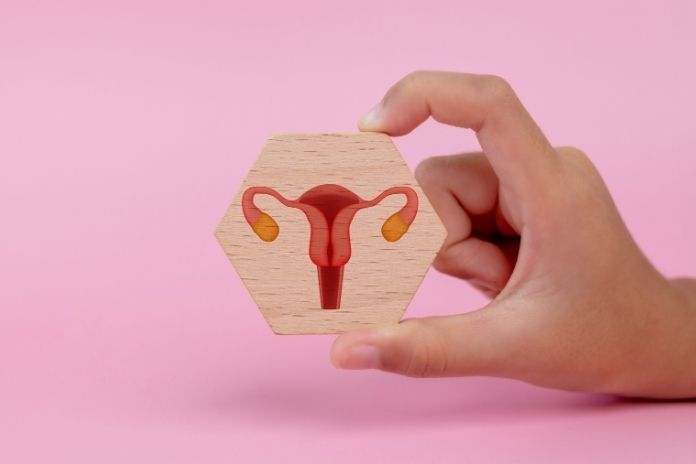
The Three Forms Of Estrogen—And Why They’re Not Interchangeable
Estrogen refers to a group of hormones, not a single molecule, and the differences between them are clinically important. Estradiol (E2) is the dominant and most potent form during reproductive years. It is produced primarily by the ovaries and is responsible for most of estrogen’s well-known effects, including cycle regulation and systemic protection. It is also the form most commonly used in hormone therapy.
Estrone (E1), by contrast, becomes the primary estrogen after menopause. It is produced mainly in adipose (fat) tissue and is significantly weaker than estradiol. This shift from a potent ovarian estrogen to a weaker peripheral one explains why symptoms often emerge so strongly after menopause. Higher levels of body fat can increase estrone production, which has implications for estrogen-sensitive conditions.
Estriol (E3) is the weakest of the three and is produced in significant amounts only during pregnancy by the placenta. Outside of pregnancy, it plays a minimal role. The transition from estradiol dominance to estrone abundance is one of the key biological reasons menopause has such common effects.
What Estrogen Actually Does—Far Beyond The Reproductive System
Estrogen’s influence extends far beyond fertility. Within the reproductive system, it regulates the menstrual cycle, stimulates growth of the uterine lining, and supports cervical mucus production. In the brain, estrogen plays a direct role in neurotransmitter regulation.
It modulates serotonin transporters, influencing mood stability, and promotes neurogenesis and synaptic plasticity. These effects help explain why estrogen fluctuations are closely tied to mood disorders and why their long-term decline may influence neurodegenerative risk.
Estrogen is also critical for bone health, as it suppresses osteoclast activity and prevents excessive bone breakdown. Its decline during menopause accelerates bone loss. In the cardiovascular system, it supports arterial flexibility, improves lipid profiles, and exerts anti-inflammatory effects.
Additionally, estrogen maintains skin thickness and collagen content, with rapid loss seen after menopause. Metabolically, it supports insulin sensitivity and regulates fat distribution, with lower levels contributing to the shift toward central (abdominal) fat storage.
Read More: Best Diet for Postmenopausal Women: Foods That Support Hormones, Bones, and Heart
Progesterone—What It Does, How It Calms the Brain, and Why Its Drop Is So Disruptive
Progesterone plays a key role in the second half of the menstrual cycle and in early pregnancy, where it prepares the uterine lining for implantation and helps sustain a fertilized egg. It also suppresses further ovulation after it rises post-ovulation.
However, one of its most important roles is in the brain. Progesterone is converted via the enzyme 5-alpha-reductase into allopregnanolone, a neurosteroid that strongly potentiates GABA-A receptors. This is the same system targeted by benzodiazepines and alcohol.
As a result, higher progesterone levels during the luteal phase are associated with a calming effect, improved stress tolerance, and deeper sleep. When progesterone levels fall sharply before menstruation, this calming signal is stopped. This “neurosteroid withdrawal” leads to premenstrual anxiety, irritability, and insomnia, as well as more severe conditions like PMDD.
A similar mechanism occurs postpartum, where the rapid drop in progesterone after delivery causes mood instability and, in some cases, postnatal depression. During perimenopause, declining and inconsistent progesterone production often leads to persistent sleep disruption and anxiety.
Low progesterone may show as spotting before periods, shortened cycles, premenstrual mood changes, difficulty conceiving, or insomnia in the second half of the cycle.
Progesterone vs Progestins
It is important to differentiate between natural progesterone and synthetic progestins. Micronized progesterone is structurally identical to the hormone produced by the body and can be converted into allopregnanolone, contributing to its calming neurological effects.
Current evidence suggests that, when used appropriately in hormone therapy, it does not carry the same risk profile observed in some earlier studies. Synthetic progestins, such as medroxyprogesterone acetate and others, differ structurally and do not convert into allopregnanolone. They may have partial androgenic effects and different safety profiles.
Much of the concern around hormone therapy from older studies was linked specifically to these synthetic forms rather than bioidentical progesterone.
Testosterone—Women’s Most Underestimated Hormone
Testosterone is often labeled a “male hormone,” but it is essential for women’s health. Although present in lower concentrations, it plays a key role in physical, cognitive, and emotional functioning.
In women, testosterone contributes to libido and sexual responsiveness, but its effects are more than that. It supports muscle mass and strength, maintains bone density, enhances motivation and drive, and plays a role in mood regulation and cognitive clarity.
Recent research highlights these broader effects. A 2024 pilot study found that transdermal testosterone therapy was associated with a 47% improvement in mood and a 39% improvement in cognitive function. A 2023 study of women undergoing hormone therapy reported improvements across multiple vasomotor symptoms.
Despite these findings, current clinical guidelines strongly support testosterone therapy primarily for hypoactive sexual desire disorder (HSDD). In some countries, there are no universally approved formulations specifically for women, and their broader use remains an evolving area of research.
A significant and often overlooked factor is the impact of hormonal contraceptives. Combined oral contraceptives can increase sex hormone-binding globulin (SHBG), which binds testosterone and reduces the amount available to tissues. This reduction in bioavailable testosterone may cause low libido, fatigue, and reduced motivation, and in some cases may persist after stopping.
Testosterone levels also decline gradually with age and may be about half of peak levels by menopause. Surgical menopause can cause a more sudden drop. Measuring testosterone in women is complex, as standard reference ranges are not well defined, and free testosterone is often more clinically significant than total levels.
Read More: What It Means If You’re Always Cold: Hormones, Iron, and Thyroid Explained
How All Three Work Together—and What Happens When They Don’t
These hormones function as a system, with shifting dominance across the menstrual cycle. In the follicular phase, rising estradiol supports energy, focus, and mood through its effects on neurotransmitters like serotonin and dopamine, while progesterone remains low. Around ovulation, testosterone peaks, often contributing to increased confidence, motivation, and libido.
In the luteal phase, progesterone becomes dominant, producing calming effects through its conversion to allopregnanolone. As both estrogen and progesterone decline before menstruation, many women experience mood changes, fatigue, or irritability.
Imbalances within this system can produce distinct patterns of symptoms. Estrogen dominance, often due to relatively low progesterone or anovulatory cycles, may present with heavy periods, breast tenderness, and mood swings.
Chronic stress can further disrupt this balance, as the body prioritizes cortisol production, potentially reducing progesterone availability. This concept is often referred to as the “cortisol-progesterone steal.”
How These Hormones Change at Every Life Stage

Hormonal patterns evolve significantly across a woman’s life. During puberty, activation of the hypothalamic-pituitary-ovarian axis leads to higher estrogen levels and the onset of menstrual cycles, though early cycles are often anovulatory.
In the reproductive years, hormonal rhythms become more consistent, supporting fertility, bone density, and cardiovascular health. Testosterone levels typically peak in the mid-20s.
After childbirth, progesterone levels drop suddenly following delivery, contributing to emotional vulnerability and, in some cases, postpartum depression through neurosteroid withdrawal mechanisms.
Perimenopause, which can begin in the late 30s or 40s, has declining progesterone due to more frequent anovulatory cycles, alongside erratic fluctuations in estrogen. Testosterone continues to drop. This stage is often the most symptomatic, with sleep disturbances, anxiety, and irregular cycles.
In menopause and beyond, estradiol levels remain consistently low, estrone becomes the dominant estrogen, progesterone is minimal, and testosterone is reduced. These shifts contribute to vasomotor symptoms, genitourinary changes, bone loss, and increased cardiovascular risk.
Estrogen and Brain Health — The Critical Window Every Woman Should Know About
Women develop Alzheimer’s disease at approximately twice the rate of men, and while longevity has traditionally been cited as the primary reason, hormonal changes are now considered a significant factor.
Estrogen plays multiple roles in brain health, including promoting neurogenesis, supporting synaptic plasticity, enhancing mitochondrial function, reducing inflammation, and influencing amyloid processing.
The “critical window” hypothesis suggests that the timing of estrogen exposure matters. Evidence indicates that initiating estrogen therapy within approximately 5 years of menopause may be associated with a reduced risk of cognitive decline, whereas starting much later may offer no benefit or even potential risk.
Some studies indicate a reduction in Alzheimer’s risk when therapy is started early. However, other large meta-analyses have found no strong overall evidence that menopausal hormone therapy significantly alters dementia risk.
The current clinical approach is to prescribe hormone therapy for symptom relief rather than for brain protection. However, these findings suggest that women who seek treatment earlier for significant symptoms may also gain additional neurological benefits.
Signs of Hormone Imbalance—and When to Talk to a Doctor

Hormonal imbalances often present through patterns of symptoms rather than isolated signs. Low estrogen may cause hot flashes, vaginal dryness, disrupted sleep, mood changes, brain fog, and joint discomfort.
Low progesterone is commonly linked with premenstrual anxiety, second-half cycle insomnia, spotting before periods, irregular cycles, and difficulty conceiving. Low testosterone may present as persistent low libido, fatigue that does not improve with rest, reduced muscle strength, low motivation, and a flattened mood.
Hormone levels fluctuate across the menstrual cycle, and we must look at their overall patterns. Clinical symptoms are often as important as laboratory values, particularly for testosterone. Women experiencing significant symptoms should consult a gynecologist, menopause specialist, or endocrinologist, depending on the severity.
Read More: 7 Everyday Products That May Be Disrupting Your Hormones
Conclusion
Estrogen, progesterone, and testosterone are not limited to reproductive function; they are key regulators of brain health, metabolism, bone integrity, and emotional well-being. Many symptoms that are often dismissed as normal aging or stress have identifiable hormonal mechanisms behind them.
As research continues to evolve, particularly around estrogen’s role in brain health, progesterone’s neurological effects, and testosterone’s broader impact, this remains one of the most dynamic areas in women’s medicine.
If hormonal symptoms are affecting quality of life, they are worth investigating with a knowledgeable clinician.
FAQs
Q. What are the main functions of estrogen, progesterone, and testosterone in women?
A. Estrogen regulates the menstrual cycle and supports the brain, bones, heart, and metabolism. Progesterone prepares the body for pregnancy and has a calming effect on the brain. Testosterone supports libido, energy, mood, muscle strength, and cognitive function.
Q. Why does progesterone affect mood and sleep?
A. Progesterone converts into allopregnanolone, which activates calming GABA receptors in the brain. This promotes relaxation and sleep. When progesterone drops, this calming effect is reduced, leading to anxiety and sleep disturbances.
Q. Do women really need testosterone?
A. Yes. Testosterone plays a key role in libido, energy, mood, muscle strength, and mental clarity. Low levels can lead to fatigue, low motivation, and reduced sexual desire.
Q. What’s the difference between progesterone and progestin?
A. Progesterone is the natural hormone made by the body and supports calming brain effects. Progestins are synthetic versions used in medications and do not act the same way.
References
- National Center for Biotechnology Information. (2023). Hormone therapy and health outcomes.
- National Center for Biotechnology Information. (2024). Hormonal regulation and clinical implications.
- National Center for Biotechnology Information. (2023). Physiology, progesterone. In StatPearls.
- ScienceDirect. (2020). Allopregnanolone synthesis and neurological role.
- National Center for Biotechnology Information. (2024). Hormone therapy and menopause management
- National Center for Biotechnology Information. (2009). Progesterone and neuroprotection mechanisms.
- National Center for Biotechnology Information. (2024). Testosterone therapy effects on cognition and mood.
- National Center for Biotechnology Information. (2024). Hormonal balance and systemic effects.
- Physio-Pedia. (n.d.). Estrogen
In this Article