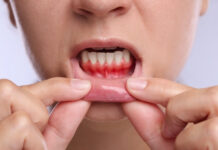



















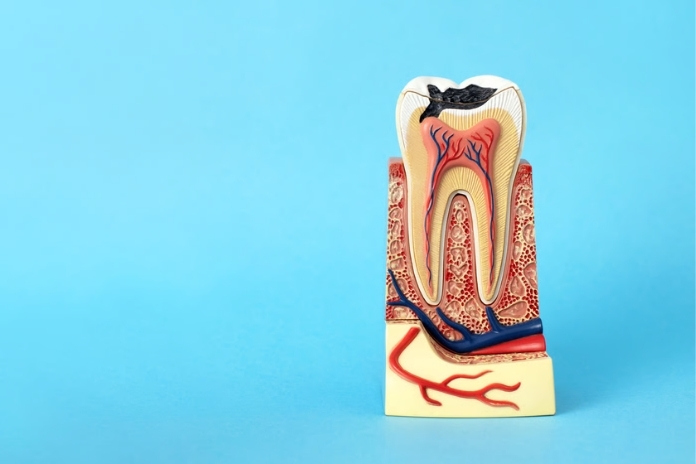
Plaque vs. tartar is a practical difference that directly affects how you take care of your teeth. Plaque is something you can remove at home every day with brushing and flossing. Tartar, also called dental calculus, is what plaque becomes when it hardens, and once that happens, it cannot be removed without a dentist. The window between the two is shorter than most people realize, and for some people, it closes faster.
In this article, we’ll break down the difference between plaque and tartar, explain what dental plaque and tartar actually are, how quickly plaque turns into tartar, the difference between supragingival and subgingival tartar, and how to get rid of plaque and tartar using methods that actually work.
-
- Plaque forms quickly and can be removed at home, but tartar is hardened plaque that only a dentist can remove.
- You have a short 24–72 hour window to remove plaque before it starts turning into tartar.
- Good oral hygiene isn’t just about clean teeth — it plays an important role in your overall health.
Read More: Water Flosser vs String Floss: The Definitive Guide for Better Dental Hygiene
What Is Dental Plaque—and Why “Sticky Film of Bacteria” Misses the Point
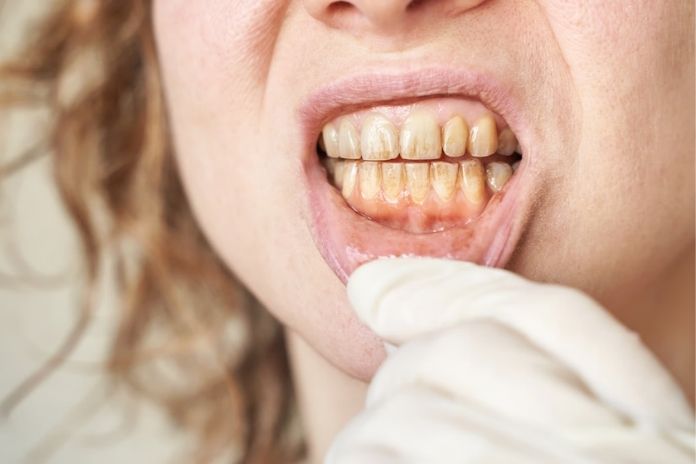
Dental plaque is often described as a sticky film, but that description is not a complete one. Plaque is a biofilm, which means it is a structured community of bacteria that sticks to your teeth and to each other, protected by a self-made layer.
It begins forming almost immediately after you clean your teeth. Saliva first coats the surface, creating a base for bacteria to attach. Early bacteria like Streptococcus mutans attach within minutes, and over time, more bacteria join in, including Fusobacterium nucleatum, which helps different species connect and grow together..
Within hours, this becomes a thicker, more organized layer made up of hundreds of bacterial types. This structure is important because it makes plaque harder to remove than it sounds. The outer layer protects the bacteria inside, so mouthwash alone cannot fully break it down.
As plaque sits longer, it becomes denser and more resistant. That’s why brushing and flossing are essential; they physically break up the biofilm in a way that rinsing cannot.
What Is Tartar—and Why You Can’t Brush It Off
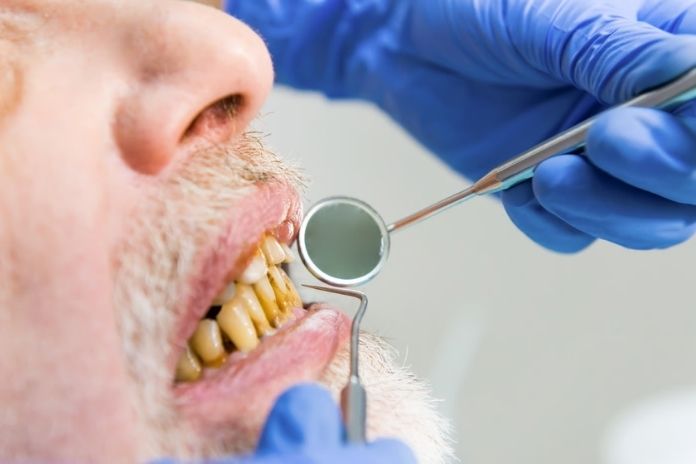
Tartar is what happens when plaque is left on the teeth long enough to harden. This process is driven by minerals in your saliva. Calcium and other minerals settle into the plaque and slowly turn it into a solid deposit.
Once plaque becomes tartar, it behaves very differently. It sticks firmly to the tooth surface and cannot be removed with a toothbrush, no matter how well you brush. The surface of tartar is also rough, which makes it easier for more plaque to stick and build up on top of it. This creates a cycle where buildup happens faster over time.
Tartar also tends to hold onto stains from tea, coffee, and smoking, which is why it often appears yellow or brown. At this stage, removal requires professional dental tools. There’s no reliable way to remove it at home.
The 72-Hour Window — and Why Some People Close It Faster
One of the most important things to understand is how quickly plaque can turn into tartar. Plaque starts forming within minutes after eating or brushing. In some cases, early hardening can begin within just a few hours.
By around 24 to 72 hours, plaque can become difficult to fully remove at home, and over the next one to two weeks, it can harden into fully formed tartar. However, this timeline isn’t the same for everyone. Some people naturally form tartar faster. This is often due to differences in saliva.
People with higher levels of calcium in their saliva or a higher salivary pH tend to experience faster mineral buildup. Dry mouth can also speed up the process because saliva becomes more concentrated.
Smoking further increases the risk by reducing saliva flow and changing the balance of bacteria in the mouth. This is why two people with similar brushing habits can have different results. It’s not just about how well you brush; it’s also about your body’s chemistry.
Read More: Dental Implants vs. Dentures: A Comprehensive Guide to Replacing Missing Teeth
Supragingival vs Subgingival Tartar—Why Location Changes Everything
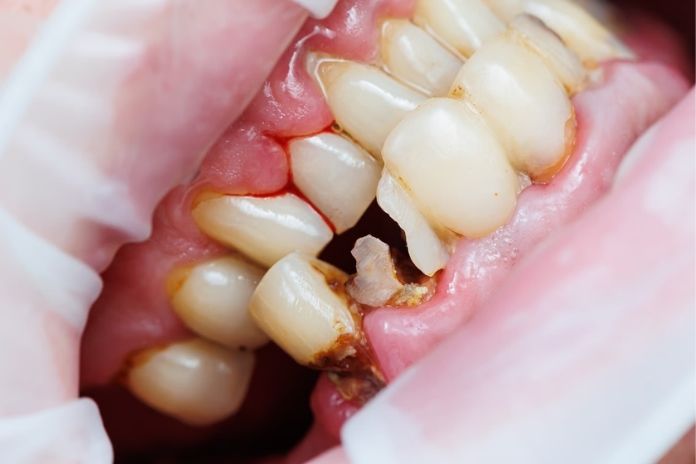
Tartar is not all the same. Where it forms in the mouth makes a big difference in how harmful it is. Supragingival tartar forms above the gumline and is the type most people notice. It is usually yellow or brown and tends to collect in areas where saliva pools, such as behind the lower front teeth or near the upper molars.
While it can irritate the gums and lead to gingivitis, it is relatively easier to detect and remove during routine dental cleanings. Subgingival tartar, on the other hand, forms below the gumline and is much more serious. It sits inside the space between the teeth and gums, where it cannot be seen easily. It is often darker in color and much harder in texture.
Because of its location, it creates an environment where harmful bacteria can thrive and cause a deeper gum infection.
The “Red Complex” Bacteria—Why Subgingival Tartar Is Where Systemic Risk Lives
Subgingival tartar provides a home for harmful bacteria such as Porphyromonas gingivalis, Tannerella forsythia, and Treponema denticola. These bacteria cause gum disease as they damage tissues and trigger ongoing inflammation.
This is why subgingival tartar is more than just a dental issue. It requires deeper cleaning procedures like scaling and root planing, which go below the gumline to remove the buildup and reduce infection.
Why Untreated Tartar Matters Beyond Your Mouth

Tartar, especially when it builds up below the gums, can affect more than just your oral health. Here’s how:
Bacteremia: The bacteria living in these deposits can enter the bloodstream during everyday activities like chewing or brushing. For example, Porphyromonas gingivalis has been found in blood vessels affected by plaque buildup.
Systematic Inflammation: Gum disease caused by tartar leads to inflammation in the body. This type of chronic inflammation is linked to problems like heart disease and difficulty controlling blood sugar in diabetes.
Neurological Pathway: There is also growing research into how oral bacteria may affect the brain. Porphyromonas gingivalis has been detected in Alzheimer’s brain tissue, although this link is still being studied and not fully proven.
The key point is that oral health is connected to overall health, and untreated tartar plays a role in that connection.
How to Remove Plaque and Tartar — What Actually Works
Plaque Removal At Home—The Evidence Hierarchy
Removing plaque at home needs consistency and technique. Here are a few ways that help:
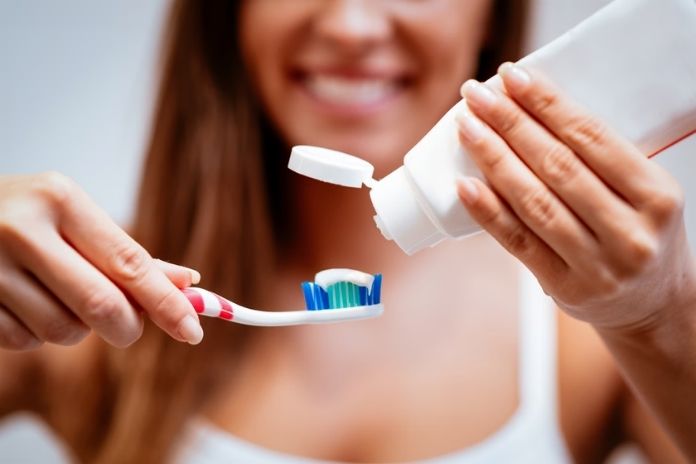
- Brushing: Brushing twice a day with fluoride toothpaste helps remove plaque from the surfaces of your teeth, especially along the gumline where it tends to build up first.
- Flossing: Flossing once a day is just as important because it removes plaque from between the teeth, where a toothbrush cannot reach.
- Mouthwash: Mouthwash can help reduce bacteria, but it should be considered a support step rather than a replacement for brushing and flossing. It works best after plaque has already started to show.
- Baking Soda: Some toothpastes, such as those containing baking soda, can help reduce plaque more effectively due to their mild abrasive and pH-balancing effects.
On the other hand, practices like oil pulling are not supported by strong evidence and are not recommended by the American Dental Association for removing plaque or tartar.
Tartar Removal—What Only A Dentist Can Do
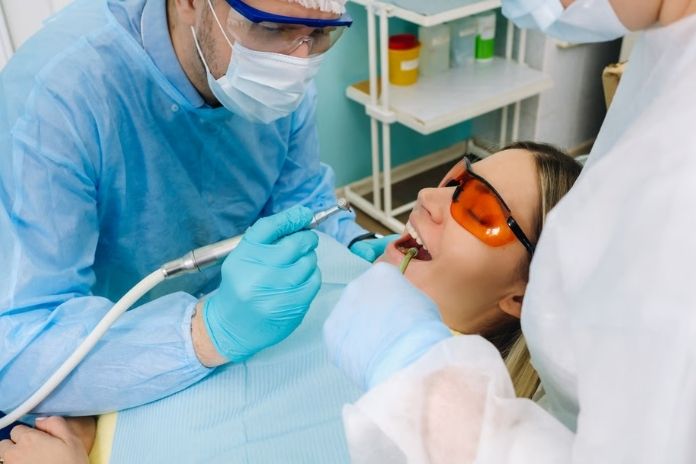
Once tartar has formed, it cannot be removed at home. Professional dental cleaning is required. During a routine cleaning, a dentist or hygienist uses specialized tools to remove tartar from above the gumline.
If tartar has formed below the gums, a deeper procedure called scaling and root planing is needed. This involves cleaning the tooth roots and removing buildup from deeper pockets around the teeth. It is more thorough than a regular cleaning and may require local anesthesia.
How often you need professional cleaning depends on how quickly you form tartar. For most people, every six months is enough. However, those who build tartar faster or have gum disease may need more frequent visits, such as every three to four months.
Read More: Oral Health Matters: Unique Practices for National Dental Hygiene Month
Conclusion
The difference in plaque and tartar comes down to time and removal. Plaque forms quickly but can be removed easily with daily care. Tartar forms when plaque is left too long and cannot be removed without professional help. The key is to act within the short window before plaque hardens.
Brushing twice a day, flossing daily, and visiting your dentist regularly are the most effective ways to prevent tartar buildup. Maintaining this routine doesn’t just protect your teeth; it supports your overall health as well.
References
- American Dental Association. (n.d.). Oil pulling: Do dentists think it’s worth trying? ADA News.
- National Institute of Diabetes and Digestive and Kidney Diseases. (n.d.). Gum disease and dental problems.
- International Journal of Medical Science and Dental Health. (n.d.). [Article on dental plaque/tartar].
- My Variations. (n.d.). Subgingival tartar
- Clean Smiles. (n.d.). How plaque turns into tartar and how to stop it early.
- Marsh, P. D. (2006). Dental plaque as a biofilm and a microbial community – implications for health and disease. BMC Oral Health, 6(Suppl 1), S14.
- Omdatta Dental Clinic. (n.d.). How long does it take for tartar to build up?
In this Article