


















The alarm goes off. You know you should eat something before the afternoon crash hits. But opening the fridge, deciding what to make, finding the right pan, waiting, and then cleaning up afterward feels like a hundred-step obstacle course your brain refuses to start.
You end up skipping it. By 3 p.m., you are running on empty, irritable, and reaching for whatever requires zero thought. If that sounds familiar, you are likely dealing with the intersection of executive dysfunction and eating, and you are not alone. High-protein vegan snacks, no cooking required, are not just a convenience choice.
For people navigating executive dysfunction, whether from ADHD, burnout, depression, or chronic stress, they can be a practical tool for staying nourished without triggering the planning and decision fatigue that makes eating feel overwhelming.
This article covers the science of why protein matters on low-energy days, what makes a snack genuinely accessible when your executive function is offline, and seven plant-based options that deliver real nutrition with zero prep and zero mess.
Read More: Top 5 Supplements for ADHD: Natural Support for Focus and Calm
- Executive dysfunction, whether from ADHD, burnout, depression, or chronic stress, can make even the simplest food prep feel impossible, not just inconvenient.
- High-protein vegan snacks reduce hunger-driven decision fatigue and support sustained attention without adding mental load.
- If you experience persistent low appetite, significant fatigue, or unintentional weight changes as part of the picture, visit a registered dietitian to build a low-barrier nutrition plan.
Why Protein Matters on Low-Energy or Executive Dysfunction Days
Protein and Satiety
Protein is the most satiating macronutrient. A 2020 systematic review and meta-analysis in the British Journal of Nutrition, covering 49 controlled studies, found that acute protein intake reliably decreased hunger, increased fullness, and reduced prospective food consumption.
These effects are driven in part by changes in appetite-regulating hormones, including reduced ghrelin and increased cholecystokinin, which signals fullness. For someone with executive dysfunction, that matters.
A snack that genuinely holds you over reduces the frequency of eating decisions you have to make throughout the day. Fewer decisions mean less opportunity for decision fatigue to derail your intake.
Stabilizing Energy Levels and Focus
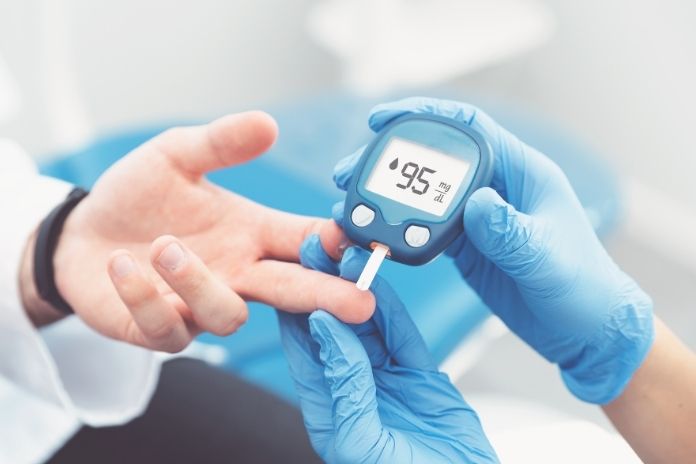
Blood sugar instability is a known driver of inattention, irritability, and cognitive fog. Skipping meals or relying heavily on simple carbohydrates creates the kind of energy spikes and crashes that worsen executive function symptoms.
A 2024 study in the Journal of Dairy Science found that a high-protein meal significantly improved scores on a cognitive concentration test compared to a low-protein meal or skipping eating entirely. Protein also provides amino acid precursors for dopamine and norepinephrine, neurotransmitters directly involved in attention and reward signaling.
Laura Stevens, MS, a nutritionist at Purdue University and author of 12 Effective Ways to Help Your ADD/ADHD Child, has stated in published guidance that “because the body makes brain-awakening neurotransmitters when you eat protein,” protein-forward choices support the neurochemical environment needed for focus.
Reducing Frequent Snacking Cycles
When the body is under-fueled on protein, hunger signals tend to fire more frequently and more urgently. For someone with ADHD or executive dysfunction, that urgency often bypasses measured decision-making and defaults to whatever is fastest. No prep vegan protein snacks interrupt that cycle by providing longer-lasting satiety from a single accessible choice.
What Makes a Snack “Executive Dysfunction-Friendly”
Not every healthy snack qualifies. For a snack to genuinely work on a low-executive-function day, it needs to meet a short but real checklist. No cooking required. No heat, no boiling, no microwaving. If turning on an appliance is part of the process, it will not happen on a hard day.
Minimal or no cleanup. One wrapper, one container, done. Anything that generates dishes is not accessible when executive function is compromised. Easy to open and eat. Simple packaging, no complicated assembly. Single-serve formats eliminate portioning decisions, which is where much of the decision fatigue lives.
Shelf-stable or quick-grab options. Snacks that live on your desk, in a drawer, or at eye level in the fridge eliminate the retrieval effort that becomes a reason not to eat.
Nicole DeMasi Malcher, MS, RD, CDCES, a registered dietitian and founder of Eating with ADHD, who specializes in helping adults with ADHD build sustainable eating habits, has noted clinically that “Adults with ADHD who lack a plan before hunger strikes often find themselves in analysis paralysis, defaulting to the least decision-requiring option, which is frequently not the most nourishing one.”
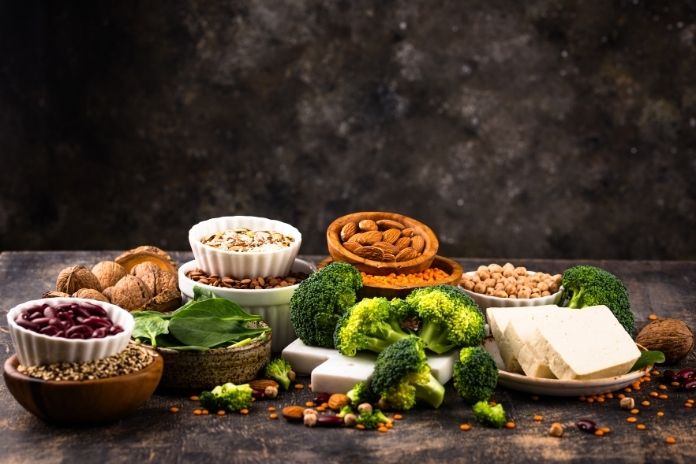
7 High-Protein Vegan Snacks (No Cooking, No Cleanup)
1. Roasted Chickpeas (Pre-Packaged)
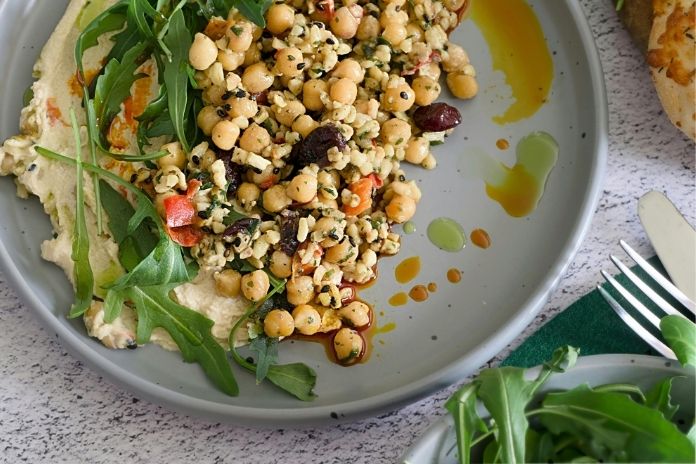
Pre-packaged roasted chickpeas deliver roughly 5 to 7 grams of protein per serving alongside meaningful fiber. They require nothing beyond opening a bag, are shelf-stable, and come in a wide range of flavors from sea salt to smoky barbecue.
The crunchy texture makes them a good sensory option for people who find soft foods unsatisfying. Keep a few bags on your desk or in a kitchen drawer so they are genuinely visible and accessible rather than buried in a cabinet.
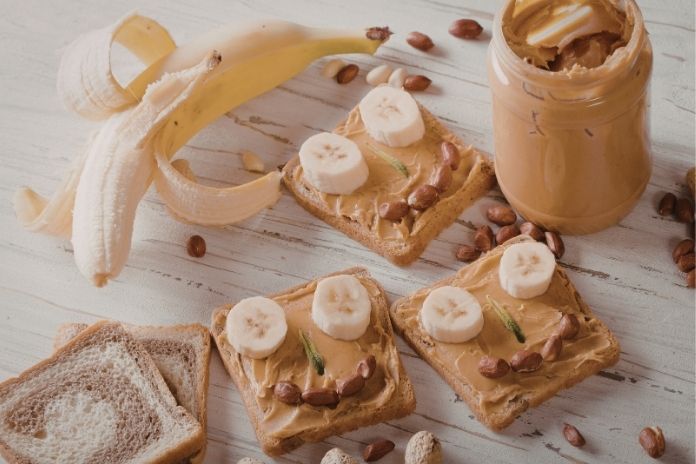
2. Peanut Butter or Almond Butter Packets
Individual squeezable nut butter packets contain around 6 to 8 grams of protein each and require nothing except tearing the top. They can be eaten directly from the packet or paired with an apple or rice cake.
The single-serve format eliminates the open-a-jar, find-a-spoon, wash-the-spoon barrier entirely. Brands like Justin’s and similar competitors sell these in grocery stores, pharmacies, and online in multipacks. They live comfortably at room temperature in a bag, desk drawer, or nightstand.
3. Shelled Edamame (Ready-to-Eat or Thawed)
Shelled edamame is one of the most protein-dense, easy vegan protein snacks available, providing approximately 11 grams of complete plant-based protein per half-cup serving. Unlike most plant proteins, edamame contains all nine essential amino acids, making it comparable in protein quality to animal-based sources.
Frozen shelled edamame can be thawed overnight and eaten cold directly from a container. Pre-portioned refrigerated edamame cups are also widely available. A 2022 narrative review in Nutrients found that vegetarian dietary patterns, including soy-forward choices, were associated with lower rates of ADHD-linked unhealthy eating patterns, making edamame a particularly useful option for this population.
4. Vegan Protein Bars
On the lowest-energy days, vegan protein bars are often the most realistic option. Most quality bars in this category deliver between 10 and 20 grams of plant-based protein, require nothing except unwrapping, and can be stored anywhere: desk, bag, nightstand, or car.
Look for options with minimal added sugar and a short ingredient list. Bars built around pea protein, brown rice protein, or hemp protein tend to avoid the fillers that cause digestive discomfort. Brands like Garden of Life and Orgain offer solid options in this space.
5. Trail Mix with Nuts and Seeds
A pre-mixed trail mix with nuts and seeds provides a useful range of protein, healthy fats, and quick energy from carbohydrates. Almonds deliver about 6 grams of protein per ounce, and pumpkin seeds offer roughly 7 grams.
Pre-packaged individual pouches are shelf-stable, require no refrigeration, and eliminate portioning decisions. Keep pouches visible on a counter or at eye level in a pantry. The key is making them genuinely easy to grab without thinking.
6. Hummus Snack Packs with Veggies or Crackers
Single-serve hummus cups with crackers or pre-cut vegetables deliver approximately 4 to 6 grams of protein per portion in a ready-to-open, ready-to-eat format. Brands like Sabra and Cedar’s produce these in individual peel-top containers that generate one piece of packaging and nothing else.
Hummus provides protein and fiber from chickpeas, which keeps hunger at bay longer than crackers alone and offers a satisfying contrast of textures that makes this one of the more enjoyable ADHD-friendly vegan snacks on this list.
7. Soy Yogurt or Plant-Based High-Protein Yogurt
Plant-based high-protein yogurts range from about 6 grams of protein on the lower end to 15 grams for products specifically formulated as high-protein options. They come in single-serve containers, eat straight from the cup, and generate only one piece of trash.
Look for products with added pea protein, which pushes the protein content toward the upper range. Silk, Kite Hill, and Forager all produce plant-based yogurt options. For people who want a cold, creamy, vegan snack for low-energy days that also satisfies, this is one of the most enjoyable choices on the list.
How to Build a “Zero-Effort” Snack System
The snack itself is only part of the equation. Accessibility is the other half.
Dr. Roberto Olivardia, PhD, a clinical psychologist and lecturer in the Department of Psychiatry at Harvard Medical School specializing in ADHD and executive functioning, has noted in clinical discussions that “Regular, structured eating prevents the extreme hunger that leads to impulsive food choices, and that accessibility is inseparable from consistency.”
- Keep Snacks Visible and Accessible: Counter bowls, a designated snack drawer, or a clear container at eye level in the refrigerator all work. Out of sight genuinely means out of mind on hard days.
- Pre-Buy Single-Serve Options: The convenience premium is often worth it. Buying in bulk and portioning things yourself requires a future version of you to do work that the current version already avoided.
- Use Grab-and-Go Containers: If you occasionally have enough capacity to pre-portion trail mix or nuts into small containers at the beginning of the week, that labor pays forward significantly on the days when no capacity exists.
Read More: 8 Best Plant-Based Proteins for Muscle Building
Protein Targets: How Much Is “Enough” for a Snack?
A useful working range for a snack is 5 to 15 grams of protein. This is enough to meaningfully contribute to satiety and to support neurotransmitter production without requiring a full meal.
The general adult protein recommendation from the Dietary Reference Intakes is 0.8 grams per kilogram of body weight per day, though some researchers suggest that individuals managing chronic stress may benefit from intakes closer to 1.2 to 1.6 grams per kilogram.
Pairing protein with fiber, as most of the options on this list naturally do, slows gastric emptying and produces a more gradual glucose response. That sustained energy profile is especially valuable when executive dysfunction is already taxing cognitive reserves.
When Executive Dysfunction Affects Eating Patterns
Executive dysfunction disrupts the entire chain of behaviors that lead to consistent eating, not just the cooking part. Research published in Nutrients in 2022 found that dietary patterns high in processed and snack foods were significantly associated with ADHD symptoms, while vegetarian and health-conscious dietary patterns were inversely associated.
The relationship is bidirectional: executive dysfunction leads to poor eating, and poor eating worsens the underlying conditions. Skipping meals is common. When hyperfocus takes over, or decision fatigue sets in, hours can pass without eating, followed by intense hunger that bypasses any considered food choice.
Energy crashes then compound the problem, reducing the cognitive capacity that would be needed to make a better choice in the moment.
Dr. Roberto Olivardia, PhD, has described this pattern in detail, noting that patients with ADHD often arrive home starving after skipping meals due to hyperfocus and time blindness, then eat an enormous volume of food with poor nutritional quality. The downstream effects include disrupted sleep and a cycle that feeds directly into reduced focus the following day. Ready-to-eat vegan protein foods remove one of the largest friction points in that cycle.
Read More: 8 Burnout Mistakes We Ignored Until Our Bodies Forced Us to Stop
Tips to Reduce Decision Fatigue Around Food
Create a default snack list. A short list of three to five snacks that you cycle through without variation reduces the daily decision load to essentially zero. Post it somewhere visible or keep it on your phone. Keep repeatable options stocked consistently. If you find a protein bar you tolerate, buy it in quantity. Consistency is not monotonous when the alternative is not eating at all.
Use simple grocery checklists. A recurring list that includes your default snacks means you do not have to reconstruct what you need from memory every week. Most grocery apps allow you to save a recurring order or use past orders as a template.
When to Consider Additional Nutrition Support
Persistent low appetite lasting more than a few days, significant unintentional weight changes, or chronic fatigue that is not improving with better food access are all signals worth taking seriously.
Conventional nutrition advice frequently amplifies ADHD challenges rather than reducing them, because most dietary frameworks assume a level of planning and consistency that executive dysfunction actively prevents. A registered dietitian who understands neurodivergence can help build a system that works with how your brain actually functions.
Speaking with a primary care physician is appropriate when eating changes are accompanied by mood shifts or other symptoms. A referral to a dietitian with experience in ADHD or executive dysfunction can then provide individualized guidance that goes well beyond a general list of healthy snacks.
Read More: Foods That Help Keep Depression at Bay
Conclusion
High-protein vegan snacks, no cooking required, are not a workaround or a compromise. For people navigating executive dysfunction, they are a genuinely practical strategy for maintaining nutrition without adding to the cognitive load that is already consuming available resources.
Roasted chickpeas, nut butter packets, shelled edamame, vegan protein bars, trail mix, hummus snack packs, and plant-based yogurt each deliver real protein, real satiety, and real convenience in formats that require no planning, no cooking, and no cleanup.
Building a system around these options, keeping them visible, stocking single-serve formats, and reducing the decisions involved in reaching for them, makes consistent eating more achievable on the days when nothing feels achievable.
Energy, focus, mood, and cognitive performance all depend on fueling well. No prep vegan protein snacks make that possible, even when executive function makes almost everything else feel out of reach.
References
- Braden, M. L., Gwin, J. A., & Leidy, H. J. (2023). Protein source influences acute appetite and satiety but not subsequent food intake in healthy adults. Journal of Nutrition, 153(6), 1825-1833.
- Dalgaard, L. B., Kruse, D. Z., Norup, K., Andersen, B. V., & Hansen, M. (2024). A dairy-based, protein-rich breakfast enhances satiety and cognitive concentration before lunch. Journal of Dairy Science, 107(5), 2653-2667.
- Pinto, S., Correia-de-Sa, T., Sampaio-Maia, B., Vasconcelos, C., Moreira, P., & Ferreira-Gomes, J. (2022). Eating patterns and dietary interventions in ADHD: A narrative review. Nutrients, 14(20), 4332.
- Sanchez-Dominguez, C. N., et al. (2020). Effect of short- and long-term protein consumption on appetite and appetite-regulating gastrointestinal hormones: A systematic review and meta-analysis of randomized controlled trials. British Journal of Nutrition, 126(9), 1303-1315.
- USDA FoodData Central. (2024). Edamame, frozen, prepared. U.S. Department of Agriculture.
- Georgia Chiropractic Neurology Center. (n.d.). Why protein intake matters more than you think.
- Yeh, T. S., et al. (2021). Long-term dietary protein intake and subjective cognitive decline.
- BrainCare Carlsbad. (n.d.). Protein & the brain: A key to mental wellness.
- The Lifestyle Dietitian. (n.d.). Protein timing and ADHD: How to eat for better focus, mood, and energy.
- Your Health Magazine. (n.d.). Why your protein intake could be the key to better energy with chronic illness.
- The Nutrition Junky. (n.d.). Protein for ADHD.
- NatureDoc. (n.d.). Less forgetful and more organised: Why nutrition counts for better executive function.
- Life Skills Advocate. (n.d.). Nutrition and executive function.
- Hospital for Special Surgery. (n.d.). Eating for energy.
In this Article