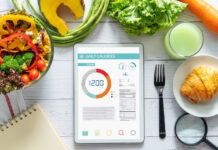



















What to look for in a protein bar comes down to five main things: at least 15–20 g complete protein per serving, under 7 g added sugar, a minimum of 3 g fiber, an ingredients list you mostly recognize, and some kind of third-party testing certification. The problem is that many bars do one thing well but fail badly somewhere else.
One bar may have high protein but also 18g of sugar. Another may have “clean” ingredients but weak protein quality. Knowing all five helps you choose based on your own goal, not just front-label marketing.
The protein bar market crossed more than $15 billion globally in 2024, and now supermarket shelves are full of bars claiming “high protein,” “clean,” “low carb,” “athlete approved,” and “natural.” The problem is: most labels look healthy at a five-second glance.
A 2025 study analyzing 1,641 protein bars found 81% were labeled high protein, but actual protein quality varied massively between products. Not just quantity. Knowing what to look for in a protein bar helps cut through all this noise very fast. Once you understand the protein bar label guide properly, most bad bars become easy to identify in under one minute.
- The best protein bar criteria are simple once you know the label.
- Look for a minimum of 15–20g complete protein, under 7g added sugar, at least 3g fiber, recognizable ingredients, and trusted third-party certification.
- Protein quality matters as much as grams. Expensive bars are not automatically healthier.
Read More: WFPB for Weight Loss Plateaus: Why “Healthy” Refined Grains May Be Stalling Your Progress
1. Protein Content and Protein Quality
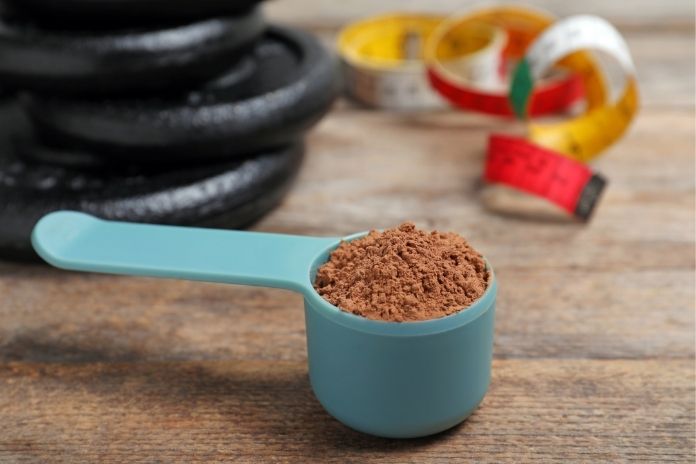
This is the first thing most people check, and honestly, many stop here. They see “20g protein” on the front label and think, “done, it’s the healthy choice,” finished. But protein quantity and protein quality are two separate things.
First quantity. Dietitians generally recommend a minimum of 15 g of protein per bar for everyday use. If someone is using protein bars after workouts, long workdays, or athletic training, 20g is usually a better target.
Brittany Werner, MS, RDN, from Working Against Gravity, also recommends this range in Yahoo Health’s 2026 protein bar review. Below 10–12 g of protein, many bars become more like snack bars with protein added for marketing.
But the more important nuance is protein quality. This is where many brands quietly cut corners. Not all proteins work equally inside the body because the amino acid profile matters. Whey, casein, egg white, and soy are considered complete proteins with high DIAAS scores. Means they contain all essential amino acids in proper amounts.
Rice protein alone is different. It is lower in lysine. So 20g rice protein and 20g whey protein are not nutritionally equal, even though the front label looks the same. This is something many consumers never notice.
Plant-based bars can still be excellent, but usually when protein sources are combined intelligently. Pea and rice proteins together create a much more complete amino acid profile because each one covers the weakness of the other. Soy protein is also naturally more complete than many single-plant proteins.
Another issue is vague wording. Some bars write “protein blend” without clearly saying what sources are included. That is not useful. If a brand is hiding an actual protein source behind fancy terms, it’s a little suspicious, honestly.
One practical label-reading trick: turn the bar around and read the ingredient list before checking protein grams. If the first protein source is clearly named, whey isolate, soy isolate, pea protein, or egg white, it’s a better sign. If ingredients look confusing and the protein source unclear, the quality is usually poorer than the branding suggests.
Also, look at calorie density together with protein. A 280-calorie bar with only 12g of protein is not very efficient unless it is meant as a meal replacement. Many candy-like bars are now marketed as fitness foods simply because protein powder has been added to them.
2. Added Sugar
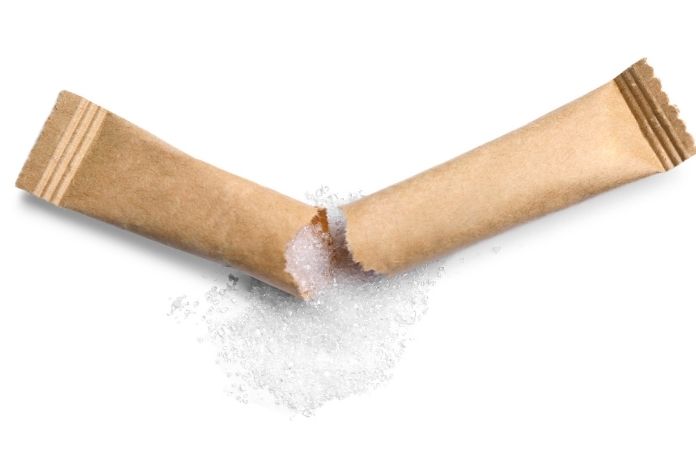
A surprising number of bars contain 15g, 18g, or even 20g of added sugar while still being marketed as healthy. At that point, the difference between a protein bar and a chocolate bar becomes smaller than people assume. High protein does not automatically cancel high sugar.
The American Heart Association (AHA) recommends daily added sugar limits of around 25g for women and 36g for men. So one protein bar with 20g of added sugar already uses most of that before lunch is even finished.
Dietitians usually suggest staying under 7g of added sugar per bar for regular everyday use. Some bars designed for endurance athletes or marathon fueling may reasonably contain more because quick carbohydrates are useful there. But for office snacks, meal gaps, or normal fitness goals, lower added sugar makes more sense.
One important thing many people misunderstand is “total sugars” versus “added sugars.” These are not the same number. A protein bar made with dates or dried fruit may show higher total sugars naturally. But added sugars can still be zero. So the line that matters most is specifically “Added Sugars” under the Nutrition Facts panel. Not total sugar alone.
Another thing interesting: some brands purposely use words like “coconut nectar,” “brown rice syrup,” or “agave solids” because consumers react less negatively compared to plain sugar. The body still processes them as added sugars, mostly in the same way.
And very low sugar bars are also not automatically perfect. Some replace sugar completely with large amounts of sugar alcohols, which can create stomach problems later. So sugar discussion is always linked a little with digestive tolerance too. Good shortcut while buying: if protein and sugar numbers look almost the same, it’s not a great sign. A bar with 20g protein and 18g sugar is probably more dessert than balanced nutrition.
3. Fiber Content
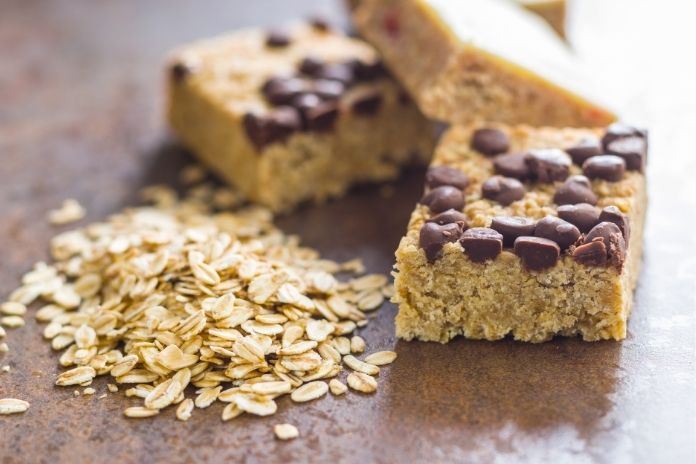
Most people look at protein first and completely ignore fiber. But fiber changes how the entire bar behaves inside the body. A protein bar with decent fiber digests more slowly, keeps the stomach full longer, and creates a more stable blood sugar response. High-protein bars with almost zero fiber often digest surprisingly fast, and hunger returns quickly.
Clinical guidance from NOVI Health recommends at least 3g of fiber per 100 kcal or around 6g per 100g as an indicator of a fiber-adequate bar. For practical shopping, a minimum of 3g fiber per bar is a decent starting point.
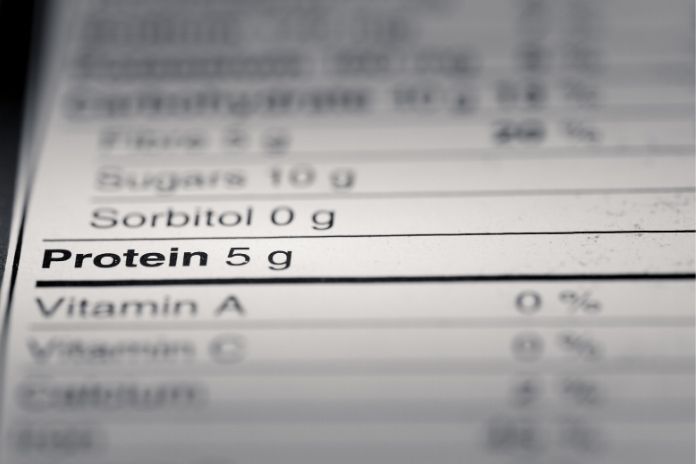
But there is one complication here. Fiber numbers on labels can become misleading because companies use different ingredients to boost fiber artificially. Ingredients like chicory root and inulin are actual fermentable fibers with prebiotic benefits. These can support gut bacteria and digestion for many people. But sugar alcohols like maltitol, sorbitol, and xylitol are a different story.
These ingredients often help increase fiber count while lowering sugar content on the label. The problem is that they commonly cause bloating, gas, cramps, and diarrhea. Especially maltitol. People with IBS or FODMAP sensitivity usually react strongest.
An interesting thing is that tolerance depends on the amount and frequency. One bar occasionally may feel fine. Two or three bars in one day can suddenly become a digestive disaster. Many people blame “protein” for stomach issues after bars. Actually, often it is sugar alcohols causing the problem, not the protein itself.
One practical tip: if the ingredient list contains maltitol near the top, and the fiber number looks unusually high for a small bar, expect possible GI issues. Bars sweetened with stevia or monk fruit are usually tolerated better by most people.
Read More: What Happens to Your Body When You Switch to Plant Protein
4. Ingredient List Length and Recognisability
There is now growing interest in “clean label” protein bars, and honestly, this trend exists for good reason. Simple test many dietitians use: read the ingredient list and ask how many ingredients sound like actual foods you could keep in the kitchen. Oats, almonds, cocoa, whey protein, eggs, dates, peanuts, and honey are recognizable ingredients.
Now compare that with bars containing sodium stearoyl lactylate, glycerin, polydextrose, soy lecithin emulsifier, modified starches, artificial flavor systems, texture stabilizers, and multiple gums. At some point, it stops feeling like food and starts feeling like an industrial formula shaped into a rectangle.
This does not mean every additive is harmful. Some additives have practical functions. Emulsifiers prevent separation. Humectants keep bars soft. Stabilizers improve shelf life. So the issue is not fearmongering about ingredients nobody can pronounce.
The bigger concern is the pattern. Ultra-processed foods with very long additive lists are increasingly linked in research with poorer metabolic outcomes, even when protein or calories look reasonable on paper.
Another hidden issue is contamination variability. Clean Label Project tested 165 top-selling snack and nutrition bars in 2024 and found major differences in heavy metals and pesticide residues. Some plant-based bars showed elevated contamination levels because they used ingredients sourced from crops that accumulate metals naturally from soil.
Good practical guidance: no perfect ingredient count exists, but bars with around 8–12 mostly recognizable ingredients are usually a better sign than bars with 25 industrial additives. And honestly, texture tells a lot, too. If the bar survives two summers in a backpack unchanged, maybe ingredient engineering is more advanced than nutrition quality.
5. Third-Party Testing Certification

This is probably the most overlooked thing in protein bar buying guides, but it is becoming more important now. Many consumers assume the FDA checks protein bars before they appear in stores. Actually, the FDA does not pre-approve these products before sale. Companies can make many label claims without independent verification first.
That means phrases like “20g protein,” “all natural,” “no artificial ingredients,” or “tested quality” are mostly company-controlled statements unless outside certification is involved. This is why third-party testing matters.
Three certifications are especially useful to recognize:
NSF Certified for Sport: It verifies label accuracy and tests for substances banned in competitive sports. Important for athletes subject to drug testing.
Informed Sport: It does similar testing and has strong credibility, especially in European athletic markets.
Clean Label Project: This focuses more on heavy metals, contaminants, pesticide residues, and product purity. This matters especially for plant-based bars because heavy metal contamination has already been documented in some products.
For regular consumers not competing professionally, Clean Label Project certification may actually be most practically useful because it addresses contamination concerns directly. For athletes or anyone under anti-doping rules, NSF Certified for Sport or Informed Sport is basically non-negotiable.
Even tiny contamination can create serious career consequences there. One thing consumers should understand: certification costs companies money. Brands voluntarily doing this are usually more confident in product consistency and sourcing quality. If two bars look nutritionally similar but one carries meaningful certification, it is usually the safer choice.
Read More: Can Supplements Actually Protect Your Skin From the Sun? What the Evidence Shows
Conclusion
A good protein bar can be identified in around 30 seconds once you know where to look. Aim for a minimum of 15g protein from clearly named sources, under 7g added sugar, at least 3g fiber without heavy sugar alcohol use, mostly recognizable ingredients, and third-party testing where possible.
No protein bar is perfect in every category. Once you know your own priority, choosing becomes much simpler and less dependent on front-label marketing.
- While choosing a protein bar, protein quality and amino acid completeness matter too, especially in plant-based bars.
- Many “healthy” protein bars are now nutritionally closer to candy bars because added sugar levels are very high.
- Fiber content affects fullness, digestion speed, and blood sugar response more than many consumers realize.
- Third-party testing is becoming more important because contamination levels vary widely between brands, especially plant-based products.
- Many studies examine protein amount, but fewer long-term studies compare health outcomes between minimally processed protein bars and heavily formulated ones.
FAQs
1. How much protein should a good protein bar have?
A good protein bar should contain at least 15 grams of protein, with 20 grams preferred for active individuals. Protein quality also matters, so complete sources like whey, soy, or blended plant proteins provide better amino acid profiles and muscle support.
2. Are protein bars with sugar alcohols bad for you?
No, protein bars with sugar alcohols are not inherently harmful but may cause digestive symptoms in some people. Ingredients like maltitol or sorbitol can trigger bloating, gas, or diarrhea, especially in sensitive individuals or when consumed frequently.
3. Are expensive protein bars better than cheap ones?
No, expensive protein bars are not necessarily better than cheaper options. Nutritional quality depends on ingredients, protein content, and added sugars, while third-party certifications and simpler formulations are more reliable indicators of overall product quality than price alone.
References
- Jayaprakash, G., Bains, A., Chawla, P., Fogarasi, M., & Fogarasi, S. (2022). A Narrative Review on Rice Proteins: Current Scenario and Food Industrial Application. Polymers, 14(15), 3003.
- Sorapukdee, S., Uesakulrungrueng, C., & Pilasombut, K. (2016). Effects of Humectant and Roasting on Physicochemical and Sensory Properties of Jerky Made from Spent Hen Meat. Korean Journal for Food Science of Animal Resources, 36(3), 326–334.
- Tormási, J., Benes, E., Kónya, É. L., Berki, M., & Abrankó, L. (2025). Evaluation of protein quantity and protein nutritional quality of protein bars with different protein sources. Scientific Reports, 15(1).
In this Article