

















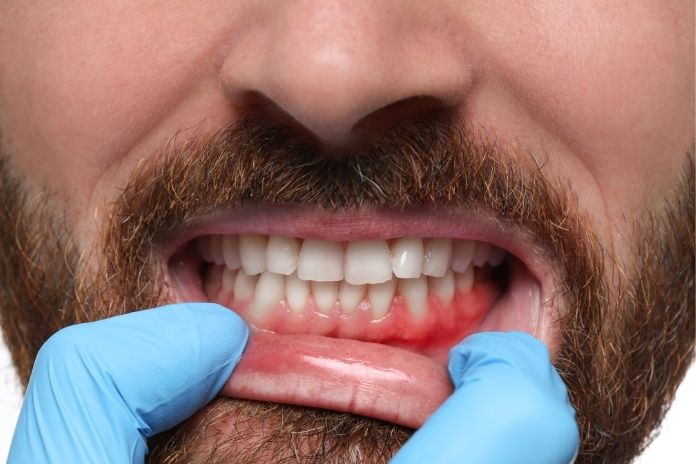
A common dental ailment called gum recession occurs when the gum tissue gradually separates from the teeth, revealing more of the tooth’s surface or even the root. Many people do not become aware of this disease until the receding gums are more advanced, as it is often sluggish and painless in the early stages.
This article will discuss the definition of gum recession, its early warning symptoms, primary causes such as periodontal disease, treatment options like gum graft surgery, and whether gum recession can be reversed. In order to safeguard long-term oral health, we will also go over preventative techniques, at-home maintenance methods, and when to get expert assistance.
- Gum recession exposes tooth roots and often starts silently with sensitivity or longer-looking teeth.
- It cannot regrow naturally, but treatments like grafting and proper care can restore protection.
- Early action, gentle brushing, hygiene, and dental visits prevent serious damage like tooth loss.
Read More: How Often Should You Floss Your Teeth? Expert Answers & Best Routine for Healthy Gums
What Is Gum Recession?
The ridge of your gum tissue starts to pull back toward the tooth roots when you have gum recession. It could have significant detrimental effects, both functional and aesthetic. You may have temperature sensitivity when eating and drinking if gum recession exposes a significant amount of your tooth roots.
It can give the appearance of an uneven gum line, turning what could otherwise be a healthy grin into one that makes you feel self-conscious. Untreated conditions can lead to gum disease, tooth loss, and jawbone loss.
Gum tissue in good condition functions as a natural barrier. It promotes general oral health and keeps bacteria from penetrating deeper structures. Strong gums lower the incidence of periodontal disease, gingivitis, and tooth sensitivity.
Common Signs and Symptoms of Receding Gums
It is essential to identify the initial symptoms of gum recession to pursue prompt treatment. The following are frequent signs that your gums might be receding:
Teeth That Look Longer Than Before: If your teeth seem to be looking longer than they did previously, this could indicate gum recession. It is due to the gum tissue retracting, which exposes more of the tooth.
Visible Tooth Roots: With gum recession, the roots of your teeth can become exposed. It can result in sensitivity and discomfort, particularly when consuming hot, cold, sweet, or acidic foods and beverages.
Heightened Tooth Sensitivity: A typical indication of receding gums is increased sensitivity. If you experience heightened sensitivity while brushing or flossing your teeth, it may be due to exposed roots from gum recession.
Modifications in Tooth Appearance: Be mindful of the teeth’s texture and appearance. As a result of enamel erosion, receding gums can lead to the formation of notches or small indentations close to the gum line.
Loose Teeth: Teeth may become loose or unstable due to severe gum recession, which compromises the supporting bone and tissue.
Foul Breath or Unpleasant Taste: Ongoing foul breath or an unpleasant taste in the mouth may indicate an infection associated with gum recession.
What Causes Gum Recession?
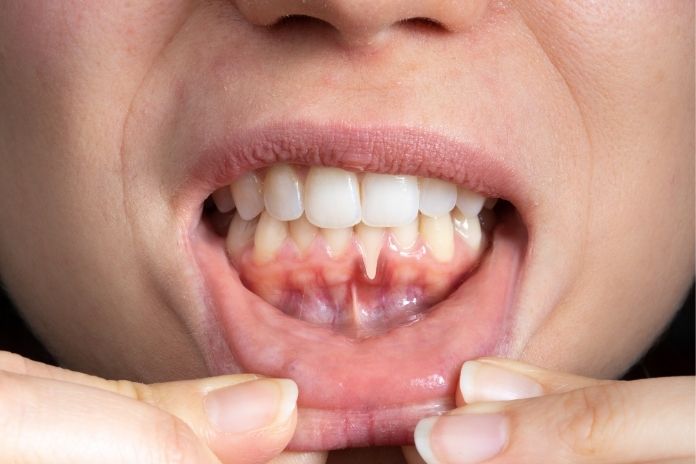
Gum recession is a highly prevalent issue that dentists identify and address every day. A thorough examination of the affected areas and an accurate diagnosis of the actual underlying problem are crucial.
After identifying the cause of gum recession, dentists can use both surgical and non-surgical methods to halt its progression and prevent future occurrences. The primary reasons for gingival recession are:
Overaggressive Brushing: Brushing too much can be nearly as harmful to gums as brushing too little. Brushing too vigorously or using a toothbrush with hard bristles can wear down the tooth enamel at the gum line and cause irritation or inflammation of the gum tissue.
Poor Oral Hygiene: If tooth brushing and flossing are done incorrectly or not performed at all, plaque can accumulate and start to affect the teeth. The plaque harbors multiple bacterial toxins that can promote infection and erode the jawbone beneath it.
Chewing Tobacco: All forms of tobacco use have catastrophic consequences for the whole mouth area. In particular, chewing tobacco irritates the gingival lining of the mouth and can lead to gum recession with continued use.
Gum Disease: Inadequate oral care or systemic conditions like diabetes can cause gum disease. In the mouths of diabetics, excess sugar and narrowed blood vessels together create an ideal environment for oral bacteria. The bacterium causes an infection that spreads deeper into the gum and bone tissue, ultimately leading to tooth loss.
Read More: Why Do My Gums Bleed When I Brush? Causes and Remedies
Can Gum Recession Be Reversed?
Once gum tissue is lost, it does not regenerate naturally; however, this does not mean there are no options available to you. Treatment aims to prevent further deterioration and, in many cases, restore what has been lost.
In mild cases, gentle brushing, regular dental cleanings, and occasionally a custom nightguard to prevent the grinding can help avert additional damage. For cases that require greater tissue support, procedures like gum grafting or guided tissue regeneration can reconstruct the gumline and shield exposed roots.
Treatment Options for Gum Recession
The positive aspect is that gum recession is treatable, and the treatment can lead to a smile that looks natural and functions completely. For the treatment of gum disease, one can choose from surgical and non-surgical options.
Non-Surgical Treatment Options
Scaling and Root Planing: This procedure provides a thorough cleaning by removing plaque and tartar from above and below the gum line. A dentist or periodontist usually performs it, and it may require several appointments.
Antibiotics: Doctors may prescribe antibiotics to help combat the infection caused by gum disease. It can be ingested or it can be applied directly to the affected area.
Rinses: Using chlorhexidine gluconate mouthwash can help prevent infection by eliminating certain harmful bacteria that cause gum recession. These rinses are particularly effective at preventing plaque accumulation, as they create a protective film over your teeth and gums after use.
Dental Bonding: This procedure, which does not require surgery, entails applying a tooth-colored resin to the affected tooth. The resin is molded and shaped to fit the adjacent teeth, then cured with a special light. This method can be applied to cover exposed roots or reshape teeth affected by gum recession.
Oral Irrigation: This method employs a specialized tool to eliminate plaque and bacteria from the spaces between teeth and gums.
Surgical Treatment Options
Gum Grafting: Gum grafting, a surgical procedure, is employed to address gum recession. This procedure aims to cover exposed roots, alleviate tooth sensitivity, and enhance the appearance of the affected teeth.
A small piece of tissue is extracted from the patient’s roof of the mouth or a donor source during the procedure and placed over the exposed roots. Dentists use sutures to secure the tissue in place and perform the procedure with local anesthesia, typically taking 30 minutes to a few hours, depending on the number of teeth treated.
Laser Therapy: Aims at the affected tissue with less discomfort and quicker recovery than conventional surgery.
Read More: 14 Natural Remedies For Receding Gums For A Better Oral Health
How to Help Prevent Further Gum Recession

For individuals with genetically thin gum tissue, routine oral hygiene may help reduce the likelihood of gum recession:
- Thoroughly brush your teeth two times daily
- Use dental floss every day
- Adhere to your dentist’s advice regarding tooth-brushing techniques and the scheduling of dental cleanings
- Choose a toothbrush with soft bristles
- Refrain from smoking or using chewing tobacco
If you see any indications of gum recession, seek dental care right away.
Home Remedies and Natural Approaches: What Actually Helps?
While simple home remedies can promote gum health, professional care is often needed:
Oil Pulling: This age-old Ayurvedic method involves swishing oil in the mouth to eliminate bacteria and toxins. Although research is still underway to assess its effectiveness, some studies suggest it may lower plaque levels and reduce gingivitis, a mild gum disease that can lead to recession.
Himalayan Salt Rinse: You can dilute Himalayan pink salt, rich in minerals, into a natural mouthwash. The characteristics of the salt could help reduce the inflammation and promote a healthy balance of oral bacteria.
The Power of Hydration: Water is vital for general health and plays a key role in oral health. Keeping hydrated aids in saliva production, which naturally removes food debris and neutralizes damaging acids in your mouth. Saliva contains minerals that strengthen tooth enamel and help combat bacteria, which cause cavities and gum disease.
Vitamin C: Lack of vitamin C can result in inflammation and gum disease. Increase your consumption of broccoli, lemons, oranges, peppers, and tomatoes.
Aloe Vera: This succulent plant with anti-inflammatory properties can aid in fortifying your collagen and alleviating signs of periodontal disease. When applied after scaling and root planing, aloe vera gel can help treat chronic periodontitis.
Read More: How To Deal With My Bleeding Gums?
What Happens if Gum Recession Is Left Untreated?

Gum recession, a common dental issue, occurs when the gums begin to pull away. It not only damages your smile’s appearance, but it also jeopardizes your oral health. If left untreated, the gum that encircles the teeth begins to recede, potentially exposing the tooth’s root.
If untreated, pockets will form between the teeth and the gum line, creating ideal conditions for bacteria to become trapped. It can cause damage to teeth, tissues, and bone structures, ultimately leading to tooth loss. It is necessary to take proactive measures to prevent gum recession and the potential loss of a tooth.
When to See a Dentist About Receding Gums
If you’re inquiring, “Why are my gums receding?” or if you observe ongoing symptoms, it might be time to seek advice from a specialist:
Tooth Sensitivity: Especially around the gum line or with temperature variations.
Exposed Tooth Roots: Signifies substantial gum loss requiring expert assessment.
Loose Teeth: This may indicate the presence of advanced periodontal disease or a loss of bone mass.
Recession Progressing: Should home care fail to enhance the situation?
Common Myths About Gum Recession
Although gum recession affects many people, misinformation still surrounds this widespread dental problem. The first step to maintaining oral health is understanding what gum recession really entails:
Myth 1: Gum Recession Is Merely Cosmetic
A lot of people think gum recession is just about looks, but that’s not true. If you ignore it, the problems go way beyond appearance. When your gums recede, tooth roots get exposed, and that can make your teeth so sensitive that even sipping hot coffee or biting into ice cream gets pretty uncomfortable.
Myth 2: Gum Recession Cannot Be Reversed
There’s another myth out there that once gums recede, there’s no going back. Indeed, gums don’t grow back on their own, but dentists actually have ways to help. Treatments like gum grafting can replace lost tissue and give your teeth some much-needed protection.
Myth 3: Gum Recession Affects Only the Elderly
People also assume gum recession is something only older folks have to deal with. That’s not really the case. Sure, gums can get weaker as you age, but younger people can develop receding gums, too, especially if they brush too hard or if it runs in the family. So it’s not just an age thing.
Read More: Are You Overbrushing? Signs You Might Be Damaging Your Teeth
Conclusion
Gum recession happens to a lot of people, but most folks don’t pay much attention until things get worse. It usually sneaks up with a little sensitivity or your gums looking like they’re shrinking, but it doesn’t stop there. If you ignore it, your tooth roots might end up exposed, and that can really mess up your teeth.
The good news? You can do something about it. If need to pay attention and take care of your gums early, you’ll make a big difference. Brush the right way, keep up with your daily oral care, and don’t skip those dentist visits. That’s really how you keep your gums and the rest of your mouth healthy.
References
- Columbia MD Periodontics. Gum recession.
- R.S. Chlattman DDS. Gum recession treatment.
- MedPark Hospital. Gum recession.
- Cigna Healthcare. Receding gums: Causes, prevention, and treatment.
- Curtis Family Dentistry. What causes gum recession?
- Curtis Family Dentistry. Cleanings and checkups.
- Urban Smiles Chicago. How to prevent gum recession and tooth decay.
- Keystone Periodontal Group. Natural ways to reverse gum recession: Tips for healthier gums.
In this Article