

















When someone has burning urination, urgency, or pelvic discomfort, they often assume they have a urinary tract infection, but these symptoms don’t always point to a bacterial infection. The prevalence of UTI symptoms without infection is much higher than anticipated.
Other illnesses that mimic a UTI may be the cause if you have frequent urination but a negative urine culture, or if you experience recurrent UTI symptoms. Similar discomfort can be caused by conditions like pelvic floor dysfunction, vaginal infection vs. UTI, interstitial cystitis symptoms, and sexually transmitted infections.
This article explains common painful urination causes, why tests may be negative, and how doctors diagnose the real problem, helping you avoid unnecessary antibiotics and effectively treat bladder pain, not a UTI.
- Not all UTI-like symptoms come from bacterial infections; conditions like interstitial cystitis or vaginal infections can mimic them.
- Persistent symptoms with negative tests often signal a non-infectious issue that needs proper evaluation.
- Repeated antibiotic use without diagnosis can delay treatment and worsen underlying conditions.
Read More: Top 5 UTI Test Kits: Convenient Solutions for At-Home Urinary Tract Infection Detection
What Symptoms Are Commonly Mistaken for a UTI?
Frequent trips to the toilet, burning when urinating, or lower abdominal pain are frequently considered indicators of a urinary tract infection. Although these symptoms frequently indicate a UTI, that isn’t always the case. Similar symptoms might also confuse or postpone appropriate treatment for several other illnesses.
The bladder, kidneys, ureters, and urethra make up your urinary tract. Urinary discomfort, murky or foul-smelling urine, and occasionally fever are typical signs of an infection caused by bacteria in any portion of this system.
However, infections are not the only cause of these symptoms. The appearance of other conditions affecting the bladder, prostate, or pelvic region may be almost the same. You can make sure you receive the appropriate diagnosis and treatment by being aware of these distinctions.
“Not all bladder pain is caused by bacteria,” says Dr. Maria Uloko, a urologist and sexual medicine specialist. “When symptoms keep returning, and the tests are negative, it’s time to look beyond the bladder.”
Signs a UTI May Not Cause Your Symptoms

The most obvious signs that might not be related to a UTI are as follows:
Negative Urine Culture: It might not be a UTI if your urine culture shows no bacterial growth, yet you are still experiencing symptoms. Certain bacteria or non-bacterial conditions are absent from standard cultures. However, if several tests over time come up negative but the symptoms don’t go away, consider other options.
Long-Term Symptoms: With antibiotics, acute UTIs typically go away in a few days. A disorder like IC/BPS or OAB is more likely if your symptoms persist for several weeks or months.
Antibiotics Have No Effect Because They Eradicate Bacteria: If you take them and nothing changes, it’s doubtful that bacteria caused the issue. Antibiotics may provide no relief at all or only temporary relief for noninfectious bladder problems. That is a serious warning sign that something else is going on.
Specific Triggers: If certain foods, beverages, or stressful situations worsen your symptoms, it suggests a narrative. For instance, discomfort following acidic meals, urgency during stressful times, and symptoms associated with physical exertion.
Interstitial Cystitis (Painful Bladder Syndrome)
Bladder Pain Syndrome, or IC, is a long-term bladder ailment. It results in discomfort, pressure, or pain in the bladder region. Like a UTI, it also causes frequent urination and an urgent desire to urinate. However, no infection is present.
Within IC/BPS:
- The results of urine cultures are negative
- Pain may worsen as the bladder fills and then slightly lessen after urinating
- Specific foods and beverages can trigger flares
- Sex and pelvic exercises can cause pain
After checking out infections and other reasons, doctors frequently diagnose IC. Before establishing IC/BPS, guidelines advise a thorough history and testing to rule out UTIs.
Read More: 11 Essential Oils for Urinary Tract Infection (UTI) for Faster Recovery
Vaginal Infections That Can Mimic UTI Symptoms
Thrush and bacterial vaginosis are examples of vaginal infections that can resemble UTIs in women. Changes in discharge, pain, and burning sensations are possible outcomes of both disorders.
Bacterial vaginosis results in thin secretions and a strong odor, whereas thrush often causes itching and a thick, white discharge. Although they aren’t usually indicative of a UTI, distinguishing between the two can be difficult without a thorough examination, as burning can occur when urine comes into contact with inflamed skin.
Sexually Transmitted Infections (STIs)
Sexually transmitted infections are frequently misdiagnosed as urinary tract infections. Trichomoniasis, gonorrhea, and chlamydia can all result in increased frequency and burning when urinating.
In contrast to UTIs, STIs can also result in pain, itching, or unexpected discharge during sexual intercourse. It’s easy to mistake one for the other because of the symptoms’ similarities. Therefore, if you are sexually active and experience these symptoms, testing is crucial.
Overactive Bladder and Pelvic Floor Dysfunction
Urgency and frequent trips to the toilet without an actual infection are symptoms of an overactive bladder. People may have an unexpected urge to urinate, which can occasionally result in leaks if they are unable to get to the toilet in time.
Even if there isn’t an infection, people often suspect a UTI because of frequent urination. When tests are normal, doctors typically diagnose an overactive bladder. Weak or tight pelvic floor muscles may cause symptoms similar to those of a urinary tract infection.
Individuals may experience soreness when peeing, pressure in the bladder, or a feeling of incomplete emptying. Pelvic floor problems might be misinterpreted for recurrent UTIs because they impact how the bladder empties, especially if tests don’t reveal infections.
Menopause and Hormonal Changes
The cells lining your urinary tract have receptors for progesterone, testosterone, and estradiol, a kind of estrogen. The receptors use these hormones to maintain the health and strength of your tissues. Estradiol increases the production of antimicrobial compounds in your bladder and vaginal cells, boosting immunity and reducing the risk of infection.
Hormone declines throughout perimenopause and menopause can thin the lining of your urinary system and weaken your body’s defenses against germs, increasing the risk of recurring UTIs and symptoms associated with the urinary tract.
Additionally, the tissues around your vulva and vagina may weaken and become irritated, which may force you to alter how you wipe after using the restroom, since it is uncomfortable and may raise your risk of infection.
Due to a lack of hormones in your bladder and surrounding tissues, it is typical to have UTI symptoms throughout perimenopause and menopause, even if you do not really have an infection (cystitis).
Read More: 13 Useful Home Remedies For Treating Urinary Tract Infections
Kidney Stones and Other Urinary Tract Conditions
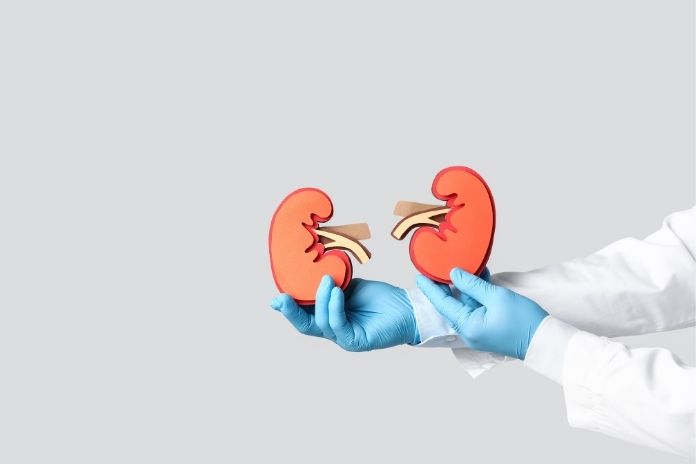
As kidney stones travel through the urinary tract, they may irritate the urinary tract, leading to pain and frequent urination. They may also result in blood in the urine, which is occasionally visible to the naked eye.
Kidney stones cause intense pain in the side or back that might come in waves, unlike a normal UTI. It is uncommon for bladder infections alone to cause nausea and vomiting.
Additional Potential Reasons:
- Urethral irritation
- Stones in the bladder
- Structural abnormalities
Signs To Watch Out:
- Fever
- Severe discomfort in the flanks
- Throwing up
- Visible blood in the urine
How Doctors Figure Out What’s Really Causing the Symptoms
These tests verify the existence of a bacterial infection:
- Inflammation is detected through urinalysis
- A culture identifies bacteria
If symptoms don’t go away, physicians could advise:
- Pelvic examination
- STI examination
- Ultrasonic imaging
- Cystoscopy
Treating suspected UTIs regularly can:
- It leads to antibiotic resistance
- Delay diagnosis
- Worsen underlying conditions
When to See a Doctor for Persistent Urinary Symptoms

The bladder symptoms are painful. Lifestyle changes can help manage some. However, you ought to consult a doctor if:
- The symptoms don’t go away after a few days
- Urine tests consistently yield negative results
- You may have a kidney infection if you have a fever, chills, or back pain
- Your urine has blood in it
- Symptoms are hampering daily living
Read More: Toilet Infections: Types, Symptoms, Prevention, and Treatment
Conclusion
Although the symptoms may seem similar, not every urinary discomfort stems from a urinary tract infection. Many people experience UTI symptoms but no infection, and other underlying conditions, such as bladder disorders, hormonal changes, or pelvic health issues, can cause these symptoms.
Brushing off the ongoing symptom or relying on the antibiotics all the time just drags out getting the right diagnosis and a real treatment. It’s way better to see a doctor, especially when your symptoms stick around even after tests come back negative. Getting a full checkup helps you get care that actually fits your needs and pinpoints what’s really going on.
In this Article