




















Chicken and rice have been the go-to meal for bodybuilders for decades, and there’s a good reason behind this dish’s popularity. Lean protein paired with carbs covers the basics your body needs to build muscle and maintain steady energy.
But what really happens when you eat this combo every single day? The reality is that it offers some genuine benefits, but it also creates nutritional gaps that become more significant over time. Here’s what the evidence actually shows.
- Protein from chicken supports muscle development and helps you feel fuller after a meal.
- Brown rice digests slowly, giving steady energy and extra fiber.
- White rice digests faster and causes blood sugar spikes, making it useful after workouts
- Chicken‑and‑rice-only diets can cause nutritional gaps.
The Metabolic Case for Chicken and Rice — What It Does Well

Chicken and rice are popular for a good reason. Together, they offer some clear metabolic benefits. Let’s understand the brighter side of this combination:
Protein’s Thermic Effect Raises Metabolic Rate
Our body needs extra energy to digest, absorb, and metabolize protein. This property, known as the “thermic effect” of food, distinguishes protein from other major nutrients.
The caloric value of protein is the amount of energy your body gets from digesting it, and it is 4 calories (kcal) per gram
The thermic effect of protein is about 20–30% of its caloric value. That means if you eat 100 calories of chicken breast, your body burns 20–30 calories just processing it. Eating protein makes your body use more energy to digest it, which means you burn more calories compared to carbs or fats.
Muscle Mass Preservation Protects Resting Metabolic Rate
Chicken’s high protein content not only helps you feel fuller after a meal, but also protects your muscles when you’re losing fat.
Muscles burn calories even when you’re resting, so keeping them strong is the key to a healthy metabolism. That’s why chicken is a favorite in fat‑loss plans. Its protein helps protect your muscles while you cut calories, making it easier to lose fat without slowing down your body’s calorie‑burning power.
Blood Sugar Stability From Complex Carbohydrates
Complex carbohydrates are digested by your body slowly and provide steady energy rather than high-energy spikes. They contain fiber and nutrients, which keep you full and support long‑term health.
Brown rice is a complex carbohydrate that provides sustained energy to working muscles. They also prevent overeating by keeping blood sugar levels steady.
On the other hand, white rice causes a sharp spike in insulin followed by a sudden drop, which drains energy and makes it harder to manage appetite.
Read More: How to Make Rice High in Protein: 10 Simple Add-Ins That Actually Work
White Rice vs Brown Rice — the Metabolic Difference That Matters
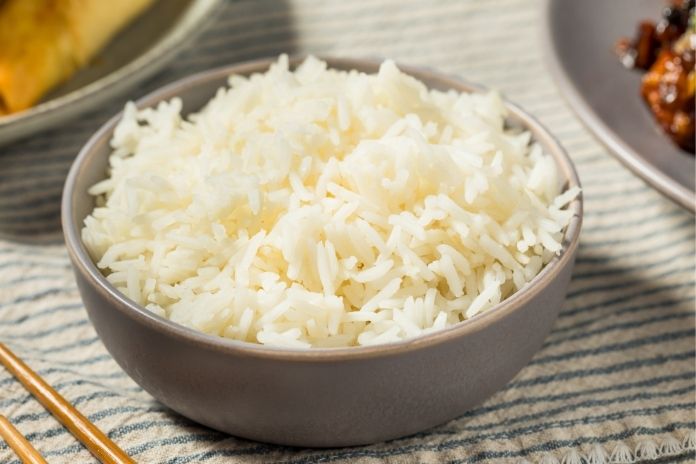
Glycemic index (GI) is a measure of how quickly a food can raise your blood sugar levels. White rice and brown rice don’t raise your blood sugar at the same speed; the way your body responds to each is quite different.
Also, they both support your gut health in different ways; the type of fiber and nutrients they carry shape how your digestive system responds.
- White rice: It has a medium glycemic index (around 64–72), which means it raises blood sugar fairly quickly. That’s why it can provide your muscles with fast-acting energy after a workout. But it also makes your body release more insulin and doesn’t have much fiber, just a tiny amount in one cup (only 0.6g per cup cooked).
- Brown rice: It has a lower glycemic index (around 50–55), which means it raises blood sugar more slowly. This steadier rise helps keep your energy levels balanced and keeps you feeling full for longer. Also, it has a high fibercontent, about 3.5 grams per cup of cooked rice.
For everyday health, brown rice is usually the better choice because it provides steady energy and more fiber. White rice, on the other hand, digests more quickly, making it useful after workouts when your muscles need quick fuel.
If you’re eating chicken and rice regularly, brown rice works best most of the time, while white rice can be used for post‑training meals.
Read More: The Magic of Red Rice: Why Nutritionists Recommend It for Fat Loss and Metabolic Health
The Metabolic Gaps — What Chicken and Rice Alone Cannot Do

Eating chicken and rice daily can lead to some deficiencies, since this combination doesn’t provide all the nutrients your body requires. They are:
Fiber Deficiency — The Most Significant Gap
What’s most lacking in a chicken‑and‑rice diet is fiber. Chicken and white rice lack fiber, whereas brown rice contains a little fiber. Fiber is an important part of your gut health, as it feeds the good bacteria in your gut.
It helps keep your gut bacteria diverse. This supports immunity, reduces inflammation, and helps with digestion. Fiber also helps your body handle sugar without overworking insulin. Without enough fiber, a chicken‑and‑rice diet can slowly decrease different types of bacteria in the gut and affect overall health.
Healthy Fats — Entirely Absent
Lean chicken breast and rice lack healthy fats. Healthy fats raise good cholesterol and lower bad cholesterol in your body. They are important for making hormones, absorbing fat-soluble vitamins- A, D, E, and K. They also help keep your cells strong.
Eating chicken and rice daily can help cut calories, but your body still needs healthy fats to function properly. Without them, your body struggles to keep hormones balanced and absorb vitamins properly, no matter how much protein or carbs you eat.
Vitamin and Mineral Gaps
Eating only chicken and rice leaves out many important vitamins and minerals — like A, C, K, folate, calcium, magnesium, potassium, zinc, and several B vitamins.
Your body needs them to run energy systems and keep metabolism healthy. Missing them can slow down thyroid function, reduce energy production, and affect your overall metabolic rate.
While chicken and rice cover your protein and carbohydrate needs well, they miss other important nutrients, which become increasingly important over time
What Eating Chicken and Rice Daily Does Over Time — Short‑Term vs Long‑Term

The metabolic effects of consuming chicken and rice daily depend on how long you stick with it.
Short Term (Days To Weeks)
In the first few weeks, eating chicken and rice every day can work well. The high protein helps build muscle and keeps you full, while the carbs give steady energy for workouts. It’s also easy to control calories, so many people notice better energy and body composition within 4–8 weeks.
Medium Term (Months)
After a few months, the downsides of a chicken‑and‑rice routine start to show. Low fiber affects gut health and digestion, and the absence of healthy fats means your body struggles to absorb vitamins A, D, E, and K.
Sticking to just two foods can also get boring, which often leads to eating less overall. That might cause weight loss, but the fact that your diet isn’t balanced is not prominent.
Long Term (Over A Year)
Over the course of a year, a diet consisting only of chicken and rice is not nutritionally complete unless you add more variety. To stay healthy, you need good fats, vegetables, and other foods like beans, fish, dairy, or eggs. Supplements can help if your options are limited, but whole foods are always better for long‑term metabolic health.
Read More: Shrimp vs Chicken for Weight Loss: Which Protein Is Better?
How to Make Chicken and Rice Metabolically Complete — the Practical Fixes
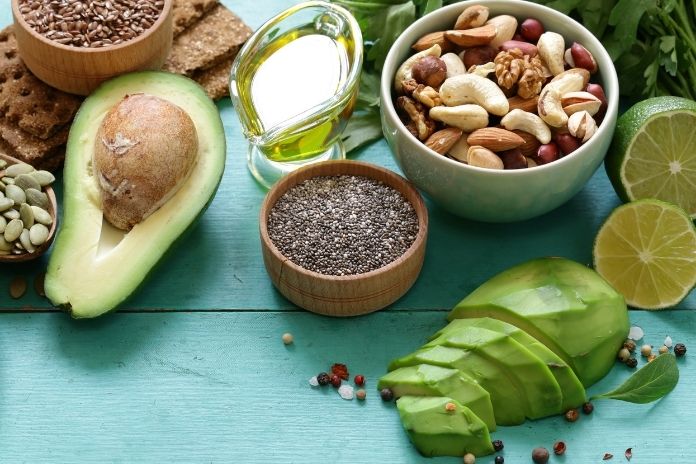
You don’t need to stop eating chicken and rice; you just have to balance it out. This way, chicken and rice stay part of your routine while your diet becomes complete and supportive for long‑term health.
Add A Fat Source
Adding olive oil, avocado, or ground flaxseed supplies essential monounsaturated and omega‑3 fatty acids that support hormone balance and cell health. These fats also help your body absorb fat-soluble vitamins A, D, E, and K.
Add Vegetables To Every Serving
Options such as broccoli, spinach, bell peppers, and leafy greens provide vitamins A, C, and K while supporting gut health. This simple step improves digestion, strengthens immunity, and supports a diverse microbiome.
Alternate Protein Sources Twice Weekly
Try switching chicken with other proteins twice a week to cover the nutrients you might be missing. Fish like salmon or sardines give omega‑3 fatty acids and vitamin D, eggs add choline and vitamin D, and lentils provide fiber and folate. This keeps your body healthy.
Switch To Brown Rice As The Default
Make brown rice your default choice, it’s extra fiber and lower glycaemic index help steady blood sugar and support daily metabolic health
Add Antioxidants
Antioxidants from colorful foods such as berries, peppers, or leafy greens help protect your cells from damage. They reduce inflammation, support immunity, and complement the protein-and-carb base of chicken and rice.
Final Thoughts
Eating chicken and rice every day gives your metabolism a steady, reliable base, protein to protect muscle, and carbohydrates to fuel energy. This combination keeps your metabolism active. Following a chicken-and-rice diet daily for long periods can lead to deficiencies in fiber, healthy fats, vitamins, minerals, and antioxidants. Adding vegetables and healthy fats, and occasionally swapping chicken for other protein sources, can help fill these nutrient gaps.
FAQs
1. Is eating chicken and rice every day bad for metabolism?
No. Eating chicken and rice every day isn’t bad for metabolism as long as you are covering the nutrient gaps. Fiber, healthy fats, and some vitamins and minerals are missing in a chicken-and-rice diet.
This can be easily solved by adding healthy fats and vegetables such as broccoli, spinach, bell peppers, or leafy greens to each meal, and by swapping chicken for other protein sources twice a week.
2. Does chicken and rice help with weight loss?
Yes, chicken and rice can support weight loss. The lean protein in chicken helps you feel full and supports muscle development, which keeps your metabolism active. Rice gives steady energy, so your body doesn’t break down muscle during workouts. Together, they make a filling, calorie‑friendly combo that often leads people to naturally eat less overall.
3. Is brown rice better than white rice for metabolism?
For everyday metabolism, brown rice is the better choice. It digests more slowly, keeps blood sugar steadier, and gives you much more fiber, about 3.5 grams per cup, compared to just 0.6 grams of white rice. That fiber helps your gut stay healthy and improves how your body uses insulin. White rice can be a better choice after workouts
In this Article