



















When one of the heart’s valves is damaged and unable to adequately control blood flow, heart valve replacement becomes necessary. If neglected, diseases such as significant leakage or aortic stenosis can put stress on the heart and lower the quality of life.
Thankfully, open-heart valve surgery (the conventional method) and transcatheter aortic valve replacement (TAVR), a less invasive option, are the two primary therapy choices available in modern medicine.
The differences between TAVR vs. surgery will be discussed in this article, along with the dangers, recuperation periods, and aortic valve replacement options associated with each treatment.
- TAVR is minimally invasive with a shorter hospital stay and recovery (about 1–2 weeks).
- Open-heart surgery is more invasive but offers long-term durability with recovery of 6–12 weeks.
- Treatment choice depends on age, risk level, and overall heart health.
Read More: Heart Murmur vs. Irregular Heartbeat: What’s the Difference?
Why Heart Valve Replacement May Be Needed
Heart valve surgery treats serious valve disorders that interfere with the flow of blood through your heart.
Blood flow is directed through each of your heart’s four chambers by valves that open and close with each heartbeat. Depending on the type of heart valve illness, doctors may advise valve repair or replacement.
Heart valve replacement can treat several forms of heart valve disease, such as:
- Your aortic or mitral valve is excessively thin and does not open completely if you have aortic stenosis or mitral stenosis.
- Aorta or mitral regurgitation is a condition in which the aorta or mitral valve leaks and fails to seal completely.
- Some people are born with a disease called bicuspid aortic valve, in which the aortic valve only has two flaps rather than three.
- Heart valve replacement can alleviate symptoms of heart valve disease, including chest pain, lightheadedness, dyspnea, palpitations, and fatigue.
What Is Traditional Heart Valve Replacement Surgery?
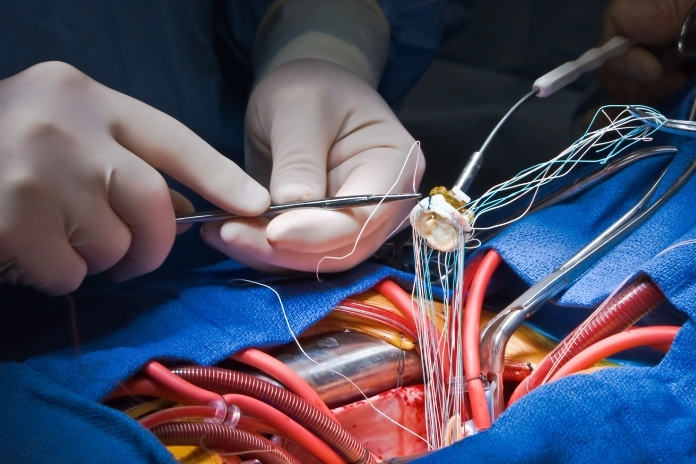
During standard open-heart surgery for valve replacement or repair, surgeons create a large incision in the chest through the breastbone and temporarily stop the heart. The surgeon has two options for repairing the damaged valve: either remove it and replace it with an artificial valve or use a ring to support it.
The process of creating valves can be carried out either using animal/human tissue or using carbon-coated plastics. If more than one valve is in need of repair at the same time and the situation becomes complicated, doctors will recommend traditional repair methods.
Carrying out this procedure as part of other cardiac treatments (e.g., coronary artery bypass grafting) is not uncommon, nor is it rare that performing standard repairs will provide patients with sustained long-term results.
Bioprosthetic and mechanical heart valves are the two most popular varieties:
Bioprosthetic Valves: Manufacturers use animal tissue to make bioprosthetic valves. They can source these valves from pigs (porcine heart valves) or cows (bovine heart valves).
Mechanical Valves: Manufacturers use robust materials such as carbon and titanium to manufacture mechanical valves.
What Is TAVR?

A constricted aortic valve that does not open completely can be replaced using transcatheter aortic valve replacement, or TAVR. The aortic valve separates the body’s main artery and the left ventricle.
Aortic valve stenosis is the term for the narrowing of the aortic valve. Blood flow from the heart to the body is slowed or blocked by a valve problem.
TAVR is a minimally invasive procedure. Consequently, compared with open-heart valve surgery, it requires fewer surgical incisions. For those who are unable to have open-heart surgery to replace the aortic valve, TAVR may be an option. TAVR can lessen breathlessness, chest pain, and other symptoms of aortic valve stenosis.
A group of heart-focused physicians and surgeons decided to proceed with TAVR after consulting together. To determine the best course of action for you, the team collaborates.
Another name for transcatheter aortic valve replacement is the transcatheter aortic valve implantation, or TAVI.
Read More: Is Your Heart Rate Too High or Too Low? Here’s How to Tell (and What to Do About It)
TAVR vs. Traditional Surgery: Key Differences
Procedure Type
TAVR: Non-invasive
Open Heart Surgery: Extremely invasive
Anesthesia
TAVR: Local anesthesia (sometimes mild sedation)
Open Heart Surgery: General anesthesia
Hospitalization
TAVR: A shorter stay, usually lasting two to five days
Open Heart Surgery: Usually lasts five to ten days.
Recuperation Duration
TAVR: Quicker recuperation (around 1-2 weeks)
Open Heart Surgery: Slower recovery (6–12 weeks) following open heart surgery
Ideal For
TAVR: High-risk or elderly patients who might not be able to handle open surgery
Open Heart Surgery: Younger people and patients at low risk
Scarring
TAVR: Very little scarring
Open Heart Surgery: The surgical incision left a noticeable scar on the chest.
Who May Be a Better Candidate for Traditional Surgery?
There are situations in which open-heart surgery is the best option. evaluation of each patient to determine a customized strategy, taking into account elements like your:
- Age
- General health
- Previous heart treatments
Open-heart surgery can treat several cardiac diseases, including:
- Problems with the aorta, the biggest artery that distributes blood throughout your body, are known as aortic disease.
- An abnormal heart rhythm originating in the upper chambers (atria) of your heart is called atrial fibrillation.
- Narrowing or blockages in the coronary arteries, the blood vessels that nourish the heart, are known as coronary artery disease.
- Congenital heart disease refers to anatomical issues with the heart that exist from birth.
- When your heart is so weak that it is unable to pump blood to meet your body’s needs, you have heart failure.
- Damage or illness affecting one or more of your heart valves is known as valve disease.
Read More: The Importance of Regular Heart Check-ups: Early Detection and Prevention
Who May Benefit Most From TAVR?
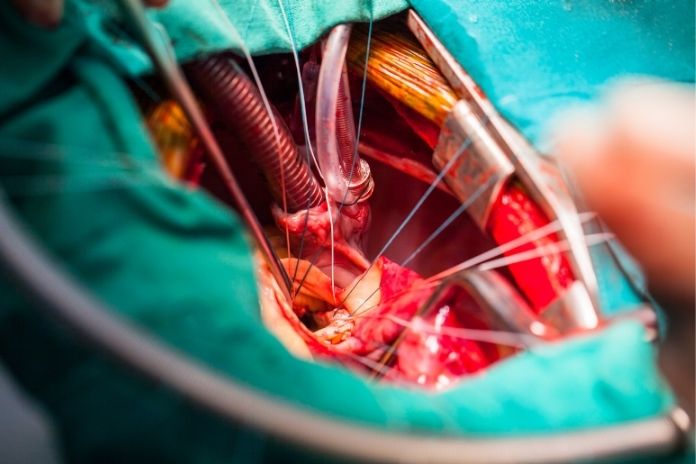
Patients suffering from aortic valve disease in their 80s or 90s are frequently not in good enough health to endure open heart surgery; medication is often ineffective as well. In the end, they would give in to heart failure due to this valve not being repaired.
TAVR may also be an option for individuals who experience the following conditions:
- Heart with weak performance
- Heart surgery in the past
- Stroke in the past
- Chronic obstructive pulmonary disease
- Hepatic disease
- Kidney illness
- Diabetes mellitus
What to Expect Before and After Valve Replacement
Individuals gearing up for a significant operation such as heart valve surgery frequently concentrate on their primary goal: life. The positive aspect is that heart valve survival rates are very high.
If your health care provider has advised heart valve surgery, it is both possible and advisable to start planning for your recovery and well-being post-surgery now.
Typically, the recovery period lasts 4 to 8 weeks, but it can be shorter after minimally invasive surgeries.
After surgery, doctors typically advise individuals to engage in basic self-care practices and to get up, breathe deeply, and resume eating, drinking, and walking as early as possible.
In this phase, individuals can anticipate a gradual recovery of energy and a return to their usual level of activity.
Every individual has a distinctive recovery process. The type of procedure, your overall health before the surgery, and any possible complications will determine it.
Risks, Benefits, and Decision-Making Considerations

The objective of both TAVR vs. surgery is to alleviate symptoms and enhance heart function. The choice depends on balancing the risks of valve replacement surgery with its expected benefits.
By working together, cardiologists and cardiac surgeons can guarantee individualized treatment. This heart team evaluation considers age, anatomy, and patient preferences.
When used appropriately, both transcatheter and surgical aortic valve replacement yield strong outcomes. Nevertheless, the long-term durability of the TAVR procedure is still being studied and understood.
Read More: 7 Types Of Heart Surgery – Know The Complexities Behind!
Conclusion
Both TAVR (transcatheter aortic valve replacement) and traditional surgical heart valve replacements are great ways of managing severe valve disease and improving your quality of life.
The choice between the 2 approaches can depend on factors specific to you – your age, your general health, and how complex the valve disease is. In some cases surgical techniques can give you durability over the long term; however, in less complicated cases, minimally invasive procedures like TAVR may allow for a quicker recovery and/or reduced stress on your body.
Comprehending the distinctions between TAVR vs. surgery aids patients in making knowledgeable choices with their healthcare team. Both treatments continue to demonstrate the robust outcomes, driven by technological advancements and ongoing research.
References
- Johns Hopkins Medicine. Heart valve repair or replacement surgery.
- NHS. Why it’s done – Heart valve replacement.
- Mass General Brigham. Heart valve replacement surgery & repair.
- Mercy. Heart valve repair and replacement surgery.
- Guys and St Thomas Specialist Care. Types of heart valve replacement.
- Luis Soler Rivera. (2024, December 10). Heart valve replacement: What are your options?
- Mayo Clinic. (August 12, 2025). Transcatheter aortic valve replacement (TAVR).
- Heart360 Care. TAVR vs open heart surgery: Which is right for you?
- Cedars-Sinai. Open-heart surgery.
- American Heart Association. (2024, June 7). Heart valve surgery recovery and follow-up.
In this Article