


















Worldwide, prostate cancer is among the most prevalent cancers in men. Nevertheless, studies have shown consistently that the risk of African American men developing and succumbing to this disease is considerably greater. As the rising prostate cancer diagnoses increase, specialists are stressing the significance of early detection, awareness, and well-informed screening choices.
In this article, we will explore why prostate cancer risk is higher in Black men, the early signs of prostate cancer, screening options like the PSA test for prostate cancer, when screening should begin, treatment choices, lifestyle factors, and how to overcome barriers to care.
- Black men face a higher risk and should start screening earlier, sometimes as early as 40.
- Prostate cancer often shows no early symptoms, making PSA testing crucial.
- Early detection greatly improves survival and may reduce the need for aggressive treatment.
Read More: Can Saw Palmetto Really Treat an Enlarged Prostate? What the Evidence Shows
Why Prostate Cancer Risk Is Higher in Black Men
The most recent statistics from the American Cancer Society indicate that Black men have a prostate cancer incidence rate that is approximately 73% greater than that of White men. Researchers record the highest global prostate cancer incidence rates in Black men in the Caribbean and the U.S.
The precise causes of the increased prostate cancer risk among Black men are not completely known, but genetics is a key factor. Moreover, elements like family background play a crucial role, particularly in cases where a direct relative has been diagnosed with prostate cancer before turning 60; this greatly heightens the risk.
Individuals within this demographic are also more prone to receiving the diagnoses at a younger age and with more virulent forms of the disease, emphasizing the need for increased watchfulness and prompt diagnostic initiatives.
Signs and Symptoms of Prostate Cancer

Initially, prostate cancer may not show any signs. Doctors discover the majority of prostate malignancies early on. It indicates that the cancer is limited to the prostate. Prostate cancer in its early stages frequently shows no signs.
Early-stage prostate cancer symptoms and indicators can include:
- Urine that contains blood may appear pink, crimson, or cola-colored
- The semen contains blood
- Urinating more frequently
- Difficulty initiating the urination process
- Waking up more frequently at night to urinate
Other symptoms may occur if the prostate cancer spreads. Doctors define metastatic prostate cancer as cancer that spreads to other parts of the body. They also refer to it as advanced prostate cancer or stage 4 prostate cancer.
Advanced prostate cancer signs and indicators may include:
- Urine leaks by accident
- Back discomfort
- Bone discomfort
- Erectile dysfunction is the inability to achieve an erection
- Feeling very tired
- Losing weight without making an effort
- Arm or leg weakness
Why Early Detection Matters
Prostate cancer is very uncommon in men under 40, but it becomes more likely after age 50. Prostate cancer is particularly common in African American males and those whose close relatives have the disease.
Prostate cancer can strike at any age, although it typically affects older men. In actuality, it ranks as the second most frequent reason why men die from cancer. The good news is that most of the men who are diagnosed with prostate cancer, especially in its early stages, can survive it, despite the shocking number.
It is why it’s crucial to find this slow-growing cancer early on, when it’s most curable. A customized screening plan can be developed by discussing your prostate cancer risk with your urologist or primary care provider.
Men should discuss prostate cancer screening with their physician. More conservative treatment approaches may result from early diagnosis in the pre-symptomatic period. Patients can maintain control over their circumstances by using screening to spot problems early.
When Should Black Men Start Prostate Cancer Screening?
Prostate cancer screening is essential for early detection and optimal outcomes. Because Black males are disproportionately affected by this illness, they must be careful about screening. Black males should start screening earlier, at age 45 if they have no family history of prostate cancer, and at age 40 if any of their male ancestors have had the disease.
The American Cancer Society advises men with an average risk of prostate cancer to start screening when they are 50. Making a preventive appointment with your health care physician, talking to them about your family history, and getting a PSA blood test are all that is required to screen for prostate cancer.
An annual physical or wellness appointment may include this test. To discuss your risk, your need for testing, and what to do if your PSA result is elevated and alarming, you and your doctor must work together to make decisions. You can save your life by being aware of your risk.
“Despite many physicians being aware of this and following this practice, Black men continue to be diagnosed with and die from metastatic prostate cancer. This is a trend that desperately needs to be reversed,” said Wellstar Primary Care Physician Dr. Earl Stewart. He adds, “We have adequate screening tools that do not even require a digital rectal examination.”
Read More: Think You’re Too Young for Cancer? 75% of Patients Thought So Too
Understanding PSA Tests and Screening Results
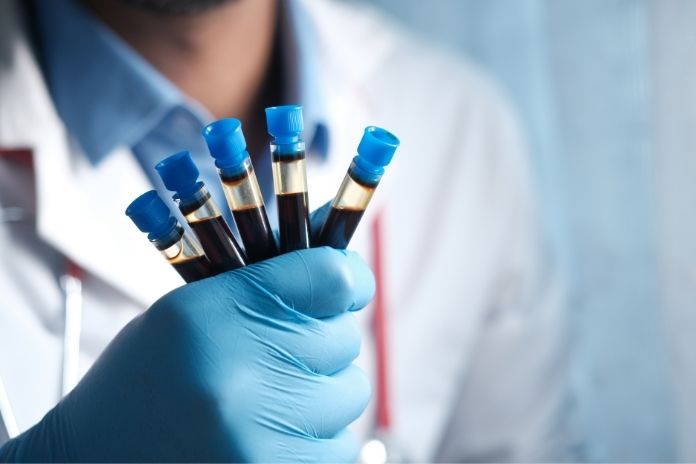
Prostate-specific antigen (PSA) is a protein produced by the prostate. The body primarily contains it in the semen and only occasionally releases it into the bloodstream. A PSA blood test determines the amount of this protein in your blood; the results are usually expressed in nanograms per milliliter (ng/mL).
It is employed as a “disease marker” to detect prostate cancer and track the cancer’s response to therapy. Prostate cancer rarely manifests symptoms in its early stages. To identify aggressive, higher-risk malignancies early, when they are small and more likely to be cured, doctors advise PSA screening.
Additionally, compared with treating advanced disease, early detection may lead to fewer adverse effects. However, you and your doctor should decide together whether or not to get checked.
It takes more than just a single “pass or fail” score to interpret PSA test results. In the past, the standard “cutoff” for a normal PSA level was 3 or 4 ng/mL. But as PSA levels normally increase with age as the prostate grows, many doctors now utilize age-adjusted PSA ranges to assess if a result is alarming:
- Age 40-49:Doctors may consider levels above 2.5 ng/mL high.
- Age 50-59:Levels above 3.5 ng/mL often warrant closer observation.
- Age 60-69:Doctors usually set a threshold at levels greater than 4.5 ng/mL.
- Age 70+:More research is usually necessary for levels higher than 6.5 ng/mL.
Your doctor won’t examine a single PSA test result on its own. To determine how quickly your PSA level is increasing, they will track your PSA level over time and compare it with the results of previous tests.
Treatment Options for Prostate Cancer
Following a diagnosis of prostate cancer, physicians employ a variety of tests to assess the likelihood of the disease progressing. Doctors often give the same broad treatment recommendations to patients across risk groups.
Low-Risk Prostate Cancer Treatment
Many low-risk prostate tumors don’t cause any major health issues for years or even decades. Physicians frequently advise active surveillance for these individuals as a result. Doctors continuously monitor a patient’s cancer during active surveillance.
Patients with low-risk prostate cancer do occasionally decide to receive therapy. For instance, a younger patient might choose therapy over possibly decades of monitoring.
Intermediate-Risk Prostate Cancer Treatment
In most situations, men with intermediate-risk prostate cancer should receive treatment. Radiation therapy or prostate removal surgery are the usual treatment choices. In addition to radiation therapy, the patient may receive hormone therapy.
High-Risk Prostate Cancer Treatment
Doctors typically consider low- and intermediate-risk prostate tumors treatable. They can cure some high-risk prostate cancers. In other cases, they manage the disease as a chronic illness that requires ongoing control rather than a cure.
High-risk prostate cancer is typically treated with a mix of medicines, regardless of whether it is curable. Chemotherapy, radiation therapy, hormone therapy, and surgery are common alternatives.
Recurrent Prostate Cancer Treatment
The majority of individuals have either radiation therapy or surgery as part of their initial prostate cancer treatment. The alternative course of treatment may be employed if a patient’s prostate cancer recurs.
Additionally, physicians might advise the use of systemic medications, such as hormone therapy and perhaps chemotherapy, which are treatments that spread throughout the body.
Metastatic Prostate Cancer Treatment
Systemic therapies, such as hormone therapy and possibly chemotherapy, are administered to patients whose prostate cancer has progressed beyond the prostate and surrounding area. Cancer is known as a castrate-sensitive disease because it responds to hormone therapy.
The illness may eventually stop responding to hormone therapy and resume its growth. Castrate-resistant disease is the term for this condition. Numerous more treatments are available for patients with castration-resistant illness.
Read More: Prostate Massage Therapy: Evidence-Based Benefits, Safety Tips & Step-by-Step Guide
Lifestyle Factors and Prostate Health

While healthy lifestyle choices promote prostate health, they cannot eliminate the risk of prostate cancer:
Think About a Mediterranean Diet: Following it is likely the best way to maintain prostate health without relying on unproven supplements or vitamins.
Skip Vitamin E Supplements: Although no vitamins or supplements have demonstrated efficacy in reducing prostate cancer risk, one particular vitamin has been linked to increased risk of prostate cancer in men: vitamin E.
Here’s something important: a nationwide study found that people who took 400 IU of vitamin E every day for about five years actually saw a 17% increase in prostate cancer cases. So, when it comes to prostate health, taking vitamin E supplements isn’t a good idea.
Get Some Sun: While it’s important to use sunscreen, don’t avoid the sun completely. Lack of sun exposure can raise your chances of developing prostate cancer. We obtain a significant amount of vitamin D from sunlight, which is an excellent way to lower your prostate cancer risk.
Vitamin D also supports our health in various other ways. It promotes heart health and maintains the well-being of your kidneys and pancreas.
Get Screened: The recommendations for prostate cancer screening vary based on whether you belong to a high-risk group or an average-risk group. If you belong to a high-risk group, it is advisable to start screening for prostate cancer at the age of 40. Doctors advise men at normal risk to consider starting screening between the ages of 45 and 55.
Barriers That Can Delay Diagnosis and Care
Factors like mistrust, limited access, and stigma can hinder the timely diagnosis of prostate cancer:
Medical Mistrust and Healthcare Disparities: Historical and systemic factors that contribute to a lack of trust in healthcare systems within Black communities.
Limited Access to Screening and Specialist Care: Access to urologists and screening services varies.
Cultural Stigma Regarding Symptom Discussion: Numerous men refrain from talking about their prostate cancer symptoms, which may postpone diagnosis.
Questions Black Men Should Ask Their Doctor About Prostate Cancer
- What is the individual risk of prostate cancer for Black men?
- Should I start prostate cancer screening now?
- How frequently should I undergo a PSA test for prostate cancer?
- What early signs of prostate cancer should I watch for?
Common Myths About Prostate Cancer

All men should be aware of the various fallacies surrounding prostate cancer.
Myth #1: Prostate Cancer Only Affects the Elderly
Although it may be true that the likelihood of receiving a prostate cancer diagnosis increases with age (65 percent of cases are found in men 65 years of age or older), 35 percent of those diagnosed are younger. Up to 1 in 38 men aged 40–59 and 1 in 15 men aged 60–69 fall into this category. About 67 is the usual age at diagnosis.
Myth #2: Since My Father Had Prostate Cancer, I Will Too
A patient’s odds of receiving a prostate cancer diagnosis are higher if they have a family history of the disease. But not everyone with a family history of the illness will have it themselves, and not everyone who has the illness has a family history.
Myth #3: Cancer Cannot Exist if There Are No Symptoms
Doctors screen men who report no bone pain, weight loss, or urinary symptoms for prostate cancer. Although prostate cancer can cause various urinary symptoms, doctors typically link these symptoms to benign prostate enlargement.
Myth #4: Prostate Cancer is Caused By Vasectomies
Doctors identified many early prostate cancer cases in men undergoing vasectomies for prostate-related screening, which led to this misconception. There is no conclusive evidence linking vasectomy to an increased risk of prostate cancer, according to recent research including millions of men who had the procedure and who did not.
Read More: 9 Daily Habits That May Reduce Cancer Risk
Conclusion
Prostate cancer in Black men remains a critical health concern, especially as diagnosis rates continue to rise. Increased risk, the possibility of a more virulent illness, and late diagnosis all play a part in less favorable results.
Talking openly about the symptoms, catching issues early, and having honest conversations with your healthcare provider really make a big difference. You need to know your risk factors, such as your family history, and keep up with regular check-ups. Healthy habits go a long way, but they don’t take the place of real medical advice or proper screenings.
References
- Michigan Institute of Urology. Why is prostate cancer so common in Black men?
- Morehouse School of Medicine. Prostate cancer disparities.
- Mayo Clinic. (Febuary 20, 2026). Prostate cancer – Symptoms and causes.
- American Cancer Society. Signs and symptoms of prostate cancer.
- Wellstar. (June 26, 2025). Prostate Cancer Screening in Black Men.
- Mayo Clinic. (2026, February 20). Prostate cancer – Diagnosis and treatment.
- National Cancer Institute. Prostate cancer treatment (PDQ®)–Patient version.
- MD Anderson Cancer Center. Prostate cancer treatment.
- Prostate Cancer Foundation. What is a PSA test? Understanding prostate-specific antigen.
- Mayo Clinic. (2025, April 30). PSA test.
- Johns Hopkins Medicine. Tips for keeping a healthy prostate.
- Endeavor Health. (2025, May 28). 7 myths about prostate cancer every man should know.
In this Article