



















Cancer is more common in young adults than most people realize. Roughly 85,000 Americans ages 15 to 39 are diagnosed every year.
Because symptoms like fatigue, unexplained pain, or a new lump are easy to dismiss as stress or minor injury, many cases aren’t caught until they’ve reached an advanced stage.
This article explains which cancers show up most often in younger adults, what early warning signs to watch for, why diagnoses get delayed, and what screening guidelines apply before age 40, so you can make informed decisions about your health.
Every year in the United States, roughly 85,000 young adults between the ages of 15 and 39 receive a cancer diagnosis.
But here is the sobering part: by the time most of them find out, the cancer has already progressed to a late stage. Delays in reaching a young adult cancer diagnosis contribute to more advanced disease in a significant share of patients in this age group, making treatment harder and survival rates lower.
Because cancer is rarely expected in young, otherwise healthy people, symptoms are often brushed off by both patients and their doctors.
This article explains how to recognize the early warning signs of cancer in your 20s and 30s, why diagnoses are so often delayed, and what you can do right now to take charge of your health.
Read More: Are Chills a Sign of Cancer? Causes, When to Worry, and Other Symptoms to Watch For
Why Young Adults Are Often Diagnosed Too Late
Young adult cancers are frequently discovered later than those in other age groups. Several factors work together to push a cancer diagnosis further down the road.
Most young adults are generally healthy and avoid visiting a doctor unless something feels seriously wrong. Young men, in particular, tend to put off medical visits.
Life transitions, such as starting college, building a career, dating, and starting a family, often take priority over health concerns, and many young adults don’t even have a regular doctor.
Financial barriers also play a big role. People in this age group are more likely to be uninsured or underinsured, which makes it easy to talk yourself out of a doctor’s appointment when symptoms feel vague or tolerable.
On the clinical side, cancer simply isn’t high on most doctors’ radar when a young person walks in complaining of fatigue or pain. Because these symptoms are far more commonly caused by stress, infections, or muscle strain in this age group, a cancer diagnosis can be delayed while other explanations are explored first. This is a known contributor to delayed cancer diagnosis across the board.
It also helps to understand which cancers are actually most common in young adults, because they are not the same cancers people typically picture.
According to the National Cancer Institute, the most frequently diagnosed cancers in people ages 20 to 29 include thyroid cancer, testicular cancer, melanoma, and Hodgkin lymphoma.
Among people in their 30s, breast cancer, thyroid cancer, melanoma, and colorectal cancer become the most common types. Cervical cancer, leukemia, and sarcomas also appear disproportionately in this age group compared to older adults.
Knowing what cancers actually show up in younger people makes it easier to take relevant symptoms seriously and seek prompt evaluation.
Men and women in the prime of their lives are increasingly being diagnosed with serious cancers, including colorectal, breast, prostate, uterine, stomach (gastric), pancreatic, and more. One forecast predicts cancer in this age group will increase by 31% globally by 2030.
“This is serious and worrisome,” says Shari Goldfarb, MD, breast oncologist and Director of MSK’s Young Women With Breast Cancer program.
Subtle Warning Signs You Should Never Ignore
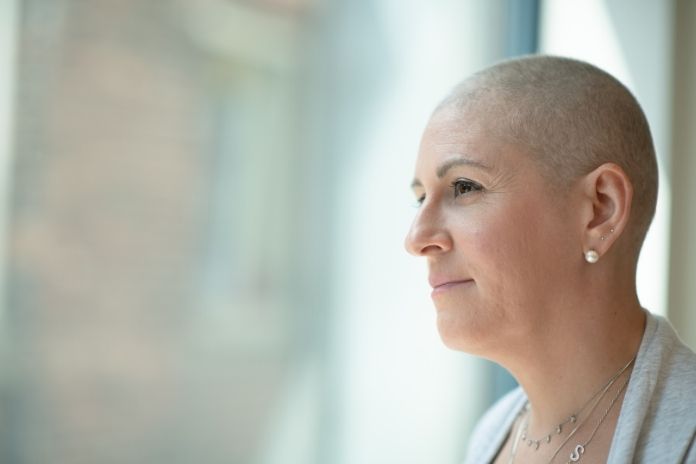
Several factors can prevent doctors from immediately identifying cancers in young adults. Early cancer symptoms can look almost identical to those of far more common, less serious conditions.
Young people may develop lumps or bruises that get dismissed as minor injuries, feel drained in ways attributed to a busy schedule, or battle illnesses that seem like nothing more than a stubborn cold.
That said, knowing the typical warning signs of cancer, especially the early cancer signs in young adults, is one of the most important things you can do for your own health. These signs can include:
- An unusual lump or swelling, especially in the testicles, breast, abdomen, or neck
- Unexplained fatigue that does not improve with rest
- Easy or unexplained bruising
- Unusual bleeding
- Persistent pain in one area of the body
- Unexplained fever or recurring illness
- Frequent headaches, sometimes with nausea
- Sudden changes in vision
- Loss of appetite or unintentional weight loss
- A new or changing mole or skin spot
A key rule of thumb: symptoms that last more than two to three weeks and are not explained by an obvious cause, like an injury or infection you know about, deserve medical attention.
Tracking your symptoms in a notes app or journal, including when they started, how often they occur, and whether they are getting worse, gives your doctor a much clearer picture than a vague “I haven’t been feeling well.”
Symptom persistence and early testing go hand in hand when it comes to catching problems before they advance.
It is far more likely that something other than cancer is causing any one of these symptoms. But if you experience several of them, or if any symptom worsens or does not go away within a few weeks, see a doctor. Don’t wait it out.
Read More: Soft Food Diet for Cancer Patients With Mouth Pain: What to Eat & What to Avoid
How to Advocate for Yourself in Medical Settings
You can prevent delays in diagnosis by actively participating in your own care. Self-advocacy in healthcare does not mean expecting the worst — it means knowing your body, speaking up, and making sure your concerns get a real answer. Early intervention leads to faster responses and, when needed, more effective treatment.
Speak Up Consistently and Clearly: Trust your instincts. Nobody knows your body as well as you do. If something feels off or does not improve over time, say so — and keep saying it. Symptoms that seem minor on their own can become significant if they persist or get worse.
Prep for Your Visits: Before each appointment, jot down your symptoms, how long you have had them, what makes them better or worse, and any questions you want answered. Ask your doctor to write things down for you, including the name of any condition they are considering, the tests they are ordering, and why. Keep a running journal between visits so nothing slips through the cracks.
Do Your Research: Before committing to a treatment plan, look into the options your doctor recommends. When the right choice is not obvious, being informed helps you make the best decision for yourself.
Be the Best Advocate for Yourself: If something about your care does not feel right, trust that feeling. Differences in communication style or personality can sometimes make it hard for patients and doctors to connect, and that is no one’s fault. The solution is to keep pushing until you feel heard.
Ask About a Second Opinion: If your doctor dismisses your concerns or you receive a diagnosis that doesn’t fully match your symptoms, requesting a second opinion is not rude, it is smart medicine.
The National Cancer Institute specifically encourages patients to seek a second opinion from an oncologist who specializes in the relevant cancer type, particularly when the first opinion comes from a provider who does not routinely treat young adults with that cancer.
Most insurance plans cover second opinions, and many cancer centers welcome the conversation. A medical second opinion can be the difference between a correct early diagnosis and months of lost time.
Screening and Prevention for Young Adults

Although many people associate cancer screening with older adulthood, doctors recommend certain tests and preventive steps much earlier for people with specific risk factors. Understanding which cancer screening guidelines under 40 apply to you can help catch problems early or prevent some cancers from developing at all.
Skin Cancer: For people 18 and older, experts recommend a monthly skin self-examination. This is especially important for people with higher risk factors, including a family history of skin cancer, fair skin, weakened immunity, a prior diagnosis, or a large number of moles.
Breast Cancer: For people ages 21 to 39, the first step is assessing whether you are at higher-than-average risk. Risk factors include genetics, family history, dense breast tissue, hormone use, obesity, a sedentary lifestyle, smoking, and moderate to heavy alcohol consumption, among others.
If you notice any changes in your breast tissue, such as a lump, change in shape or texture, or nipple discharge, report them to a doctor promptly, without waiting for a scheduled screening visit.
Colorectal Cancer: For people ages 21 to 39, assess your risk by looking at family history, genetic conditions such as Lynch syndrome, inflammatory bowel disease, obesity, smoking, a diet high in red or processed meat, and alcohol use.
Colorectal cancer is now the leading cause of cancer death in American men under 50 and the second leading cause in women under 50, according to the American Cancer Society.
Standard screening guidelines recommend beginning colonoscopies at age 45, but your doctor may recommend earlier screening if your risk factors warrant it.
Cervical Cancer: According to the American College of Obstetricians and Gynecologists, cervical cancer screening with a Pap test should begin at age 21, regardless of sexual history, and should be repeated every three years through age 29.
The American Cancer Society’s updated 2020 guidelines recommend starting primary HPV testing at age 25 and repeating it every 5 years.
If primary HPV testing is not available, a Pap test every three years or co-testing (HPV plus Pap) every five years are acceptable alternatives. The two sets of guidelines differ slightly, so the most important step is to talk to your doctor about which approach is right for you and to start the conversation no later than age 21.
With screening, the majority of cervical cancers can be detected early or prevented entirely.
Lung Cancer: People ages 50 to 80 who smoke, or who have smoked the equivalent of at least one pack a day for 20 years (or two packs a day for 10 years), should get a low-dose CT scan every year.
This guideline does not typically apply to people in their 20s and 30s, but it is worth discussing with your doctor if you have other significant risk factors.
Read More: Lung Cancer with COPD: Breathing Strategies That Help
Lifestyle Choices That Lower Cancer Risk
Choosing a healthier lifestyle can meaningfully lower your risk of getting cancer. The goal here is not to make you feel blamed or overwhelmed, but to give you practical steps that add up over time, especially when combined with regular health checkups and close attention to your body.
Don’t Smoke: Smoking is linked to cancers of the lungs, mouth, throat, voice box, pancreas, bladder, cervix, and kidneys. Secondhand smoke exposure also raises your risk of lung cancer. Chewing tobacco is connected to cancers of the pancreas, throat, and mouth.
Staying away from all tobacco products is one of the most powerful things you can do to lower your cancer risk. If you want to quit, talk to your doctor about cessation aids and support programs.
Limit Alcohol: Alcohol is a known carcinogen. According to the National Cancer Institute, drinking alcohol raises the risk of at least seven types of cancer, including cancers of the mouth, throat, esophagus, liver, breast, and colorectal region.
Even one drink per day increases a woman’s risk of breast cancer. A 2024 report from the American Association for Cancer Research identified alcohol as a potential contributor to the rising rates of breast and colorectal cancer in younger adults, specifically.
Reducing or eliminating alcohol is one of the most straightforward lifestyle changes you can make to reduce your cancer risk.
Consume Nutritious Foods: Eat more fruits, vegetables, beans, and whole grains. Reduce foods high in added sugars, unhealthy fats, and empty calories. Cut back on red meat, processed meats, refined carbohydrates, and trans and saturated fats.
Stay Active and Keep a Healthy Weight: Maintaining a healthy weight may lower your risk for cancers of the breast, pancreas, liver, kidney, and colon. Physical activity on its own also reduces the risk of colon and breast cancer, separately from its effect on weight.
Protect Your Skin: Use a broad-spectrum SPF 30 sunscreen or higher every day, reapply every two hours when you are outdoors, and avoid tanning beds entirely. Melanoma is one of the most common cancers in people under 30, especially women, and UV exposure is the primary preventable risk factor.
Get Vaccinated: Certain viral infections raise your cancer risk. Talk to your doctor about vaccines for hepatitis B and human papillomavirus (HPV). The HPV vaccine is a proven cancer-prevention tool and is recommended for all people through age 26, and may be appropriate for some adults up to age 45 with their doctor’s guidance.
Schedule Routine Medical Evaluations: Get regular checkups and do routine self-exams for breast, skin, and testicular changes. Stay current on recommended screenings for breast, cervical, colorectal, and skin cancers. These screenings increase the chance of catching cancer early, when treatment is most likely to work.
Don’t Let Cost Stop You: If you are uninsured or underinsured, free and low-cost cancer screenings are available. The CDC’s National Breast and Cervical Cancer Early Detection Program provides free breast and cervical screening for eligible individuals.
The American Cancer Society’s screening resource page includes a tool to find low-cost health centers near you. Federally Qualified Health Centers (FQHCs) offer primary care and cancer screenings on a sliding-fee scale based on income, with no-cost care for those at or below the federal poverty level.
You can also call the ACS 24/7 helpline at 1-800-227-2345 for help finding resources in your area.
When to Seek Immediate Medical Attention

When you see a doctor, they will examine you, ask about your symptoms and medical history, and may order tests such as blood work, imaging (like CT scans or X-rays), or other evaluations to help identify the cause of your symptoms.
While any persistent symptom deserves a routine doctor’s visit, certain warning signs call for more urgent attention. See a doctor as soon as possible if you experience:
- Sudden unexplained bleeding that is not related to a known injury or your menstrual cycle
- A lump or mass that appears quickly or is growing noticeably
- Severe or worsening pain without a clear cause
- Persistent fever, drenching night sweats, or extreme fatigue that is disrupting your daily life
- Changes in bowel or bladder habits lasting more than a few weeks, such as blood in your stool or persistent diarrhea or constipation
- Unexplained weight loss of 10 or more pounds with no change in diet or exercise
These symptoms alone do not confirm cancer, but they warrant prompt evaluation rather than a wait-and-see approach.]
If your doctor suspects cancer may be involved, you will likely be referred to a specialist for additional exams and tests. The type of specialist depends on your age and the kind of cancer being considered.
If an abnormal lump or tumor is found, doctors may need to remove all or part of it to examine the cells under a microscope. This is called a biopsy, and it is required to confirm the diagnosis for most cancer types.
Read More: Can Lung Cancer Be Silent? What “No Symptoms” Really Means
Conclusion
Cancer in young people is often overlooked, which is exactly why it can be caught so late. But paying close attention to changes in your body, speaking up when something feels wrong, and advocating for a real answer at the doctor’s office can genuinely change outcomes.
A timely young adult cancer diagnosis gives you a far better chance of successful treatment. Early detection is not about living in fear. It is about staying informed, acting early, and giving yourself the best possible shot. If something has been nagging at you, don’t push it aside.
Your instincts and your persistence might be the most important tools you have.
References
- Harvard Gazette. (2025, October 8). Cancer is rising among younger people. Why?
- Daily Mail Reporter. (2016, March 21). Don’t listen if you’re told you’re too young for cancer: The GP who assured Amy she was fine cost her life.
- Blanchard, L. (April 14, 2015). Too young for cancer.
- Sophie Wedekind. (2023, April 27). How longer waiting times impact teens and young adults.
- American Cancer Society. (May 23, 2024). Finding cancer in young adults.
- Cancer Advocacy Institute. Becoming a self-advocate.
- William Piersol. (January 5, 2026). The Latest Research on Why So Many Young Adults Are Getting Cancer.
- Bartosch, J. (August 12, 2024). Cancer prevention in young people: 6 simple strategies that can help
- Huntington Health. (2025, June 18). Cancer diagnoses are rising in young adults: When should you start regular cancer screenings?
- Mayo Clinic Staff. (November 23, 2024). Cancer prevention: 7 tips to reduce your risk.
- Centers for Disease Control and Prevention. (2024, October 31). Healthy choices.
- Ashley Bell. (February 15, 2023). How to Prevent Cancer Through Lifestyle Choices.
In this Article