


















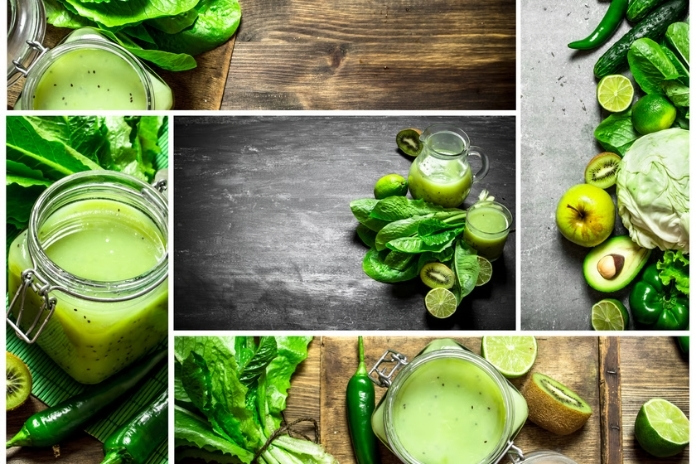
If you’ve spent any time on food-focused social media lately, you’ve likely come across a liquid salad. It is a deep green drink made by blending spinach, cucumber, herbs, and other vegetables. The concept sounds either efficient or slightly extreme, depending on how you feel about greens. But this isn’t a juice cleanse or a typical smoothie trend. A liquid salad sits in its own category, and unlike many wellness fads, the idea behind it is grounded in basic nutrition science.
So, what is a liquid salad exactly? At its core, it’s a blended drink made almost entirely from vegetables, with no fruit or added sweeteners. It is essentially a salad in a glass. That distinction matters more than it seems, especially when comparing it to green smoothies or juices.
What makes this concept worth paying attention to isn’t its uniqueness, but its practicality. Most people know they should eat more vegetables, yet struggle to do so consistently.
In this article, we’ll break down how a liquid salad works, understand liquid salad vs. green smoothie differences, look at what blending does to nutrients and fiber, and walk through a simple liquid salad recipe framework you can actually stick to.
- A liquid salad is a blended, vegetable-only drink that retains fiber, keeps sugar low, and functions more like a drinkable salad than a smoothie or juice.
- Blending preserves most nutrients and may even improve absorption of some compounds, though liquid salads are slightly less filling than whole vegetables.
- Their biggest benefit is practicality, delivering 2–3 cups of vegetables quickly, helping address the widespread gap in daily vegetable intake.
Read More: Iron-Rich Leafy Green Salad: Combat Anemia Deliciously
What Is a Liquid Salad, Actually?
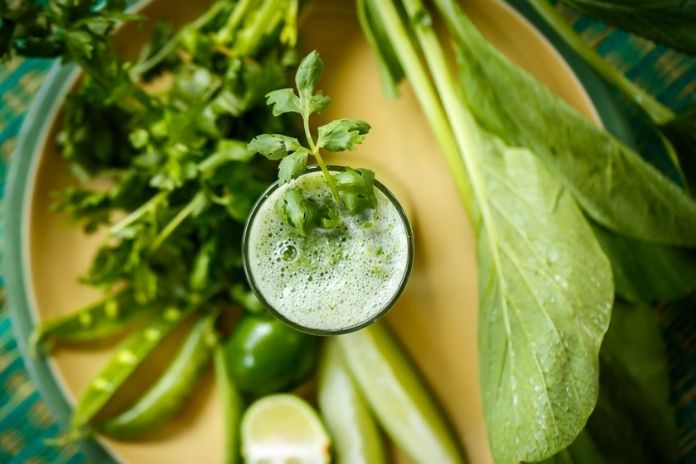
A liquid salad is exactly what it sounds like: a traditional salad, blended into a drinkable form. But the defining feature isn’t just that it’s blended; it’s that it stays true to the structure of a real salad.
Unlike smoothies, which are often built around fruit for sweetness, a liquid salad relies entirely on vegetables and savory ingredients. There’s no banana to soften the flavor, no berries to make it sweet. Instead, it mimics how a salad is built: acidity from lemon juice or vinegar, richness from healthy fats like avocado or olive oil, and depth from herbs, garlic, or ginger.
The taste reflects that structure. It’s bright, slightly tangy, sometimes mildly bitter depending on the greens, and balanced in the same way a vinaigrette-dressed salad would be. Common liquid salad ingredients include spinach, kale, romaine, cucumber, celery, parsley, mint, avocado, lemon juice, and a liquid base like water or vegetable broth.
The result isn’t a “healthy drink” in the smoothie sense. This is literally a salad you can drink.
Liquid Salad vs Green Smoothie vs Juice
The difference between these three is more than just the appearance. It lies in the way it affects nutrition, satiety, and blood sugar response.
Green Smoothie: A green smoothie is typically designed for taste and convenience. It blends leafy greens with fruits such as banana, mango, or berries, often creating a naturally sweet drink. While nutritious, it usually contains more natural sugar and can be calorie-dense.
Green Juice: Juicing takes a different approach by extracting liquid and discarding the pulp. This process removes fiber almost entirely, leaving behind a concentrated source of vitamins but reducing satiety and changing how quickly sugars are absorbed.
Liquid Salad: A liquid salad is fundamentally different from both. It blends whole vegetables, meaning all the fiber remains intact, and it avoids fruit, keeping sugar content very low. Flavor comes from acid, herbs, and fats rather than sweetness. This makes the liquid salad vs. green smoothie comparison especially important for people looking to reduce sugar intake or improve blood sugar control.
Since it contains no fruit, a liquid salad has a very low glycemic impact, making it a more stable option compared to fruit-heavy smoothies.
Read More: Beyond Salad: Surprising Mediterranean Foods That Help Burn Deep Belly Fat
What Blending Actually Does — and Doesn’t Do — to Vegetables
The Fiber Fact And The Bioavailability Nuance
A common concern is whether blending reduces the nutritional value of vegetables. In most cases, it doesn’t.
Fiber: Fiber remains fully intact. Blending breaks vegetables down mechanically, but it does not remove fiber. This is a critical distinction from juicing. When you drink a liquid salad, you’re still consuming the same fiber found in whole vegetables.
Vitamins: Vitamin retention is also largely unaffected. While some water-soluble vitamins like vitamin C can degrade with prolonged exposure to heat or air, the short blending process causes minimal loss. Drinking your liquid salad soon after preparing it further preserves these nutrients.
Bioavailability Upside: There may even be a small advantage. Blending disrupts plant cell walls, which can make certain compounds, particularly carotenoids like beta-carotene, slightly more accessible for absorption. To take advantage of this, adding a source of fat such as avocado, olive oil, or tahini is important, as fat helps absorb vitamins A, E, and K.
The Honest Tradeoff: Drinking vegetables is faster than eating them, and it doesn’t engage chewing or the same satiety signals. As a result, liquid salads may be slightly less filling than whole vegetables. This is why they complement meals well and are not a complete replacement.
The Strongest Argument for Liquid Salads—the Vegetables Problem

The real value of a liquid salad isn’t that it’s superior to eating vegetables. The significant benefit is how easily you can consume all the vegetables in one go.
Data shows that about 90% of U.S. adults fail to meet daily vegetable intake recommendations. The issue isn’t awareness; it’s consistency. Preparing vegetables regularly takes time, effort, and planning, which makes it easy to fall short.
A liquid salad reduces that friction significantly. In just a few minutes, you can blend and consume 2–3 cups of vegetables, which is enough to meet or exceed daily recommendations in a single serving.
For someone who would otherwise eat very few vegetables in a day, that’s a meaningful shift. In that context, the benefit isn’t optimization; it’s accessibility.
How to Make a Liquid Salad That Actually Tastes Good
The Five-Element Framework
Knowing how to make a liquid salad is less about following a strict recipe and more about understanding balance. Most bad liquid salads fail because they’re missing one key element.
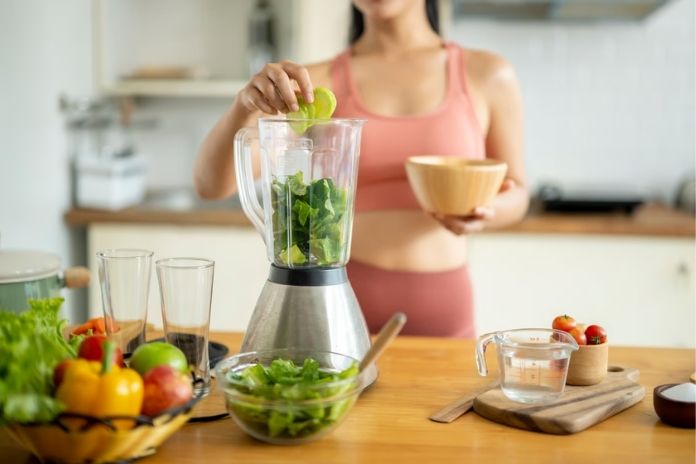
- Liquid Base: Start with a liquid base. Though water works, a light vegetable broth adds depth and makes the drink taste more like a savory dish. Then add a creamy component, such as avocado, tahini, or even cucumber, to improve texture and support nutrient absorption.
- An Acid Element: Acidity is essential. Lemon juice, lime juice, or apple cider vinegar transforms the flavor, making it taste like a dressed salad rather than blended greens. This is often the difference between something drinkable and something you can avoid.
- A Flavor Anchor: Next comes a flavorful ingredient. Garlic, ginger, or fresh herbs like parsley, mint, or basil give the drink its taste. Finally, add your greens; spinach is the mildest and easiest starting point, while kale and arugula bring more intensity.
Blend everything until smooth, add a pinch of salt, and adjust acidity as needed. Most of the time, a liquid salad that tastes “off” simply needs more seasoning.
If you’re looking for a simple liquid salad recipe, think in terms of this structure rather than exact measurements; it’s far more adaptable and sustainable.
Who Benefits Most and What to Watch For
Liquid salads are particularly helpful for people who consistently under-eat vegetables, want a low-sugar alternative to smoothies, or are trying to manage blood sugar levels without eliminating convenient options.
Because they’re vegetable-based and fiber-rich, they offer a way to increase intake without the glycemic spikes that can come with fruit-heavy drinks.
That said, variety still matters. Some greens, especially spinach and kale, are higher in oxalates. For most people, this isn’t an issue in moderate amounts, but consuming large quantities daily from the same sources may not be ideal. Rotating ingredients, including romaine, cucumber, celery, and herbs, helps maintain balance and diversify nutrient consumption.
Read More: Immune-Boosting Citrus Salad: Spinach, Berries, and Almonds Galore
Conclusion
The liquid salad may look like a modern wellness trend, but the idea behind it is simple and practical. Blending vegetables preserves their fiber, retains most of their nutrients, and makes it possible to consume multiple servings in minutes.
It’s not a replacement for eating whole foods, and it’s not a shortcut to perfect nutrition. What it offers is something more realistic, a low-effort way to consistently eat more vegetables in a world where most people struggle to do exactly that.
References
- National Center for Biotechnology Information. (2024). Dietary fiber and its role in human health. National Center for Biotechnology Information.
- Slavin, J. L. (2019). Dietary fiber and body weight. Taylor & Francis
- National Center for Biotechnology Information. (2020). Health benefits of fruits and vegetables. National Center for Biotechnology Information.
- Love and Lemons. (n.d.). Green smoothie recipe.
- Best of Vegan. (n.d.). Green salad juice.
In this Article