



















Most people assume meaningful exercise requires a gym, a block of free time, or at least a decent pair of running shoes. What they often overlook is the short stretch between their car and the office, or the staircase they pass every morning.
A growing body of research now shows that a brisk 10-minute walk delivers measurable cardiovascular, metabolic, and mortality benefits, particularly for people who are currently sedentary. The science behind the 10-minute brisk walk benefits has shifted the conversation away from all-or-nothing exercise frameworks toward something more useful: a starting point almost anyone can manage.
This article covers what the research actually says, why the physiology behind a short brisk walk matters, who stands to benefit most, and how to make those 10 minutes count.
- A meta-analysis of over 30 million participants found that 75 minutes per week of moderate activity, roughly 11 minutes per day, was associated with a 23% lower risk of early death.
- Brisk walking pace elevates endothelial shear stress, triggers nitric oxide release, and clears postprandial glucose through muscle action.
- The dose-response curve of physical activity is steepest at the low end. Moving from no activity to a small amount delivers the largest relative health improvement.
- People with sedentary jobs, metabolic risk factors, or limited time stand to gain the most from consistently adding even one brisk walk per day.
Read More: How Daily Steps Impact Health and Fitness Goals
What Does the “7% Survival Boost” Mean?

The 7% figure comes from a 2023 meta-analysis published in the British Journal of Sports Medicine, led by the MRC Epidemiology Unit at the University of Cambridge. The team pooled data from 196 peer-reviewed articles covering more than 30 million participants across 94 large study cohorts.
They found that 75 minutes per week of moderate-intensity physical activity, such as brisk walking, was associated with a 7% lower risk of cancer and a 17% lower risk of cardiovascular disease compared to those who were largely inactive. All-cause mortality risk fell by 23% at that threshold. A modest weekly walking routine has been associated with a meaningful decrease in mortality risk.
As Professor James Woodcock, Professor of Transport and Health Modelling at the MRC Epidemiology Unit, University of Cambridge, explained, “We know that physical activity, such as walking or cycling, is good for you, especially if you feel it raises your heart rate. But what we’ve found is there are substantial benefits to heart health and reducing your risk of cancer even if you can only manage 10 minutes every day.”
These are observational findings. The studies cannot prove that walking directly causes these risk reductions, and unmeasured confounders may partly explain the associations. But the consistency across tens of millions of participants across dozens of countries makes the relationship difficult to dismiss.
Why the First 10 Minutes of Activity Matter Most
The dose-response relationship between physical activity and all-cause mortality is not a straight line. It curves steeply at the low end, then flattens. The implication: the largest relative health gains come from making any transition, from sedentary to lightly active.
A 2023 narrative review in the Journal of Science and Sport, led by Professor Ulf Ekelund of the Norwegian School of Sport Sciences, concluded that physical activity consistently reduces mortality and disease risk across intensities, with more pronounced effects at lower volumes.
The person going from zero to 70 minutes per week gains more relative risk reduction than the person going from 150 to 220 minutes per week.
Early increases in physical activity provide the largest relative benefit. Framing exercise as something that requires large time blocks creates barriers for people who have the most to gain. For someone currently doing nothing, a single daily brisk walk may represent their most impactful health decision.
What Counts as a Brisk Walk?
Brisk walking sits at the lower boundary of moderate-intensity exercise, typically defined as activity that noticeably raises heart rate and breathing without making sustained conversation impossible. A practical pace is roughly 3 to 4 miles per hour for most adults, though what feels brisk varies by age and baseline fitness.
The most reliable test is the talk test: during a brisk walk, you should be able to speak in complete sentences but not sing comfortably. If conversation requires no extra effort, you are strolling. If full sentences feel difficult, the pace has tipped toward vigorous.
On the Borg Perceived Exertion Scale of 6 to 20, brisk walking typically corresponds to 12 to 13, described as “somewhat hard.” Brisk pace changes physiological responses compared to casual strolling, and that distinction determines whether the walk qualifies as moderate-intensity activity by CDC and WHO standards.
What Happens in Your Body During a 10-Minute Brisk Walk
Improved Blood Vessel Function and Nitric Oxide Release
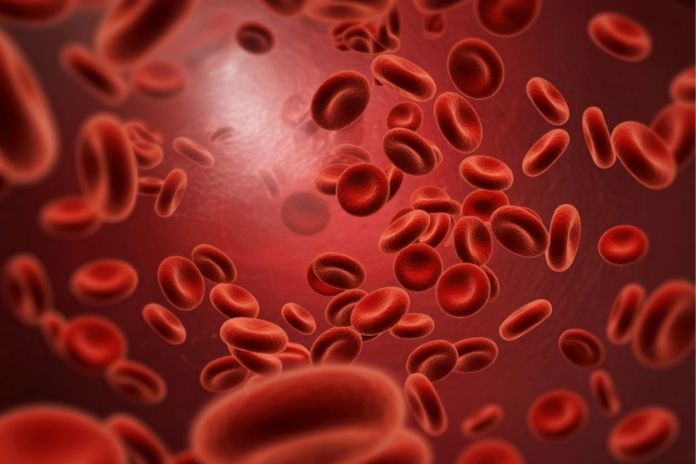
When you walk briskly, blood flow to working muscles increases substantially. That flow creates shear stress along vessel walls, stimulating endothelial cells to produce nitric oxide via endothelial nitric oxide synthase. Nitric oxide causes arterial smooth muscle to relax, allowing vessels to dilate and blood to move more freely.
A 2024 narrative review in MDPI Life Sciences confirmed that ambulatory exercise drives increases in eNOS activity, helping protect vessels from the inflammatory processes that initiate atherosclerosis. Short walking bouts can temporarily improve vascular function. Repeated consistently, even brief sessions build lasting endothelial adaptations that measurably lower cardiovascular risk.
Better Postprandial Glucose Control
Working muscles pull glucose out of the bloodstream through GLUT4 transporter activity, independently of insulin, which is a direct metabolic benefit for people with insulin resistance or prediabetes.
A 2025 randomized crossover study in Scientific Reports found that a 10-minute walk taken immediately after glucose ingestion produced significantly lower 2-hour glucose levels and a meaningfully lower peak glucose concentration compared to sitting.
Walking after meals can support metabolic health, and the 10-minute post-meal walk performed comparably to a 30-minute walk taken later, confirming that timing matters at least as much as duration.
Lymphatic Circulation Support
The lymphatic system has no dedicated pump. It depends on skeletal muscle contractions to propel lymph fluid through its vessels. Walking engages large lower-limb muscle groups rhythmically, creating the pressure changes that drive lymph flow back into systemic circulation and transport immune cells throughout the body.
Movement assists lymphatic drainage, which lacks a central pump. Sedentary behavior impairs this flow; even moderate walking restores the mechanical conditions that keep the lymphatic system working properly.
How a 10-Minute Walk Compares to Other Lifestyle Changes
Short daily walks compare favorably to many other health interventions on accessibility, cost, and breadth of benefit. They require no equipment, no membership, and no learning curve. They work across nearly every age group and fitness level.
Dr. Andrew Freeman, MD, FACC, Director of Cardiovascular Prevention and Wellness at National Jewish Health in Denver and Associate Professor of Medicine, has noted that regular exercise simultaneously benefits vascular function, cholesterol, and cancer risk.
As he explained when commenting on brisk walking research for CNN: “When people are exercising regularly, blood vessels can relax and dilate a bit better. And then we also know that exercise is quite good for cholesterol, so it seems to lower cholesterol, and then overall, it reduces the risk of cancer and things that would otherwise hurt people.”
Short daily walks can provide measurable benefits alongside other health habits. They are most powerful when they replace sedentary behavior, not when simply added on top of an already active life.
Read More: Cycling vs. Running: Which One Burns More Calories?
How to Get the Most From Your 10-Minute Brisk Walk
Walk after your largest meal. Timing a brisk walk within 10 to 30 minutes of eating maximizes postprandial glucose clearance, as muscles are primed to take up circulating sugar during active contraction. Add brief inclines or stairs to elevate heart rate without extending duration.
Even a gentle uphill grade engages the posterior chain in ways that flat-surface walking does not. Use phone calls as walking triggers. Taking calls while walking converts passive seated time into moderate-intensity activity without adding anything to the calendar. Small adjustments can increase the intensity and benefits of a standard 10-minute walk considerably.
When to Fit a 10-Minute Walk Into Your Day

The midday energy slump between 1 and 3 PM is one of the most productive windows: light exposure and movement counteract afternoon fatigue more effectively than caffeine, and a post-lunch walk aligns with postprandial glucose management.
For commuters, parking further away or exiting one transit stop early integrates brisk walking into their existing routine without any dedicated scheduling. Evening walking after dinner supports digestion and helps regulate circadian signals that promote better sleep.
Who Benefits Most From Short Brisk Walks
Sedentary individuals transitioning into any physical activity benefit the most in relative terms due to the steep dose-response curve at low activity levels. Older adults gradually find brisk walking accessible; its low-impact nature allows increasing effort over time without the injury risk of higher-impact exercise.
People managing cardiometabolic risk factors, elevated fasting glucose, borderline blood pressure, or mild dyslipidemia stand to gain substantial ground from consistent short daily walking benefits.
Dr. Wei Zheng, MD, PhD, MPH, Anne Potter Wilson Professor of Medicine and Director of the Vanderbilt Epidemiology Center, put the population-level case plainly after publishing his team’s 2025 study in the American Journal of Preventive Medicine: “Brisk walking offers a convenient, accessible and low-impact activity that individuals of all ages and fitness levels can use to improve general health and cardiovascular health specifically.”
His study of nearly 80,000 participants found that brisk walking for as little as 15 minutes per day was associated with nearly a 20% reduction in total mortality over a 17-year follow-up.
Is 10 Minutes Enough on Its Own?
Ten minutes of brisk walking per day is a strong, evidence-backed starting point, not a complete fitness program. WHO guidelines recommend 150 to 300 minutes of moderate-intensity activity per week, and reaching the full threshold provides additional protection beyond what 70 to 75 minutes per week delivers. The goal for most sedentary adults should be to use a consistent 10-minute walk as a foundation and build from it.
Extending walks by 5 minutes weekly, or adding a second short walk once the habit is established, compounds the benefit without requiring significant lifestyle restructuring. Adding strength training addresses muscle mass preservation that brisk walking alone does not cover.
Short walks provide benefits, but additional activity can further improve health. The distinction between “enough to make a real difference” and “a complete exercise program” matters.
When to Use Caution
People with joint pain should prioritize a pain-free pace over speed. Softer surfaces, such as grass or rubberized tracks, reduce joint impact compared to concrete. Beginners who have been completely sedentary for years should start with five minutes at a comfortable pace and build from there over two to three weeks.
People with cardiovascular disease, uncontrolled hypertension, poorly managed diabetes, or recent surgeries should seek clearance from a healthcare provider. Anyone experiencing chest pain, dizziness, severe shortness of breath, or palpitations during walking should stop and seek medical evaluation promptly.
Read More: Why Sitting Too Much Can Trigger Inflammation (Even If You Exercise Regularly)
Key Takeaway
A brisk 10-minute walk is not a consolation prize for people who cannot manage a full workout. It is a physiologically meaningful form of moderate-intensity activity that triggers endothelial nitric oxide release, reduces postprandial glucose, and supports lymphatic circulation.
At the population level, it is associated with meaningfully lower rates of cardiovascular disease, cancer, and all-cause mortality. What this really means is simple. Your body does not require perfect routines or hour-long sessions to start adapting. It responds to consistent, repeatable signals.
A 10-minute brisk walk delivers that signal. It improves vascular function in real time, helps your body handle blood sugar more efficiently after meals, and keeps circulation active in ways that sedentary behavior simply cannot.
For people moving away from inactivity, this matters even more. The gap between doing nothing and doing something small is where the biggest health shift happens. A single 10-minute walk may seem insignificant, but repeated daily, it compounds into measurable improvements in energy levels, metabolic health, and long-term disease risk.
Over weeks and months, it builds a baseline of movement that makes longer or more intense activity feel less intimidating and more sustainable. There is also a behavioral advantage here that often gets overlooked. A 10-minute walk feels doable on almost any day. It fits between meetings, after meals, or into moments that would otherwise be spent sitting. That low barrier is exactly why it works. Consistency beats intensity when intensity is unsustainable.
So instead of treating it as a fallback option, it makes more sense to see it as a foundation. Something you can rely on daily, regardless of motivation, schedule, or fitness level. Because when the evidence is this consistent and the effort required is this manageable, the question is not whether it is enough. The question is whether you are using it often enough to let the benefits add up.
Frequently Asked Questions
1. What qualifies as a brisk walk?
Brisk walking is moderate-intensity walking that raises heart rate and breathing noticeably without making conversation impossible. Most people achieve this at around 3 to 4 mph. The simplest test: you should be able to speak in full sentences but not sing comfortably. On the Borg Perceived Exertion Scale of 6 to 20, aim for 12 to 13.
2. Is 10 minutes of walking a day enough to improve health?
Yes, particularly for currently sedentary adults. Research from the MRC Epidemiology Unit at Cambridge found that about 75 minutes per week of moderate activity, roughly 11 minutes per day, was associated with a 23% lower risk of early death and a 17% lower risk of cardiovascular disease compared to inactivity.
3. What is the best time of day to walk for blood sugar control?
After meals. Walking within minutes of finishing a meal helps muscles clear glucose before blood sugar peaks. A 2025 study in Scientific Reports found that a 10-minute walk immediately after glucose ingestion significantly lowered both peak blood glucose and 2-hour glucose levels compared to sitting.
4. How does brisk walking differ from slow walking in terms of health outcomes?
Pace matters considerably. Vanderbilt University research published in the American Journal of Preventive Medicine found that brisk walking for 15 minutes per day was associated with nearly a 20% reduction in mortality risk, while slow walking for more than three hours per day showed only a 4% reduction.
5. Can older adults with joint problems still benefit from brisk walking?
Yes, with appropriate pacing. Brisk is relative to individual fitness. The key is achieving an effort level that noticeably elevates heart rate and breathing. Softer surfaces and shorter strides can reduce joint impact while maintaining health-beneficial intensity.
References
- Garcia, L., Pearce, M., Abbas, A., Mok, A., Strain, T., Ali, S., Crippa, A., Dempsey, P. C., Golubic, R., Kelly, P., Laird, Y., McNamara, E., Moore, S., de Sa, T. H., Smith, A. D., Wijndaele, K., Woodcock, J., & Brage, S. (2023). Non-occupational physical activity and risk of cardiovascular disease, cancer and mortality outcomes: A dose-response meta-analysis of large prospective studies. British Journal of Sports Medicine, 57(16), 992-1000.
- Liu, L., Jia, G., Shrubsole, M. J., Wen, W., Warren Andersen, S., Sudenga, S. L., & Zheng, W. (2025). Daily walking and mortality in racially and socioeconomically diverse U.S. adults. American Journal of Preventive Medicine.
- Hashimoto, K., Dora, K., Murakami, Y., & Kume, S. (2025). Positive impact of a 10-min walk immediately after glucose intake on postprandial glucose levels. Scientific Reports, 15(1).
- Engeroff, T., Groneberg, D. A., & Wilke, J. (2023). After dinner, rest a while, after supper walk a mile? A systematic review with meta-analysis on the acute postprandial glycemic response to exercise before and after meal ingestion. Sports Medicine, 53(4), 849-869.
- Ekelund, U., Sanchez-Lastra, M. A., Dalene, K. E., & Tarp, J. (2024). Dose-response associations, physical activity intensity and mortality risk: A narrative review. Journal of Science and Sport, 13(1), 24-29.
- Bellini, A., Nicolò, A., Bazzucchi, I., & Sacchetti, M. (2022). The effects of postprandial walking on the glucose response after meals with different characteristics. Nutrients, 14(5), 1080.
- Staufenbiel, S. M., & colleagues. (2024). Is it possible to train the endothelium? A narrative literature review. Life, 14(5), 616.
- Haselwood, S. (2025, January 2). Your body changes in fascinating ways during the first 10 minutes of exercise.
- Festa, F., et al. (2024). The positive impact of physical activity on cognition and brain function.
- In Fitness And In Health. (n.d.). Why the first 10 minutes of a workout suck.
- Utah State University Extension. (n.d.). Health benefits of adding just 10 minutes of exercise in your day.
- Heart and Stroke Foundation of Canada. (n.d.). What 10 minutes of physical activity can do for you.
- Centers for Disease Control and Prevention. (n.d.). Benefits of physical activity.
In this Article