




















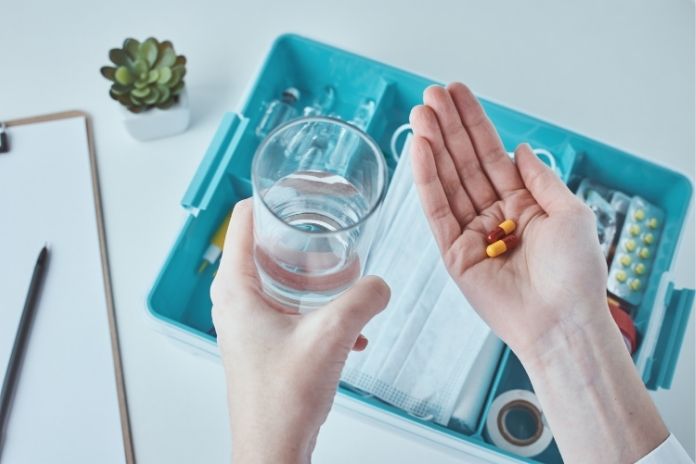
You set your alarm, take your medication, and assume the job is done. But whether that medication actually works the way it should depends on what happens in the next hour. After you swallow a pill, your body still has to absorb it, process it, and move it into your bloodstream at the right level.
That process is sensitive. What you eat, drink, or do during that time can quietly interfere.
Coffee can increase the speed at which substances pass through your digestive system. Juice can block the proteins that help drugs get absorbed. Supplements can compete with medications for the same pathways. Even exercise can temporarily shift blood flow away from your digestive system.
These are not rare or unusual situations. They are well-studied effects in pharmacology.
For some medications, this variation does not make much difference. For medications like thyroid medicines, blood pressure drugs, statins, and antibiotics, these small habits can reduce their effectiveness or increase side effects over time.
Note: Not every interaction applies to every medication or person. Before changing how or when you take a prescription drug, it is always best to check with your doctor or pharmacist.
In this article, we will discuss the interactions below that are clinically proven, but the best timing depends on your specific medication, dose, and health condition. A pharmacist can look at your full routine, including supplements and daily habits, and help you adjust it safely.
Read More: Drugs to Avoid with Shellfish Allergy: What’s Safe and What’s Not
- What you do in the hour after taking medication can directly affect how well it is absorbed and how effectively it works.
- Everyday habits like drinking coffee, taking supplements, or using juice instead of water can interfere with medication absorption and action.
- Most of these issues can be fixed with simple timing changes, such as spacing out coffee, food, and supplements from your medication.
1. Having Coffee Right Before (or After) Your Thyroid Medication

The Habit:
Taking levothyroxine with coffee or reaching for coffee shortly after taking it.
Why it’s a Problem:
Levothyroxine is one of the most time-sensitive medications that is commonly used. It needs a very specific environment in the stomach and small intestine to be absorbed properly.
Coffee, even decaffeinated coffee, can significantly reduce the amount of drug your body absorbs. In some cases, absorption can drop by up to half when coffee is taken too close to the dose.
There are a few reasons for this effect. Caffeine accelerates gastrointestinal motility, causing the medication to spend less time in the primary absorption area and potentially reducing its effectiveness. At the same time, compounds in coffee can bind to the medication in the stomach, reducing the amount available for absorption.
This effect does not cause immediate symptoms, so it often goes unnoticed. Instead, it creates a slow, chronic underdosing effect. Over time, symptoms such as fatigue, weight gain, constipation, and feeling unusually cold can return. Blood test results may also fluctuate, which can lead to unnecessary dose adjustments.
The Fix:
Take levothyroxine with a full glass of water on an empty stomach, ideally right after waking up. Wait at least 60 minutes before having coffee or eating.
If this routine is difficult to maintain, it is worth discussing other options with your doctor, such as the medication at bedtime or using a different formulation.
2. Drinking Grapefruit Juice (Even the Night Before)

The Habit:
Drinking grapefruit juice with breakfast or even the evening before taking certain medications.
Why it’s a Problem:
Grapefruit contains compounds that block an enzyme in your gut called CYP3A4. This enzyme normally acts as a filter, breaking down part of many medications before they enter your bloodstream.
When this enzyme is blocked, more of the medication passes into your system than intended. Such an event can lead to higher drug levels and a greater risk of side effects.
For example, with certain statins, the interaction can increase the risk of muscle injury. With some blood pressure medications, it can lead to an excessive drop in blood pressure. In rare cases, the effects can become serious.
What makes this interaction tricky is that it lasts a long time. The enzyme stays blocked for more than 24 hours after a single serving of grapefruit, so timing it differently does not fully solve the problem.
In some cases, grapefruit can also reduce the absorption of certain medications by blocking transport proteins instead of enzymes.
The Fix:
If your medication is known to interact with grapefruit, complete avoidance is usually the safest approach. Spacing it out by a few hours is not enough to prevent the interaction.
Read More: Healthy Water Flavoring: What to Add (and What to Avoid)
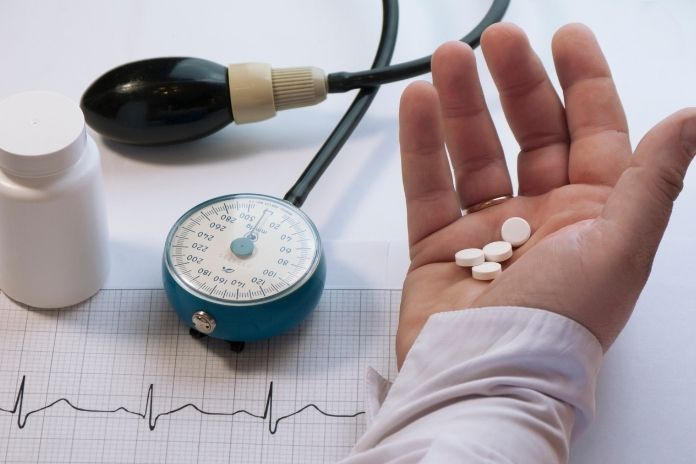
3. Washing Down Your Blood Pressure Medication With Coffee
The Habit:
Take your blood pressure medication at the same time as your morning coffee.
Why it’s a Problem:
Caffeine stimulates the nervous system and causes blood vessels to tighten slightly. This leads to a temporary increase in blood pressure and heart rate that can last for several hours.
If you take medications to lower your blood pressure, caffeine can create a competing effect in your body; while the medication works to bring your pressure down, caffeine pushes it up.
In addition, coffee may affect how some medications are absorbed or how they act on the cardiovascular system. The overall effect is usually modest, but it can be enough to make blood pressure harder to control, especially in people who are already close to their target levels.
The Fix:
Try to separate your medication and coffee by at least 1 hour. If your blood pressure readings vary from day to day, adjusting caffeine timing is a simple step that can sometimes make a noticeable difference.
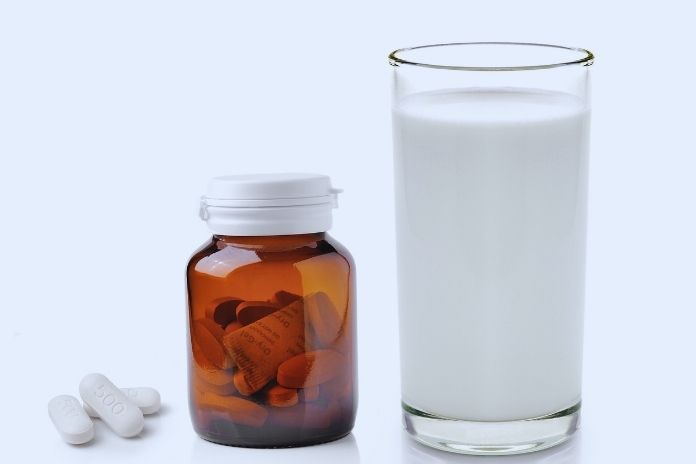
4. Taking Your Iron Supplement With Milk, Coffee, or a High-Fiber Breakfast
The Habit:
Taking iron supplements along with dairy products, coffee, tea, or a high-fiber meal.
Why it’s a Problem:
Iron is particularly sensitive to what is taken with it. Calcium in dairy products directly competes with iron for absorption in the intestine. Coffee and tea contain compounds that bind to iron and make it harder for your body to absorb.
Fiber can also interfere by trapping iron and moving it through the digestive system before it has time to be absorbed. Antacids make the environment less acidic, which further reduces iron absorption.
These effects can significantly slow down recovery from iron deficiency. Even if you are taking the right dose, your body may not be getting enough of it. As a result, symptoms such as fatigue, weakness, and low energy can continue longer than expected.
The Fix:
Take iron on an empty stomach with water. Pairing it with vitamin C can improve absorption.
Wait at least 30 minutes before eating, and avoid calcium-rich foods or supplements for at least 2 hours.
5. Stacking Your Morning Supplements With Your Medication

The Habit:
Taking medications at the same time as calcium, magnesium, zinc, iron, or multivitamins.
Why it’s a Problem:
Many of these minerals use the same pathways to be absorbed in the intestine. Taking them together can reduce how much of each one your body absorbs.
More importantly, some minerals can bind directly to medications and form complexes that your body cannot absorb at all. This is especially important for thyroid medication and certain antibiotics, where absorption can drop sharply when taken with mineral supplements.
Herbal supplements can also affect enzymes in the liver that are responsible for processing medications, which can change how long drugs stay active in your body.
The Fix:
Take medications and mineral supplements at least 2 hours apart. For thyroid medications and antibiotics, it is safer to leave about 4 hours between them.
Always include supplements when discussing your routine with your pharmacist, since they can have real effects on how medications work.
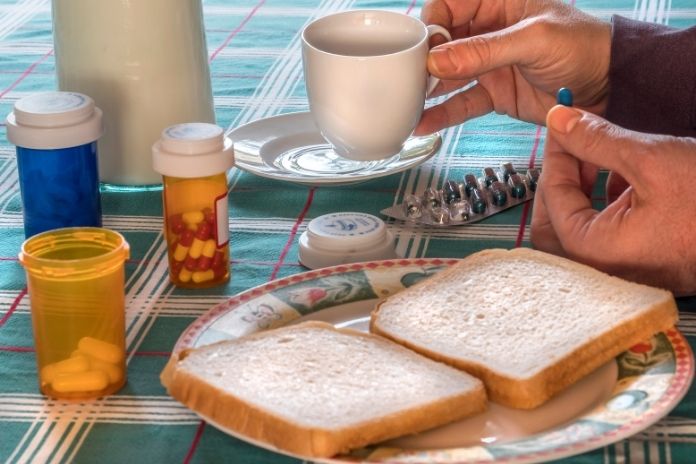
6. Eating a High-Fat Breakfast Immediately Before or After Medication
The Habit:
Eating a large, high-fat meal right before or after taking medication that is meant to be taken on an empty stomach.
Why it’s a Problem:
Some medications rely on an empty stomach for proper absorption. For example, alendronate is absorbed in tiny amounts even under ideal conditions, and food reduces that even further.
High-fat meals slow down how quickly the stomach empties. This can delay or reduce how much of the medication is absorbed. Thyroid medications are also affected similarly.
At the same time, some medications are designed to be taken with food to improve absorption or reduce stomach irritation. This is why instructions can differ from one drug to another.
The Fix:
Follow the instructions closely. If the label says to take it on an empty stomach, take it 30 to 60 minutes before eating. If it says to take it with food, make sure you do so consistently.
7. Swapping Out Plain Water for Juice

The Habit:
Taking medication with fruit juice instead of plain water.
Why it’s a Problem:
Fruit juices are chemically active and can interact with medications in different ways. Some juices block transport proteins that help drugs move into your bloodstream, while others affect how drugs are processed.
For example, orange juice can reduce the absorption of some allergy medications. Apple juice can interfere with certain antibiotics. Cranberry juice can increase the effects of blood thinners, raising the risk of bleeding.
These changes are not always obvious right away, but they can affect both how well the medication works and how safe it is over time.
The Fix:
Take medications with a full glass of water unless you are told otherwise. If swallowing pills is difficult, ask your doctor or pharmacist about alternative forms such as liquids or dissolvable tablets.
8. Doing an Intense Workout Immediately Before Taking Medication
The Habit:
Finishing a vigorous workout and then taking your medication right away.
Why it’s a Problem:
During intense exercise, your body redirects blood flow away from your digestive system and toward your muscles. This means less blood is available to absorb medications from your gut.
As a result, absorption can be delayed or reduced. This matters most for medications that need steady levels in the bloodstream or have a narrow safety range.
Exercise also temporarily increases heart rate and blood pressure, which may interfere with certain cardiovascular medications.
The Fix:
Allow your body some time to return to normal after an intense workout session. Waiting 5-15 minutes before taking your medication is usually enough for low- to moderate-intensity exercise.
Read More: Research Shows Correlation Between Diabetes Drugs and Heart Toxicity
Conclusion
Taking your medication is not just about remembering the dose. What you do around that time plays a direct role in how well it works.
The encouraging part is that most of these interactions are easy to manage. You do not need to completely change your routine. Small adjustments like spacing out coffee, separating supplements, or slightly shifting timing can make a meaningful difference in the impact the medications have on your body.
References
- National Center for Biotechnology Information. (2018). Medication timing and recovery interventions.
- GoodRx. (n.d.). Foods that cause medication interactions.
- National Center for Biotechnology Information. (2018). Drug interactions and absorption considerations.
- Pillō. (n.d.). Medication and coffee: How long to wait.
- BuzzRx. (n.d.). The truth behind coffee and thyroid medication.
- WebMD. (n.d.). Caffeine.
In this Article