


















Many people who experience excruciating skin flare-ups frequently question whether they have an infection or whether their cleanliness practices are aggravating the condition. There is a widespread assumption that using stronger antibacterial treatments or washing the area multiple times could help.
In this article, we will clearly explain hidradenitis suppurativa causes, debunk the myth behind cleanliness, and explore the real biological drivers of the condition.
We will also cover whether hidradenitis suppurativa is caused by poor hygiene, the role of immune dysfunction, how hidradenitis suppurativa bacteria fit into the picture, and why this condition is not contagious.
- HS isn’t caused by poor hygiene – it’s an inflammatory condition driven by immune dysfunction, not dirt or lack of cleanliness.
- Bacteria are secondary, not the cause – they appear after inflammation starts, which is why antibiotics don’t cure HS.
- Triggers matter more than washing – factors like smoking, obesity, hormones, and friction play a bigger role in flare-ups.
Read More: Top 8 Antibiotic Creams for Hidradenitis Suppurativa (Dermatologist-Approved)
What Is Hidradenitis Suppurativa?
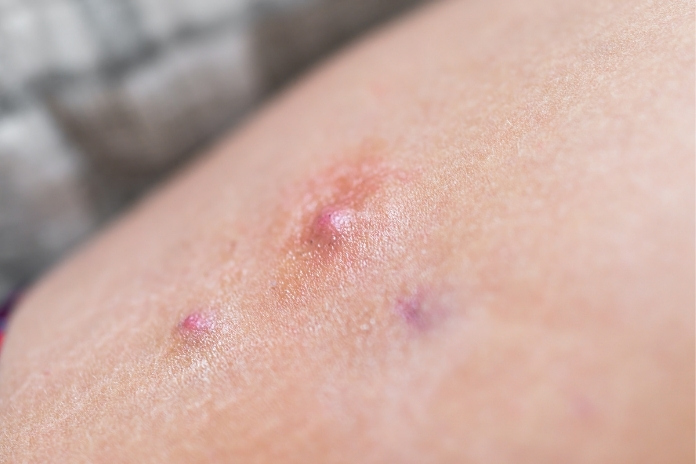
Hidradenitis suppurativa (HS) is a long-term skin condition. Acne inversa is another term for it. It results in uncomfortable lumps beneath the skin that resemble boils. It frequently affects areas such as your groin and armpits, where the skin rubs against itself.
The lumps start to hurt and get inflamed. They frequently rupture, leading to pus- and fluid-draining abscesses. The skin may become scarred while the abscesses heal.
Hidradenitis suppurativa can cause excruciating pain. The following part of the skin generates lumps:
- Around the genitalia and groin
- Under the armpits
- Around the anus and on the bottom
- Beneath the breasts
- Additionally, the inner thighs, waistline, and nape of the neck may develop lumps
Bacteria may infect some of the lumps, resulting in a secondary infection that requires antibiotic treatment.
Is Hidradenitis Suppurativa Caused by Poor Hygiene?

One of the most persistent myths is the question: Is hidradenitis suppurativa caused by poor hygiene? The answer is no.
An overactive immune system causes HS, and it is unrelated to cleanliness. Poor hygiene is not the cause of HS. Sweating excessively can aggravate pre-existing abscesses, but regardless of cleanliness, flare-ups can occur.
This misunderstanding fuels stigma around HS not caused by hygiene, leading many patients to overwash or use harsh soaps that actually worsen skin irritation.
Several factors keep the belief alive that hidradenitis suppurativa is caused by poor hygiene. Firstly, lesions frequently develop in regions linked to perspiration and body odor, which establishes a visual association with hygiene.
Secondly, early HS lesions may resemble illnesses or boils, supporting the theory that bacteria are to blame.
Bacteria are not the initial culprit in hidradenitis suppurativa, according to contemporary dermatology. Alternatively, after inflammation has started, bacteria may emerge as secondary colonists.
The Real Underlying Mechanism of HS
The inflammatory skin condition known as hidradenitis suppurativa (HS) is recurrent and persistent, often accompanied by uncomfortable symptoms. The axillary, inguinal, and anogenital regions of the body, which are abundant in apocrine glands, are the main locations affected by HS. Women are more likely than men to be afflicted, and young adults between the ages of 20 and 40 have the highest incidence rates (0.05–4%).
Inflammatory nodules, abscesses, and tunnels beneath the skin appear in patients with the degenerative illness. The Hurley staging system classifies HS severity: stage I is the least severe, stage II is moderate, and stage III is the most severe.
The molecular causes of HS are mostly unclear, even though several risk factors, such as inherited genetic mutations, hormonal state, obesity, and smoking, are known to be linked to the severity of the condition.
For individuals with Hurley late-stage II and stage III illnesses, surgery is still the best course of action.
According to comorbidity studies, patients with HS are much more likely to develop cutaneous squamous cell carcinoma (cSCC), among other illnesses. It is still unclear how precisely HS-associated epithelial keratinocytes change into cSCC.
Read More: When Dry Skin Turns Dangerous: How to Spot and Treat an Infection
Where Bacteria Actually Fit In

One of the most common misconceptions is that infection is the main cause of HS. Hidradenitis suppurativa bacteria actually play a minor role.
Once inflammation starts, bacteria frequently take over preexisting sores. For this reason, most medical recommendations classify HS as a non-infectious condition.
It is crucial to distinguish between hidradenitis suppurativa inflammation vs. infection. Inflammation is the primary cause, not infection.
Doctors occasionally prescribe antibiotics, but this is not because HS is bacterial. Antibiotics aid in the treatment of secondary bacterial infections and in reducing inflammation. It clarifies why a subsequent bacterial infection could happen but does not start the illness.
Many patients think that cleaning more often will make their symptoms go away. However, hygiene does not cause HS, so surface cleansing cannot stop deep follicular inflammation.
Strict cleaning might exacerbate irritation and harm the skin’s barrier. Dermatologists advise mild washing rather than vigorous scrubbing because of this.
Common Triggers That Are Not About Cleanliness
Several factors can influence the flare-ups, and none of them relate to dirt or improper washing.
Obesity: Losing weight can reduce severity of your symptoms, as obesity is a major risk factor for HS. Being overweight increases the strain on your skin, which can lead to boils, rashes, and inflammation.
Smoking: Quitting smoking may improve your skin’s overall health. Smoking is another significant cause of HS. Cigarette nicotine and other substances can aggravate HS symptoms by causing inflammation and skin damage.
Tight Clothes: Wearing tight clothing may also exacerbate the onset and intensity of HS symptoms.
Inflammation and the development of boils and pimples can result from friction and irritation caused by tight clothing.
Stress: Another factor that can exacerbate HS symptoms is stress. Stress triggers your body to release a variety of hormones that may impair your immune system and cause inflammation.
Hormonal Fluctuations: Hormonal fluctuations, especially in women, can potentially be a factor in HS flare-ups. Hormones such as estrogen and the testosterone can affect the oil gland and hair follicles, leading to inflammation and the development of boils and bumps.
Hygiene Habits: What Helps vs What Doesn’t
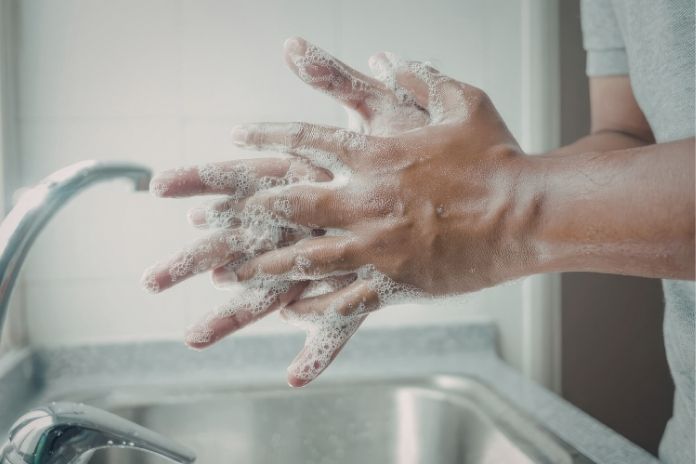
Basic hygiene is still important, but primarily in a supporting capacity. Although mild cleaning lessens surface discomfort, it doesn’t treat the underlying cause of the illness.
Strong antiseptics, frequent shaving, and harsh exfoliation can exacerbate symptoms and compromise the skin’s integrity.
The false belief that inadequate hygiene causes hidradenitis suppurativa frequently results in overtreatment at home, which can increase discomfort.
Read More: How to Avoid Fungal Infections: 7 Daily Habits That Protect Your Skin
How Understanding the Cause Changes Treatment
Discuss the advantages and disadvantages of the available treatments with your healthcare professional, as well as how to create a plan that works for you.
Your healthcare provider may prescribe one or more of the following medications:
Antibiotics: Doctors may apply a topical liquid or gel to treat minor symptoms. These medications are called topical antibiotics. Your doctor may prescribe antibiotic pills, such as doxycycline or Monodox, clindamycin or Cleocin, rifampin or Rimactane, or a combination of these medications, for more severe illness.
Steroid Injections: Injecting Kenalog-10 (triamcinolone acetonide) into the sores may reduce irritation and swelling.
Hormonal Therapy: People with mild hidradenitis suppurativa may benefit from hormone pills, such as estrogen-containing combined oral contraceptives like estradiol and estradiol/norgestimate.
Biologics: These medications, typically injected, alter the immune system to interfere with the disease cycle and reduce symptoms and indicators of illness within a matter of weeks.
Retinoids: For some patients with acne-like conditions, oral retinoids may be an option. Doctors do not advise taking these medications during pregnancy, while nursing, or when planning a pregnancy.
Surgery or other treatments:
Doctors can treat hidradenitis suppurativa using a combination of medicinal and surgical methods. When a tunnel, lump, or abscess is present, surgery is a crucial component of illness care.
Punch Debridement: Also known as restricted unroofing, this procedure involves removing one inflammatory bump.
Laser Therapy: Hidradenitis suppurativa sores can be treated with a carbon dioxide laser. It is unlikely that the sores will recur after this treatment.
Surgical Removal: Doctors may consider this option for those with severe or persistent symptoms, and they must remove all affected skin.
When to Seek Medical Guidance
Effective treatment for hidradenitis suppurativa depends on early diagnosis. Consult a dermatologist if you have:
- Is unpleasant
- Makes moving challenging
- Doesn’t get better after a few weeks
- Returns after a few weeks of therapy
- Appears in multiple places
- Flares frequently
Your dermatologist can make a treatment plan for you.
Read More: Why Is My Skin Suddenly Very Dry Even Though I Use Moisturizer — Underlying Reasons & What To Do
Is Hidradenitis Suppurativa Contagious?
The idea that HS is contagious is one of the biggest myths about it.
Is it possible to spread hidradenitis suppurativa? Hair follicles and sweat glands are main targets of HS, a complicated and long-lasting inflammatory skin disorder. Researchers believe that a combination of immune system dysfunction and genetic predisposition causes it, although they are still investigating the precise cause. In short, internal factors, rather than external agents or pathogens, cause hidradenitis suppurativa.
Healthcare professionals encounter difficulties beyond the general public’s lack of knowledge and understanding of HS. But debunking the infectious misconception is only one step toward increasing awareness about HS and enhancing the lives of those impacted by it. Information regarding “is hidradenitis suppurativa infectious, is essential for”:
Early Diagnosis: Raising awareness may lead to earlier diagnosis and action, potentially improving treatment outcomes.
Reducing Stigma: Because HS is a visible ailment, many people with it feel ashamed and embarrassed. A more educated public can nonetheless reduce the stigma associated with hidradenitis suppurativa.
Research and Advocacy: Increased funding for research and advocacy initiatives to better understand and treat Hidradenitis Suppurativa can result from raising awareness.
Emotional Impact of the Hygiene Myth
Serious emotional repercussions may result from misinterpreting HS as a cleaning issue. Because of stigma, many patients endure humiliation, loneliness, and delayed diagnosis.
Believing the myth that hidradenitis suppurativa is caused by poor hygiene often prevents people from seeking proper medical care early.
Appropriate information promotes prompt treatment and lessens stigma.
Read More: Hard Lump Under the Skin: Causes, Diagnosis, and When to Worry
Conclusion
Effective management of hidradenitis suppurativa causes an understanding of the real source of the ailment. Deep inflammation, follicular obstruction, and immune system dysfunction cause HS, not poor hygiene. Misconceptions about hygiene can lead to unnecessary annoyance and subpar treatment.
People should prioritize gentle skin care and evidence-based therapies over excessive cleaning. Recognizing that hygiene does not cause HS reduces stigma and encourages timely medical support.
References
- National Health Service (NHS). Hidradenitis suppurativa.
- Mayo Clinic Staff. (March 21, 2025). Hidradenitis suppurativa: Symptoms and causes.
- National Library of Medicine. Hidradenitis suppurativa.
- Make HStory. About hidradenitis suppurativa.
- Diaz, M. J., Aflatooni, S., Abdi, P., Li, R., Anthony, M. R., Neelam, S., Farkouh, C., Tran, J. T., Svoboda, S., Forouzandeh, M., & Valdes Rodriguez, R. H. (2023). Hidradenitis suppurativa
- Canadian Hidradenitis Suppurativa Foundation. 7 hidradenitis suppurativa triggers.
- American Academy of Dermatology. Hidradenitis suppurativa: Diagnosis and treatment.
- Mayo Clinic. (March 21, 2025). Hidradenitis suppurativa.
In this Article