

















Walk through any pharmacy or scroll through a wellness app, and you will find prebiotics and probiotics marketed as rival solutions to gut health problems. One promises to restore your bacterial balance; the other claims to feed it. The framing implies a choice. The science suggests something different.
Prebiotics and probiotics for gut health are not competitors. They are partners operating in the same biological system, just at different points in the chain. Understanding the difference between prebiotics and probiotics, how they interact, and what the evidence actually supports can help you make smarter decisions about your diet and, when necessary, supplementation.
This article explains what each component does, why combining them often outperforms either alone, when gut microbiome support matters most, and how to build a practical food-based strategy that covers both. It also covers synbiotic foods, what postbiotics are, and how to improve gut bacteria naturally through everyday eating patterns.
Read More: Why Probiotics Might Not Work Without Prebiotics: How to Maximize Gut Health
What Are Probiotics?
Probiotics are live microorganisms that, when consumed in adequate amounts, may confer a health benefit on the host. That definition, established by the World Health Organization and reinforced in the World Gastroenterology Organization Global Guidelines published in the Journal of Clinical Gastroenterology in 2024, sets a precise bar: living organisms, sufficient quantity, and demonstrable benefit. Not every product marketed as a probiotic meets all three criteria.
The most studied probiotic genera are Lactobacillus and Bifidobacterium, which are found in fermented dairy foods, capsule supplements, and clinical trials for digestive conditions. Other organisms, including the yeast Saccharomyces boulardii, have been shown to play roles in specific clinical contexts, such as antibiotic-associated diarrhea.
How Probiotics Support Digestive Health
In a healthy gut, resident microbial communities occupy ecological niches that prevent harmful organisms from establishing dominance. Probiotics, when they survive transit through the stomach and small intestine, can temporarily add to this microbial workforce.
Evidence supports their role in reducing the duration of infectious diarrhea, lowering the risk of antibiotic-associated diarrhea, and supporting certain inflammatory bowel conditions, particularly ulcerative colitis.
The immune system connection is particularly significant. Up to 70 percent of immune tissue resides in the gut, and the microbial communities there continuously interact with that tissue. Some Lactobacillus and Bifidobacterium strains modulate immune signaling in ways that may reduce low-grade inflammation and strengthen the gut barrier function.
Why Probiotic Effects Can Be Temporary
Here is the clinical nuance that marketing materials tend to skip. Most probiotic strains do not permanently colonize the gut. They pass through, interact with the existing microbial community and the intestinal immune system during their transit, and then largely exit.
This is not a failure; it is simply how they work. Their benefits depend heavily on the environment they land in, meaning the pre-existing microbiome of the host matters enormously.
Dr. Sushrut Jangi, MD, a gastroenterologist and assistant professor at Tufts University School of Medicine, has stated plainly in a published piece by Tufts University that “every patient has a different microbiome, so probiotics are going to behave differently in each person.”
He added that “the amount that people take is so small, it’s like putting a drop of water into an ocean to change it,” cautioning that individual variation makes it very difficult to strongly recommend probiotics universally.
This variability is one reason why some researchers argue that feeding the microbiome already present in your gut, which is the role of prebiotics, may produce more consistent results than introducing new organisms.
Read More: Digestive Enzymes vs. Probiotics: What’s the Difference and Which One Do You Need?
What Are Prebiotics?
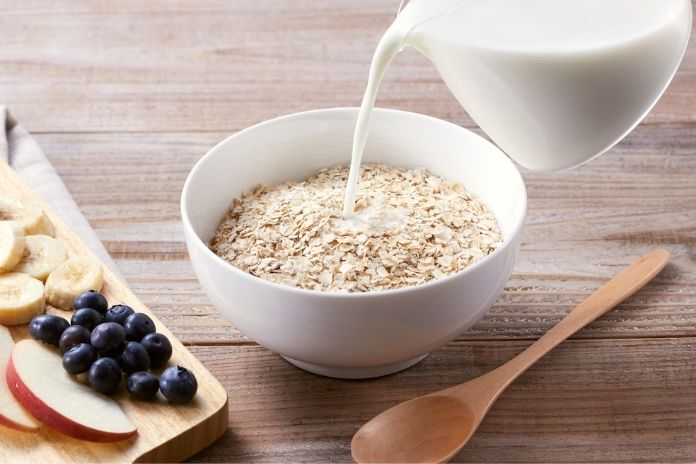
Prebiotics are non-digestible dietary compounds, typically fermentable fibers and certain other carbohydrates, that are selectively utilized by host microorganisms in ways that produce health benefits.
The keyword is selectively: prebiotics feed specific beneficial bacteria rather than the entire microbial community indiscriminately. The most studied prebiotics include inulin-type fructans, galactooligosaccharides (GOS), fructooligosaccharides (FOS), and resistant starch. These compounds are found naturally in a wide range of plant foods.
How Prebiotics Nourish the Gut Microbiome
The digestive system cannot break down prebiotic fibers. They pass through the stomach and small intestine largely intact, arriving in the colon where resident beneficial bacteria, particularly Bifidobacterium and certain Lactobacillus species, ferment them. That fermentation process is both the mechanism of prebiotic benefit and the source of occasional bloating for people who increase fiber intake too quickly.
Dr. Hannah Holscher, PhD, RD, has noted in an NPR interview on prebiotic foods and gut health that different microbes need different kinds of fiber. She explains that eating a variety of plant foods with different types of fibers encourages the growth of a more diverse population of beneficial microbes capable of breaking down those fibers.
In her published research in Gut Microbes, Holscher has documented how specific prebiotic fibers, including GOS and inulin, promote blooms of Bifidobacterium, a genus strongly associated with gut and immune health.
Why Prebiotics Matter for Microbial Diversity
A diverse microbiome is generally considered a healthier one. Different bacterial species carry out different metabolic functions, including producing vitamins, metabolizing bile acids, training immune cells, and protecting the gut lining.
Prebiotic consumption, particularly from a variety of plant sources, supports that diversity by providing a broader range of fermentation substrates than any single fiber supplement can.
Less than 10 percent of Americans meet the recommended daily fiber intake, according to federal dietary data. This gap represents one of the most consequential and underappreciated nutritional shortfalls in Western diets, and its consequences for microbiome diversity are measurable.
Why Prebiotics and Probiotics Work Better Together
Think of the gut microbiome as a workforce, and probiotics as the specialized personnel you bring in to fill critical roles. Now imagine that workforce arriving to find no resources, no infrastructure, nothing to sustain them. They do not last long. Prebiotics are the fuel, the essential substrate that keeps the microbial workforce functional and growing.
This is not merely an analogy. Research consistently shows that probiotic bacteria survive, colonize more effectively, and produce more metabolic activity when prebiotic substrates are available. A fleet without fuel does not move.
Beneficial bacteria without fermentable fiber have limited capacity to produce the byproducts, short-chain fatty acids, that support gut barrier integrity and systemic health.
Understanding Synbiotics
A synbiotic is a product or dietary strategy that combines prebiotics and probiotics, specifically designed so that the prebiotic component supports the probiotic. The concept moves beyond simply co-administering both; a true synbiotic selects prebiotic and probiotic pairs based on evidence that the specific fiber enhances survival or activity of the specific bacterial strain.
Dr. Ali Rezaie, MD, gastroenterologist and medical director of GI Motility at Cedars-Sinai, has described the host-microbiome interaction in a published Cedars-Sinai feature by explaining that “if I put the same fertilizer on land in the tundra, in the rainforest, and in the prairies, different things will grow.”
This analogy captures a critical truth: the same probiotic behaves differently depending on the gut environment it enters, which is precisely why preparing that environment with prebiotics matters.
The Role of Postbiotics
When gut bacteria ferment prebiotic fibers, they produce metabolites called postbiotics. Short-chain fatty acids (SCFAs) are among the most clinically significant. Butyrate, acetate, and propionate are produced during fermentation and absorbed by colonocytes, the cells lining the colon.
Butyrate in particular is the preferred energy source for those cells, and it plays a role in maintaining gut barrier function, reducing intestinal inflammation, and influencing immune responses extending beyond the gut.
A 2024 review published in Food Science and Biotechnology examining probiotics, prebiotics, synbiotics, and postbiotics as key players in human health confirmed that butyrate production via fiber fermentation is one of the most reproducible and clinically meaningful outcomes of a fiber-rich dietary pattern.
The review also noted that dysbiosis, the imbalance of microbial communities linked to numerous conditions, can often be partially addressed through dietary strategies targeting both the microbial workforce and its substrate supply.
Read More: The Rise of Postbiotics: What They Are and Why They Matter
When Supporting the Gut Microbiome May Be Especially Helpful
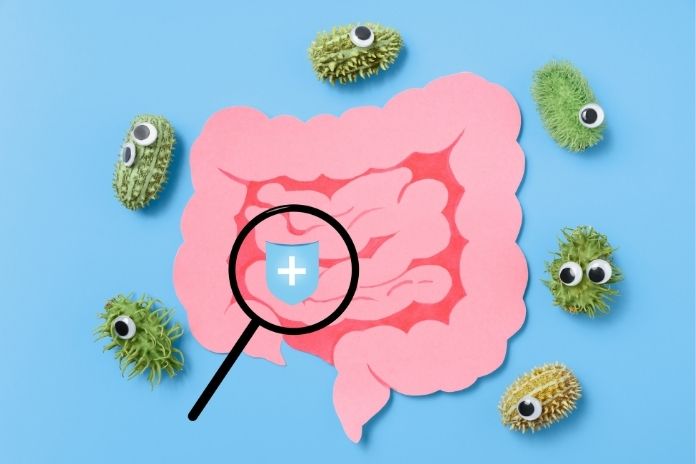
Antibiotics are necessary and often life-saving, but broad-spectrum courses can significantly reduce microbial diversity and total bacterial counts in the gut. This disruption creates openings for opportunistic organisms, including Clostridioides difficile, to establish in the recovering microbiome.
Multiple analyses of randomized controlled trials have found that probiotic use during and after antibiotic courses, particularly with Lactobacillus rhamnosus GG and Saccharomyces boulardii, reduces the incidence of antibiotic-associated diarrhea.
A 2024 double-blind randomized placebo-controlled trial published in Frontiers in Microbiomes found that a multi-strain probiotic formulation combining Lactobacillus acidophilus, Bifidobacterium bifidum, and Bifidobacterium animalis subsp.
Lactis and Saccharomyces boulardii helped preserve microbiome composition following antibiotic treatment compared to placebo. Results showed reduced disruption to microbial diversity in the probiotic group, supporting the clinical rationale for probiotic use alongside antibiotics.
Adding prebiotic-rich foods during and after antibiotic recovery gives the rebuilding microbial community the substrate it needs to establish itself more quickly and durably.
During Digestive Discomfort
Bloating, irregular bowel habits, and mild digestive discomfort are among the most common reasons people reach for probiotic supplements. The evidence here is genuinely mixed. Certain Lactobacillus and Bifidobacterium strains have shown benefits for irritable bowel syndrome symptoms, particularly diarrhea-predominant IBS, in clinical trials.
But the specific strain, dose, and individual microbiome composition all influence outcomes, making blanket recommendations unreliable.
Dr. Jangi’s clinical experience at Tufts captures this variability well: he tries probiotics for some IBS patients but acknowledges that “people have such mixed results that it becomes very difficult to strongly recommend probiotics because everyone responds so differently.”
In Diets Low in Fiber
A diet consistently low in fermentable fiber is one of the most significant modifiable drivers of microbiome depletion. The industrialized Western diet provides an average of 10 to 15 grams of fiber daily, roughly half the recommended amount.
This shortfall starves fiber-dependent microbial species, reducing their populations and the diversity of the overall microbiome. Persistent digestive symptoms should be evaluated by a healthcare professional, but in the absence of a clinical diagnosis, increasing dietary fiber variety is often the most impactful first step.
Read More: How Your Gut Microbiome Secretly Regulates Blood Pressure
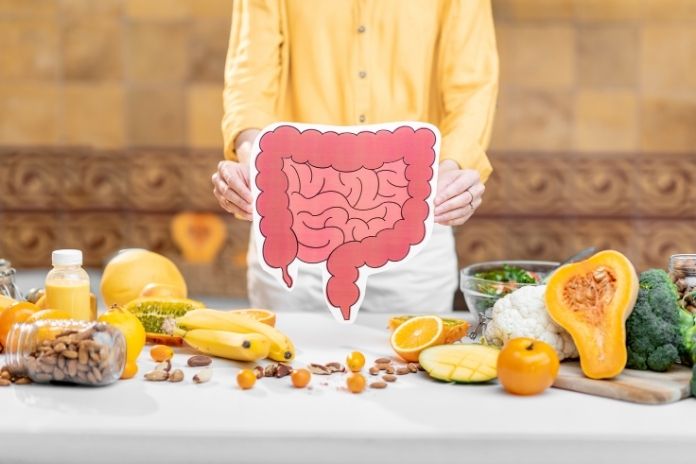
Food Sources of Prebiotics

The following foods are well-established sources of fermentable, prebiotic fiber:
Garlic, onions, and leeks contain fructooligosaccharides and inulin. Asparagus and Jerusalem artichokes are among the most concentrated inulin sources in a standard diet. Oats contain beta-glucan, a soluble fiber linked to reduced cholesterol and improved gut bacterial diversity.
Slightly underripe bananas provide resistant starch, which escapes digestion in the small intestine and reaches the colon intact. Flaxseed delivers a mix of soluble and insoluble fiber alongside omega-3 fatty acids. Legumes, including lentils, chickpeas, and black beans, provide resistant starch alongside protein.
The gut microbiome adapts to dietary changes, but it needs time. Rapid increases in fiber intake, particularly from concentrated sources like inulin supplements, can overwhelm fermentation capacity and produce temporary bloating, cramping, and gas.
Increasing fiber gradually over two to four weeks, while increasing fluid intake simultaneously, allows the microbial community to scale up the enzymatic machinery it needs to ferment the new substrate load.
Food Sources of Probiotics
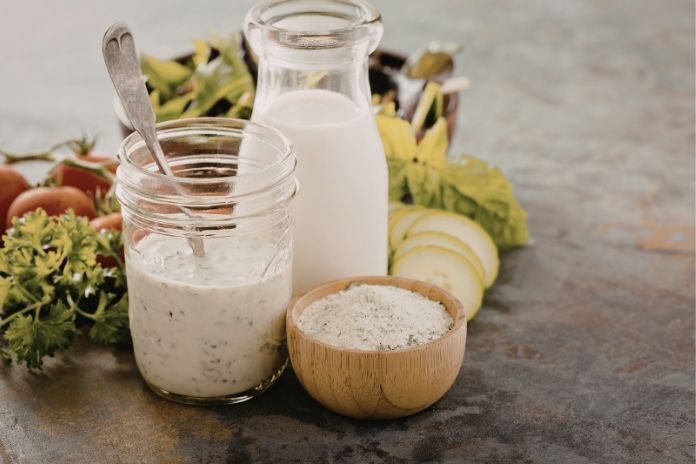
Yogurt with active cultures, kefir, sauerkraut, kimchi, fermented vegetables, and traditional buttermilk all deliver live beneficial bacteria when minimally processed and properly stored.
The microbial diversity in traditionally fermented foods often exceeds what is found in most commercial probiotic supplements, though the specific strains present depend on the fermentation process and source.
A 2021 clinical trial published in Cell, led by researchers including Justin Sonnenburg and Christopher Gardner at Stanford, found that a 10-week high-fermented-food diet consistently increased gut microbiome diversity and decreased markers of inflammation across participants. This was one of the first controlled human trials to demonstrate that regular fermented food consumption reproducibly remodels the microbiota at a population level.
Dr. Justin Sonnenburg, PhD, professor of microbiology and immunology at Stanford University, described this finding as “a stunning result” in a Stanford Medicine press release, adding that it “provides one of the first examples of how a simple change in diet can reproducibly remodel the microbiota across a cohort of healthy adults.”
His broader published research on dietary fiber and gut microbes in NPR reporting emphasizes that when fiber intake is low, gut microbes are “actually kind of starving” and may begin degrading the gut lining itself when no other substrate is available.
When selecting commercial probiotic foods, look for “live and active cultures” on the label and check that the product requires refrigeration. Heat processing after fermentation kills live bacteria, so shelf-stable products that do not require refrigeration typically contain no viable organisms.
Strain identification on the label, for example, Lactobacillus acidophilus NCFM, is a sign that the manufacturer can trace efficacy data to a specific, characterized organism.
Read More: Best Probiotics for Gut Health: Strains That Actually Work and How to Choose
Simple Ways to Combine Prebiotics and Probiotics in Meals
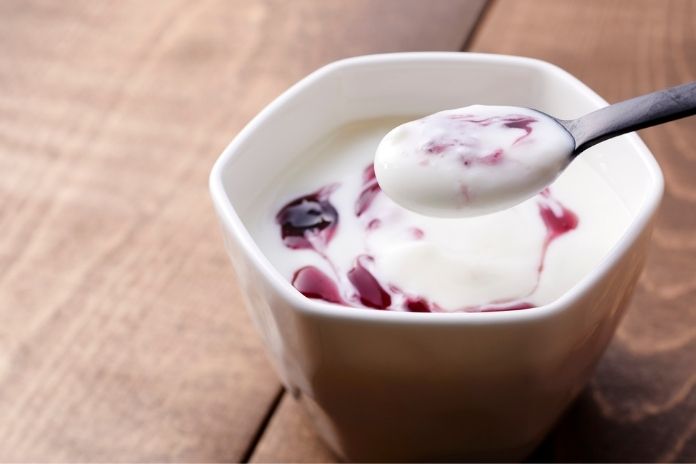
Yogurt with sliced banana or mixed into oats is one of the simplest and most accessible synbiotic combinations available. The yogurt delivers live cultures; the banana and oats provide resistant starch and beta-glucan as prebiotic fuel.
Fermented vegetables alongside fiber-rich grain dishes, such as kimchi with brown rice and legumes, combine the live cultures of fermentation with the diverse fermentable fiber of legumes and whole grains. Kefir blended with ground flaxseed and berries provides probiotics, prebiotic fiber, and polyphenols that independently support microbial diversity.
Why Food-Based Strategies Are Often Recommended First
Whole foods deliver prebiotics and probiotics within a complex nutritional matrix that includes vitamins, minerals, polyphenols, and additional fiber types that supplements cannot fully replicate.
The fermentation process in traditionally made foods also produces postbiotic metabolites, including short-chain fatty acids, organic acids, and bioactive peptides that contribute to the health benefits beyond the live cultures alone. Supplements may be useful in specific clinical contexts, including post-antibiotic recovery or diagnosed dysbiosis, but food-based strategies are the foundation that clinical guidelines consistently recommend first.
Safety and Practical Tips for Supporting Gut Health
Increasing prebiotic-rich foods gradually over several weeks is especially important for people coming from a consistently low-fiber diet. One additional serving of a prebiotic-rich food every three to four days gives the microbiome adequate time to adapt. Symptoms like bloating are temporary in most cases and diminish as the microbial community scales its fermentation capacity.
Fiber absorbs water as it moves through the digestive tract. Inadequate fluid intake while increasing fiber can slow transit, cause constipation, and worsen bloating. Aiming for adequate water consumption alongside fiber increases support for comfortable adaptation and helps fiber perform its full range of digestive functions.
Probiotic supplement selection involves meaningful complexity. Strain identity, dose measured in colony-forming units, product stability, and storage conditions all influence whether a product delivers viable organisms in clinically relevant amounts.
A healthcare professional, particularly a gastroenterologist or registered dietitian with microbiome expertise, can help match strain selection to the specific clinical situation rather than defaulting to whatever is most prominently marketed.
Read More: Are You Overdoing Probiotics? Signs Your Gut Needs a Break
Key Takeaway: Gut Health Often Requires Both Fuel and Microbes
Gut microbiome support is not a one-product problem. Probiotics and prebiotics for gut health serve fundamentally different but complementary roles. Probiotics introduce beneficial microbial activity; prebiotics sustain and strengthen the microbial ecosystem that makes that activity possible.
Understanding the difference between prebiotics and probiotics reveals why the “fuel and fleet” framework is more than a useful metaphor: it reflects the actual interdependence of these two components in a functioning gut.
A diet that includes a variety of fermented foods alongside a broad range of fiber-rich plant foods addresses both sides of this equation through everyday eating rather than through complex supplementation.
Foods high in prebiotics and probiotics eaten together in synbiotic combinations may offer more consistent and durable microbiome support than either component in isolation.
When digestive symptoms are persistent, when antibiotic courses disrupt the microbiome, or when dietary change alone proves insufficient, professional guidance on how to improve gut bacteria naturally, including targeted supplement strategies, can fill meaningful gaps.
References
- Gibson, G. R., Hutkins, R., Sanders, M. E., Prescott, S. L., Reimer, R. A., Salminen, S. J., Scott, K., Stanton, C., Swanson, K. S., Cani, P. D., Verbeke, K., & Reid, G. (2017). Expert consensus document: The International Scientific Association for Probiotics and Prebiotics (ISAPP) consensus statement on the definition and scope of prebiotics. Nature Reviews Gastroenterology and Hepatology, 14(8), 491-502.
- Guarner, F., Sanders, M. E., Szajewska, H., Cohen, H., Eliakim, R., Herrera-deGuise, C., Karakan, T., Merenstein, D., Piscoya, A., Ramakrishna, B., Salminen, S., & Melberg, J. (2024). World Gastroenterology Organisation Global Guidelines: Probiotics and prebiotics. Journal of Clinical Gastroenterology, 58(6), 533-553.
- Holscher, H. D. (2017). Dietary fiber and prebiotics and the gastrointestinal microbiota. Gut Microbes, 8(2), 172-184.
- Kim, Y. T., & Mills, D. A. (2024). Exploring the gut microbiome: Probiotics, prebiotics, synbiotics, and postbiotics as key players in human health and disease improvement. Food Science and Biotechnology, 33(9), 2065-2080.
- Pham, V. T., Lacroix, C., Braegger, C. P., & Chassard, C. (2024). A double-blind, randomized, placebo-controlled study assessing the impact of probiotic supplementation on antibiotic-induced changes in the gut microbiome. Frontiers in Microbiomes.
- Wastyk, H. C., Fragiadakis, G. K., Perelman, D., Dahan, D., Merrill, B. D., Yu, F. B., Topf, M., Gonzalez, C. G., Van Treuren, W., Han, S., Robinson, J. L., Elias, J. E., Sonnenburg, E. D., Gardner, C. D., & Sonnenburg, J. L. (2021). Gut-microbiota-targeted diets modulate human immune status. Cell, 184(16), 4137-4153.
- Davani-Davari, D., Negahdaripour, M., Karimzadeh, I., Seifan, M., Mohkam, M., Masoumi, S. J., … & Ghasemi, Y. (2019). Prebiotics: Definition, types, sources, mechanisms, and clinical applications.
- HealthPartners. (n.d.). Prebiotics vs. probiotics: What’s the difference?
- Mayo Clinic. (n.d.). Probiotics: What you need to know.
- Bangalore Gastro Centre. (2025). Prebiotics vs probiotics: Complete guide to benefits, differences, and best sources.
- Al-Habsi, N., et al. (2024). Health benefits of prebiotics, probiotics, synbiotics, and postbiotics.
In this Article