
















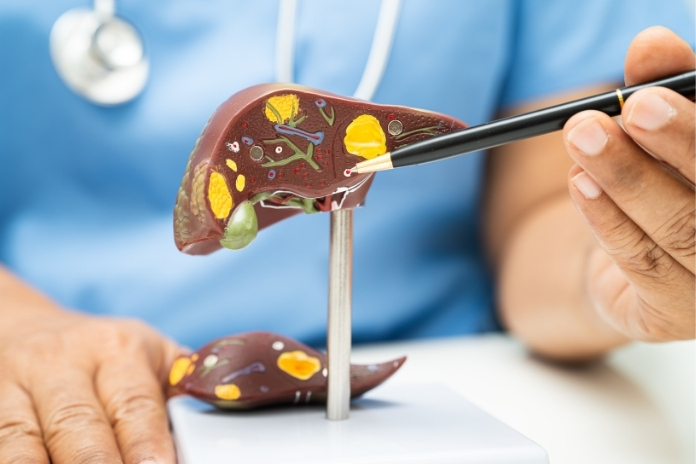
Detox drinks and “liver support” are frequently promoted as mild, all-natural ways to purify the body. However, a growing body of research indicates that certain herbal components may be involved in drug-induced liver injury (DILI). Depending on factors including dosage, duration, individual susceptibility, and drug combinations, the danger may not always be evident.
This article will discuss the adverse liver detox tea side effects, describe how herbal tea causes drug-induced liver injury (DILI), and examine three popular herbs associated with liver support tea risks. To promote liver function safely, we will also cover symptoms, safety advice, and evidence-based substitutes.
- Certain herbal detox teas may contribute to drug-induced liver injury (DILI), especially high-dose or concentrated extracts.
- Ingredients such as kava, comfrey, senna, or green tea extracts are linked to liver toxicity.
- Safer liver support: balanced diet, hydration, exercise, and medical guidance rather than detox teas.
Read More: 5 Best Detox Supplements for Liver Support and Toxin Removal
What Is Drug-Induced Liver Injury (DILI)?
Drug-induced liver injury (DILI), drug-induced liver failure (DHILI), drug-induced hepatitis (DILF), and drug-induced hepatotoxicity (DILF) are included to describe the different medical terms used for liver damage caused by medications or supplements. These terms help distinguish the severity and clinical presentation of liver-related drug reactions.
Drug-induced liver injury, or DILI, is the term for when a medication damages your liver.
When your liver is damaged, it has a remarkable capacity to heal itself. Therefore, the majority of persons who suffer from drug-induced liver damage will totally recover. However, healing can take some time. Rarely, people may become seriously ill and require medical attention.
All medications occasionally cause side effects, but they are unpredictable and vary from person to person. Maintaining a record of all the medications you take is crucial in case something goes wrong.
Treatment for sudden (acute) liver failure following a paracetamol overdose differs from that for drug-induced liver injury.
Because herbal products are “natural,” many people believe they are safe. Liver damage primarily associated with plant-based products is referred to as “herbal supplement liver injury.”
The fact that signs of drug-induced liver injury (DILI) could not show up right away is one of its difficulties. It can be challenging to link symptoms to a particular tea or supplement because early indicators can be subtle.
Why “Liver Support” Teas Can Be Misleading
Your body is intelligent. Your liver, kidneys, stomach, and even skin are all part of its effective detoxification network.
Research consistently demonstrates that the claimed benefits of detox teas in eliminating toxins lack scientific support. Yes, you may lose a few pounds temporarily, largely from waste and water, but long-term weight loss? Not likely.
Although companies advertise detox teas as helping your body eliminate toxins, many of these products include ingredients that fail to support detoxification and, in some cases, trigger allergies or even mask potentially harmful substances.
Additionally, the U.S. Food and Drug Administration (FDA) has taken action against businesses that sell detox teas containing dangerous, undetectable ingredients.
The Safety and Effectiveness of Detox Teas for Liver Health: Another trend is detox teas, which promise to promote liver health and remove toxins. These teas might be tasty to consume, but their potency is frequently exaggerated. Certain detox teas contain laxatives or diuretics, which, if taken in excess, might cause dehydration or other negative effects.
Several Herbs in a Single Blend: A lot of detox teas contain multiple herbs, which raises the possibility of toxicity and supplement-drug interactions. It is a major contributing factor to concerns about the safety of herbal supplements.
Concentrated Extracts vs. Conventional Use: Mild infusions are the norm for traditional herbal teas. However, the use of much more concentrated extracts in contemporary goods may increase the danger of hepatocellular injury.
Tea #1: Green Tea Extract–Based Detox Teas
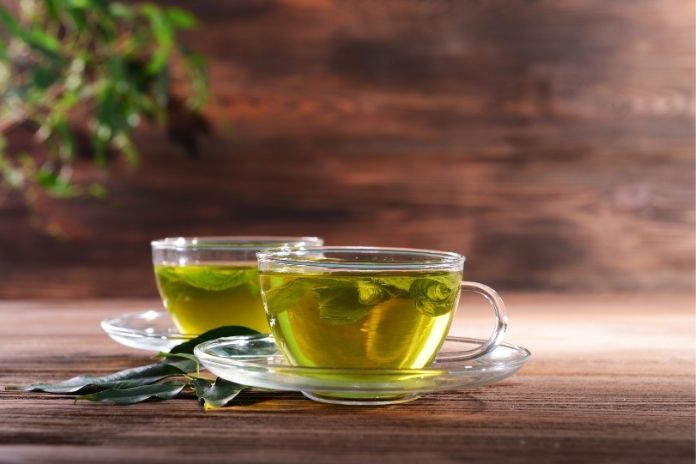
Companies aggressively advertise detox beverages, also known as “teatox” or “flat tummy teas,” on social media, which include natural ingredients such as Chinese oolong tea, mate leaves, peppermint, ginger, and lemongrass.
Doctors are worried about one element, though: senna leaf. Senna is a common ingredient in laxatives and is a major factor in the rapid, albeit transient, weight loss that detox teas provide.
The majority of doctors agree that eating a balanced diet, exercising regularly, and drinking plenty of water remain the best ways to reduce weight. These teas encourage “detoxing,” or clearing the body of toxins, even though our bodies are fully capable of doing it on their own.
Long-term regular consumption of these will result in stomach issues. Regular usage of the laxative stimulates your bowels, and when your body gets overly reliant on the stimulant, it signals your body to cease doing that function on its own. You may experience constipation after stopping the detox tea, and you might need to use laxatives to control your bowel movements.
The following individuals may be at greater risk:
- Individuals who use extracts in large doses
- People who are dieting or fasting
- Those who already have liver disease
It makes green tea extract’s liver toxicity a key concern in detox products.
Read More: Best Practices for Supporting Liver Health After Hepatitis
Tea #2: Kava-Containing Relaxation and Liver Blends
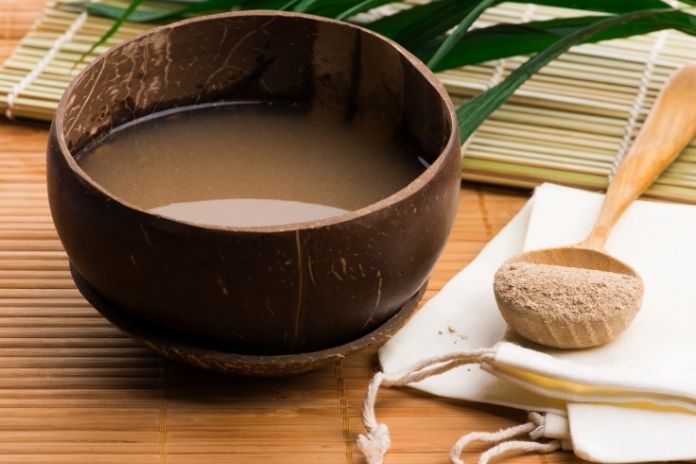
Pacific tribes have long used kava, but contemporary extracts vary widely in preparation and concentration.
The plant Piper methysticum is the source of kava, an herb used for generations in Oceania as a ceremonial and recreational beverage. More recently, manufacturers have used concentrated variants of this plant in herbal remedies to treat anxiety and sleeplessness. The development of clinically evident acute liver injury, which can be severe and even fatal, has been connected to products bearing the kava label.
The FDA has issued a warning regarding kava. In rare cases, studies have linked these supplements to serious liver damage. The National Center for Complementary and Integrative Health has thus halted additional kava testing. This supplement should only be taken as directed by a physician due to the potential risk of liver damage from kava kava.
Doctors advise that pregnant or nursing individuals should avoid using kava. Kava should not be used by those who have bipolar disorder or depression. It might exacerbate your depression.
Avoid using kava if you operate machinery or engage in other activities that need alertness. You might feel sleepy from it. It might prevent you from operating a vehicle safely.
Tea #3: Comfrey and Similar Herbal Detox Ingredients
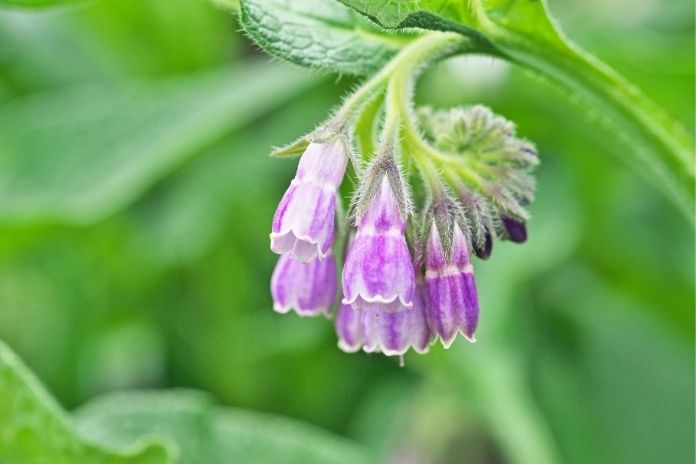
Numerous illnesses have been treated with comfrey root and other elements of the plant. Symphytum officinale L., a member of the Boraginacea family, is prized in traditional medicine for its astringent, analgesic, and anti-inflammatory qualities.
Europe, Asia, and North America are home to the yellow or purple-flowering plant known as comfrey (Symphytum officinale). It has toxic compounds in it.
Comfrey contains pyrrolizidine alkaloids (PAs), which can cause serious liver damage. Chemicals that may lessen edema are also present.
Research has linked PAs to liver cancer, and there have been case studies of liver disease linked to herbs containing PAs. Some critics argue that researchers conducted these experiments to create fear around this plant and that they gave rodents doses higher than what humans would safely consume. In contrast, others argue that the risks are real and should never be taken lightly.
Signs a Herbal Tea May Be Affecting Your Liver
Recognizing symptoms early is essential in preventing serious complications from herbal tea-drug-induced liver injury.
- Unexplained exhaustion
- Pale stools or dark urine
- Pain in the abdomen
- Elevated ALT and AST levels in the liver
These are common indicators of liver detox tea side effects.
Read More: The Truth About Liver Cleanses: Why Your Pancreas Doesn’t Need a “Detox” and What Actually Works
Who Should Be Especially Careful With Herbal Liver Teas
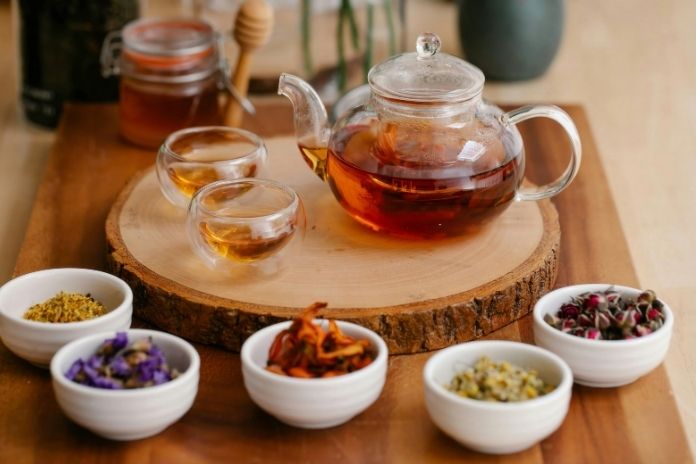
Herbal teas could be a revitalizing approach to decompress. However, there isn’t a single drink that works for everyone. Numerous drugs, particularly antidepressants, omeprazole, blood thinners, metformin, statins, cyclosporine, and benzodiazepines, can interact dangerously with several herbal teas.
Herbal teas that contain St. John’s wort, ginkgo biloba, grapefruit, valerian, ginseng, and other herbs might not be safe to use with these medications.
“Although herbal teas are natural, that doesn’t mean they’re safe or appropriate for everyone,” says Melissa Groves Azzaro, RDN, LD. “Many herbs contain bioactive substances that can interact with medications, so it’s always best to check with your doctor whether a specific herbal tea is right for you or not.”
How to Evaluate a “Liver Support” Tea Safely
Check for Ingredient Transparency: Avoid products with unclear ingredient lists, as they may contain herbs that can cause liver damage.
Steer Clear of Proprietary Blends with Unknown Dosages: Unknown concentrations increase the risk of DILI from herbal supplements.
Seek Third-Party Testing: Independent testing ensures product quality and enhances the safety of herbal supplements.
Limit Use Time: Short-term use reduces exposure and lowers the risk of liver support tea risks.
Read More: Early Symptoms of Liver Stress (Before Blood Tests Show It)
Evidence-Based Ways to Support Liver Health Instead
Instead of depending on potentially hazardous detox teas, think about safer, research-proven methods:
Healthy Diet: The foundation of a healthy liver is a balanced diet. Your liver will get nutrients it needs to perform at its best if you eat a range of healthy foods. Antioxidant-rich foods, such as fruits and vegetables, can help protect the liver from oxidative damage.
Regular Exercise: Regular exercise can help reduce liver fat and burn triglycerides for fuel.
Preventing Overindulgence in Alcohol: Alcohol use significantly impacts liver health. Several liver diseases, including cirrhosis, alcoholic hepatitis, and fatty liver disease, can result from excessive alcohol consumption. One of the best strategies to promote liver health is to limit alcohol intake.
Steer Clear of Toxins: They can harm your liver cells. Minimize direct contact with toxins from chemicals, additives, pesticides, and cleaning and aerosol products. When using aerosols, wear a mask and ensure the area is well ventilated. Avoid smoking.
Hydration: Maintaining adequate hydration is crucial for liver function and overall health. Sufficient hydration facilitates digestion and helps remove waste from the body through urine. Your liver can perform its detoxifying functions efficiently if you drink enough water throughout the day.
Medical Advice: Healthcare professionals always recommend consulting a doctor if you are concerned about your liver health or considering starting a detox. Based on your unique demands and health situation, a healthcare professional can make tailored recommendations.
When to Stop an Herbal Tea and Seek Medical Advice

If you encounter any of the following, stop consuming any herbal tea right away and see a doctor:
- Persistent signs and symptoms
- Jaundice is the yellowing of the skin or eyes
- Abnormal blood tests for the liver
- Symptoms after starting a new supplement
Read More: Fatty Liver Disease: Early Signs You Should Never Ignore
Conclusion
Although many people use detox teas to improve their health, it’s crucial to realize that some products may actually be dangerous.
Particularly when used in large quantities or in combination with other supplements or drugs, several substances have been connected to adverse liver detox tea side effects. The idea that all herbal products are safe can be misleading, particularly in cases of herbal supplement liver injury.
Carefully selecting goods, keeping an eye on your body’s reaction, and being aware of substances can all have a big impact. The safest course of action is always to seek the advice of a healthcare expert when in doubt.
References
- MedlinePlus. Keratosis pilaris.
- British Liver Trust. Drug-induced liver injury (DILI).
- Chennai Liver Foundation. (2024, September 23). Liver detox myths: What works and what doesn’t?
- VitaRx. (June 28, 2025). The truth about detox teas: Do they really deliver results?
- Divya Jacob, Pharm. D. Do Detox Teas Really Work?
- Brown University Health. (October 12, 2022). The Truth About Detox Teas.
- Memorial Sloan Kettering Cancer Center. (2022, February 9). Kava.
- University of Rochester Medical Center. Kava kava.
- National Center for Biotechnology Information. (April 10, 2018). Kava hepatotoxicity. In LiverTox: Clinical and research information on drug-induced liver injury.
- WebMD. Comfrey: Uses, side effects, interactions, dosage, and warnings.
- Johns Hopkins Medicine. 5 ways to be kind to your liver.
In this Article