












Green tea extract and turmeric have gained widespread use in contemporary health regimens, particularly for cleansing and weight loss. Manufacturers frequently emphasize these components in detox teas and supplements because they offer anti-inflammatory and antioxidant benefits.
However, growing reports of turmeric and green tea extract damaging the liver, along with increasing awareness of detox supplements that cause liver risk, have raised important safety concerns. While many people assume that natural ingredients are always safe, emerging research suggests that concentrated extracts may lead to hepatotoxicity and other herbal detox supplement side effects in certain cases.
This article will discuss the science underlying these components, examine concerns associated with them, such as green tea extract hepatotoxicity, and explain how to use these supplements safely and effectively.
- Concentrated turmeric and green tea extract supplements may stress the liver in high doses.
- Risk increases with combined blends, poor labeling, and drug interactions.
- Safer use includes low doses, quality-tested products, and medical guidance.
Read More: 5 Best Detox Supplements for Liver Support and Toxin Removal
Why Turmeric and Green Tea Extract Are Common in Detox Supplements
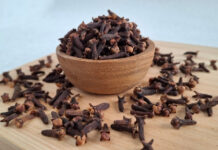
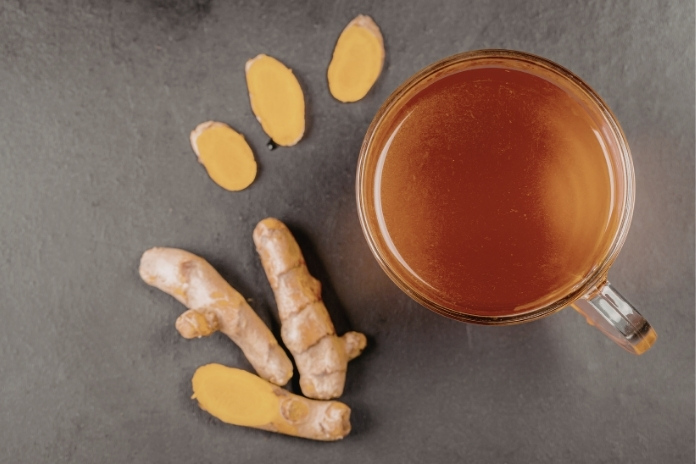
The roots of Curcuma longa, a perennial plant in the ginger family (Zingiberaceae), are used to make the popular herbal product turmeric (tur mer’ ik).
Turmeric rhizome extracts contain volatile oils and curcuminoids (such as curcumin, demethoxycurcumin, and others), which researchers collectively refer to as curcumin and consider the herb’s active anti-inflammatory components. Curcumin makes up about 1% to 6% of the dry weight of whole turmeric extracts; the remaining ingredients are water, carbohydrates, lipids, proteins, fiber, vitamins, and minerals.
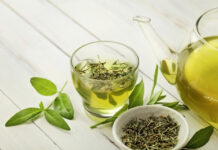
In preclinical research and, to a much lesser extent, in clinical trials, green tea, a non-oxidized, non-fermented variety of tea that contains several polyphenols, including green tea catechins, shows protective properties against certain environmental toxins and toxicants. Antioxidant, anti-inflammatory, antimutagenic, hepatoprotective, neuroprotective, and anticarcinogenic properties all work together to confer protective benefits.
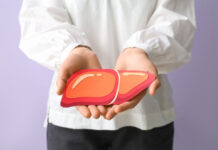
The idea of detox supplements often misrepresents the liver’s function. The liver’s natural detoxification mechanism uses enzymes and metabolic pathways to break down contaminants.
However, herbal and dietary supplement safety concerns arise when concentrated extracts overwhelm this natural system, potentially leading to drug-induced liver injury rather than supporting detoxification.
There are several varieties of green tea extract and turmeric:
- Capsules (extracts at high doses)
- Manufacturers frequently add powders to beverages
- Teas and blends for detoxification
What Research Says About Turmeric and Liver Safety
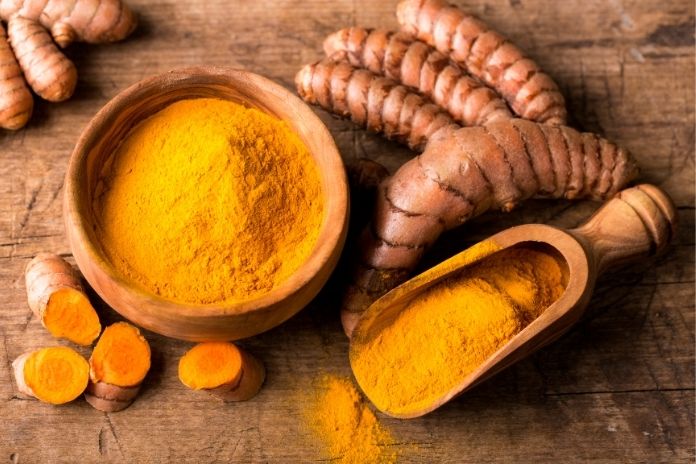
Turmeric has become more popular as a natural treatment for several illnesses in recent years. Curcumin, its main ingredient, is well known for its antioxidant and anti-inflammatory properties.
Turmeric pills, which promise a wide range of health advantages, have consequently inundated the market. However, we need to be careful while adding these supplements to our daily regimens. Although supplements are not intrinsically harmful or unhealthy, the proverb “too much of a good thing” is valid; thus, it’s important to be aware of any potential issues.
The curcumin content in whole turmeric used for cooking is comparatively low. However, manufacturers often produce highly concentrated curcumin supplements and sometimes add piperine to improve absorption.
Higher bioavailability may increase the risk of toxicity, raising questions about the safety of turmeric supplement doses.
Through her work on the Drug-Induced Liver Injury Network, which carries out research funded by the National Institutes of Health (NIH) to advance knowledge of the causes and consequences of drug-induced liver injury in the United States, Dr. Dina Halegoua-DeMarzio, director of the Fatty Liver Center at Thomas Jefferson University Hospital, observed some of these complications firsthand.
“We saw a pattern of patients who were presenting with hepatocellular liver injury, which is an inflammation of the liver cells, due to turmeric, and there were a few things that really stood out,” Dr. Halegoua-DeMarzio says. “It seemed to be happening in patients where the turmeric was combined with black pepper in the supplements, as it resulted in a change in the way the body absorbs turmeric.” Pepper changes how the body processes turmeric, effectively increasing the dose of curcumin a person gets.
Green Tea Extract and Liver Risk — What’s Known
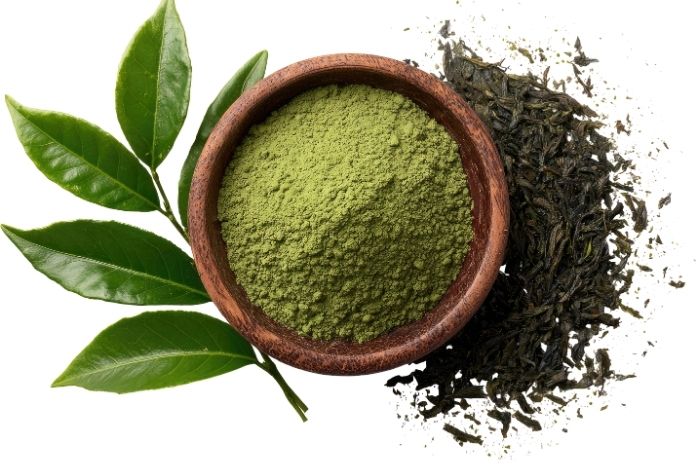
Many herbal and dietary supplements (HDS) contain green tea extract, a popular beverage. Cases of clinically evident acute liver injury, including acute liver failure and the necessity for an immediate liver transplant or death, have been linked to green tea extract and, less frequently, consumption of large amounts of green tea.
In general, green tea consumption is safe and advantageous. On the other hand, substantially larger concentrations of active chemicals are found in concentrated extracts utilized in supplements. When assessing the hepatotoxicity of green tea extract, this differential is crucial.
Long-term high-dose green tea extract use may offer some protection against type 2 diabetes, obesity, cancer, and cardiovascular disease. Still, it may potentially cause liver damage in a tiny percentage of people.
Who is in danger? The first clear indication comes from Rutgers research published in the Journal of Dietary Supplements: two genetic variants that partially predict risk.
“Learning to predict who will suffer liver damage is potentially important because there’s growing evidence that high-dose green tea extract may have significant health benefits for those who can safely take it,” said Hamed Samavat, senior author of the study and an assistant professor of nutrition sciences at the Rutgers School of Health Professions.
Read More: Cleanse Your Body Naturally: 6 Herbal Detox Supplements for Whole-body Cleansing
Why Combining Turmeric and Green Tea Extract May Increase Concerns
The bioactive components of green tea extract and turmeric may have additive or even synergistic effects when combined. Hepatotoxicity is more likely as a result, particularly in high-dose detox formulations.
Since many companies market detox pills as proprietary blends, they make it difficult to determine the precise amount of each component. This lack of transparency contributes to the liver risk of detox supplements and makes it difficult to assess the safety of herbal and dietary supplements.
These supplements can raise the risk of drug-induced liver injury when taken with certain drugs. Alcohol consumption further compounds the risk, especially in products marketed under the detox teas’ safe claims.
Signs of Possible Liver Stress From Supplements
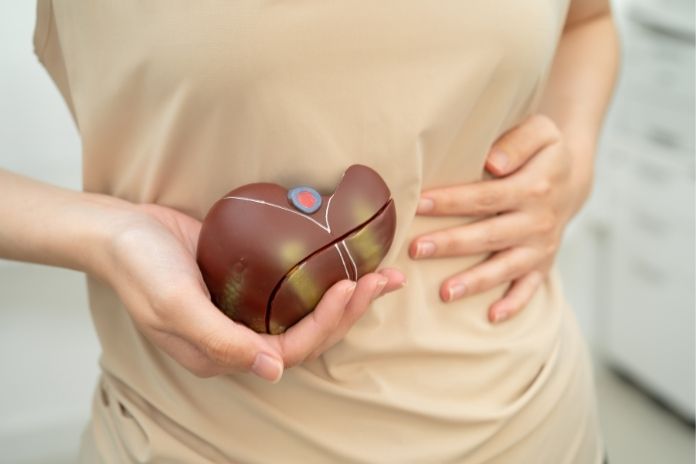
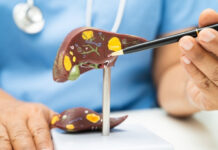
Not all cases of liver disease result in visible or palpable symptoms. The following could be signs of liver disease:
- Jaundice is the yellowing of the skin and the whites of the eyes. Black or brown skin may make yellowing more difficult to detect
- Swelling and pain in the abdomen
- Ankle and leg swelling
- Skin that itches
- Dark urine
- Pale stool
- Persistent fatigue
- Vomiting or nausea
- Appetite loss
- Easily getting bruised
Who May Be at Higher Risk
Individuals having liver disease are generally more vulnerable to supplement-related liver injury, including from turmeric and green tea extract.
Medications like:
Insulin and Glipizide: These drugs help people with diabetes, lowering their blood sugar levels. Meanwhile, studies have demonstrated that turmeric can improve the regulation of proteins involved in insulin release, potentially lowering blood sugar levels.
Amlodipine: Amlodipine dilates blood vessels and lowers blood pressure by preventing calcium from entering them. Turmeric has been shown to enhance the absorption of amlodipine in animal studies.
Tacrolimus: An immunosuppressive drug used to prevent organ rejection after transplantation. It may, however, also impair renal function. In one case report, a patient who took a large amount of turmeric with meals experienced worsening kidney function. Turmeric can also alter how drugs are metabolized, according to animal research.
Chemotherapy Medications: Chemotherapy medications destroy cancer cells in various ways. Turmeric may reduce the efficacy of these chemotherapeutic drugs, according to a study that used human breast cancer cells as an experimental model.
How to Evaluate Detox Supplements Before Taking Them
Check Ingredient Concentrations vs. Traditional Use: Compare supplement doses with traditional dietary intake to assess turmeric supplement dosage safety.
Look for Third-Party Testing and Transparency: To lower the danger of supplement contamination, select products that have undergone quality and purity testing.
Steer Clear of “proprietary blends” with Unclear Dosages: It’s challenging to assess the safety of herbal and dietary supplements when labels are unclear.
Speak with a Healthcare Professional About Pills: Consulting a professional helps reduce the risk of liver damage from detox supplements and ensures safe use.
Read More: How to Detox Your Body from Mold Exposure: Doctor-Backed Steps That Actually Help
Safer Ways to Support Liver Health
Fortunately, there are numerous things you can do to maintain the health of your liver. Think about doing the following:
Limit Alcohol: Any kind of alcohol, including wine, beer, and hard liquor, can harm the liver. Alcohol can greatly exacerbate hepatitis and other liver illnesses. No quantity of alcohol is safe if you have cirrhosis.
Reduce your Weight if Overweight: Because obesity and NAFLD are closely linked, reducing your weight may be the most crucial strategy to prevent this illness.
Limiting Sugary Snacks and Soft Drinks: It will help you manage your weight, but there’s more to it than that. These foods are often high in simple sugars, such as fructose, which may contribute to the progression of liver disease. Fructose may cause the body to produce and store extra fat, while the precise mechanism is unknown.
Exercise Multiple Times a Week: Even if it doesn’t lead to weight loss, additional exercise is crucial for liver function. Exercise has been associated with a lower risk of liver disease, and studies have shown that individuals with nonalcoholic fatty liver disease (NAFLD) can reduce their fatty liver by 20 to 30 percent in 12 weeks by doing aerobic or resistance exercise for approximately 45 minutes three times a week.
Be wary of Pharmaceuticals and Herbs: Liver toxicity is the primary reason researchers halt clinical trials or companies withdraw drugs from the market. In actuality, supplements are responsible for 20% of liver damage in the United States. The National Institutes of Health maintain a database of chemicals known to harm the liver.
When to Stop a Supplement and Seek Medical Advice

Immediately cease using supplements if you observe:
- Jaundice
- Enduring exhaustion
- Dark urine
Typically, doctors evaluate:
- Levels of liver enzymes
- Medical background
- Use of supplement
It helps diagnose drug-induced liver injury. Providing supplement details helps identify potential causes of liver damage from turmeric and green tea extract.
Read More: The Ultimate Detox Tea Guide: 8 Herbal Brews for Cleansing and Relaxation
Conclusion
Although green tea extract and turmeric may have many health benefits, using them in concentrated detox supplements should be done carefully. The growing evidence on detox supplement-related liver risk highlights that even natural ingredients can have unintended effects when consumed in high doses or combined without proper regulation.
Understanding individual health conditions, dosage, and the product quality is very essential before starting any supplement routine.
It is safer to support liver function through a balanced diet, adequate hydration, and medical advice when needed rather than depending on fast-fix detox trends. You can reduce risks by selecting well-researched products and staying aware of early warning indicators.
References
- National Institute of Diabetes and Digestive and Kidney Diseases. (June 16, 2025). Turmeric. In LiverTox: Clinical and research information on drug-induced liver injury.
- Thomas Jefferson University Hospitals. (December 19, 2025). The trouble with turmeric: Associated liver injuries.
- Kaiser Permanente. (2023, November 21). New research on the potential dangers of turmeric supplements.
- National Institute of Diabetes and Digestive and Kidney Diseases. (2020, November 20). Green tea.
- Rutgers University. (2022, December 1). Green tea extract may harm liver in people with certain genetic variations.
- Mayo Clinic. (August 06, 2025). Liver disease.
- Amy Brenner-Fricke. (September 11, 2025). Turmeric and 10 other popular supplements that can damage your liver.
- Maguire, E. (2021, October 13). Take these steps to protect your liver.
- Barbara Brody. (May 17, 2023). 7 Ways to Protect Your Liver.
In this Article