









If you ask honestly, bidet vs. toilet paper, which is better for your health, then the answer is not perfectly clean-cut, but it leans clearly in just one direction. Water cleans better. Bidets are usually gentler on the skin. And toilet paper has some chemical concerns that many people never even think about.
But this is not a simple “Bidet is best; stop using toilet paper.” There are real caveats people ignore. Nozzle contamination is documented. In women, wrong use can disturb vaginal bacteria. And most important: the technique decides whether the bidet helps or harms.
So yes, a bidet is better for most people. But only if used correctly. Otherwise, it can create problems that toilet paper never did.
- Bidet cleans better and is gentler, but only when used correctly.
- High pressure and wrong technique can cause harm.
- Toilet paper has minor chemical concerns, but they are manageable. The best method is a bidet with gentle drying.
Does Water Actually Clean Better?
Short answer: Yes, water removes more bacteria and residue than dry wiping.
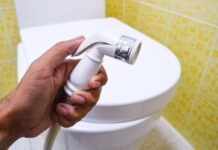
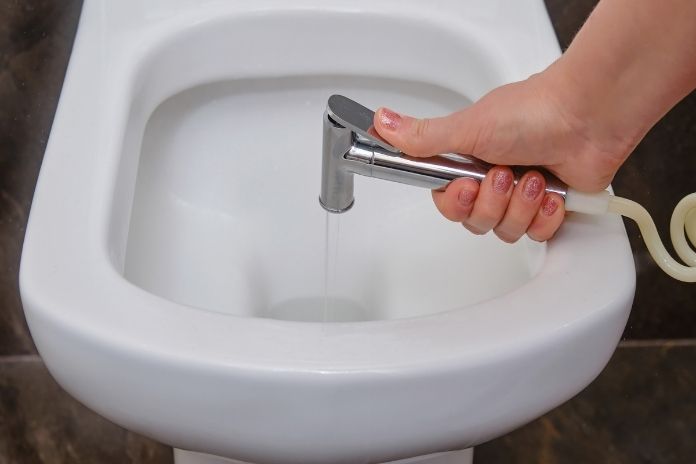
Dr. Trisha Pasricha, a gastroenterologist, explained that the mechanics of a bidet are straightforward: “The simplest form of a bidet is simply a nozzle that sprays your exterior clean. That’s all it can be… these simple nozzle attachments are like pretty cheap. You can install them yourself… on the other end, there are beautiful luxury bidets, where you have a heated seat.”
She further adds that “what we really need are bidets (electric or non-electric toilet seats with water spray). And I know a lot of people in this country (the US) are not ready for that conversation. A bidet is going to change your life.”
But the evidence is not as strong as the internet claims. A 2022 study comparing hygiene methods found that bidet users had around 7–10 times less bacteria on their hands after cleaning. That gives a practical signal: water removes contamination more effectively than dry friction.
Toilet paper, even when used many times, often leaves microscopic residue. Water physically washes away particles, especially in skin folds where wiping can never reach properly. This becomes very important in conditions such as hemorrhoids, fissures, inflammatory bowel syndrome (IBS), or inflammatory bowel disease (IBD), when complete but gentle cleaning really matters.
Featured answer:
Water cleans better than toilet paper because it removes residue instead of spreading it. But most research is small-scale or from Japan, so conclusions are directionally strong, not absolute.
Limitation is important. Much of the data comes from Japanese populations, where bidet use is common. Studies are often observational or small. So while logic is clear, the scientific depth is still thinner than strong advocates suggest.
Skin Irritation, Haemorrhoids, and Anal Fissures
1. Friction and Contact Irritation
One thing people underestimate about toilet paper is friction. Repeated dry wiping creates mechanical irritation, especially on already sensitive skin. Dermatology discussions (including a 2023 clinical editorial) explicitly mention water-based cleaning as a better option for perianal skin conditions. It is not just comfort; it reduces repeated trauma.
Also, not all toilet paper is “neutral.” Many types contain:
- Fragrances
- Petroleum-based dyes
- Residual chemicals like formaldehyde
These are known contact allergens. There is even a documented case where a person had chronic vulvar irritation for 4 years, later traced back to formaldehyde in toilet paper. Symptoms resolved after switching to plain, unbleached paper.
After surgery or childbirth, this difference becomes more obvious. Water cleaning causes far less irritation compared to wiping healing tissue.
2. Haemorrhoids and Anal Fissures: The Pressure Caveat
Here is where most articles oversimplify. Yes, bidets can help hemorrhoids and fissures. But only under correct conditions. Warm, low-pressure water can reduce anal resting pressure, which may help relieve discomfort and strain. Also, it avoids wiping over already damaged or inflamed tissue.
But many users make one mistake: they increase pressure by thinking more force means more cleanliness. That is wrong. High-pressure streams can cause micro-abrasions, worsen fissures, and irritate the rectal mucosa.
There are documented cases of mucosal damage due to strong jets. So the rule is very simple:
- Low pressure means therapeutic
- High pressure means harmful
And most people are unknowingly on the wrong side of that line.
For Women: Bidet Can Help or Harm; Technique Determines Which
Bidet use is often overlooked in hygiene discussions. While bidets can improve personal cleanliness in women, improper use may increase the risk of infection. One key concern is urinary tract infections (UTIs), where technique matters significantly. Cleaning in the correct direction is essential.
- Front-to-back (urethra to the anal region) washing can help reduce the transfer of bacteria
- Back-to-front (anal to the urethra) spraying can push fecal bacteria toward the urethra
This is not a small detail. It directly changes infection risk. Now comes the more complex issue, the vaginal microbiome.
A 2010 study (often ignored) found Lactobacillus (protective bacteria) was absent in 42.86% of bidet users vs. 8.77% of non-users. Fecal bacteria were detected in 46 bidet users vs. 4 non-users.
This suggests that frequent warm-water washing may disrupt natural bacterial balance and facilitate the movement of unwanted bacteria. But again, this study has its limits. It is older, observational, and based on a Japanese population. So we should not exaggerate. But we should not ignore either.
Another area, pregnancy. A 2019 study observed that habitual bidet use in high-risk pregnant women was associated with preterm birth. This is correlation, not causation. But it is enough to say, “do not assume automatic safety.” Always discuss with a doctor if high-risk.
So overall: A bidet is not inherently risky for women. But careless use changes outcomes.
Correct Technique for Women
This part is more important than the device itself.
- Always clean front to back
- Never directly spray on the vaginal opening
- Use only external cleaning; vagina is self-cleaning
- Keep the pressure always low
- Use short rinses, not long washing
- Always pat dry after; moisture supports bacteria and yeast
These are small details, but they decide whether the bidet protects or disrupts.
What’s Actually in Toilet Paper
Most people think toilet paper is just paper. It is not always that simple.
A 2023 study from the University of Florida found PFAS (forever chemicals) in toilet paper globally. Some samples showed measurable levels (example: around 13 ppm in certain brands). Toilet paper was identified as a potential source of PFAS entering wastewater systems.
Important: Exposure levels are generally low, and a clear direct health risk has not been firmly established. However, compounds like PFAS can accumulate in the body over time, so even small daily exposures across decades may become meaningful.
Similarly, formaldehyde is sometimes detected in bleached paper products and is classified as a carcinogen. While the amount of exposure from toilet paper is minimal, there are documented cases of skin irritation and sensitivity associated with its use.
The most common issue remains simple: fragrances and dyes. These are the top contact allergens. A practical solution is easy:
- Use unscented
- Use unbleached or TCF-bleached paper
- Avoid “lotion-infused” varieties
No panic needed. Just read the label once.
Read More: Poop Anxiety: Why It Happens and How to Overcome It
Bidet Risks Most Articles Don’t Tell You About
Bidets are not risk-free. But risks are manageable if known.
Nozzle contamination:
A 2017 hospital-based study found 254 out of 292 bidet nozzles were contaminated. That sounds alarming, but context matters; these were shared hospital units. At home, risk is much lower if cleaning is regular. Still: Let the nozzle run briefly before use and avoid touching the tip.
“If bacteria or virus particles get into the water tank or on the nozzle, everyone who uses it can be exposed,” warns Gastroenterologist Dr. Christine Lee. “Don’t touch the tip of the nozzle to your body and follow the manufacturer’s manual. Keeping the bidet clean and properly maintained is key.”
High-pressure misuse:
Already discussed, this is the most common mistake. Strong water pressure doesn’t mean additional cleanliness.
Overuse:
Long washing sessions can:
- Disrupt the natural skin microbiome
- Lead to persistent moisture
- Increase the risk of irritation or disruption of the vaginal microbiome
Maintenance matters:
- Clean the nozzle regularly
- Use the self-clean function if available
A bidet is safe, but only when treated as a hygiene tool, not a pressure washer.
Read More: Is Peeing in the Shower Safe? What Science (and Hygiene Experts) Say
Who Benefits Most From Bidet: Evidence Graded by Condition
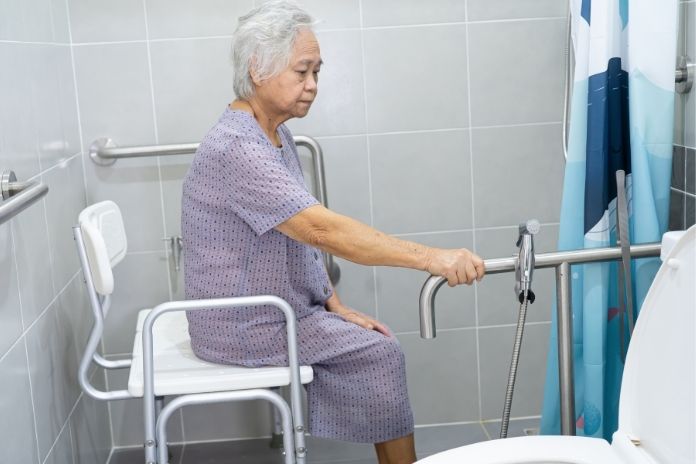
Some groups clearly benefit more.
Some groups benefit more, with the strongest support for people with:
- Perianal skin conditions
- Hemorrhoids and fissures (with low pressure)
- Postpartum care
- Mobility limitations
Good directional support:
- Women with recurrent UTIs (if technique is correct)
- To improve general hygiene
Moderate or limited evidence:
- IBS/IBD hygiene during flare-ups
Use with caution:
- Pregnant women (consult a doctor)
- Women with a history of bacterial vaginosis
- People who use shared bidets (hygiene critical)
So it is not “everyone must use a bidet.” It is “some benefit more, some need caution.”
Read More: Why Sitting Too Long on the Toilet May Raise Your Risk of Hemorrhoids
Conclusion
Bidet is better, but conditionally. Water cleans more effectively and is gentler on skin. That part is clear. Toilet paper has some chemical and irritation concerns, but these are manageable with better choices.
The real deciding factor is how you use it. The wrong technique can turn a helpful tool into a problem. Best practical setup:
- Use a bidet with low pressure and the correct direction
- Pat dry with unscented, unbleached toilet paper
That combination gives hygiene without unnecessary risk.
Medical Disclaimer: This is general health information, not medical advice.
- The cleaning method is less important than the technique, especially the direction and pressure
- Research on bidets is still limited and population-specific, not universal
- High-pressure bidet use is an under-recognized cause of micro-injury
- Toilet paper risks are mostly chemical irritation, not major toxicity
- Biggest gap: long-term microbiome effects of bidet use are still not well studied
FAQs
1. Is a bidet more hygienic than toilet paper?
Yes, because water removes residue instead of spreading it. Studies show lower bacterial contamination with water cleaning. However, hygiene depends on correct use. Poor technique or contaminated nozzles can reduce this benefit. So a bidet is better, but not automatically perfect.
2. Can using a bidet cause infections?
It can, but mainly due to incorrect use. In women, spraying back-to-front can move bacteria towards the urethra.
3. Does toilet paper contain harmful chemicals?
Some toilet paper contains fragrances, dyes, and trace chemicals like PFAS or formaldehyde residues. These are usually in low amounts but can cause irritation in sensitive individuals.
4. Is a bidet good for hemorrhoids?
Yes, when used correctly. Low-pressure warm water can reduce irritation and avoid trauma due to wiping. But high-pressure use can worsen symptoms or even damage tissue. So the benefit depends completely on how gently it is used.
5. Do you still need toilet paper if you use a bidet?
Yes, but for a different role. Toilet paper is mainly useful for drying after washing. Using soft, unscented paper for patting the area dry helps prevent moisture-related irritation while avoiding excessive wiping.
References
- Dalia, Y., Al Khateeb, H., & Patel, T. (2023). The dermatologists’ case for the bidet. International Journal of Women’s Dermatology, 9(3), e103
- Kanayama Katsuse, A., Takahashi, H., Yoshizawa, S., Tateda, K., Nakanishi, Y., Kaneko, A., & Kobayashi, I. (2017). Public health and healthcare-associated risk of electric, warm-water bidet toilets. The Journal of Hospital Infection, 97(3), 296–300.
- Kim, Y., Kim, J. Y., Lee, M., Choi, S., Oh, S., Shim, J., & Roh, C. (2019). Prospective study of bidet toilet use: Association of abnormal vaginal colonization and preterm birth in high‐risk pregnant women. Journal of Obstetrics and Gynaecology Research, 45(6), 1134–1142.
- Ogino, M., Iino, K., & Minoura, S. (2010). Habitual use of warm-water cleaning toilets is related to the aggravation of vaginal microflora. Journal of Obstetrics and Gynaecology Research, 36(5), 1071–1074.
- Oie, S., & Kawai, S. (2021). Microbial contamination of hands with or without the use of bidet toilets (electric toilet seats with water spray) after defecation. Dntb.gov.ua.
- Thompson, J. T., Chen, B., Bowden, J. A., & Townsend, T. G. (2023). Per- and Polyfluoroalkyl Substances in Toilet Paper and the Impact on Wastewater Systems. Environmental Science & Technology Letters.
In this Article