












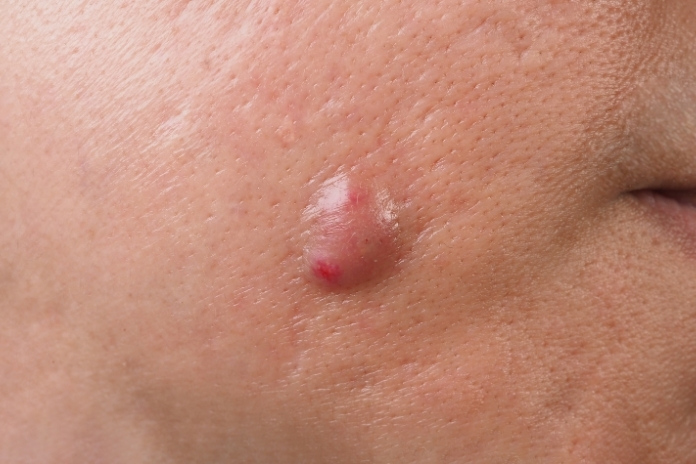
Most of us shrug off a red, tender bump on the skin without thinking twice. It’s easy to assume it’s just a pimple, a clogged pore, or an everyday boil that will settle on its own. Most of the time, you’re right. But every now and then, that lump grows faster than you expect, becomes sharply painful, feels warm, or develops several heads, and that’s when you might be dealing with something deeper: a carbuncle.
A carbuncle isn’t just a bigger boil. It’s a cluster of infected hair follicles that merge beneath the skin, forming a thick, inflamed lump that can spread more quickly and trigger symptoms such as fever, fatigue, or swollen lymph nodes. Because the infection lies deeper and involves more tissue, carbuncles take longer to heal, are more prone to scarring, and can lead to cellulitis if left untreated.
Recognizing the shift from a simple boil to a carbuncle can save you a lot of trouble. Early medical evaluation often means faster treatment, fewer complications, and less discomfort in the long run. In this guide, we’ll walk through what early signs to watch for, what makes a carbuncle different from a regular boil, common risk factors, and the red flags that mean it’s time to see a doctor.
What Exactly Is a Carbuncle?
A carbuncle is essentially a deeper, more interconnected version of a boil. Instead of a single inflamed hair follicle, several neighboring follicles become infected simultaneously, creating a firm, painful lump with multiple draining points.
Staphylococcus aureus is the usual culprit, and as the Mayo Clinic and CDC note, it often slips in through everyday openings, a bit of friction from clothing, a razor nick, an ingrown hair, or even a spot of irritated skin after sweating.
Because the infection spreads under the surface, a carbuncle behaves differently from a simple boil. It’s larger, more swollen, and often feels hot and tender. These clusters show up where moisture, friction, and coarse hair make it easy for bacteria to gain ground: the back of the neck, upper back, buttocks, armpits, and thighs are classic spots.
Healing isn’t quick either. Left alone, a carbuncle can take days to weeks to resolve, and deeper inflammation increases the risk of scarring or secondary infections such as cellulitis. Early care helps contain the spread and speeds up recovery.
According to Mayo Clinic experts, a carbuncle is ‘a cluster of boils that form a connected area of infection under the skin.’ Compared with a single boil, a carbuncle is deeper, more severe, and more likely to leave a scar or cause complications.
Early Signs and Symptoms of a Carbuncle

Spotting a carbuncle early can make a big difference in how quickly it heals and how severe it becomes. What starts as a simple irritated follicle can escalate into a deep, connected infection if the bacteria spread beneath the skin. Here’s the thing: carbuncles behave differently from regular boils, and the early clues are usually loud if you know what to look for.
A Firm, Painful Red Lump That Grows Quickly
A carbuncle often begins as a warm, tender lump that expands faster than a typical boil. The skin around it may feel stretched, hot, and increasingly uncomfortable as inflammation deepens. Johns Hopkins dermatology experts highlight rapid enlargement as one of the earliest distinctions, since it signals that several follicles are already infected rather than just one.
Multiple Pus-Filled Heads
This is the classic giveaway. Instead of a single pointed head like a boil, a carbuncle forms several pus-filled openings that sometimes merge into one large swollen cluster. These soft, yellow or white centers collect as the infection tunnels under the skin. According to StatPearls experts, a carbuncle typically presents as an erythematous, tender, inflamed, fluctuant nodule with multiple draining sinus tracts or pustules on the surface.
Swelling and Skin Thickening
As the infection spreads deeper, the skin may become increasingly swollen, firm, and develop a reddish-purple tone. This thickened texture reflects a strong inflammatory response and shows that the infection has moved beyond a single hair follicle. People often notice that the area feels unusually hard compared to a regular pimple or boil.
Fever, Fatigue, or Chills
Because carbuncles affect deeper layers of tissue, the body often reacts with systemic symptoms. Fever, general fatigue, and chills are signs that the immune system is working hard.
For skin infections due to Staphylococcus aureus (including carbuncles/abscesses), CDC recommends contacting a healthcare provider, especially if there’s drainage, warmth, redness, or if the infection doesn’t improve.
Draining Pus or Crusting
Many carbuncles eventually rupture on their own, releasing thick, sometimes foul-smelling pus. Once the pressure eases, pain usually drops noticeably. But the open wound that remains is vulnerable to further bacterial contamination. Crusting, oozing, or a persistent open sore are all signals that the skin barrier is compromised and needs proper cleaning and care to prevent complications.
 Harvard Health notes that carbuncles often require medical care because they’re deeper and harder for the body to control on its own.
Read More: Hard Lump Under the Skin: Causes, Diagnosis, and When to Worry
What Causes Carbuncles?
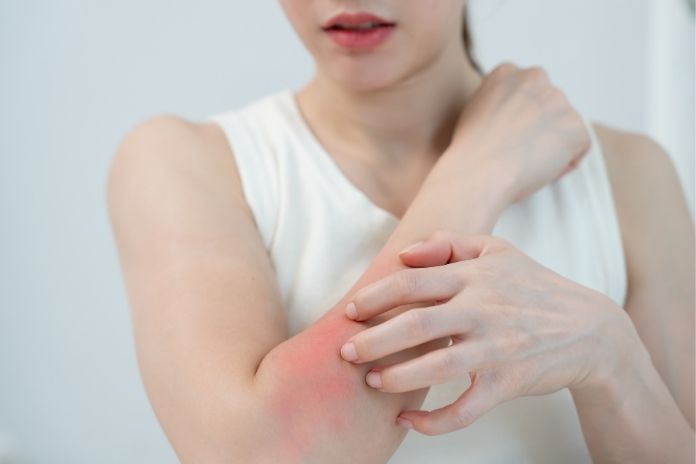
Understanding why carbuncles develop can help prevent them and guide early treatment. These infections usually arise when bacteria invade hair follicles, but several factors make some people more susceptible than others. Knowing the common causes also explains why carbuncles tend to recur in certain areas or individuals.
- Staph Bacterial Infection: The majority of carbuncles are caused by Staphylococcus aureus, including antibiotic-resistant strains like MRSA. These bacteria can enter the skin through tiny cuts, abrasions, or irritated follicles. Shared items like towels, razors, or gym equipment can spread bacteria, making personal hygiene and careful handling crucial.
- Weakened Immune System: People with chronic conditions such as diabetes, kidney disease, or other illnesses, or those taking immunosuppressive medications, are at higher risk. A case report of a patient with a Carbuncle noted that carbuncles often occur in immunocompromised patients, such as those with diabetes, nephritis, malnutrition, or those using corticosteroids for long-term.
- Poor Hygiene or Heavy Sweating: Carbuncles often appear in areas prone to sweat and moisture. Excessive sweating or infrequent cleansing creates a warm, damp environment that allows bacteria to thrive and penetrate hair follicles more easily.
- Skin Irritation and Friction: Anything that damages the skin barrier can invite infection. Tight clothing, repeated friction, shaving, acne, or eczema can all make the skin more vulnerable, giving bacteria a pathway to infect multiple follicles simultaneously.
- Close Contact Transmission: Carbuncles can be contagious, especially in households or communal settings. According to the CDC, staph bacteria can spread through close physical contact or shared fabrics, such as towels, bedding, or clothing. This underscores the importance of hygiene and avoiding sharing personal items during outbreaks.
Read More: Everything You Want to Know About Excessive Sweating
Treatment and Home Care for Carbuncles
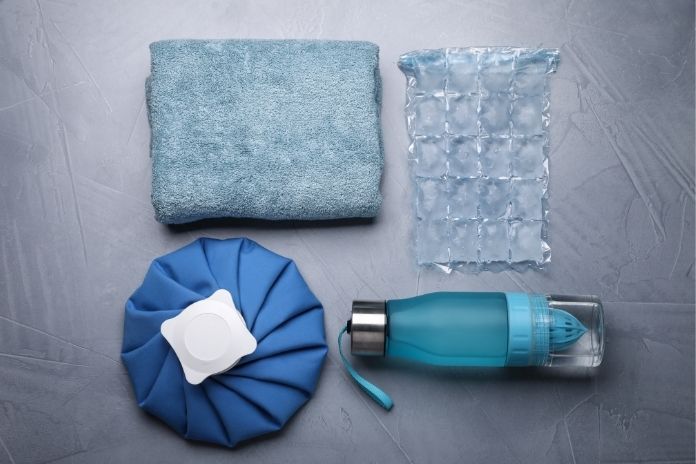
Early and proper care can reduce pain, speed healing, and prevent the infection from spreading. Most small carbuncles can be managed at home, but larger, persistent, or complicated cases require medical attention. Understanding how to care for the affected area and when to seek help is key.
- Warm Compresses: Applying a clean, warm compress for 15–20 minutes several times a day can help draw pus to the surface and encourage natural drainage. Heat improves blood flow to the area, supporting the immune system’s response and reducing discomfort.
- Keep the Area Clean and Protected: Gently wash the carbuncle with mild soap and water. Avoid harsh scrubbing, which can worsen irritation. Covering the lesion with a sterile bandage helps prevent bacteria from spreading to other areas or people.
- Avoid Squeezing or Popping: Resist the urge to lance or squeeze a carbuncle yourself. Doing so can push the infection deeper, increase inflammation, or introduce new bacteria. Let a healthcare professional drain larger carbuncles under sterile conditions if necessary.
- Pain Relief: Over-the-counter pain medications such as acetaminophen or ibuprofen can help reduce swelling and discomfort. Follow dosing instructions carefully, especially in children or people with pre-existing health conditions.
- Antibiotics: Small carbuncles often heal without antibiotics. However, if the infection is significant, recurrent, accompanied by fever, or spreading, a doctor may prescribe oral antibiotics targeted against Staphylococcus aureus, including MRSA if necessary. Always complete the full course to prevent resistance.
- Hygiene and Prevention: Wash hands frequently, avoid sharing personal items like towels or razors, and keep bedding clean. If multiple carbuncles occur, your doctor may check for underlying conditions like diabetes or immune deficiencies.
- Seek Medical Care Promptly: Go to a healthcare provider if the carbuncle grows rapidly, becomes extremely painful, shows red streaks, or is accompanied by fever and chills. Early intervention prevents serious complications such as cellulitis or bloodstream infection.
Complications and Long-Term Effects of Carbuncles
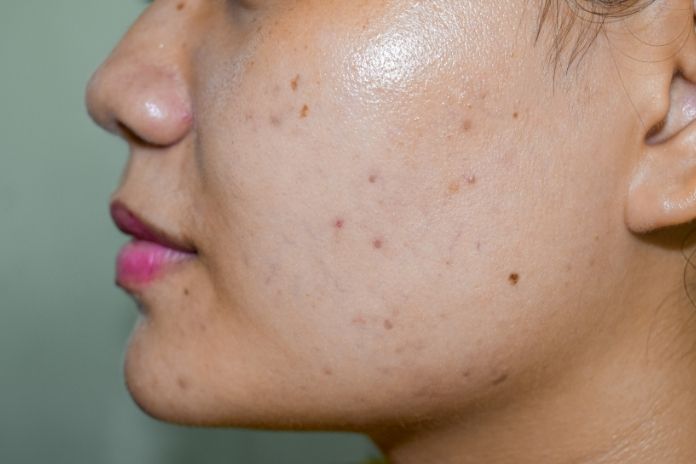
Carbuncles are more than just painful skin bumps; they can lead to serious health problems if left untreated. One of the most common complications is cellulitis, a bacterial infection that spreads to the deeper layers of the skin.
Signs include redness, swelling, warmth, and pain. In severe cases, bacteria can enter the bloodstream, causing sepsis, a potentially life-threatening condition. Individuals with weakened immune systems or chronic illnesses are especially vulnerable.
Potential complications include:
- Scarring and skin discoloration: Deep infections can leave permanent marks or pits, particularly if the carbuncle is self-drained or not appropriately treated.
- Abscess formation: Pockets of pus can form beneath the skin, intensifying pain and requiring professional drainage.
- Systemic symptoms: Fever, chills, fatigue, and malaise are common when the infection affects deeper tissues, signaling the need for medical care.
Recurrent carbuncles are another concern. People with underlying risk factors such as diabetes, obesity, or immune deficiencies may experience repeated infections. Recurrence can occur in the same area or elsewhere on the body if bacteria persist on the skin or in the nasal passages. Managing underlying conditions, improving hygiene, and sometimes prescribing prophylactic antibiotics can reduce recurrence.
Finally, carbuncles can have psychological and social impacts. Chronic pain, scarring, or frequent outbreaks may cause anxiety, embarrassment, or reluctance to engage socially. Education, reassurance, and support from healthcare providers can help patients manage both the physical and emotional aspects of these infections.
Key takeaway: Early recognition and treatment are crucial to avoid these complications. Proper wound care, hygiene, and timely medical attention reduce long-term risks, promote faster healing, and minimize scarring or recurrence. Understanding the potential consequences reinforces why carbuncles should never be ignored.
Prevention and Lifestyle Strategies to Reduce Carbuncle Risk

While understanding causes and treatment is vital, preventing carbuncles from forming in the first place can save pain, discomfort, and potential complications. The risk of recurrence is high for individuals prone to staph infections, so adopting practical hygiene, lifestyle, and immune-supporting measures is key.
- Daily Hygiene Habits: Maintaining clean skin is the first line of defense. Wash hands regularly, especially after touching potentially contaminated surfaces, and shower daily to remove sweat, dirt, and bacteria.
Focus on areas prone to friction and moisture, such as the back of the neck, armpits, groin, and thighs. Keeping the skin clean reduces bacterial buildup and lowers the chance of follicles becoming infected.
- Clothing and Skin Care: Wear loose, breathable fabrics to reduce friction and irritation. Change sweaty clothing promptly, especially after workouts or hot weather. Avoid tight collars, straps, or belts that rub repeatedly against the skin. Soft, natural fabrics like cotton allow the skin to breathe and minimize conditions that favor bacterial growth.
- Hair and Shaving Practices: Coarse or dense hair can trap sweat and bacteria, increasing the likelihood of follicle infections. Use clean, sharp razors and avoid shaving over irritated or broken skin. When possible, gently trim coarse hair rather than removing it entirely, as this reduces micro-injuries that bacteria can exploit.
- Household and Shared Items: Staph bacteria can spread through shared towels, bedding, razors, and gym equipment. Avoid sharing personal items, and regularly launder towels, bed linens, and clothing in hot water. If using communal gym equipment, wipe it down thoroughly before and after use to minimize the risk of transmission.
- Boosting Immune Health: A strong immune system helps the body fight off infections before they escalate. Focus on a balanced diet rich in vitamins and minerals, stay well-hydrated, get sufficient sleep, and manage chronic conditions such as diabetes. Regular exercise and stress reduction techniques can also support immune function.
- Recognizing Early Infection Signs: Early intervention is often the difference between a small boil and a full-blown carbuncle. Learn to identify the first signs of follicle infections: tender lumps, redness, or swelling that grows quickly. Prompt cleansing, warm compresses, or medical evaluation can prevent the infection from deepening and spreading.
“Good hand-washing, routine bathing, keeping cuts or scrapes covered, and avoiding sharing personal items such as towels, razors, or clothing are among the most effective ways to reduce your risk of skin infections, including boils and carbuncles caused by staph.” – based on guidance from the Centers for Disease Control and Prevention.
By incorporating these practices, you not only reduce the likelihood of developing carbuncles but also minimize recurrence if you’ve experienced them before. Consistency is key: small daily habits can significantly impact long-term skin health and infection prevention.
When to See a Doctor
Seek medical attention if:
- The lump exceeds 2 inches or develops multiple pus heads.
- You develop fever, chills, or fatigue.
- The carbuncle is near the spine, face, or groin.
- It doesn’t drain or heal within 10–14 days.
- You have diabetes, kidney disease, or a weakened immune system.
Doctors may recommend drainage, antibiotics, or culture testing, especially if MRSA is suspected.
Quick Recap
Carbuncles are more than just ordinary pimples or boils; they represent a deeper, more aggressive infection involving multiple hair follicles. Unlike a single furuncle, a carbuncle can grow quickly, become extremely tender, and sometimes cause systemic symptoms like fever or fatigue.
Understanding this distinction helps in recognizing when a simple skin bump may actually require careful attention. Early detection and appropriate care are crucial. Signs such as rapid enlargement, multiple pus-filled heads, spreading redness, or thickened skin signal that the infection is more serious than a typical boil.
Applying warm compresses, maintaining hygiene, and monitoring for systemic symptoms can support recovery, but it’s important not to attempt to self-drain large carbuncles, as this can worsen the infection. Prompt medical evaluation is essential when symptoms intensify, the lesion fails to heal within about 2 weeks, or systemic signs such as fever, chills, or red streaks appear.
Timely treatment prevents complications such as cellulitis, scarring, or infection spreading beneath the skin or into the bloodstream. By recognizing early warning signs and seeking care as needed, most carbuncles can be managed effectively, minimizing both discomfort and potential health risks.
FAQs
What’s the difference between a boil and a carbuncle?
A boil (furuncle) is a single infected hair follicle that forms a small, red, pus-filled bump. A carbuncle, however, is a cluster of interconnected boils that merge beneath the skin. Carbuncles are larger, more painful, and often accompanied by systemic symptoms like fever or fatigue. They also take longer to heal and are more likely to leave scars.
Are carbuncles contagious?
Yes, carbuncles can spread to others through close physical contact or by sharing items like towels, razors, or clothing. Good hygiene is essential, including handwashing, avoiding sharing personal items, and keeping affected areas covered. Practicing these habits can reduce the risk of spreading the infection to family members or roommates.
Can carbuncles heal on their own?
Smaller carbuncles may resolve without medical intervention if cared for with warm compresses, proper hygiene, and rest. However, larger or more severe carbuncles often need professional drainage or antibiotics to fully clear the infection. Ignoring treatment can prolong healing and increase the risk of complications.
When should I see a doctor about a carbuncle?
Seek medical attention if the lump grows quickly, develops multiple pus heads, or fails to heal within 10–14 days. Also consult a doctor if the carbuncle is near sensitive areas, such as the face, spine, or groin, or if you develop fever, chills, or fatigue. Early care prevents serious complications like cellulitis or systemic infection.
What are the common causes of carbuncles?
Carbuncles are usually caused by Staphylococcus aureus, which can enter through cuts, irritated follicles, or friction. People with weakened immune systems, diabetes, excessive sweating, poor hygiene, or close contact with infected individuals are at higher risk. Recognizing triggers can help prevent recurrence.
How can I prevent future carbuncles?
Prevention includes proper hygiene, keeping skin clean and dry, avoiding sharing personal items, and managing underlying conditions such as diabetes. Addressing minor boils early, avoiding excessive friction, and using antibacterial cleansers can reduce the likelihood of carbuncle formation.
References
- Apollo 24/7. (n.d.). Boils and carbuncles: Symptoms and treatment
- Apollo Hospitals. (n.d.). Boils and carbuncles
- Health.com. (n.d.). Carbuncle
- Healthdirect Australia. (n.d.). Boils
- HSE. (n.d.). Boils & carbuncle
- Hopkins Medicine. (n.d.). Folliculitis, boils, and carbuncles
- Mayo Clinic. (n.d.). Boils and carbuncles: Symptoms and causes
- MedlinePlus. (n.d.). Carbuncles
- Metropolis India. (n.d.). Boils and carbuncles: Symptoms, causes and effective treatment methods
- National Institutes of Health. (n.d.). Carbuncle. In StatPearls
- Nidirect. (n.d.). Boils and carbuncles
- NHS. (n.d.). Boils
- Perfect Image. (n.d.). Carbuncle
- WebMD. (n.d.). Carbuncles: Causes and treatments
In this Article