

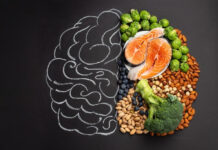

















Ever feel bloated after a meal or drained by afternoon fatigue? In today’s fast-paced life, these signs often point to a deeper issue, explained in Agni Ayurveda, the concept of the body’s Ayurvedic digestive fire. This vital force governs agni digestion, transforming food into energy, building immunity, and supporting mental clarity.
Rooted in ancient texts like the Rig Veda, agni represents transformation at every level of the body and mind. From nutrients to tissues and experiences to awareness, this digestive fire, Ayurveda, keeps life processes active and balanced. Modern science now echoes this idea, recognizing the gut as an intelligent system that influences metabolism, immunity, and overall health.
In this guide, you will explore the types of agni Ayurveda, the different types of agni that govern various bodily functions, strategies on how to strengthen agni, and how maintaining a potent Ayurvedic digestive fire can profoundly influence your health trajectory.
- Agni is your body’s digestive power: it controls how food is converted into energy, supports immunity, and keeps the mind clear. Balanced agni means better health and metabolism.
- Weak agni leads to ama (toxins): poor digestion causes buildup of harmful by-products, similar to gut imbalance and inflammation in modern science.
- Strong agni = better health: regular meals, warm foods, stress control, and seasonal eating help maintain digestion, energy, and overall well-being.
Understanding Agni: Beyond Just Metabolism
When asking what agni is in Ayurveda, move past the idea that it is simply your metabolic rate or stomach activity. Agni is not merely a measure of how fast you burn calories. It is the digestive fire Ayurveda describes as the governing intelligence behind all transformation in the body.
Calling Agni “basically your metabolism” is a useful starting point, but it misses what makes the framework genuinely interesting.
In Ayurveda, Agni operates at three distinct levels:
- Jatharagni, the central fire in the stomach and small intestine that handles the breakdown and assimilation of food
- Bhutagni, the elemental transformation that aligns nutrients with the body’s five elements
- Dhatvagni, tissue-specific metabolic fires that determine the quality of each body tissue (dhatu).
The modern parallel is more precise than simply “metabolism.”
Jatharagni maps meaningfully to gastric acid secretion, bile production, pancreatic enzyme activity, and gut motility, the full suite of digestive processes that determine what the body can extract from food.
According to classical texts like the Charaka Samhita, Dehagni (the body’s Agni) is the cause of life, strength, health, nourishment, luster, Ojas, Teja, and Prana itself. When Agni is extinguished, the individual dies. When it is balanced, Sama Agni, that person leads a long, healthy life.
This framing positions Agni not as a metaphor for calorie burning, but as the intelligence behind every conversion the body performs.
According to these classical texts, Agni sustains life, strength, and vitality. When balanced as sama agni, it supports clarity, immunity, and efficient metabolism. When disturbed, conditions like agni mandagni can lead to ama Ayurveda toxins, reflecting impaired agni digestion and gut imbalance.
Modern science parallels this through enzyme activity, gastric secretions, and the gut microbiome, highlighting how digestion shapes overall health.
13 Types of Agni in Ayurveda

In agni Ayurveda, the body’s digestive fire is organized into 13 distinct types, grouped into three levels. This layered system explains how agni digestion moves from food breakdown to tissue nourishment.
Jatharagni (1 type) is the central fire in the stomach and small intestine. It governs digestion and determines whether food becomes nourishment or ama Ayurveda toxins.
Jatharagni produces two products from everything you eat: Prasada (the nutrient essence distributed to the tissues) and Kitta (waste to be eliminated).
If Jatharagni is impaired, every downstream fire is compromised, because each depends on what the one before it delivers.
Modern nutritional science confirms this cascading logic: the quality of systemic tissue depends entirely on the quality of primary absorption. Its balance is reflected in four states: sama agni, vishamagni, tikshnagni, and agni mandagni.
Bhutagni (5 types) represents elemental metabolism, aligning nutrients with the five elements at a subtle level.
Dhatvagni (7 types) works within each tissue, transforming nutrients into plasma, blood, muscle, fat, bone, marrow, and reproductive tissue.
Dr. Vasant Lad, a senior Ayurvedic physician, explains that the types of Agni Ayurveda together reflect a person’s metabolic and digestive pattern. He emphasizes that balanced Agni is central to health, while any imbalance in these types leads to improper digestion, Ama formation, and increased risk of disease.
Read More: 7 Warning Signs and Side Effects of Poor Digestion You Shouldn’t Ignore
The Four States of Agni
Sama Agni — The Balanced State
In Agni Ayurveda, sama agni represents the ideal state of the digestive fire. Digestion is smooth, hunger appears at the right time, energy stays steady, and elimination is regular. The skin looks clear, and the mind remains sharp.
This balanced agni digestion forms the foundation of health, where nutrients are well absorbed, and ama Ayurveda toxins do not accumulate. The remaining states reflect imbalances that require specific approaches on how to strengthen agni.
Mandagni, Tikshnagni, and Vishamagni — The Imbalanced States
These three imbalanced states of agni Ayurveda show how changes in the digestive fire Ayurveda appear in the body, each with distinct symptoms and patterns.
Making these states personally recognizable is one of the most practical things this framework offers. Most people have experienced one of these patterns, they just didn’t have a name for it.
- Agni Mandagni (Kapha): Picture the person who feels full and heavy after even a modest meal. They tend toward bloating and water retention, digestion is sluggish, and there is a pull toward weight gain, fatigue, and sweet cravings.
Mandagni correlates with slow gastric enzyme secretion, sluggish gut motility, and the microbial dysbiosis associated with obesity in modern research.
- Tikshnagni (Pitta): This is intense, rapid digestion. The person who can eat large amounts and feel hungry again quickly, prone to heartburn, loose stools, skin inflammation, and irritability.
It reflects excess gastric acid production and correlates with conditions like GERD and inflammatory states in the gut.
- Vishamagni (Vata): The most erratic of the three. The same foods cause no trouble one day and produce bloating or gas the next. Digestion varies with stress, season, and emotional state, with constipation alternating with loose stools.
Often triggered by stress and routine changes, Vishamagni correlates with what modern medicine classifies as functional gastrointestinal disorders and stress-related gut dysregulation.
Read More: How to Cure GERD With Natural Remedies
Understanding Ama and Its Health Impact

When the digestive fire in Ayurveda becomes weak or imbalanced, it leads to the formation of ama, literally meaning “uncooked” or improperly processed residue. Ama is the byproduct of incomplete agni digestion, where food and even experiences are not fully transformed. It is described as heavy, sticky, cold, and obstructive, opposing the clarity and lightness of balanced digestion.
Over time, ama accumulates in the digestive tract, blocks bodily channels, and spreads into tissues, contributing to systemic imbalance and disease.
In Ayurvedic texts, there is also a secondary, reactive stage called Amavisha, where Ama becomes more aggressive and spreads into the deeper tissues.
This progression maps closely to what modern research describes as intestinal permeability (“leaky gut”), leading to systemic inflammatory disease, currently one of the most actively researched areas in gastroenterology. Ayurveda described this mechanism in principle long before the molecular details became available.
In modern terms, this corresponds to the accumulation of microbial metabolites, lipopolysaccharides (LPS), and other endotoxins produced by gram-negative bacteria.
Disruption in the agni gut microbiome leads to the release of endotoxins, which trigger chronic low-grade inflammation. This process is now linked to conditions such as obesity, insulin resistance, fatigue, and mood disorders, reflecting Ayurveda’s early insight into the root causes of disease.
In a healthy state, the gut microbiome plays a crucial role in nutrient metabolism, immune modulation, and maintenance of the intestinal barrier. However, when agni is weakened, conceptually similar to impaired digestion and altered microbial activity, food is not properly broken down, leading to the formation of toxic by-products.
A 2013 PMC study titled “Critical review and validation of the concept of Āma” says that Ama is the toxic by‑product of impaired digestion and metabolism that accumulates in the gut and marks the transition from normal physiology to disease.
The study also explains that Ama arises when Agni is weak (especially with Kapha involvement) and spreads through the body to initiate inflammatory and systemic disorders.
Read More: 15 Effective Home Remedies to Relieve Stomach Bloating
Scientific Insights into Agni and Digestion
Contemporary research in gut health reflects many ideas found in agni Ayurveda, even if described differently. The gut microbiome, a vast community of microorganisms, is now recognized as a key regulator of metabolism, immunity, mood, and disease risk.
The connection goes deeper than a general parallel. Balanced Agni in Ayurvedic terms correlates with a diverse, well-functioning microbiome.
Ama, as a concept, finds its clearest modern analog in gut dysbiosis: when the microbial balance is disrupted, the gut produces elevated levels of LPS, which enter the bloodstream and cause metabolic endotoxemia, a state of systemic low-grade inflammation.
Both systems, one ancient and philosophical, one modern and molecular, describe the same breakdown of digestive efficiency and the same downstream accumulation of inflammatory burden.
A 2020 study showed that people with different Ayurvedic Prakriti types (Vata, Pitta, Kapha) had distinct gut and oral microbiome profiles, suggesting that constitutional differences correlated with individual microbial signatures and may have helped tailor personalized Ayurvedic approaches.
In addition, emerging research on the gut-brain axis, gut-liver connection, and circadian rhythms supports the Ayurvedic focus on daily routines and internal balance. Together, these findings highlight a growing convergence between modern science and the principles of digestive fire Ayurveda.
How to Keep Agni Strong
Daily and Dietary Practices and Why They Work
These everyday habits in agni Ayurveda are designed to support and strengthen the digestive fire Ayurveda by aligning with the body’s natural rhythms and improving overall agni digestion.
Connecting the “why” to each practice transforms a generic wellness list into something grounded and memorable and makes it far easier to stick with in daily life, or what Ayurveda calls dinacharya agni, the daily routine that sustains digestive fire.
- Eat at Consistent Mealtimes: Regular eating patterns align agni digestion with circadian rhythms. The gut microbiome fluctuates with 24-hour cycles calibrated to feeding patterns, so consistent mealtimes synchronize microbiome activity with gastric secretion cycles, supporting efficient digestion and a balanced gut microbiome.
- Make Lunch Your Largest Meal: Gastric acid secretion and digestive capacity peak around midday, making it the ideal time for heavier foods and better nutrient absorption. Both Ayurveda and modern chronobiology agree on this timing.
- Avoid Frequent Snacking: Between meals, the gut runs a self-cleaning cycle called the migrating motor complex (MMC). Frequent eating suppresses it. Gaps between meals allow the MMC to clear the gut, preventing buildup and supporting efficient digestion. This is the biological mechanism behind the Ayurvedic guidance to let the previous meal fully digest before eating again.
- Use Warm Foods: Ginger enhances gastric motility and accelerates gastric emptying; cumin promotes bile flow; and fennel relaxes smooth muscle in the digestive tract, easing discomfort after meals. These are not just cultural preferences; research supports their specific mechanisms in strengthening the digestive fire.
- Include Triphala: This three-fruit Ayurvedic formulation supports gut health by improving microbial balance and reducing inflammation. Research shows Triphala promotes the growth of beneficial Bifidobacteria and Lactobacillus while inhibiting more inflammatory gut residents, making it one of the most studied Ayurvedic herbs for digestion.
- Manage Stress Effectively: Psychological stress disrupts digestion through the gut-brain axis. The Charaka Samhita identifies Chinta (worry and anxiety) as a primary cause of Agni impairment, and modern research confirms that stress impairs gut motility, alters microbiome composition, and suppresses digestive secretions. Mental balance is not a soft add-on to gut health; it is essential for maintaining strong agni Ayurveda.
Aligning Your Diet with Seasonal Agni

In agni Ayurveda, digestive strength is not constant but changes with the seasons, a concept known as Ritucharya. Agni is strongest in winter, supporting heavier and nourishing foods, moderate during monsoon and autumn, and weakest in summer when lighter, cooling foods are preferred to prevent overload of the digestive fire Ayurveda.
Modern research supports this seasonal variation, showing that the agni gut microbiome shifts with environmental and dietary changes. Metabolic needs also adapt to temperature, requiring more energy-dense foods in colder months and lighter, hydrating foods in warmer months.
A 2026 Ayurvedic study titled “Ritucharya and Rutuharitaki: Seasonal Modulation of Agni, Dosha, and Immune Strength” shows that Agni fluctuates with seasons, being strongest in Hemanta–Shishira (winter) and comparatively weaker in Grishma (summer) and Varsha (monsoon).
The study explains that following seasonal regimens (Ritucharya) and specific herbs in each Ritu helps maintain balanced Agni, supports Dosha equilibrium, and prevents Ama‑driven immune and metabolic disorders.
Aligning diet with seasonal changes helps maintain balanced agni digestion, supporting overall health and resilience throughout the year.
Conclusion
Agni Ayurveda has been central to health for thousands of years, describing how the body transforms food, experiences, and nutrients into vitality through the Ayurvedic digestive fire.
Today, modern science is uncovering strikingly similar principles through the study of the gut microbiome, circadian rhythms, inflammation, and the gut-brain axis. While the language differs, the overlap is substantive.
The two systems do not map onto each other perfectly. Ayurveda is a complete philosophical and clinical tradition, not simply an early draft of biochemistry, but the convergence is real enough to make agni digestion far more than a metaphor. It is a meaningful, practical framework for understanding metabolism, resilience, and long-term well-being.
References
- Therapeutic uses of Triphala in Ayurvedic medicine. PubMed Central (PMC). 2017. Accessed April 13, 2026.
- Fennel tea has a region-specific effect on the motility of the stomach. PubMed Central (PMC). Published November 9, 2025. Accessed April 13, 2026.
- Effect of ginger on gastric motility and symptoms of functional dyspepsia. PubMed. Published January 6, 2011. Accessed April 13, 2026.
- Psychophysiology of the gut-brain axis in Ayurveda. Journal of Ayurveda and Integrative Medical Sciences. 2025. Accessed April 13, 2026.
- Exploring the signature gut and oral microbiome in individuals of Prakriti types. PubMed. Published December 31, 2020. Accessed April 13, 2026.
- Agni: An ancient key—How to strengthen immunity. YouTube. Published October 28, 2020. Accessed April 13, 2026.
- A conceptual study on the role of Jatharāgni in human metabolism. Swasth Journal. 2025;2(1). Accessed April 13, 2026.
- Mandagni and its effect on metabolic disorders such as obesity and diabetes. International Journal of AYUSH. 2025. Accessed April 13, 2026.
- Physiological aspects of Agni. PubMed Central (PMC). 2011. Accessed April 13, 2026.
- The 13 types of Agni in Ayurveda: The metabolic fires of life. Ayurvedic India. 2026. Accessed April 13, 2026.
In this Article