
















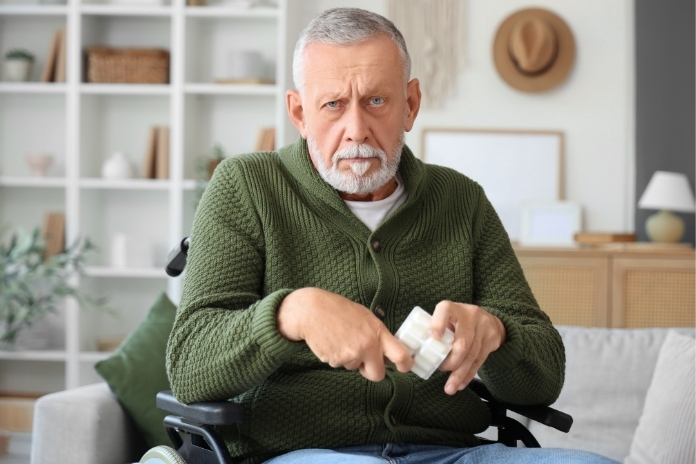
Bradykinesia is the medical term for movements that are slower than normal. It is not muscle weakness, and it is not stiffness, though both can coexist with it. It is a specific slowing of the planning, initiation, and execution of movement that affects everything from standing up from a chair to buttoning a shirt to the automatic swing of your arms when you walk.
Understanding what bradykinesia is matters because it is far more than a minor inconvenience. It is the most consistent motor feature of Parkinson’s disease and a clinically significant marker of several other neurological conditions. Most people first notice bradykinesia symptoms in small, everyday ways.
Handwriting becomes smaller and slower. Facial expressions take longer to form. Repetitive movements like clapping or tapping fingers become progressively smaller as they continue. None of these changes are dramatic in the early stages, which is part of why bradykinesia causes often go unrecognized for months or years before a formal diagnosis is reached.
Its clinical significance is hard to overstate. Bradykinesia is one of the four cardinal motor symptoms of Parkinson’s disease, alongside resting tremor, rigidity, and postural instability. It is the only one of the four that must be present for a diagnosis. Tremor is absent in up to 30% of Parkinson’s patients. The overlap of Bradykinesia and Parkinson’s disease is present in virtually 100% of cases.
Understanding its causes, recognition, and bradykinesia treatment is foundational to understanding the disease itself. The slowed movements medical definition encompasses more than just slowness. Bradykinesia also includes reduced amplitude of movement and loss of automatic motor behaviors that normally happen without conscious thought.
The challenge is that these changes develop so gradually that many patients and families attribute them to normal aging long before they seek evaluation.
- Bradykinesia means abnormally slow movement and is essential for diagnosing Parkinson’s disease. It often starts subtly and is mistaken for normal aging.
- Early signs include reduced arm swing, smaller handwriting, and loss of facial expression. These changes develop gradually and are easy to overlook.
- Bradykinesia isn’t limited to Parkinson’s and can have multiple causes. Stroke, hypothyroidism, medications, and other disorders may also be responsible.
- Correct diagnosis is key because treatment depends on the underlying cause. Persistent or unexplained slowing of movement needs a neurological evaluation.
The Dopamine Deficit That Slows Everything Down

What is bradykinesia at a biological level? It is caused by a reduction in dopamine in the brain. Dopamine is a neurotransmitter whose primary role in the motor system is to facilitate smooth, coordinated communication between nerve cells in the basal ganglia, the brain’s movement control center.
When dopamine levels fall below a functional threshold, that communication breaks down, and the output is slowed movements, which medical professionals recognize as bradykinesia.
A comprehensive review describes the mechanism directly: the loss of dopaminergic neurons in the substantia nigra pars compacta disrupts the balance between the direct and indirect pathways of the basal ganglia.
The indirect pathway becomes overactive while the direct pathway is suppressed, producing a net effect of reduced motor output. This is not a simple on/off deficit. It is a circuit-level disruption that affects the scaling and timing of every voluntary and automatic movement the person tries to make.
The StatPearls clinical review of Parkinson’s disease published on NCBI notes a clinically important fact: by the time a Parkinson’s diagnosis is made, more than 50% and up to 80% of the dopaminergic neurons in the substantia nigra have already degenerated. This is precisely why early recognition of bradykinesia symptoms matters so much.
The window for identifying the condition before substantial neurological damage has accumulated is narrow, and the symptoms that appear in that window are often subtle enough to be dismissed.
Explainer Box: The basal ganglia are the brain’s movement control center. The substantia nigra is the region within the basal ganglia that produces dopamine. When substantia nigra neurons degenerate, as in Parkinson’s disease, the entire movement circuit slows. Bradykinesia is the behavioral expression of that circuit-level failure.
Bradykinesia Symptoms: What Slowed Movement Actually Looks Like
The Visible Signs: Voluntary and Automatic Movements
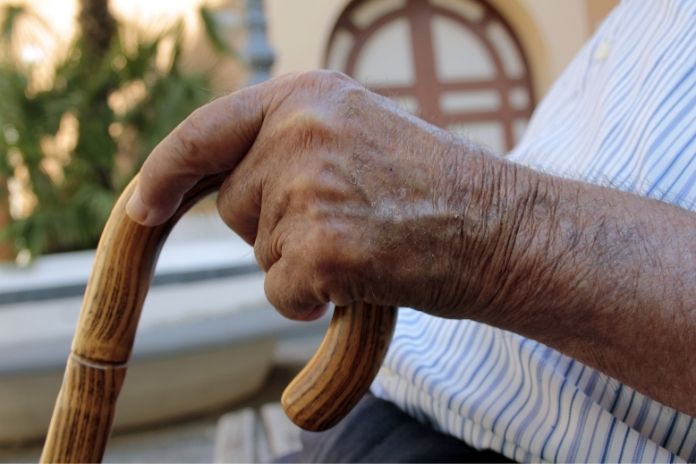
Bradykinesia symptoms manifest differently across voluntary and automatic movements. Voluntary movements, those you consciously initiate, become slower and require more effort. Automatic movements, those that the body performs without deliberate thought, diminish or disappear entirely.
The most commonly reported symptoms of bradykinesia include reduced arm swing while walking, often one of the first signs noticed by others; the masked facial expression seen in Parkinson’s disease, where expressions are slower to form and reduced in amplitude; micrographia, in which handwriting becomes progressively smaller and more cramped; monotonic and quieter speech; decreased eye blinking; and drooling due to reduced spontaneous swallowing.
Dr. Joohi Jimenez-Shahed, MD, describes what patients experience directly: “When you have Parkinson’s with bradykinesia, you may blink less. Your arms may not swing when you walk. Or you may stop sometimes in the middle of a movement. Clapping or tapping your hands may be hard to do. Your feet may shuffle when you walk,” she told WebMD.
The Sequence Effect, A Distinctive Pattern
One of the most clinically distinctive bradykinesia symptoms is the sequence effect. Parkinson’s patients experience repetitive movements that become progressively smaller or slower as they continue, rather than remaining consistent.
A patient asked to tap their finger and thumb together will show decreasing amplitude over 10 repetitions. Steps during walking become shorter and closer together the longer the walk continues.
Freezing, in which a person intends to move but cannot initiate the movement, is closely related and represents one of the most disabling features of bradykinesia Parkinson’s disease produces. It occurs most often when initiating movement, turning, or passing through doorways and carries a significant fall risk.
Bradykinesia vs. tremor is a distinction worth understanding clearly: tremor involves involuntary rhythmic movement, whereas bradykinesia involves slowness and reduction of intended movement. Both can coexist, but they reflect different aspects of the motor circuit disruption.
When Bradykinesia Symptoms Are Unpredictable
Bradykinesia symptoms fluctuate with medication timing. During periods when levodopa bradykinesia management is working and dopamine levels are supported, movement can be close to normal. During off periods, when medication has worn off and dopamine falls again, bradykinesia returns significantly. This fluctuation becomes more pronounced as Parkinson’s progresses and the therapeutic window of levodopa narrows.
Bradykinesia Causes: Parkinson’s and Beyond

Parkinson’s disease is the second most common progressive neurodegenerative disorder, affecting 2 to 3% of people over 65. It is the most common of all bradykinesia causes, and the presence of bradykinesia is required for a Parkinson’s diagnosis under the current Movement Disorder Society Clinical Diagnostic Criteria.
Dr. Benjamin Walter, MD, frames the centrality of the bradykinesia-Parkinson’s disease relationship directly: “Bradykinesia is really ubiquitous in Parkinson’s disease. Every patient, by definition, has to have some bradykinesia to meet the diagnosis of Parkinson’s by the criteria that are really followed today. That is the most cardinal of the cardinal symptoms,” he explained.
Read More: Parkinson’s Disease in Women
Other Conditions Among Bradykinesia Causes
Bradykinesia causes extend beyond Parkinson’s disease. The symptom also appears in atypical Parkinsonism or Parkinson-plus syndromes, including Lewy body dementia, multiple system atrophy, and progressive supranuclear palsy. These conditions display bradykinesia alongside additional clinical features that distinguish them from idiopathic Parkinson’s.
Among other bradykinesia causes, stroke, brain tumor, and hypothyroidism can all produce slowed movements. Medical professionals must distinguish these from neurodegenerative disease before settling on a bradykinesia treatment approach.
Medication-Induced Bradykinesia
Among the less recognized bradykinesia causes is medication use. Antipsychotics that block dopamine receptors, including haloperidol and metoclopramide, a dopamine antagonist used to treat nausea, can produce bradykinesia as a side effect.
In these cases, reducing or discontinuing the offending medication may resolve or significantly reduce bradykinesia symptoms. Medication-induced bradykinesia is clinically important to identify because it is potentially reversible and does not require the same bradykinesia treatment approach as Parkinson’s-related disease.
Important: Do not adjust medications independently if you suspect medication-induced bradykinesia. The cause determines the bradykinesia treatment, and self-adjustment of dopamine-related medications carries meaningful risks.
How Bradykinesia Is Diagnosed
What the Clinical Examination Involves
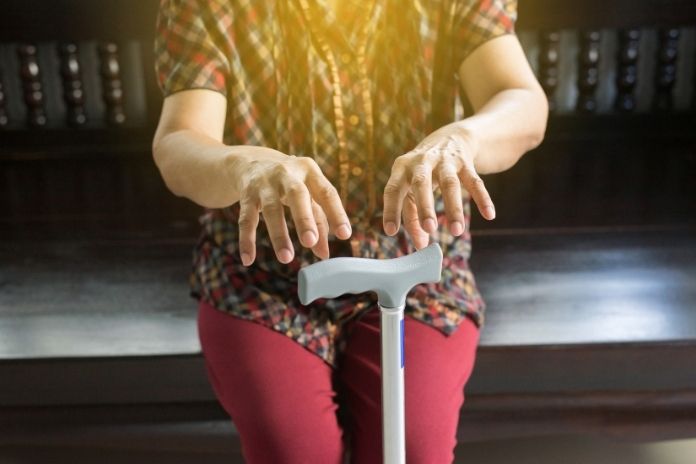
Bradykinesia is diagnosed when an individual shows difficulty performing rapidly alternating movements. Standard examination tasks include tapping the thumb and index finger together, rotating the palms alternately up and down, and tapping the foot.
Clinicians assess for decreased speed, decreased amplitude, and the sequence effect that Parkinson’s patients typically demonstrate. This pattern helps distinguish bradykinesia from other movement disorders, such as cerebellar ataxia, where the slowing pattern and associated signs differ.
Under the current Movement Disorder Society Diagnostic Criteria, bradykinesia must be present alongside at least one of resting tremor or rigidity for a Parkinson’s disease diagnosis to be considered. In the bradykinesia vs. tremor distinction, bradykinesia is the non-negotiable diagnostic requirement, while tremor is not.
Dr. Rachel Dolhun, MD, emphasizes the importance of recognizing the full symptom picture in Parkinson’s evaluation: “Not as many people are familiar with the other side of Parkinson’s, the non-movement symptoms that can happen,” she noted, pointing out that non-motor features like smell loss and sleep disturbances can precede bradykinesia symptoms by years and form part of a complete diagnostic picture.
The BRAIN Tap Test Diagnosis
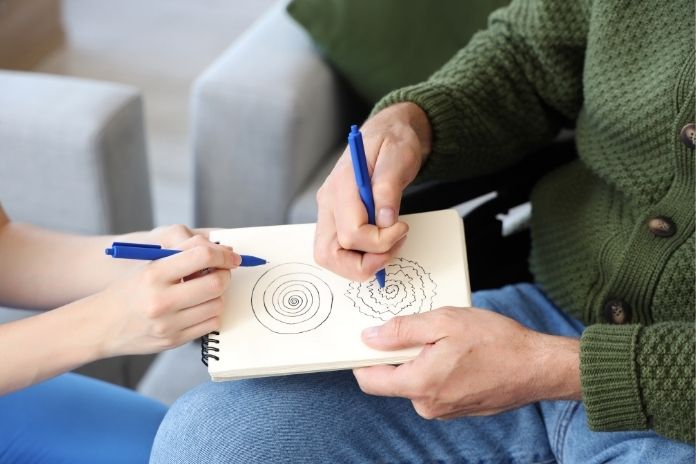
The Bradykinesia Akinesia Incoordination test, known as the BRAIN tap test diagnosis tool, is a keyboard-tapping task that objectively assesses upper-limb motor function. It involves alternating-finger tapping on two keys as rapidly as possible for 30 seconds. Individuals with bradykinesia typically perform more slowly than expected, with decreasing amplitude over the test period reflecting the sequence effect.
Hypokinesia and akinesia both refer to related reductions in movement amplitude and initiation that the BRAIN test also captures alongside pure bradykinesia measurement. The BRAIN tap test provides quantifiable, reproducible data that reduces diagnostic subjectivity.
Imaging and Ruling Out Other Causes
DAT imaging, the dopamine transporter scan, can detect presynaptic dopaminergic degeneration with high sensitivity and is used to differentiate Parkinson’s disease from drug-induced or vascular Parkinsonism. Blood tests, MRI, and thyroid function tests help rule out non-neurological bradykinesia causes, including hypothyroidism and structural brain lesions.
Bradykinesia Treatment: What Manages Slowed Movement and How
Levodopa, The Gold Standard of Bradykinesia Treatment
Levodopa bradykinesia treatment is the most effective pharmacological approach available. Levodopa works by crossing the blood-brain barrier and converting to dopamine in the brain, restoring the neurotransmitter levels depleted by substantia nigra degeneration.
Most people with Parkinson’s experience meaningful improvement in bradykinesia symptoms when they begin levodopa therapy, with movement speed and coordination improving significantly during on periods.
A PMC review of carbidopa/levodopa pharmacotherapy confirms that the combination effectively ameliorates bradykinesia and rigidity and is supported as first-line bradykinesia treatment for Parkinson’s motor symptoms, particularly in older adults, where tolerability compared to dopamine agonists is superior.
Carbidopa prevents levodopa from converting to dopamine in the periphery before reaching the brain, allowing a higher concentration to reach the substantia nigra pathway, where it is needed.
Other Medications in Bradykinesia Treatment
Dopamine agonists, MAO-B inhibitors, and amantadine can be used alone or in combination with levodopa as part of a broader bradykinesia treatment plan. During off periods when Bradykinesia symptoms return as levodopa wears off; adjusting dose timing or adding adjunct medications may help. These adjustments should always be made in consultation with a neurologist rather than independently.
Read More: Supplements to Take for Common Health Issues
Deep Brain Stimulation Bradykinesia Management
When medications no longer provide adequate control, deep brain stimulation bradykinesia management may be considered. A surgeon implants electrodes into specific brain targets, most commonly the subthalamic nucleus or globus pallidus internus, connected to a neurostimulator placed under the skin. The device delivers electrical impulses that modulate the abnormal basal ganglia signaling responsible for slowed movements.
Dr. Michael S. Okun, MD, published a landmark overview of deep brain stimulation for Parkinson’s disease in the New England Journal of Medicine, establishing the evidence base for deep brain stimulation bradykinesia outcomes as one of the most validated surgical interventions in neurology.
Dr. Michael S. Okun, MD, described the trajectory: “When we started in 2002, there were only a handful of places in the U.S. that did it. There was a lot of skepticism about the operation from internists and neurologists,” he told the University of Florida, noting that deep brain stimulation bradykinesia outcomes have since become among the most validated in neurosurgery.
Exercise as Bradykinesia Treatment
Exercise should be part of every bradykinesia treatment plan. Research supports that aerobic exercise, resistance training, and dance-based movement therapies improve movement speed, balance, and motor control in people with Parkinson’s.
Music therapy has evidence for reducing bradykinesia symptoms specifically, likely through rhythmic auditory cueing. A Parkinson’s-specialized physiotherapist can tailor a movement program to a person’s current stage and specific motor profile.
Read More: What Is Somatic Yoga? A Beginner’s Guide to This Gentle Movement Practice
Conclusion: Recognize It Early, Treat It Strategically
Bradykinesia is the most consistent motor feature in Parkinson’s disease and a recognizable sign of several other neurological conditions and medication effects. It is not a normal part of aging.
What is bradykinesia in practical terms? Bradykinesia is a progressive slowing that touches every corner of daily life: handwriting, walking, facial expression, and speech. Bradykinesia symptoms that are caught and evaluated early create the opportunity for earlier bradykinesia treatment before the disease has progressed further.
There is no cure, but meaningful symptom control is achievable for most people with appropriate levodopa bradykinesia therapy, adjunct medications, deep brain stimulation bradykinesia management when indicated, and regular exercise.
If you or a loved one notices unexplained, persistent slowing of movement, particularly when accompanied by reduced arm swing or masked face, as Parkinson’s patients typically describe, or micrographia or bradykinesia, see a neurologist rather than attributing it to normal aging.
Medical Disclaimer: This article is for informational purposes only and does not constitute medical or neurological advice. Always consult a qualified healthcare provider regarding any symptoms or concerns about movement changes.
References
- Dolhun, R. (2021). MJFF’s Dr. Rachel Dolhun shares what to know about better brain health and Parkinson’s. Michael J. Fox Foundation.
- Jimenez-Shahed, J. (2025). What causes bradykinesia? Symptoms of movement disorders and more. WebMD.
- Okun, M. S. (2012). Deep-brain stimulation for Parkinson’s disease. New England Journal of Medicine, 367(16), 1529-1538.
- Okun, M. S. (2012). Dr. Okun publishes overview of DBS for PD in NEJM. UF Health Movement Disorders.
- Parkinson’s Foundation. (2023). Episode 97: Understanding bradykinesia and dyskinesia. Parkinson’s Foundation Podcast.
- Shulman, J. M., De Jager, P. L., & Feany, M. B. (2023). Parkinson’s disease: Genetics and pathogenesis. StatPearls NCBI.
- Stoker, T. B., & Barker, R. A. (2020). Depletion of dopamine in Parkinson’s disease and relevant therapeutic options. PMC.
- Tompkins, T. A., & Bhidayasiri, R. (2015). Introduction to the pharmacotherapy of Parkinson’s disease. PMC.
- Cleveland Clinic. (n.d.). Bradykinesia (slowness of movement): What it is, causes, diagnosis & treatment.
- Parkinson’s Foundation. (n.d.). Bradykinesia.
- Mayo Clinic. (n.d.). Parkinson’s disease: Symptoms and causes.
- Deyenamics. (n.d.). How to recognize bradykinesia over common slow movements.
- Physiopedia. (n.d.). Bradykinesia.
- National Institute of Neurological Disorders and Stroke. (n.d.). Parkinson’s disease.
- Max Healthcare. (n.d.). Bradykinesia: Symptoms, causes & treatment.
In this Article