













When we talk about foods that lower colorectal cancer risk, people usually expect a simple list. But this topic is not that simple. Colorectal cancer (CRC) is one of the most common cancers globally, and now cases are rising even in people below 50.
Because of this trend, screening guidelines were updated, and many health bodies now recommend starting screening at age 45. “Every year, colon cancer is one of the leading causes of cancer-related death in the United States alone,” colorectal surgeon Dr. Scott Steele stresses, “but there’s a lot you can do to lower your risk and to catch the disease in its early stages.”
Diet is one of the few things we can actually control. Research suggests that diet, along with weight and physical activity, may influence a significant portion of colorectal cancer cases. But an important thing: no single food can prevent cancer. The evidence is not equal for all foods. Some have strong data, some only early signals.
In this article, we will not just answer this question: What to eat to prevent colon cancer? We will look at what level of evidence exists, what mechanism is behind it, and where research is still weak.
Also important: diet is helpful, but it cannot replace screening like a colonoscopy. Dr. Alessandro Fichera, a colorectal surgeon, advises early screening – with a colonoscopy – at least 10 years prior to when your relative was initially diagnosed.
- Calcium (especially from dairy or equivalent sources) has the strongest evidence. Whole grains and legumes reduce risk mainly via butyrate production.
- Fatty fish offers moderate benefit, mainly as a whole food.
- Garlic shows a possible but limited protective effect. Diet helps, but screening after age 45 is essential..
Why the Gut Microbiome, and Butyrate, Connect So Many of These Foods
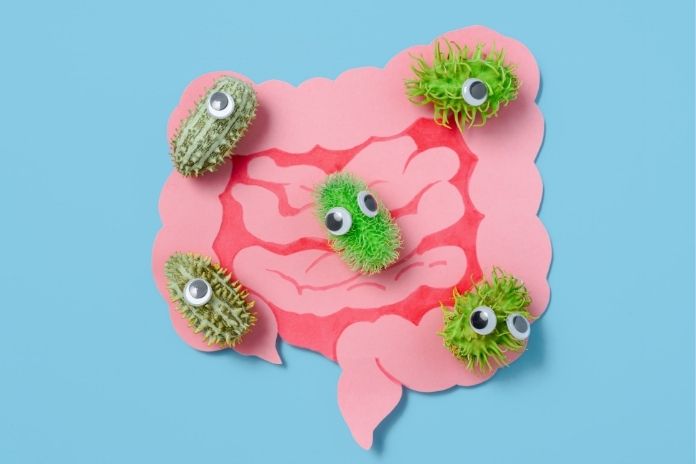
If you look carefully, many “colon cancer prevention foods” look very different, like grains, beans, and fish, but they still connect at one point: the gut microbiome. When you eat fiber and resistant starch, your gut bacteria ferment it. This fermentation produces short-chain fatty acids, especially butyrate.
Butyrate is not just some byproduct. It does multiple roles at once. It is the main fuel for colon cells. When levels are good, the colon lining stays stable and less inflamed. Butyrate also does something more intriguing: it can slow down abnormal cell growth and trigger damaged cells to die naturally. This is one of the key ways it may influence cancer risk.
This is why whole grains, legumes, and even fatty fish (indirectly through microbiome changes) appear again and again in research. So instead of thinking, “Eat this one superfood,” it is better to think, “What kind of internal environment do these foods create inside the colon?”
1. Dairy and Calcium-Rich Foods
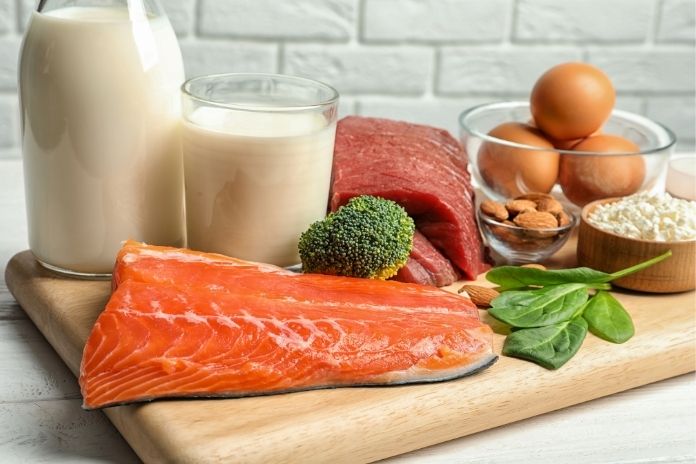
Evidence Level: Strongest. Among all dietary factors, calcium intake shows the most consistent association with lower colorectal cancer risk. A very large 2025 study (including over 500,000 participants and a long follow-up) found that:
- Around 17% lower risk per ~300 mg/day calcium intake
- Around 14% lower risk with regular milk consumption
- Genetic analysis suggested an even stronger reduction (~40%) in people predisposed to higher milk intake
This is not just correlation-level data; the genetic analysis adds weight that this may be closer to a causal relationship.
How calcium works:
Calcium does something very physical in the gut:
- It binds to bile acids and free fatty acids
- These substances, in excess, can irritate the colon lining and may promote cancer changes
- Calcium makes them less harmful by neutralising them
Also, it may slow abnormal cell division. It may support normal cell turnover. An important detail that many miss. This effect is not limited to dairy. Calcium itself is key.
Sources:
- Milk, yogurt, cheese
- Fortified plant milk
- Calcium-set tofu
- Sardines/salmon with bones
- Green vegetables like broccoli, kale
Caution:
- The strongest data comes from specific populations (like women in Europe)
- But the calcium effect is seen across different studies, so it is not limited to one group
Read More: Is High Fructose Corn Syrup Directly Feeding Cancer? New Study Suggests So
2. Whole Grains
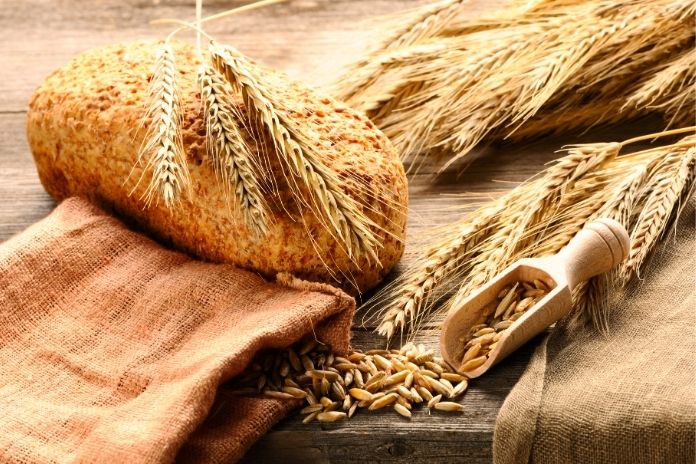
Evidence Level: Probable. Whole grains are consistently linked with lower colorectal cancer risk, though not as strongly as calcium. Data shows around a 12–17% lower risk with ~90 g/day of whole grains. A similar reduction is seen with a higher fiber intake. But the interesting part is not just fiber.
Mechanisms:
- Faster transit time
Insoluble fiber reduces how long waste stays in the colon. Less contact time = less exposure to harmful compounds. - Butyrate production
Fermentable fiber feeds gut bacteria; this produces butyrate (as explained above) - Bioactive compounds
Whole grains contain lignans and antioxidants, which may influence hormone metabolism and inflammation.
A recent study also showed that replacing processed meat with whole grains improved both microbiome profile and cancer risk markers. This “replacement effect” is very important but often ignored.
Sources:
- Oats
- Brown rice
- Whole wheat bread
- Barley
- Rye
- Quinoa
Practical point: You don’t need to add extra food. Just replace refined grains with whole ones.
Read More: Colon Cancer – Types, Stages, Diagnosis, Treatment And Prevention
3. Legumes
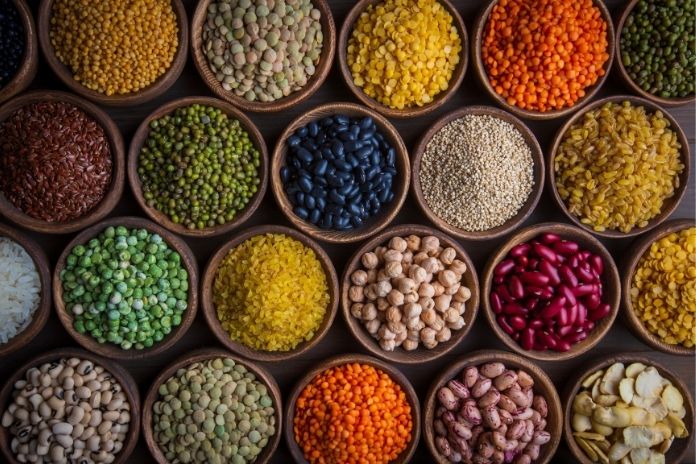
Evidence Level: Moderate but consistent. Legumes are often discussed for heart health, but their role in colorectal cancer is not widely explained properly. Meta-analyses suggest around an 8–18% lower risk in higher consumers. What makes legumes special is not just fiber; it is resistant starch.
Mechanisms:
- Butyrate production from fiber and resistant starch
- Folate content supports DNA repair processes
- High fiber improves stool bulk and transit
This combination is different from grains. Legumes feed a slightly different microbial pathway.
Sources:
- Lentils
- Chickpeas
- Kidney beans
- Black beans
- Soy (tofu, edamame)
Practical point: Even ½ cup per day is enough to show benefits. Also, canned beans are good; no need for any complicated preparation.
4. Fatty Fish
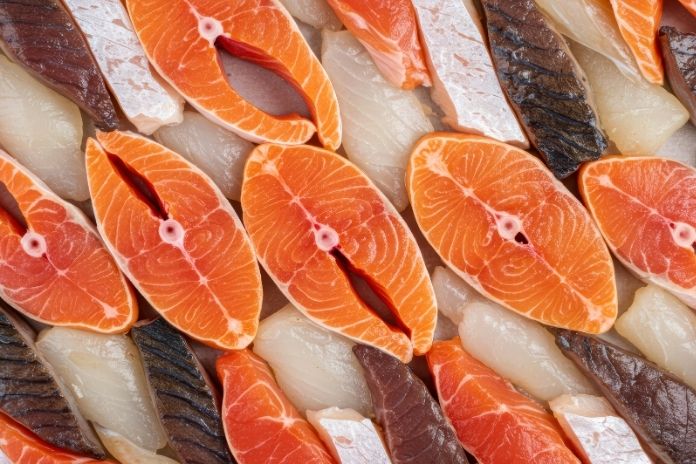
Evidence Level: Moderate, mixed. Fatty fish is more complicated. The evidence is not as strong or consistent as calcium or fiber-rich foods. Still, there is a pattern: regular fish consumption shows a modest reduction in risk.
Mechanisms:
- Rich in omega-3 fatty acids (EPA, DHA)
- These reduce inflammation, especially pathways like COX-2, which are linked with tumor growth
- May slow abnormal cell growth and support apoptosis
A newer angle: Some studies show omega-3 intake can increase butyrate-producing bacteria in the gut. This indirectly links fish to the microbiome pathway. Important caveat: Supplements do not show the same consistency. Whole fish seems more reliable than omega-3 capsules
Sources:
- Salmon
- Sardines
- Mackerel
- Anchovies
- Trout
Recommendation: Around 2–3 servings per week
Read More: Think You’re Too Young for Cancer? 75% of Patients Thought So Too
5. Garlic and Allium Vegetables
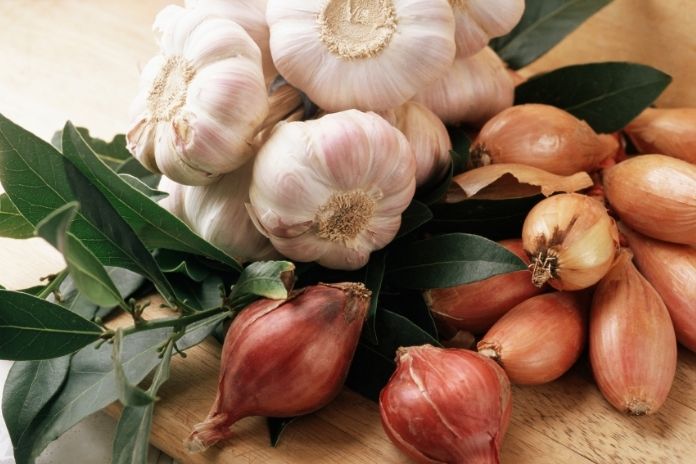
Evidence Level: Limited but suggestive. Garlic is rarely discussed in mainstream CRC diet articles, but research does exist. Some observational studies show around a 20–30% lower risk in higher garlic consumers. But results are not uniform, so evidence is classified as limited.
Mechanisms:
- Contains allicin; this may reduce the activation of carcinogens
- May suppress inflammatory pathways like NF-κB
- Contains prebiotic fibers (fructooligosaccharides); this improves microbiome diversity
This is important: garlic is not just antimicrobial; it also feeds beneficial bacteria.
Sources:
- Garlic
- Onion
- Leeks
- Spring onions
- Shallots
Reality check: Evidence is weaker compared to calcium or fiber. Still, regular use in cooking can contribute over the long term.
Read More: Just 10 Minutes of Hard Exercise Can Trigger Powerful Anti-Cancer Effects
Final Thoughts: About Diet and Colorectal Cancer
The research does not support extreme diets or single “superfoods” that lower colorectal cancer risk. What it shows is more practical:
- Calcium intake matters
- Fiber-rich foods (grains with legumes) shape the gut environment
- Inflammation and the microbiome both play a role
- Other foods like fish and garlic add support but with less certainty
The most important thing is that diet works over a long time and as part of an overall lifestyle. Even with a good diet, screening should not be skipped. Early detection changes outcomes much more than diet alone.
This article is for general information. For personal risk and screening decisions, always consult a qualified healthcare professional.
- Calcium stands out, with the strongest evidence, including newer large-scale and genetic data
- Whole grains and legumes work through a shared pathway (butyrate); this connection is rarely explained in consumer content
- Fatty fish adds an anti-inflammatory effect, but the evidence is less consistent than fiber-based foods
- Garlic has signals, not certainty, useful but not a core bowel cancer diet prevention strategy
- Major research gap: Most studies isolate foods, but real benefit likely comes from diet patterns with food replacement (e.g., less processed meat, more fiber); this area is still underexplored
FAQs
1. Can diet alone prevent colorectal cancer?
No. There are some diet foods that reduce colon cancer risk, but they cannot fully prevent it.
2. What is the most important nutrient for colon cancer prevention?
Based on current evidence, calcium and dietary fiber are the most consistently linked nutrients to be considered for a colorectal cancer prevention diet.
3. How much fiber do I need daily?
Most studies suggest around 25–35 grams per day, but even small increases show benefit.
4. Are supplements as effective as food?
Not always. For example, omega-3 supplements show mixed results, while whole fish show more consistent associations. Food contains multiple interacting compounds.
5. At what age should colorectal cancer screening start?
Many guidelines now recommend starting colorectal cancer screening at the age of 45, even for average-risk individuals.
References
- Papier, K., Bradbury, K. E., Balkwill, A., Barnes, I., Smith-Byrne, K., Gunter, M. J., Berndt, S. I., Marchand, L. L., Wu, A. H., Peters, U., Beral, V., Key, T. J., & Reeves, G. K. (2025). Diet-wide analyses for risk of colorectal cancer: prospective study of 12,251 incident cases among 542,778 women in the UK. Nature Communications, 16(1).
- Tammi, R., Kaartinen, N. E., Harald, K., Maukonen, M., Tapanainen, H., Smith-Warner, S. A., Albanes, D., Eriksson, J. G., Jousilahti, P., Koskinen, S., Laaksonen, M. A., Heikkinen, S., Pitkäniemi, J., Pajari, A.-M., & Männistö, S. (2024). Partial substitution of red meat or processed meat with plant-based foods and the risk of colorectal cancer. European Journal of Epidemiology.
- Vijay, A., Astbury, S., Le Roy, C., Spector, T. D., & Valdes, A. M. (2020). The prebiotic effects of omega-3 fatty acid supplementation: A six-week randomised intervention trial. Gut Microbes, 13(1), 1–11.
- Vrieling, A., & Kampman, E. (2010). The role of body mass index, physical activity, and diet in colorectal cancer recurrence and survival: a review of the literature. The American Journal of Clinical Nutrition, 92(3), 471–490.
- Zhou, X., Qian, H., Zhang, D., & Zeng, L. (2020). Garlic intake and the risk of colorectal cancer. Medicine, 99(1), e18575.
In this Article