



















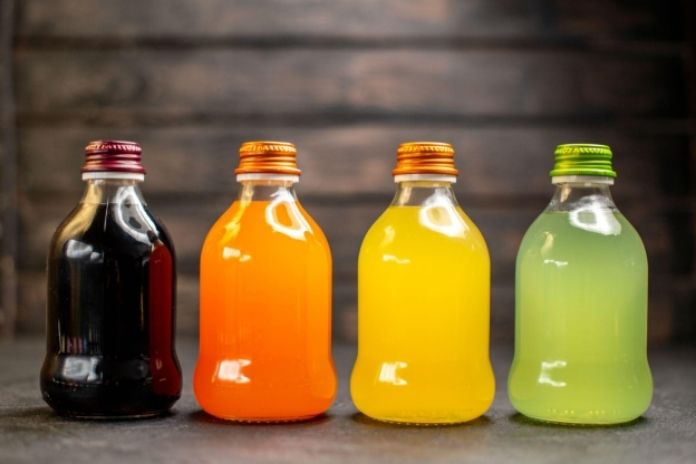
Search “liver cleanse,” and you will see green juices, herbal drops, powder sachets, 3-day detox plans, and bold claims like “flush toxins,” “reset metabolism,” “repair your pancreas.”
But when you look at the actual facts about liver cleanses, most of these claims are not supported by clinical research.
It sounds scientific. It feels proactive. It gives psychological comfort, “I did something good for my organs.”
But here is the uncomfortable truth: your liver and pancreas are not waiting for your help to detox. They are already working 24 hours, without a break, without asking for lemon water.
Most detox trends misunderstand how these organs actually function. And sometimes, the attempt to “clean” them interferes with the very biological systems keeping them healthy.
This blog is not about saying “detox is fake” and finishing there. It is about explaining why the idea itself is misunderstood, how the body actually works, where the research gap is, and what truly protects these organs in real life, not in marketing brochures.
The Myth Behind “Detox” and “Cleanse” Trends

The detox industry is built on one powerful but vague word: toxins.
What toxins? From where? In what quantity? Measured how?
Most detox products never clearly define this. The word remains flexible. If you feel tired: toxins. If you have acne: toxins. If you gained weight: toxins. If you feel bloated: toxins.
Many popular liver detox myths stem from the idea that toxins accumulate in the liver and need to be flushed out periodically.
It becomes a universal explanation for normal variation in the body.
The problem is this: in medical science, detoxification has a very specific meaning. It refers to how organs like the liver chemically modify substances so they can be excreted. It is not a weekend activity. It is a continuous biochemical process.
When detox is marketed as a “flush,” it creates an image of accumulated waste sitting inside the liver, waiting to be washed out. That image is biologically incorrect.
“While there are few things you can really do to improve your health and even support healthy liver function naturally, a liver ‘cleanse’ is not necessarily one among them,” says Dr. Romeo Esquivel, a gastroenterologist.
His point reflects a broader medical consensus: liver function is continuous, enzyme-driven, and internally regulated, never dependent on short-term cleansing rituals.
Why Your Liver Doesn’t Need a “Detox”
1. How the Liver Naturally Handles Detoxification
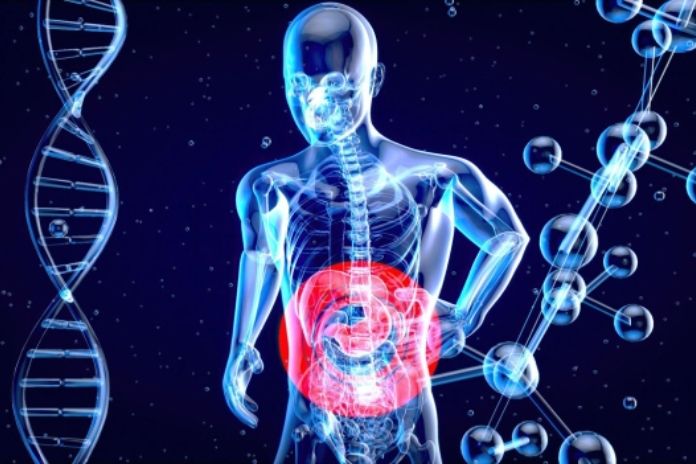
The liver is not a storage tank of toxins. It is a chemical processing plant.
These liver cleanse facts often contradict what detox marketing suggests about toxin buildup.
“The liver never needs extra help to filter toxins unless it’s undergone damage or disease,” says Dr. Mazen Noureddin, a hepatologist.
In other words, in a healthy individual, detoxification is not a weekend project; it is a built-in, ongoing biochemical function.
Every minute, blood from the digestive tract passes through it. The liver cells (hepatocytes) use enzyme systems, mainly cytochrome P450 enzymes. This process is called hepatic detoxification, a natural biochemical pathway that occurs continuously in healthy liver cells to convert substances into water-soluble forms.
There are broadly two phases:
- Phase 1– modification (oxidation, reduction)
- Phase 2– conjugation (making them easier to excrete)
These processes happen automatically if the liver is healthy. They do activate because you drank celery juice.
If toxins truly accumulated the way detox ads suggest, people would develop acute poisoning symptoms rapidly. Instead, what we mostly see in modern life is chronic metabolic stress, from excess calories, alcohol, and a sedentary lifestyle, not “toxin storage.”
2. The Evidence Gap: Detox Products vs. Real Science
There is a major research gap here.
- Very few commercial detox products are tested in large randomized clinical trials.
- Most claims rely on isolated studies of individual herbs.
- The final combination product is rarely studied as sold.
For example, milk thistle (silymarin) has some research in liver disease. But this does not mean every detox blend containing it will “clean” your liver. Dose matters. Purity matters. Patient condition matters.
These findings are sometimes used to promote natural ways to support liver health, even though the evidence for detox products remains limited.
Most detox regimens are evaluated by subjective outcomes: “I feel lighter,” “My skin is glowing,” “I feel less bloated.” These are real experiences, but not proof of toxin removal.
There is almost no high-quality evidence showing that short-term detox cleanses improve liver enzyme levels in healthy individuals.
2. The Hidden Risks of Detox Products
People assume “natural” means harmless. That is not always true.
Risks include:
- Herbal supplement liver injury, which has been increasingly reported in clinical literature (yes, some liver cleanses damage the liver itself)
- Severe calorie restriction causes weakness and an electrolyte imbalance
- Interaction with medications
- False reassurance that allows an unhealthy lifestyle to continue
In some cases, aggressive fasting increases the release of fatty acids into the blood. This can temporarily stress the liver rather than help it.
Ironically, the organ people are trying to protect can become collateral damage.
Why Your Pancreas Doesn’t Need a “Detox”
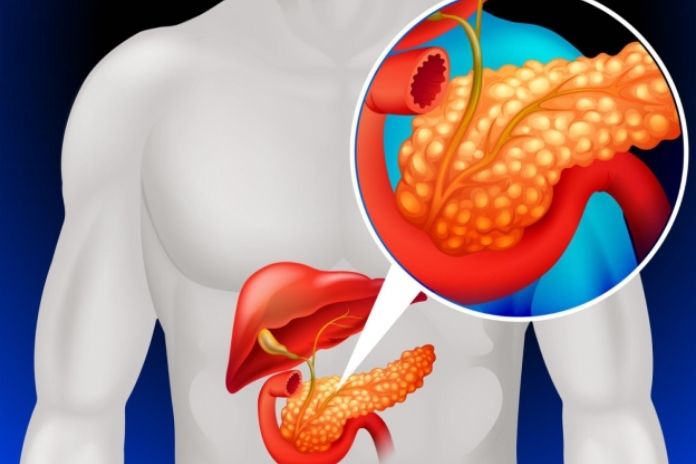
The pancreas is often added to detox marketing, especially in relation to blood sugar control. But the concept becomes even more misleading here.
The truth about pancreas detox claims is that there is no scientific mechanism supporting them.
1. How the Pancreas Naturally Cleanses Itself
The pancreas has two main roles:
- Exocrine function– Releasing pancreatic enzymes and digestion-supporting proteins that help break down fats, carbohydrates, and proteins.
- Endocrine function– releasing hormones like insulin and glucagon
It does not accumulate environmental toxins to the point of requiring flushing.
Insulin secretion responds to blood glucose. Digestive enzyme secretion responds to food intake. These are dynamic systems.
There is no biological mechanism for toxins to stay in the pancreas, so looking for herbal tea.
3. How Detox Diets Can Actually Harm the Pancreas
Extreme detox diets often involve:
- Very low calorie intake
- High fruit juice consumption
- Long fasting periods
In susceptible individuals, this can cause:
- Blood sugar instability
- Hypoglycemia
- Increased stress hormone release
- Overeating rebound episodes
For someone with insulin resistance or prediabetes, sudden spikes in blood glucose from juice cleanses can strain beta cells more, not less.
Repeated metabolic swings are more stressful than steady, balanced eating.
4. What the Pancreas Actually Needs
The pancreas thrives on metabolic stability. Maintaining metabolic balance is one of the most effective natural ways to support liver health and pancreatic function. It needs:
- Steady blood sugar levels
- Moderate carbohydrate intake
- Adequate protein
- Healthy body weight
- Low chronic inflammation
It does not need turmeric shots at 5 a.m.
What damages the pancreas long-term is persistent insulin resistance, obesity, alcohol abuse, and chronic inflammation, not the absence of detox tea.
Read More: A Saviour’s Guide To Fatty Liver Diet – One Can Do to Overcome!!
The Real Way to Support Liver and Pancreas Health
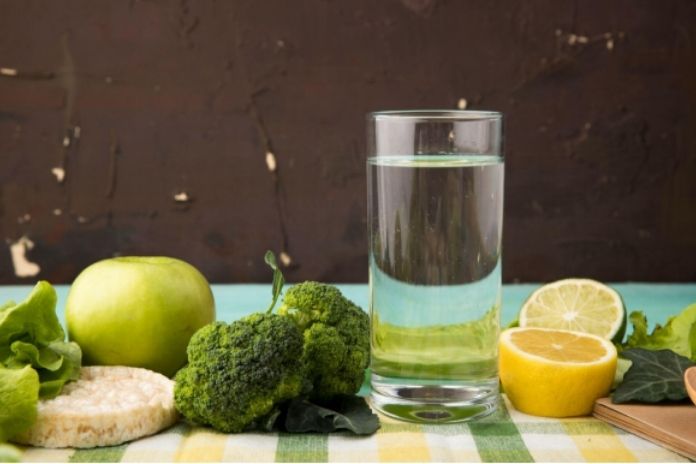
These habits reflect evidence-based liver care, not marketing-driven detox routines. This part is not glamorous. But it works.
1. Reduce or Eliminate Alcohol
Alcohol is a direct liver toxin. It increases fat accumulation and oxidative stress.
Reducing alcohol shows measurable improvement in liver enzymes within weeks in many individuals. No cleanse powder gives such consistent data.
2. Eat a Balanced, Whole-Food Diet
Not “superfood detox.” Just a balanced diet:
- Adequate protein
- Fiber from vegetables and whole grains
- Healthy fats
- Controlled portion size
Rapid weight loss through crash diets can worsen fatty liver temporarily. Slow and sustainable weight reduction is safer.
3. Stay Hydrated
Hydration supports kidney function, which plays a major role in eliminating water-soluble waste.
But again, water supports normal physiology. It does not “flush toxins” stored in the liver.
4. Move Regularly
Exercise improves:
- Insulin sensitivity
- Fat metabolism
- Inflammatory markers
Even 30 minutes of brisk walking daily has stronger metabolic evidence than most detox products.
5. Limit Processed Foods and Sugar
Excess fructose and refined carbohydrates increase the risk of fatty liver.
Reducing ultra-processed foods lowers overall metabolic burden. Reducing added sugar and ultra-processed foods is also important for non-alcoholic fatty liver disease (NAFLD) prevention. This is long-term protection, not short-term performance.
6. Avoid Unnecessary Supplements
The liver metabolizes supplements, too. More capsules mean more work for the liver.
Many hepatologists’ recommendations emphasize lifestyle changes over unnecessary supplements.
Unless deficiency is proven, routine “liver boosters” are not necessary.
Read More: Cleanse Your Body Naturally: 6 Herbal Detox Supplements for Whole-body Cleansing
When to See a Doctor

Detox trends delay medical evaluation. That is dangerous.
Seek medical advice if there are:
- Persistent fatigue with abnormal labs
- Yellowing of eyes
- Unexplained weight loss
- Persistent abdominal pain
- Family history of liver disease or diabetes
Conditions like fatty liver disease, hepatitis, pancreatitis, or diabetes require proper diagnosis, not a detox kit.
Read More: 5 Foods that Will Naturally Cleanse your Liver
Final Thoughts
Detox culture gives emotional satisfaction. It creates a feeling of cleansing guilt after overeating, drinking, or stress. But organs do not operate on guilt. They operate on biochemistry.
The real problem is not the accumulation of toxins. It is chronic lifestyle overload, too much sugar, too much alcohol, too little movement, too much stress.
No 3-day plan can correct 3 years of metabolic imbalance. The liver does not need a dramatic rescue. It needs consistency. The pancreas does not need flushing. It needs stability.
Sometimes, the most boring advice is the most evidence-based.
- The concept of “stored toxins” in the liver and pancreas is poorly defined in consumer health marketing.
- There is a significant research gap between herbal ingredient studies and finished detox product claims.
- Short-term detox diets rarely show measurable biochemical improvement in healthy individuals.
- Extreme cleanses can cause metabolic instability and, in rare cases, liver injury.
- Long-term lifestyle patterns, not short detox cycles, determine liver and pancreatic health outcomes.
References
- FINK, J., TANAKA, M., & HORIE, S. (2024). Effects of Fasting on Metabolic Hormones and Functions: A Narrative Review. Juntendo Medical Journal, 70(5), 348–359.
- Gillessen, A., & Schmidt, H. H.-J. . (2020). Silymarin as Supportive Treatment in Liver Diseases: A Narrative Review. Advances in Therapy, 37(4), 1279–1301.
- Vaja, R., & Rana, M. (2020). Drugs and the liver. Anaesthesia & Intensive Care Medicine, 21(10), 517–523.
In this Article