















Whenever summer comes, many people start feeling a strange kind of tiredness. Not exactly sick. Not exactly lazy, either. Just low energy the whole day. You get enough sleep but still feel heavy in the morning. Thinking, why am I tired in summer? Work feels slower.
This “summer slump” is very common and usually linked with heat, dehydration, sleep disruption, and changes in daily routine during hotter months.
Summer also changes the body strongly. High temperatures force the body to spend more energy cooling itself. Sleep quality changes. Even the brain works differently when body temperature rises.
This is not always a medical problem. But understanding what is happening inside the body makes it easier to fix before the fatigue becomes constant and frustrating.
- Summer slump usually happens because of heat, dehydration, poor sleep, disrupted routines, and mental fatigue.
- Hot weather forces the body to spend a lot of energy to cool itself, which lowers focus and stamina.
- Persistent or severe fatigue should be medically evaluated.
What Is a “Summer Slump”?
A summer slump is a temporary drop in energy, motivation, focus, and productivity during hot weather. It is not an official medical diagnosis. Doctors will not write “summer slump” in a medical report. But the experience itself is very real.
Usually, people describe it like this:
- Feeling sleepy in the daytime
- Struggling to focus
- Low motivation
- The body feels heavy
- Brain fog
- More irritability
- Less physical stamina
An important thing: this is different from chronic fatigue syndrome or burnout.
Burnout usually builds slowly from long-term stress and emotional overload. Chronic fatigue continues regardless of season and is often severe. Summer slump mostly appears during hot months and improves when temperature, sleep, and hydration improve.
Why am I tired in summer? What Makes It Happen?

1. Heat and Dehydration
During hot weather, sweating increases to cool the skin. But sweating means fluid loss. Along with water, the body also loses electrolytes like sodium and potassium.
Even mild dehydration affects energy levels quickly.
Research shows that losing just around 1–2% of body water can reduce concentration, memory, physical performance, and mood. Many people reach this level daily in summer without noticing because thirst itself is a delayed signal.
The body under heat stress also redirects blood flow toward the skin for cooling. This can temporarily leave circulation to the muscles and the brain less efficient. That sluggish, drained feeling many people get in the afternoon heat is partly because the body is prioritizing cooling over performance.
Sweat cannot evaporate properly in humid conditions, so body cooling becomes less effective.
Another thing people ignore is that air conditioning can contribute indirectly, too. Cold indoor air sometimes reduces thirst sensation, so people drink less water even while still dehydrated overall.
2. Poor Sleep Quality
Summer sleep often looks normal from the outside but becomes lower quality internally. Longer daylight hours delay melatonin release. The brain receives more light exposure in the evening, making sleep onset slower. Heat itself also interferes with deep sleep cycles.
The body naturally lowers core temperature before sleep. Hot rooms make this harder. Fans help some people. Cooling bedsheets help others. But poor summer sleep accumulates quietly over days and weeks.
One interesting thing sleep researchers noticed: people in hotter climates often develop “fragmented sleep adaptation,” meaning sleep becomes lighter and more interrupted during heat waves, even when they do not consciously feel sleep-deprived.
That creates a strange tired-but-awake feeling the next day.
3. Changes in Routine
Summer disrupts structure more than people expect. Children are home from school. Travel increases. Social gatherings increase. Late-night outings become more common. Meal timings shift. Exercise routines become inconsistent.
Humans function better with rhythm than most realize. The body likes predictable sleep, meals, light exposure, movement, and work timing. Summer breaks these patterns easily. Even positive activities can create fatigue when routines become irregular.
Someone sleeping one hour later every night during summer may not feel a major change immediately. But after a few weeks, the circadian rhythm becomes unstable. Energy dips become stronger during the daytime.
This also explains why some people feel mentally “off” during vacations despite technically resting more.
4. Reduced Appetite and Nutrient Intake
Hot weather changes eating behavior. Many people naturally eat lighter foods during the summer. That itself is not bad. But sometimes meals become nutritionally weak without the person noticing.
Skipping protein especially affects energy stability. Energy becomes inconsistent. Low sodium intake can also happen unintentionally when sweating heavily while eating lightly. The body still needs fuel during summer. Sometimes more than usual because heat regulation itself consumes energy.
One hidden problem is excessively cold sugary drinks. They give a temporary energy spike followed by a sharp crash later.
5. Mental Fatigue and “Seasonal Burnout”
Summer fatigue is not only physical.
By mid-year, many people are already mentally tired from months of work pressure, responsibilities, deadlines, and overstimulation. Summer exposes fatigue more clearly because heat lowers stress tolerance.
Hot weather increases irritability and emotional exhaustion in many studies. Also, the structure tends to loosen during the summer. Some people thrive with freedom. Others feel mentally scattered without routine.
There is also a strange psychological effect where summer creates pressure to “enjoy life more”: vacations, outdoor plans, and social activities. For some people, this becomes mentally tiring instead of energizing.
The brain does not separate physical heat stress from emotional stress very well. Both drain energy reserves.
Common Symptoms of a Summer Slump
Common signs include:
- Low energy even after sleeping
- Constant tiredness
- Brain fog
- Reduced concentration
- Poor work productivity
- Irritability
- Lower exercise tolerance
- Headaches
- Sluggish feeling
- Mood dips
- Afternoon crashes
- Low motivation
One important detail, many people feel worse between 1 PM and 5 PM because body temperature naturally peaks during the afternoon. Add environmental heat on top, and energy drops harder.
Summer Slump vs Heat Exhaustion: Know the Difference
Summer slump is uncomfortable but usually mild. Heat exhaustion is a medical condition. People confuse both sometimes because symptoms overlap in the beginning stages.
Summer slump usually means the following:
- Tiredness
- Sluggishness
- Mild dehydration
- Poor focus
- Lower productivity
Heat exhaustion includes stronger symptoms:
- Dizziness
- Nausea
- Excessive sweating
- Muscle cramps
- Rapid heartbeat
- Weakness
- Confusion
- Fainting feeling
- Cold, clammy skin despite heat
Heat exhaustion occurs when the body’s cooling systems can no longer keep up. If someone develops vomiting, confusion, fainting, chest pain, or very high body temperature, medical attention is needed immediately because heat stroke can become life-threatening.
Persistent fatigue also should not automatically be blamed on the weather. Conditions like anemia, thyroid disease, depression, sleep apnea, infections, and diabetes can all mimic seasonal tiredness.
How to Beat the Summer Slump (Science-Backed Tips)
Stay Hydrated
Most people wait until they become thirsty. That is already a late stage of dehydration beginning. Water matters, but electrolytes matter too when sweating heavily.
Signs of dehydration include:
- Dark urine
- Dry mouth
- Headaches
- Dizziness
- Fatigue
- Poor Concentration
One useful trick: drink small amounts consistently instead of suddenly drinking huge volumes later in the evening.
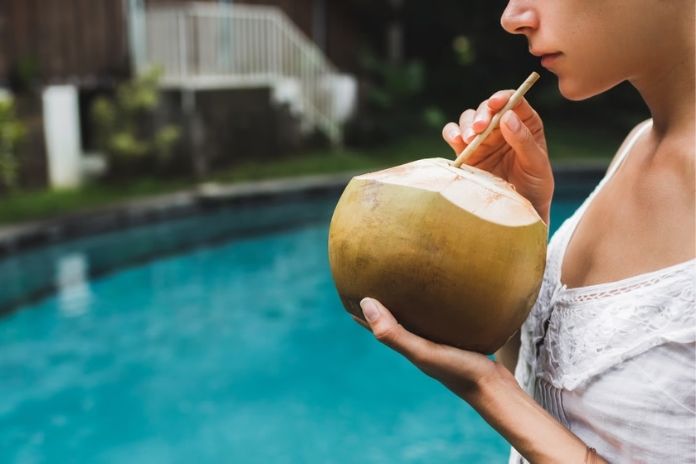
Coconut water, lemon water with salt, fruits with high water content, and electrolyte solutions can help during extreme heat.
Another overlooked issue during summer is excessive caffeine and alcohol intake. Many people consume more iced coffee, energy drinks, cocktails, or beer during hot weather. Both caffeine and alcohol can increase fluid loss and worsen dehydration, especially when combined with sweating and heat exposure.
Alcohol can also impair sleep quality, making summer fatigue feel even worse the next day. Moderation and balancing these drinks with water and electrolytes can help maintain energy levels more effectively.
“Hydration needs vary from person to person,” says dermatology specialist Dr. Parisa Khonsari. But overhydration without electrolytes is also possible. Drinking only plain water excessively while sweating heavily can dilute sodium levels. Balance matters.
Optimize Your Sleep
Good summer sleep requires active cooling sometimes. Keep the bedroom cooler if possible. Light cotton sheets help. Simple cooling strategies like blackout curtains, fans with proper airflow, cooling towels or pillows, breathable cotton clothing, and reducing indoor heat from electronics before bedtime can make summer sleep noticeably more comfortable.
Avoid heavy meals very late at night during the heat. Consistent sleep timing matters more than people think. Even on weekends, sleeping wildly different hours confuses the circadian rhythm.
Limiting screen exposure before bed helps because blue light delays melatonin release, which is already affected by longer daylight in summer. Some people benefit from a lukewarm shower before bed because it helps the body release heat more effectively afterward.
Eat for Energy
Summer food should feel lighter, not nutritionally empty. Balanced meals still matter:
- Protein
- Healthy fats
- Complex carbs
- Fiber
- Minerals
Protein especially stabilizes energy better than sugary foods. Good summer foods include:
- Yogurt
- Eggs
- Fruits
- Lentils
- Nuts
- Cucumber
- Watermelon
- Leafy vegetables
- Buttermilk
- Fish
Heavy, greasy meals can worsen fatigue because digestion itself generates body heat. But surviving only on cold drinks and snacks creates energy crashes later.
Adjust Your Activity Timing
Exercising during peak heat drains energy badly for many people. Morning or evening workouts are usually easier on the body. Athletes already know performance drops significantly in extreme heat because the cardiovascular system works harder for cooling.
Even normal walking feels more tiring under strong heat exposure. Outdoor work also should ideally shift toward cooler hours when possible.
Get Morning Sunlight
This sounds opposite because summer already has too much sun. But timing matters. Morning sunlight helps regulate circadian rhythm and improves daytime alertness later. People spending an entire day indoors under artificial lighting often develop weaker sleep-wake signals despite bright weather outside.
10–20 minutes of morning light exposure can help stabilize energy rhythm.
Take Strategic Breaks
Many people push through the heat instead of adapting to it. Short breaks during the hottest hours improve productivity more than forcing continuous work while exhausted. Mediterranean and tropical cultures traditionally developed slower midday schedules for a reason. Human physiology simply performs worse under peak heat.
Rest is not laziness when the body is under environmental stress.
Foods That May Help Improve Energy in Summer

Hydrating foods help more than people think because water from food absorbs more slowly and stays longer compared to plain fluids alone.
Useful foods include:
- Watermelon
- Cucumber
- Oranges
- Berries
- Tomatoes
- Curd
- Coconut water
- Leafy greens
Electrolyte-rich foods:
- Bananas
- Yogurt
- Avocados
- Spinach
Protein-rich foods:
- Eggs
- Fish
- Beans
- Lentils
- Chicken
- Greek yogurt
One overlooked thing: iron intake matters during fatigue seasons. Low iron worsens tiredness strongly.
Avoid very heavy fried meals regularly during extreme heat because digestion increases thermal load on the body.
Read More: 10 Best Mini Steppers For A Strong Summer Body
Who Is More Likely to Experience a Summer Slump?

Some groups were affected more than others.
People who work long hours indoors often experience a combination of poor sunlight exposure, air-conditioning-related dehydration, irregular meals, and mental fatigue.
Individuals who live in places with very hot climates experience chronic heat strain for so many months.
People with irregular routines or shift work struggle more because their circadian rhythms are already unstable.
Those prone to dehydration, older adults, athletes, and outdoor workers also experience stronger fatigue. Dr. Meenakshi N, a family physician, emphasizes that children and the elderly may not recognize or communicate thirst effectively.”
Children can be especially vulnerable during summer because school schedules disappear, outdoor playtime increases, and hydration is often inconsistent throughout the day. Many children also do not recognize early signs of overheating or dehydration until fatigue, headaches, or irritability become more noticeable.
Long hours of physical activity in the heat, combined with disrupted sleep schedules, can intensify summer tiredness significantly.
People with anxiety or stress issues sometimes notice that summer can worsen emotional exhaustion because heat increases nervous-system stress responses.
Read More: Tryptophan vs. Sleep Apnea: Can Lean Protein Help Support Airway Stability During Sleep?
I Feel Tired In Summer: When to See A Doctor?

Seasonal tiredness should improve with adequate hydration, improved sleep, better nutrition, and cooler conditions.
If fatigue becomes persistent or severe, do not assume it is “just summer.”
Medical evaluation is important if symptoms include the following:
- Unexplained weight loss
- Severe weakness
- Chest pain
- Breathlessness
- Fainting
- Persistent dizziness
- Ongoing sleep problems
- Depression symptoms
- Fatigue lasting beyond the season
Underlying conditions like thyroid disorders, anemia, sleep apnea, chronic infections, vitamin deficiencies, and diabetes can hide behind what looks like seasonal fatigue.
Read More: The Sunlight Diet: Can Eating Seasonally Improve Your Health?
The Bottom Line: Why Am I Tired in Summer?
Summer slump is real. The body spends too much energy simply trying to cool. That alone can bring down productivity and motivation. The good part is: this condition is mostly temporary and very manageable. If symptoms get intense or keep continuing long after seasonal changes, then proper medical evaluation matters.
- Mild dehydration can reduce mental performance before strong thirst even appears.
- Summer fatigue is partly biological because the body spends more energy regulating heat.
- Sleep quality drops in hot weather even when total sleep hours stay the same.
- Research on “summer productivity decline” is still limited compared to winter seasonal mood studies.
- Strategic routine stability during summer often improves energy more than supplements or stimulants.
FAQs On Why Am I Tired in Summer?
1. Why am I more tired in summer, even when I sleep enough?
Summer fatigue occurs because heat disrupts sleep quality, hydration, and body temperature regulation. Even with adequate sleep duration, reduced deep sleep and mild dehydration impair recovery, while appetite and routine changes further lower daytime energy levels.
2. Can hot weather really affect productivity?
Yes, hot weather can reduce productivity by impairing concentration, reaction time, and physical performance. The body prioritizes cooling through increased blood flow and sweating, which raises fatigue and mental sluggishness, especially during peak afternoon heat exposure.
3. How much water should I drink during the summer?
There is no fixed amount of water needed in summer because hydration needs vary with sweating and activity levels. Thirst, urine color, fatigue, and headaches are practical indicators, and electrolytes become important during prolonged or heavy sweating.
4. Is summer fatigue the same as heat exhaustion?
No, summer fatigue is mild tiredness, while heat exhaustion is a medical condition requiring attention. Heat exhaustion includes dizziness, nausea, rapid heartbeat, and weakness, and severe symptoms like confusion indicate a need for urgent medical care.
5. What foods help with summer fatigue?
Foods that help with summer fatigue include hydrating and electrolyte-rich options like watermelon, cucumber, citrus fruits, yogurt, and leafy vegetables. Adequate protein intake is also important, as very low-protein diets can worsen fatigue and energy instability.
References
- Cramer, M. N., Gagnon, D., Laitano, O., & Crandall, C. G. (2022). Human temperature regulation under heat stress in health, disease, and injury. Physiological Reviews, 102(4), 1907–1989.
- Karim, M., & Alamgir, H. (2023). High temperatures on mental health: Recognizing the association and the need for proactive strategies—A perspective. Health Science Reports, 6(12).
- Libert, J. P., Di Nisi, J., Fukuda, H., Muzet, A., Ehrhart, J., & Amoros, C. (1988). Effect of Continuous Heat Exposure on Sleep Stages in Humans. Sleep, 11(2), 195–209.
- Oliveira, R. A., Sierra, A. P. R., Benetti, M., Ghorayeb, N., Sierra, C. A., Kiss, M. A. P. D. M., & Cury-Boaventura, M. F. (2017). Impact of Hot Environment on Fluid and Electrolyte Imbalance, Renal Damage, Hemolysis, and Immune Activation Postmarathon. Oxidative Medicine and Cellular Longevity, 2017, 1–11.
- Riebl, S. K., & Davy, B. M. (2013). The Hydration Equation: Update on Water Balance and Cognitive Performance. ACSM’s Health & Fitness Journal, 17(6), 21–28.
- Vellei, M., Chinazzo, G., Zitting, K.-M., & Hubbard, J. (2021). Human thermal perception and time of day: A review. Temperature, 8(4), 320–341.
In this Article