



















If you are trying to conceive and nothing seems clearly wrong, thyroid health is one thing doctors often check early. Hypothyroidism can quietly slow down reproductive function long before obvious symptoms become severe.
Hypothyroidism and infertility are linked, but the situation is often manageable. In many cases, fertility improves significantly once thyroid hormone levels are corrected properly.
- Hypothyroidism can interfere with fertility by disrupting ovulation, menstrual cycles, hormone balance, and early pregnancy support.
- Women may experience irregular periods, elevated TSH levels, miscarriage risk, or difficulty conceiving without obvious thyroid symptoms.
- Many women regain regular ovulation and improve pregnancy outcomes after thyroid hormone levels are stabilized.
Read More: Thyroid Problems vs. Menopause Belly Fat: What’s Really Causing Your Weight Gain?
What Is Hypothyroidism?

Hypothyroidism means the thyroid gland is underactive and does not produce enough thyroid hormones. The main thyroid hormones are T3 (triiodothyronine) and T4 (thyroxine). These hormones are controlled by TSH thyroid-stimulating hormone, released from the pituitary gland in the brain.
When thyroid hormone levels fall, the pituitary sends more TSH to push the thyroid harder. That is why high TSH often signals underactive thyroid function. Common causes include:
- Autoimmune thyroid disease, like Hashimoto’s Thyroiditis
- Iodine deficiency
- Previous thyroid surgery
- Certain medications
- Postpartum thyroid changes
What makes hypothyroidism difficult sometimes is how slowly it develops. Meanwhile, the hormonal effects continue quietly.
Can Hypothyroidism Cause Infertility?

Yes, it can interfere with fertility. But not every person with hypothyroidism becomes infertile. That balance is important because internet content around thyroid and fertility often becomes too dramatic. Some articles make it sound like pregnancy becomes impossible. That is not true.
Many women with mild thyroid dysfunction still conceive naturally. Others struggle with irregular ovulation, unpredictable cycles, or miscarriage risk until thyroid levels are treated. The encouraging part is this: thyroid-related fertility problems are often reversible.
Unlike some fertility conditions where ovarian reserve or structural damage becomes permanent, thyroid dysfunction is usually medically manageable with hormone replacement treatment and monitoring. This is why fertility specialists routinely check thyroid function early during infertility evaluation. A simple blood test can sometimes explain months of unexplained cycle problems.
How Hypothyroidism Affects Fertility
Disrupts Ovulation
Ovulation depends on precise hormone control between the brain, ovaries, pituitary gland, and thyroid. When thyroid hormone levels fall, this precisely regulated system goes haywire. Some women ovulate irregularly. Others stop ovulating entirely for periods of time. Cycles may become longer, unpredictable, or absent.
The body treats severe hypothyroidism almost like a metabolic stress state. Reproductive function is not prioritized when the body senses energy regulation problems. This ovulation disruption is one major reason hypothyroidism and infertility are connected.
Some women still get periods but release eggs inconsistently. That becomes frustrating because cycles appear “normal enough” while conception keeps failing. Doctors sometimes discover this through ovulation tracking, progesterone testing, or ultrasound monitoring.
Causes Irregular Periods
The thyroid hormone affects menstrual cycle regulation deeply. Low thyroid function can cause:
- Delayed periods
- Heavy bleeding
- Missed periods
- Very long cycles
- Spotting between cycles
Some women bleed heavily because hypothyroidism affects clotting factors and estrogen balance, too. Others barely menstruate at all. This unpredictability makes fertility timing harder. Ovulation prediction becomes unreliable when the cycle itself keeps changing.
Many women trying to conceive already experience stress from cycle tracking. Hypothyroidism adds another layer because even apps and ovulation kits may become inaccurate with irregular hormone patterns. Some patients say they never connected their strange periods to thyroid function until fertility testing happened.
Affects Hormonal Balance
The thyroid does not work separately from reproductive hormones. Everything overlaps. Low thyroid hormone levels can indirectly increase prolactin, another hormone released by the pituitary gland. Elevated prolactin may suppress ovulation further.
At the same time, hypothyroidism can disrupt estrogen and progesterone balance. These hormones control egg release, uterine lining development, and implantation conditions. This is why thyroid dysfunction sometimes causes symptoms overlapping with polycystic ovary syndrome.
Both conditions may involve irregular cycles, fertility problems, and metabolic changes. Doctors often test for both during infertility evaluation because symptoms can overlap heavily. The hormonal system is not isolated organs working independently. It behaves more like connected circuits. When thyroid signaling becomes weak, reproductive hormones are also affected.
Impacts Egg Quality
Hypothyroidism may affect egg quality indirectly through metabolic and hormonal disruption. Thyroid dysfunction may interfere with the following:
- Follicle maturation
- Mitochondrial activity inside eggs
- Ovarian responsiveness
- Implantation support
The effect is usually indirect rather than direct ovarian destruction. This distinction matters because it means treatment can improve outcomes significantly in many women. Fertility specialists often see pregnancy rates improve after thyroid stabilization, especially in women whose TSH was elevated during conception attempts.
Increases Risk of Miscarriage
When thyroid hormone levels remain insufficient, implantation stability and early fetal development may be affected. This is why many fertility clinics prefer tighter thyroid control than general population guidelines when conception is being attempted.
Even mildly elevated TSH levels may matter more during fertility treatment or early pregnancy compared with ordinary health screening. Doctors monitor thyroid levels more closely during pregnancy because hormone requirements often increase rapidly after conception. Women already on thyroid medication frequently need dosage adjustments once pregnant.
Signs Your Thyroid Might Be Affecting Fertility

One problem with hypothyroidism is symptom overlap. Fatigue can mean stress. “Women often dismiss thyroid symptoms as stress or burnout,” said Dr. Gurusangappa S. Mudagall, an endocrinologist. Weight gain can mean lifestyle changes.
Hair thinning can mean a nutritional deficiency. Irregular periods can have many causes. This is why thyroid-related fertility issues often stay unnoticed for a long time. Possible signs include:
- Unusual tiredness
- Cold intolerance
- Constipation
- Weight gain
- Dry skin
- Slowed thinking
- Depression symptoms
- Hair thinning
- Irregular cycles
- Fertility struggles
Some women have almost no obvious symptoms except infertility itself. Others say they knew “something felt off” physically for years before the diagnosis finally happened. Thyroid dysfunction can be subtle enough that people ignore the symptoms for a long time.
Ideal Thyroid Levels for Fertility
TSH levels are especially important during conception planning. Technically, many laboratories consider TSH levels up to around 4 or 5 mIU/L within the normal range. But fertility specialists often aim for tighter control. Many reproductive endocrinologists prefer TSH below 2.5 mIU/L before conception and during the first trimester.
This is where confusion happens for patients. Someone may be told, “Your thyroid is normal.” But fertility specialists may still recommend treatment because “normal” for general health is not always ideal for pregnancy support. This does not mean everybody with slightly elevated TSH needs medication immediately. Clinical context matters:
- Symptoms
- Antibody status
- Miscarriage history
- Infertility duration
- Pregnancy plans
How Hypothyroidism Is Diagnosed
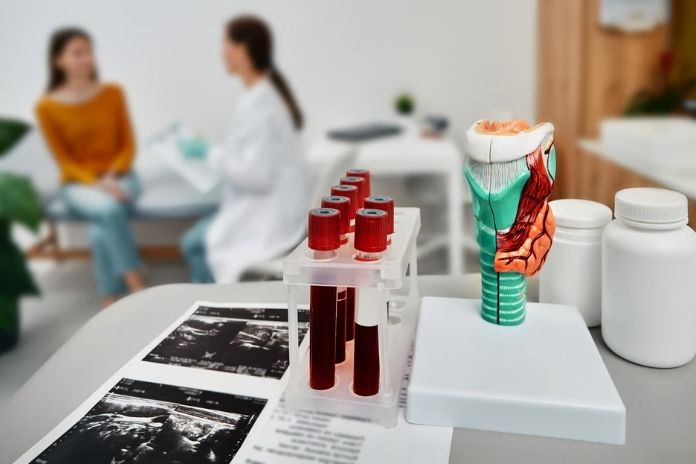
Diagnosis usually begins with blood testing. Doctors commonly check:
- TSH
- Free T4
- Sometimes Free T3
- Thyroid antibodies
TSH is usually the first marker that changes. High TSH with low T4 strongly suggests hypothyroidism. Women struggling with infertility, recurrent miscarriage, or irregular ovulation are commonly advised to undergo thyroid screening because thyroid dysfunction is relatively common and treatable.
Treatment and Fertility Outcomes

The standard treatment for hypothyroidism is levothyroxine, a synthetic form of the T4 hormone. The goal is to restore thyroid hormone levels gradually to the normal range. Treatment sounds simple, but proper adjustment takes monitoring. Doctors repeat blood tests periodically because dosage requirements vary between individuals. Some patients feel better within weeks. Others need several dose adjustments first.
Fertility improvement can happen after hormone stabilization, especially when ovulation irregularity is directly related to thyroid dysfunction. Periods often become more predictable. Ovulation may normalize. Pregnancy chances improve. But thyroid treatment is not magic for every infertility case. Still, thyroid correction removes one important obstacle.
Read More: 8 Period Symptoms That Might Actually Be a Thyroid Issue
Hypothyroidism and Pregnancy

During pregnancy, thyroid hormone demands increase because the developing fetus relies heavily on maternal hormones early on. Untreated hypothyroidism during pregnancy is associated with:
- Miscarriage
- Preeclampsia
- Anemia
- Preterm birth
- Developmental complications
This sounds frightening, but the important context is that proper monitoring reduces these risks greatly. Women already diagnosed with hypothyroidism usually require the following:
- More frequent blood testing
- Medication adjustment
- Trimester-based monitoring
Many healthy pregnancies happen in women with thyroid disease once hormone levels are managed properly. The key is not ignoring it.
Read More: Thyroid or Depression? How Low T3 Levels Can Masquerade as Mental Health Issues
Why Thyroid Problems in Women Are Often Missed
One reason hypothyroidism-related fertility problems stay undiagnosed is that women’s symptoms often get normalized socially. Exhausted? “Everybody is tired.” Weight gain? “Maybe stress.” Heavy periods? “Some women naturally bleed heavily.” Hair fall? “Common problem.”
The body sometimes signals endocrine dysfunction quietly for years before somebody connects the pattern together. Another issue is that reproductive symptoms and metabolic symptoms are sometimes treated separately. Gynecologists focus on cycles. General physicians focus on fatigue. Dermatologists focus on hair loss. This fragmented symptom pattern delays diagnosis in many women.
When to See a Doctor For Hypothyroidism And Infertility
You should consider a medical evaluation if:
- Pregnancy has not happened after 12 months of trying
- Or after 6 months if over age 35
- Periods are irregular
- Fatigue feels persistent
- Miscarriage history exists
- Thyroid disease runs in the family
- Unexplained weight gain occurs
- Hair thinning or cold intolerance develops
“The main strategy for boosting fertility and getting pregnant when you have a thyroid disorder is to see your doctor and start appropriate treatment,” says Dr. Kecia Gaither, M.D., an OB/GYN. Thyroid testing is simple, inexpensive, and widely available.
Do not self-medicate with thyroid supplements from the internet wellness culture. Incorrect thyroid hormone use can create serious complications, too. Proper diagnosis matters.
Read More: Struggling to Conceive? Your Thyroid Could Be the Missing Piece in Your Fertility Puzzle
The Bottom Line
Hypothyroidism and infertility are closely connected because thyroid hormones influence ovulation, menstrual cycles, implantation, and pregnancy stability. Thyroid-related fertility problems are often manageable.
Early diagnosis matters because symptoms are frequently subtle and mistaken for stress or lifestyle problems. When fertility struggles happen without a clear explanation, checking thyroid health is one of the most important and medically useful steps.
- Mild thyroid dysfunction may affect fertility even when lab reports still appear “normal” by general population standards.
- Research increasingly suggests fertility specialists may need narrower TSH targets compared with routine endocrine care.
- Hypothyroidism can overlap clinically with PCOS, making proper hormonal evaluation important during infertility workups.
- Many women with infertility-related hypothyroidism improve significantly after thyroid hormone treatment and monitoring.
- Scientists are still researching exactly how thyroid hormones affect egg quality and implantation at the cellular level, especially in subclinical hypothyroidism.
FAQs
1. Can hypothyroidism cause infertility permanently?
No, hypothyroidism usually does not cause permanent infertility. It mainly disrupts ovulation and hormonal balance rather than damaging reproductive organs. Fertility often improves after thyroid hormone correction, although prolonged untreated disease may worsen outcomes with other contributing factors.
2. What TSH level is best for getting pregnant?
A TSH level below 2.5 mIU/L is commonly recommended for pregnancy planning. This tighter target supports ovulation, implantation, and early pregnancy stability. Standard laboratory ranges are broader, but reproductive care often uses stricter thyroid control for better outcomes.
3. Can you ovulate with hypothyroidism?
Yes, ovulation can still occur with hypothyroidism, especially in mild cases. However, thyroid hormone imbalance may disrupt signals between the brain and ovaries, causing irregular or absent ovulation. The degree of dysfunction usually determines the extent of ovulatory disturbance.
4. Does thyroid medication improve fertility?
Yes, thyroid medication like levothyroxine often improves fertility when hypothyroidism is a contributing factor. It helps restore hormonal balance, regulate menstrual cycles, and support ovulation. However, overall fertility also depends on age, ovarian reserve, and other reproductive factors.
5. Should thyroid be checked before pregnancy?
Yes, thyroid testing before pregnancy is recommended in higher-risk women. Those with irregular periods, infertility, miscarriage history, or thyroid symptoms benefit most. Early detection allows hormone correction before conception, improving fertility outcomes and reducing pregnancy-related complications.
References
- Barbero, A., Pagano, M., Tuli, G., Buganza, R., de Sanctis, L., & Bondone, C. (2022). Menorrhagia as main presentation sign of severe hypothyroidism in a pediatric patient: a case report. Italian Journal of Pediatrics, 48(1).
- Goswami, B., Patel, S., Chatterjee, M., Koner, B., & Saxena, A. (2024). Correlation of Prolactin and Thyroid Hormone Concentration with Menstrual Patterns in Infertile Women. Journal of Reproduction & Infertility, 10(3), 207.
- McNeil, A. R., & Stanford, P. E. (2015). Reporting Thyroid Function Tests in Pregnancy. The Clinical Biochemist Reviews, 36(4), 109.
- Pirahanchi, Y., Jialal, I., & Toro, F. (2023, May 1). Physiology, Thyroid Stimulating Hormone (TSH). Nih.gov; StatPearls Publishing.
- Rugge, B., Balshem, H., Sehgal, R., Relevo, R., Gorman, P., & Helfand, M. (2011). Screening and Treatment of Subclinical Hypothyroidism or Hyperthyroidism. In www.ncbi.nlm.nih.gov. Agency for Healthcare Research and Quality (US).
In this Article